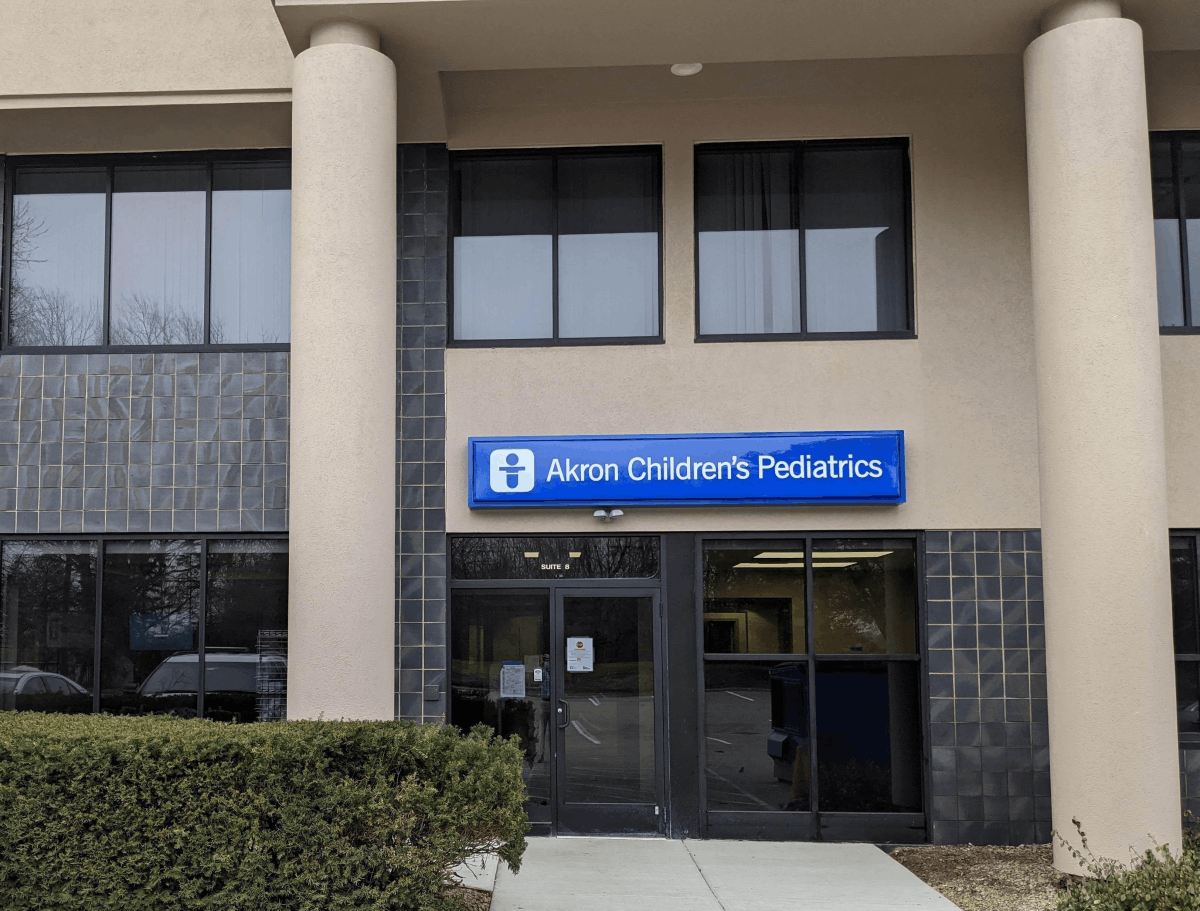
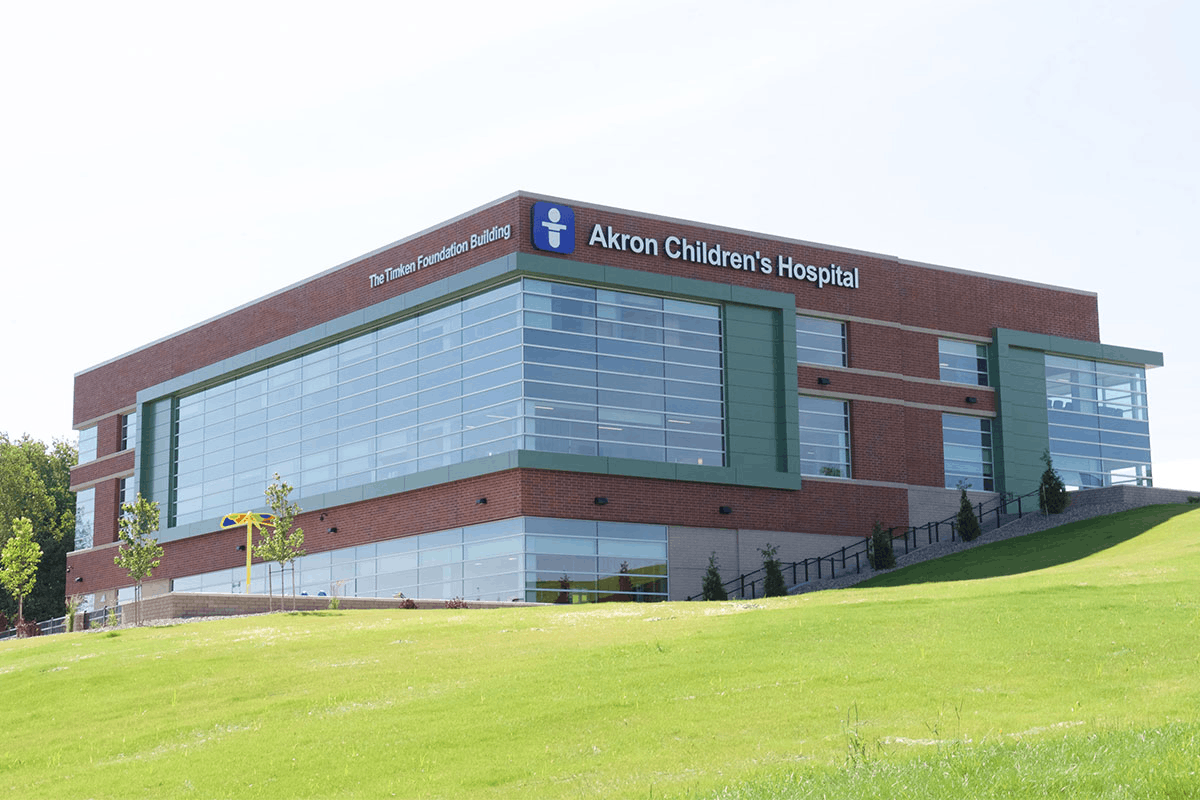
Akron Children's Pediatrics provides a specialized network of primary care offices across Northeast Ohio, dedicated exclusively to the health and development of infants, children, and adolescents. To access care, parents can schedule appointments through the MyChart portal or by calling a local office directly. The network offers comprehensive services ranging from routine well-child checkups and immunizations to integrated behavioral health support and chronic disease management, all connected to the broader Akron Children’s Hospital specialist system.
The Role of Akron Children's Pediatrics in 2026
As of 2026, Akron Children’s Pediatrics continues to serve as the largest pediatric primary care provider in the region. Unlike general family practice offices that treat patients of all ages, these locations focus entirely on the unique physiological and emotional needs of the pediatric population. This specialization is critical because children are not simply "small adults"; their bodies process medications differently, their bones grow according to specific developmental timelines, and their psychological needs require a specialized approach.
The network operates over 40 locations throughout Ohio, ensuring that families in urban, suburban, and rural areas have access to high-quality care. By choosing a pediatric-specific primary care provider, families ensure that their children are seen by clinicians who are experts in the American Academy of Pediatrics (AAP) "Bright Futures" guidelines, which dictate the standard for preventive care and health promotion.
Core Medical Services and Preventive Care
The foundation of Akron Children’s Pediatrics is preventive medicine. Regular visits, often referred to as well-child checkups, are the primary mechanism for monitoring a child's growth and detecting potential health issues before they become serious.
Well-Child Visits and Developmental Screenings
In 2026, well-child visits follow a rigorous schedule established to monitor physical, mental, and social development. During these visits, pediatricians measure height, weight, and head circumference, plotting them on standardized growth charts to ensure the child is developing within healthy parameters.
Beyond physical metrics, developmental screenings have become increasingly sophisticated. Providers use standardized tools to screen for autism, speech delays, and motor skill deficiencies at specific milestones, such as 18 and 24 months. Early intervention is a cornerstone of the Akron Children's philosophy, as identifying a delay early allows for more effective speech, occupational, or physical therapy.
Immunization Protocols
Immunizations are a vital component of public health and individual protection. Akron Children’s Pediatrics adheres to the 2026 CDC and AAP immunization schedules. This includes foundational vaccines for polio, measles, mumps, and rubella, as well as updated formulations for seasonal influenza and respiratory syncytial virus (RSV) where indicated.
The practice emphasizes evidence-based medicine, providing parents with comprehensive Vaccine Information Statements (VIS) to explain the benefits and risks of each shot. Clinicians are trained to address "vaccine hesitancy" by providing scientific data and transparent communication regarding the safety profiles of modern pediatric vaccines.
Sports Physicals and School Requirements
For many families, the annual sports physical is a mandatory requirement for participation in Ohio High School Athletic Association (OHSAA) activities. These exams go beyond a standard checkup to focus on cardiovascular health, musculoskeletal integrity, and concussion history. By integrating sports physicals into the primary care setting, the pediatrician—who knows the child's medical history—can more accurately assess the safety of participation compared to a walk-in clinic.
Integrated Behavioral Health and Mental Wellness
One of the most significant evolutions in the Akron Children’s Pediatrics model in 2026 is the full integration of behavioral health services within the primary care office. Recognizing that mental health is just as important as physical health, many offices now staff integrated behavioral health clinicians (IBHCs).
Why Integration Matters
In a traditional model, a pediatrician might identify a mental health concern and refer the patient to an outside specialist, leading to long wait times and fragmented care. In the integrated model, the pediatrician can often introduce the family to a behavioral health specialist during the same visit. This "warm handoff" reduces the stigma associated with mental healthcare and ensures that conditions like ADHD, anxiety, depression, and behavioral outbursts are addressed immediately.
Screening for Adolescent Mental Health
With the rise of social media-related stress and academic pressure, adolescent mental health screening has become a standard part of every checkup for children aged 12 and older. Providers use validated tools like the PHQ-9 (Patient Health Questionnaire) to screen for symptoms of depression. This proactive approach allows for early counseling and, if necessary, medication management in a familiar and supportive environment.
Managing Acute Illness and Chronic Conditions
While preventive care is the goal, Akron Children’s Pediatrics is equipped to handle the realities of childhood illnesses and long-term health challenges.
Same-Day Sick Visits
Children rarely get sick on a schedule. The network prioritizes same-day appointments for acute issues such as ear infections, strep throat, high fevers, and minor injuries. By seeing their primary care provider for these issues, families ensure that the treatment is recorded in the child’s permanent medical record, which is accessible to any specialist within the Akron Children’s system.
Chronic Disease Management
For children living with chronic conditions such as asthma, diabetes, or cystic fibrosis, the pediatrician acts as the "medical home" coordinator. They work closely with sub-specialists at the main hospital campus to manage medications, monitor flare-ups, and ensure the family has a clear "action plan." For example, an asthma action plan provides specific instructions for school nurses and parents on when to use rescue inhalers versus when to seek emergency care.
Navigating the Patient Portal: MyChart
The digital gateway to care is the MyChart patient portal. In 2026, this tool is essential for managing a child’s healthcare journey efficiently.
- Scheduling: Parents can view available time slots for both well-child and sick visits, allowing for booking without needing to wait on hold on the telephone.
- Results: Lab results, X-ray reports, and immunization records are typically available within 24 to 48 hours of a visit.
- Communication: MyChart allows for secure messaging with the pediatric team. This is ideal for non-urgent questions regarding medication dosages, mild symptoms, or follow-up care instructions.
- Proxy Access: For privacy and security, parents are granted "proxy access" to their children's accounts. As children transition into their teenage years, the level of access may change to comply with Ohio privacy laws regarding adolescent healthcare.
Comparing Care Options
It is important for parents to know where to go based on the severity of their child's symptoms. Using the wrong level of care can lead to higher costs and longer wait times.
| Feature | Primary Care (Pediatrics) | Urgent Care | Emergency Room (ER) |
|---|---|---|---|
| Best For | Preventive care, vaccines, chronic management, mild illness | Minor injuries, rashes, infections after hours | Severe trauma, difficulty breathing, seizures |
| Provider Knowledge | Knows your child’s full history | Limited to the current incident | Emergency medicine specialists |
| Cost | Lowest (typically a co-pay) | Moderate | Highest |
| Availability | Standard business hours | Evenings and weekends | 24/7 |
| Follow-up | Direct and integrated | Requires manual report to pediatrician | Integrated via hospital system |
Insurance, Eligibility, and Financial Assistance
Akron Children’s Pediatrics accepts a wide range of insurance plans, including commercial insurers (such as Anthem, UnitedHealthcare, and Aetna) and Ohio Medicaid Managed Care plans (such as CareSource and Buckeye Health Plan).
Verification of Coverage
Before scheduling, families should verify that their specific plan includes their preferred Akron Children’s location. Insurance networks can change annually, and some "narrow network" plans may require a specific referral even for primary care.
Financial Assistance
As part of a non-profit healthcare system, Akron Children’s offers financial assistance programs for families who are uninsured or underinsured. These programs are based on Federal Poverty Guidelines and can significantly reduce the cost of visits and procedures. Families are encouraged to speak with a financial counselor if they anticipate difficulty paying for care, as the hospital’s mission ensures that no child is denied medically necessary care due to an inability to pay.
Choosing a Location and Provider
With dozens of locations across Northeast Ohio, choosing the right "Akron Children’s Pediatrics" office depends on several factors:
- Proximity: Selecting an office near home or school makes it easier to attend frequent appointments during the first two years of life.
- Office Hours: Some locations offer extended evening hours or Saturday morning appointments to accommodate working parents.
- Provider Philosophy: Many parents find it helpful to schedule a "meet the provider" interview before their child is born. This allows parents to ask about the clinician’s stance on breastfeeding, sleep training, and antibiotic use.
- Specialty Access: If a child has a known condition, choosing a primary care office located near one of the Akron Children’s Health Centers (which house specialists) can simplify travel for multiple appointments.
Why Specialized Pediatric Primary Care Matters
The physiological differences between a newborn and a teenager are vast, and the differences between a child and an adult are even greater. A pediatric primary care provider is trained to recognize subtle signs of illness that might be missed in a general practice setting. For example, a pediatrician is more likely to correctly identify the early signs of childhood-specific cancers or rare genetic disorders.
Furthermore, the environment of an Akron Children’s Pediatrics office is designed for children. From the height of the examination tables to the colorful decor and the presence of toys or books, every element is curated to reduce "white coat hypertension" (anxiety-induced high blood pressure) and make the medical experience positive rather than traumatic.
Frequently Asked Questions
How do I transfer my child's records to Akron Children's Pediatrics?
To transfer records, you must sign a "Release of Information" (ROI) form at your new Akron Children's office. This authorizes your previous doctor to send medical history, immunization records, and lab results to the new provider. It is recommended to complete this process at least two weeks before your first scheduled appointment to ensure the pediatrician has time to review the child's history.
What should I do if my child gets sick when the office is closed?
If the illness is non-life-threatening, you can visit an Akron Children's Urgent Care location or use the 24/7 pediatric nurse line. The nurses can provide guidance on whether your child can wait until the morning or needs immediate attention. In any life-threatening situation, you should call 911 or proceed to the nearest pediatric emergency department.
Does Akron Children's Pediatrics offer telehealth appointments?
Yes, in 2026, many primary care offices offer telehealth for specific visit types, such as behavioral health follow-ups, ADHD medication checks, and certain dermatological issues. Telehealth is conducted through the MyChart app and requires a stable internet connection. However, physical exams and vaccinations still require an in-person visit.
At what age do children "graduate" from Akron Children's Pediatrics?
Typically, patients can remain with their pediatrician until they are 18 or 21 years old. The transition to adult medicine usually begins around age 18, especially for patients with complex chronic conditions who need to find adult specialists. The pediatric team will work with the young adult to ensure a smooth transition to a primary care physician (PCP) who treats adults.
Are there "walk-in" hours for vaccinations?
Most locations require an appointment for vaccinations to ensure the nursing staff is available and the specific vaccine is in stock. However, during peak flu and respiratory virus seasons, many offices hold dedicated "vaccine clinics" with expanded hours where appointments can be made specifically for shots without a full physical exam.
Next Actions for Parents
If you are a new parent or looking to switch providers, your first step should be to use the "Find a Doctor" tool on the Akron Children’s Hospital official website. This tool allows you to filter providers by location, gender, and language spoken. Once you have selected a provider, call the office to confirm they are accepting new patients and schedule an initial "New Patient" visit. Ensure you have your insurance card and your child’s previous immunization records ready for this first appointment to establish a comprehensive medical baseline.
For existing patients, ensure your MyChart account is active and that your contact information is updated. Regularly checking the portal will keep you informed of upcoming wellness milestones and ensure you never miss a critical preventive care window.