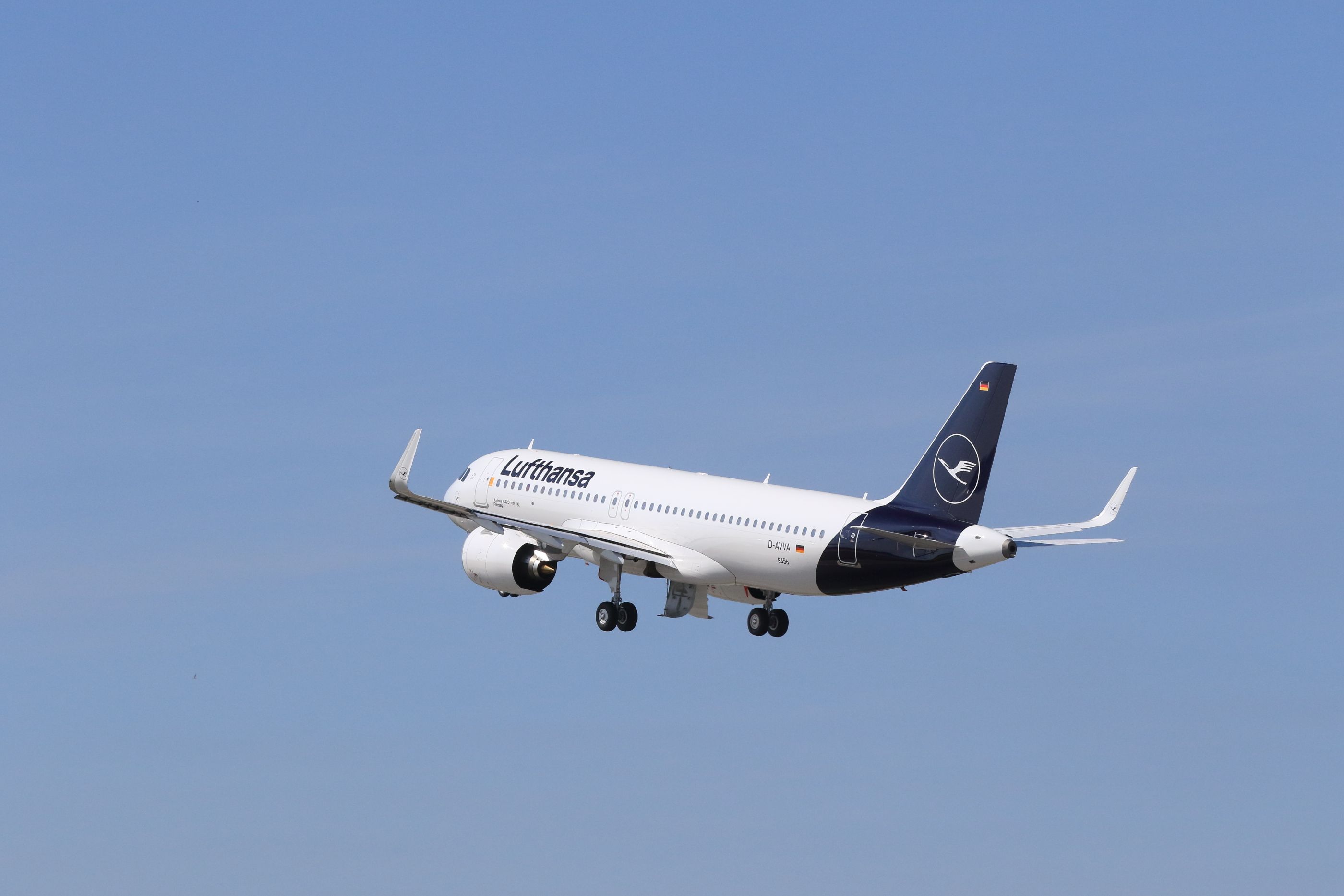
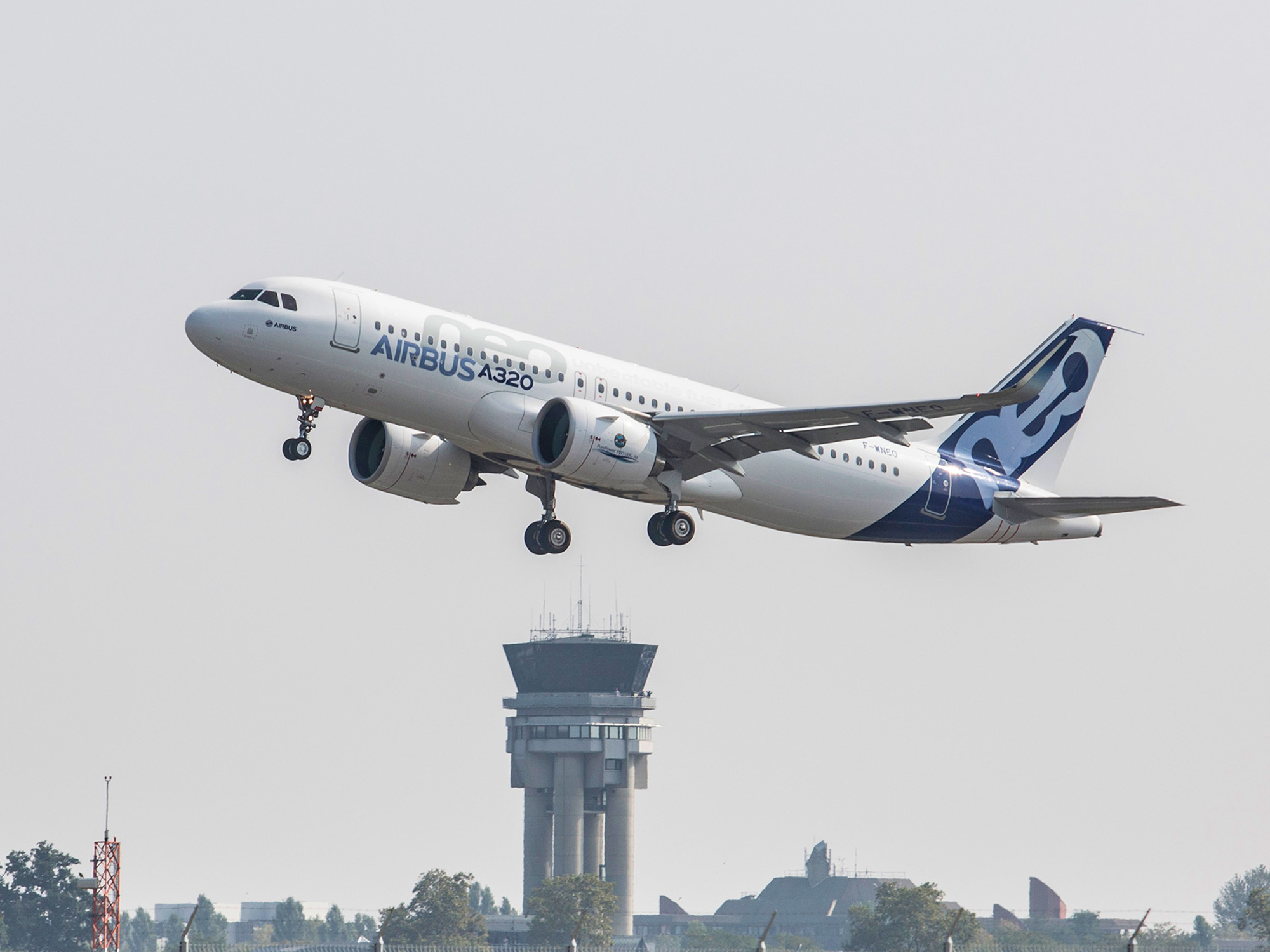
As of 2026, the market value for a new Airbus A320neo typically ranges between $49 million and $56 million, though theoretical list prices—if still published—would exceed $120 million. Actual transaction prices are heavily influenced by bulk order discounts, engine selection, and the persistent global backlog for narrowbody delivery slots.
The Airbus A320neo (New Engine Option) remains the cornerstone of modern short-to-medium-haul aviation. Since its entry into service, it has redefined the economics of narrowbody flight, offering a 20% reduction in fuel burn and CO2 emissions compared to previous generation aircraft. However, for airlines, lessors, and investors in 2026, "price" is a multifaceted concept that goes far beyond a simple sticker value. Understanding the cost of an A320neo requires a deep dive into the delta between list prices, current market values (CMV), and the escalating costs of the global aerospace supply chain.
The Discrepancy Between List Price and Market Value
Historically, Airbus published an annual price list. In 2018, the last year these figures were made public, the A320neo was listed at approximately $110.6 million. By 2026, applying standard escalation formulas (which account for labor and material inflation), a theoretical list price would likely sit between $130 million and $140 million.
However, in the aviation industry, almost no one pays the list price. Aircraft pricing is governed by the Current Market Value (CMV), which is the price a willing buyer pays a willing seller in an open market. For a new-build A320neo delivering in 2026, the actual price paid by an airline—often referred to as the "net price"—is usually 45% to 55% lower than the theoretical list price.
Several factors dictate this massive discount:
- Order Volume: A Tier-1 carrier ordering 100 aircraft (like IndiGo or United Airlines) will secure significantly deeper discounts than a boutique carrier ordering five units.
- Relationship Tenure: Long-standing Airbus customers often benefit from legacy pricing tiers or "loyalty" credits.
- Engine Selection: The choice between the CFM International LEAP-1A and the Pratt & Whitney PW1100G-JM (GTF) can alter the final invoice by several million dollars.
Core Factors Influencing the A320neo Price in 2026
While the airframe itself has a base cost, several technical and economic variables move the needle on the final market price.
1. Engine Choice and Maintenance Programs
The "neo" in A320neo stands for New Engine Option. In 2026, the choice of powerplant remains the most significant variable in the aircraft’s valuation.
- CFM LEAP-1A: Generally perceived as the more "stable" choice in terms of time-on-wing, these engines often command a slight premium in the secondary market because of their high reliability.
- Pratt & Whitney GTF: While offering slightly better fuel efficiency in certain profiles, historical durability issues (though largely resolved by 2026) have occasionally led to steeper discounts or more comprehensive "power-by-the-hour" maintenance agreements to offset perceived risk.
2. Maximum Takeoff Weight (MTOW) Variants
The A320neo is offered in several weight variants. A "high-gross-weight" version allows an airline to carry more fuel or passengers over longer distances. Purchasing the rights to operate at a higher MTOW involves a "paper upgrade" from Airbus, which adds to the purchase price but increases the aircraft’s versatility and resale value.
3. Cabin Configuration (LOPA)
The Layout of Passenger Accommodation (LOPA) can vary the price by millions. A low-cost carrier (LCC) configuration with 186 slimline seats and no in-flight entertainment (IFE) is significantly cheaper than a full-service carrier's configuration featuring 150 seats, premium lie-flat business class shells, and high-speed Ka-band satellite connectivity. In 2026, the integration of "Airspace by Airbus" interiors is standard, but premium lighting and customized galleys remain optional extras.
The 2026 Delivery Slot Crisis
In 2026, the price of an A320neo is driven as much by availability as by manufacturing costs. Airbus currently faces a backlog that stretches into the early 2030s. This has created a unique market dynamic:
- Early Delivery Premiums: If an airline or lessor holds a delivery slot for 2026 or 2027, that slot itself has intrinsic value. Some carriers "flip" these slots, selling their position in the queue for a profit.
- White Tails: Occasionally, an aircraft is manufactured but the original buyer cannot take delivery (due to financial distress). These "white tails" can sometimes be acquired at a discount for immediate cash, though in the high-demand environment of 2026, they usually sell at a premium because they offer immediate capacity.
Comparative Market Valuation Table (2026 Estimates)
The following table provides a comparison of the A320neo against its siblings and its primary competitor, the Boeing 737 MAX 8. All figures represent estimated Current Market Value (CMV) for new-build 2026 deliveries.
| Aircraft Model | Estimated Market Price (USD) | Passenger Capacity (Typical) | Range (nmi) | Primary Competition |
|---|---|---|---|---|
| Airbus A319neo | $42M – $47M | 120 – 150 | 3,750 | Boeing 737 MAX 7 |
| Airbus A320neo | $49M – $56M | 150 – 180 | 3,400 | Boeing 737 MAX 8 |
| Airbus A321neo | $58M – $66M | 180 – 220 | 4,000 | Boeing 737 MAX 10 |
| Boeing 737 MAX 8 | $48M – $54M | 160 – 189 | 3,550 | Airbus A320neo |
Note: Prices are estimates based on aggregated appraisal data and may vary by ±10% based on specific airline configurations.
Leasing: The Monthly Price of an A320neo
Most airlines do not buy aircraft outright; they lease them. In 2026, the lease market for the A320neo is exceptionally tight.
- New Aircraft Lease Rates: A brand new A320neo in 2026 commands a monthly lease rate of approximately $330,000 to $390,000.
- Factors Influencing Rates: Interest rates (specifically the SOFR - Secured Overnight Financing Rate) play a massive role. If global interest rates remain elevated in 2026, lease rates will stay at the higher end of this bracket.
- Maintenance Reserves: Beyond the monthly rent, lessees must pay "maintenance reserves" (often called "check payments") to cover future heavy maintenance events, such as engine shop visits and C-checks.
The Impact of Inflation and Supply Chain Constraints
By 2026, the aerospace industry has had to reconcile with several years of high inflation and labor shortages. Titanium pricing, energy costs in European manufacturing plants, and a scarcity of skilled technicians have forced Airbus to apply annual "price escalations."
Even for airlines with existing contracts, the "Final Delivery Price" is adjusted using a formula that includes:
- Consumer Price Index (CPI): Reflecting the cost of goods.
- Labor Indices: Reflecting the increasing cost of aerospace engineering and assembly labor in France, Germany, and China.
- Material Surcharges: Specific adjustments for the price of advanced composites and aluminum alloys.
This means an A320neo ordered in 2021 for delivery in 2026 likely costs the airline 10-15% more than originally projected due to these contractual escalation clauses.
Secondary Market and Residual Value
The A320neo is currently viewed as a "liquid asset." In aviation finance, liquidity refers to how easily an aircraft can be moved from one operator to another. Because hundreds of airlines operate the A320 family, the residual value (resale value) of a neo remains high.
A five-year-old A320neo in 2026 (built in 2021) still holds a significant portion of its value, likely trading in the $38 million to $42 million range. Investors prefer the A320neo because its fuel efficiency makes it "future-proof" against rising carbon taxes and environmental regulations that are becoming more stringent in 2026.
Frequently Asked Questions
Why doesn't Airbus publish official prices anymore?
Airbus ceased publishing list prices in 2018 because they no longer reflected the reality of the market. Every deal is now highly customized and confidential. Publishing a "standard" price was seen as counterproductive when transaction prices varied so wildly based on customer profile and market conditions.
Is the A320neo more expensive than the Boeing 737 MAX?
Generally, the A320neo commands a slight price premium (approx. 2-5%) over the Boeing 737 MAX 8. This is often attributed to the A320's wider cabin cross-section, which is popular with passengers and allows for standard LD3 cargo containers in the hold (with the appropriate cargo loading system), a feature the 737 lacks.
How much do the engines alone cost?
A pair of new LEAP-1A or PW1100G engines in 2026 has a market value of roughly $24 million to $28 million. This means the engines represent nearly 50% of the total value of the aircraft. This high engine-to-airframe value ratio is a hallmark of the "neo" and "MAX" generations.
What is the "Blue Book" for aircraft pricing?
There isn't just one. Professionals use appraisal services such as AVITAS, Ascend (by Cirium), or MBA Aviation. these organizations provide "Base Value" and "Market Value" reports that lenders use to determine how much money they are willing to provide for an aircraft mortgage.
How does the A321neo price compare?
The A321neo, the larger sibling of the A320neo, is currently the most in-demand narrowbody in the world. Its market price is roughly $10 million higher than the A320neo. Because of its superior per-seat economics, many airlines are up-gauging their orders from the A320neo to the A321neo, further tightening the supply of the smaller variant.
Final Recommendation for Buyers and Investors
If you are looking to acquire an Airbus A320neo in the 2026 market, the primary challenge is not the capital, but the timing. With the manufacturer sold out for years, your best path to acquisition is through a Sale-and-Leaseback (SLB) transaction with a major lessor or by seeking out secondary market hulls from airlines undergoing fleet renewal.
Prospective owners should prioritize aircraft with "clean" maintenance records and engines with high cycles remaining. In a high-demand environment, the "price" is secondary to the "availability" and the "technical status" of the asset. Ensure that any purchase agreement includes a robust escalation cap to protect against further inflationary spikes before delivery.