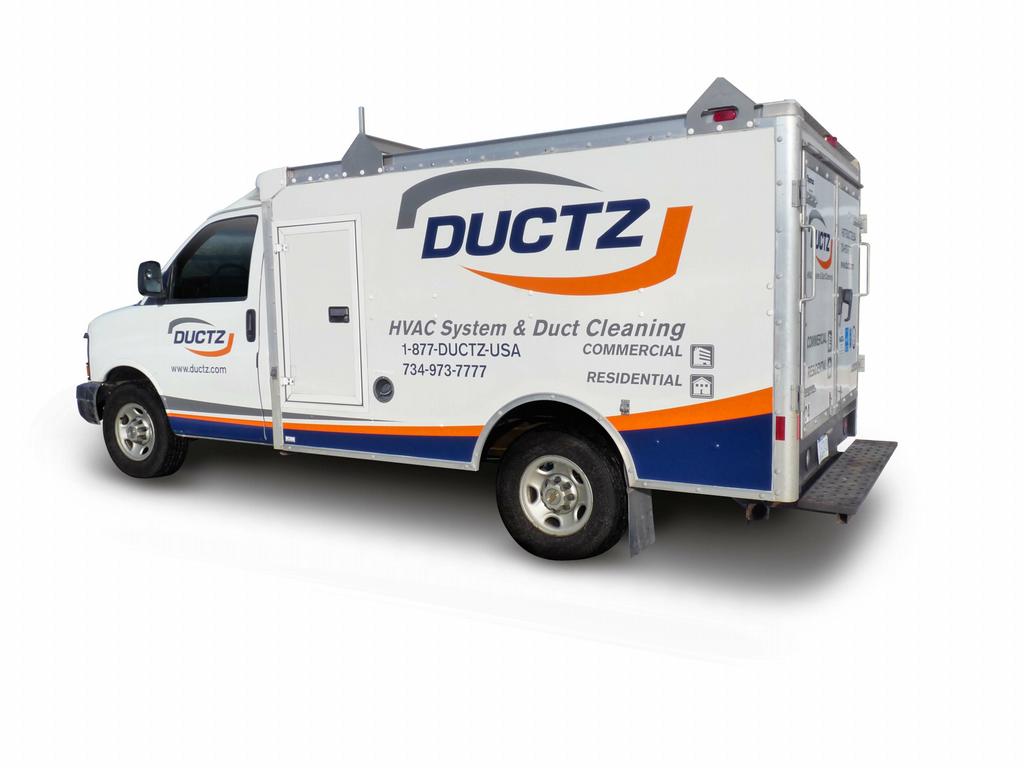
Air duct cleaning in Grand Rapids involves the comprehensive removal of dust, allergens, and microbial growth from a home’s HVAC system. As of 2026, this service is essential for maintaining indoor air quality and system efficiency in West Michigan’s humid climate. Professional cleaning ensures that furnace and air conditioning components operate without restrictive debris.
Why Grand Rapids Homeowners Prioritize Duct Cleaning in 2026
Grand Rapids experiences a significant range of seasonal weather patterns, from Lake Michigan-influenced humidity in the summer to bone-dry, sub-zero temperatures in the winter. This environmental cycle places a unique strain on local residential HVAC systems. In 2026, air duct cleaning has moved beyond a luxury service to a core component of home maintenance for several localized reasons.
The Impact of West Michigan Pollen and Mold
West Michigan is known for high pollen counts during the spring and summer months. Species such as oak, maple, and ragweed are prevalent throughout Kent County. When these allergens enter a home, they settle within the ductwork. If the system is not cleaned periodically, the HVAC unit recirculates these particles every time the blower motor engages.
Furthermore, the high humidity levels typical of Grand Rapids summers can lead to moisture accumulation within the ductwork, especially if there are leaks or poor insulation in unconditioned spaces like crawlspaces or attics. This moisture, combined with organic dust, provides a breeding ground for mold and mildew. Professional air duct cleaning in Grand Rapids focuses heavily on identifying these biological growth risks and remediating them before they impact the health of the occupants.
Historic Homes and Construction Debris
Grand Rapids is home to diverse architectural styles, from the historic Victorian structures in Heritage Hill to the mid-century modern homes in East Grand Rapids and newer developments in Ada and Cascade. Each presents different challenges:
- Historic Properties: Older homes often have oversized "gravity" ducts or retrofitted systems that have accumulated decades of debris, including coal dust from original heating sources.
- Newer Construction: Homes built during the recent expansion of the Grand Rapids suburbs often contain significant amounts of construction debris. Drywall dust, wood shavings, and carpet fibers frequently find their way into the return air vents during the building process, leading to premature filter clogs and mechanical wear.
The Technical Process: How Professional Source Removal Works
Not all "cleanings" are equal. In 2026, the industry standard for air duct cleaning in Grand Rapids is Source Removal, as defined by the National Air Duct Cleaners Association (NADCA). This method relies on a combination of mechanical agitation and high-volume vacuum suction to ensure that contaminants are physically extracted from the home rather than simply shifted around.
Step 1: System Inspection and Assessment
Before any equipment is powered on, a technician should perform a visual inspection of the air handler and the duct runs. High-quality services in Grand Rapids now utilize remote camera systems to show homeowners the specific areas of buildup. This stage identifies whether the ducts are made of galvanized sheet metal, fiberglass duct board, or flexible "flex" duct, as each requires a different agitation tool to prevent damage.
Step 2: Establishing Negative Pressure
The most critical phase involves connecting a high-powered vacuum—typically a truck-mounted unit or a high-efficiency particulate air (HEPA) portable vacuum—to the main trunk line. The technician seals off all individual supply and return registers. When the vacuum is turned on, it creates a "negative pressure" environment within the entire duct system. This ensures that any dust dislodged during the cleaning process is pulled directly into the vacuum's containment system rather than escaping into the living area.
Step 3: Mechanical Agitation
While the system is under negative pressure, the technician visits each vent. They use specialized tools such as air whips, motorized brushes, or "skipper balls" to scrub the interior walls of the ducts. The goal is to break the bond between the dust and the duct surface. In the Grand Rapids market, where many homes have complex, multi-level ducting, this step is labor-intensive and requires thoroughness to be effective.
Step 4: Cleaning the Air Handling Unit
The cleaning is incomplete if the furnace or air handler components remain dirty. Technicians must clean the blower motor, the housing, and the evaporator coil (the part of the AC system that sits above the furnace). A dirty evaporator coil can reduce heat exchange efficiency by up to 30%, leading to higher utility bills during the peak of the West Michigan summer.
| Feature | Standard "Blow-and-Go" Cleaning | Professional Source Removal (NADCA Standard) |
|---|---|---|
| Equipment | Shop-vac or light portable vacuum | Truck-mounted vacuum or HEPA-filtered unit |
| Pressure | Positive pressure (blowing air out) | Negative pressure (sucking air in) |
| Agitation | Minimal or none | Mechanical brushes, whips, and air tools |
| Coil Cleaning | Often ignored | Included in comprehensive service |
| Verification | None | Post-cleaning visual or camera inspection |
| Time Spent | 45–90 minutes | 3–5 hours for an average home |
Health and Efficiency Benefits for Kent County Residents
The decision to invest in air duct cleaning in Grand Rapids is often driven by two factors: respiratory health and financial savings.
Improving Indoor Air Quality (IAQ)
According to the Environmental Protection Agency (EPA), indoor air can be significantly more polluted than outdoor air. For residents in the Grand Rapids area who suffer from asthma or seasonal allergies, the ductwork can act as a reservoir for triggers. By removing the source of these irritants, homeowners often report a noticeable reduction in sneezing, coughing, and sinus pressure while indoors.
Enhancing HVAC Longevity and Performance
Dust is the primary enemy of mechanical HVAC components. When dust builds up on the blower fan, it creates an imbalance that can lead to motor failure. When it coats the heat exchanger or cooling coils, the system must run longer cycles to reach the desired thermostat setting. Given the rising energy costs in Michigan in 2026, maintaining a clean system is a direct strategy for lowering monthly overhead. A clean system also reduces the "burning dust" smell often experienced by Grand Rapids residents when they turn on their furnaces for the first time in October.
Understanding the Cost of Duct Cleaning in Grand Rapids
In 2026, pricing for air duct cleaning in the West Michigan region is generally standardized based on the size of the home and the number of HVAC systems.
Pricing Models
Most reputable contractors in Grand Rapids use one of two pricing structures:
- Flat Rate per System: A set fee for a single furnace and a specific number of vents (e.g., up to 15 vents), with an additional charge for each vent beyond that.
- Square Footage Model: A price based on the total heated square footage of the home, which accounts for the likely volume of ductwork.
As of 2026, homeowners should expect to pay between $450 and $850 for a professional, high-quality cleaning of a 2,000-square-foot home. If a quote is significantly lower (e.g., the "Whole House for $99" offers often seen on social media), it is likely a scam or a "lead generation" tactic where the price will inflate drastically once the technician is inside the home.
Factors that Increase Cost
- Access Issues: Ducts located in tight crawlspaces or high vaulted ceilings may require more labor.
- Sanitization Treatments: The application of EPA-registered antimicrobial coatings to kill mold or bacteria is usually an add-on service.
- Heavy Contamination: Homes previously occupied by heavy smokers or those undergoing major renovations may require extra time and specialized odor-neutralizing treatments.
How to Choose a Qualified Grand Rapids Contractor
With several dozen companies offering air duct cleaning in Grand Rapids, homeowners must perform due diligence to ensure they receive a professional result.
Verification Checklist
- NADCA Certification: Ensure the company has at least one Air Systems Cleaning Specialist (ASCS) on staff. You can verify this on the NADCA website.
- Local Licensing and Insurance: The contractor should carry general liability insurance and workers' compensation. This protects the homeowner in the event of accidental damage to the HVAC system or injury on the property.
- Transparent Estimates: A reputable company will provide a written estimate that includes all vents, trunk lines, and the air handler. Avoid companies that refuse to give a firm price before starting.
- Reviews and Reputation: Look for companies with a long-standing presence in West Michigan. Local longevity often indicates a commitment to customer service and honest pricing.
Common Myths vs. Realities
Myth: Air duct cleaning is a scam and provides no benefit.Reality: While there are many "scam" operators in the industry, legitimate source-removal cleaning is a recognized part of HVAC maintenance. The benefits are most pronounced in homes with pets, smokers, recent construction, or residents with allergies.
Myth: You should clean your ducts every single year.Reality: For most Grand Rapids homes, a thorough cleaning every 3 to 5 years is sufficient. However, if you have pets that shed excessively or if you have recently completed a home remodel, more frequent cleanings may be beneficial.
Myth: Sprinkling scents or "deodorizers" in the vents is the same as cleaning.Reality: Scented powders or sprays only mask odors. They do nothing to remove the physical debris that causes the smell. In fact, some sprays can add moisture to the dust, potentially encouraging microbial growth.
Maintenance Tips to Keep Ducts Clean Longer
Once a professional cleaning is completed, Grand Rapids homeowners can take several steps to extend the life of the results:
- Use High-Quality Filters: Switch to a pleated filter with a MERV (Minimum Efficiency Reporting Value) rating of 8 to 11. These trap more particles than cheap fiberglass filters without overly restricting airflow.
- Seal Leaky Ducts: Use mastic sealant or foil tape on visible joints in the basement or attic to prevent dust from being sucked into the system from unconditioned spaces.
- Groom Pets Regularly: Frequent brushing of dogs and cats reduces the amount of dander and fur that enters the return air vents.
- Dust and Vacuum Weekly: Reducing the overall dust load in the living space directly impacts the amount of debris that ends up in the HVAC system.
- Schedule Annual HVAC Tune-ups: A technician can catch minor issues, like a failing filter rack or a damp evaporator coil, before they lead to major duct contamination.
Frequently Asked Questions
How long does a professional air duct cleaning take?
For a standard single-family home in Grand Rapids (approx. 1,800 to 2,400 square feet), a professional two-person crew will typically take 3 to 5 hours. This time allows for proper setup, systematic agitation of every vent, and a thorough cleaning of the furnace components. If a company claims they can finish in under an hour, they are likely skipping essential steps.
Will the cleaning process create a mess in my house?
A professional service using high-volume negative pressure should leave your home as clean as they found it. By sealing the vents and using HEPA-filtered vacuums, the dust is contained within the equipment. Reputable Grand Rapids contractors will also use drop cloths and corner guards to protect your flooring and walls.
Can air duct cleaning help with strange odors?
Yes. If there is a "musty" or "stale" smell when the heat or air conditioning turns on, it often indicates buildup in the ducts or on the cooling coils. Removing the organic debris and applying an EPA-approved sanitizer can significantly improve the scent of the indoor air. However, if the odor is caused by a gas leak or a dead animal, those require specific mechanical repairs or pest control services.
Is it necessary to clean the dryer vent at the same time?
While not strictly part of the HVAC system, most air duct cleaning companies in Grand Rapids offer dryer vent cleaning as a combined service. It is highly recommended. Clogged dryer vents are a leading cause of house fires and significantly increase energy consumption. Cleaning them annually or biennially is a standard safety practice in 2026.
Does air duct cleaning prevent mold?
Cleaning removes the dust and organic material that mold uses as a food source. It also removes existing mold spores. However, cleaning alone will not prevent mold from returning if there is an underlying moisture problem, such as a leaking pipe or high basement humidity. It is important to address any humidity issues alongside the cleaning.
Conclusion and Next Actions
Maintaining the air quality of your Grand Rapids home requires a proactive approach to HVAC hygiene. In 2026, the combination of regional allergens and the demand for energy efficiency makes professional air duct cleaning a valuable investment. To proceed, homeowners should begin by identifying a NADCA-certified contractor, requesting a transparent quote, and scheduling an inspection to assess the current state of their ductwork. By focusing on source removal and high-quality filtration, you can ensure a healthier and more efficient home environment for years to come.