The Aid and Attendance (A&A) benefit is a vital, tax-free monetary supplement provided by the Department of Veterans Affairs (VA) to eligible veterans and surviving spouses who require regular assistance with daily activities. Despite its importance, widespread misinformation regarding eligibility, asset thresholds, and the application process often prevents qualified individuals from receiving the support they deserve. Clarifying these misconceptions is essential for veterans and their families to make informed decisions about long-term care and financial planning.
Understanding the Core Purpose of Aid and Attendance
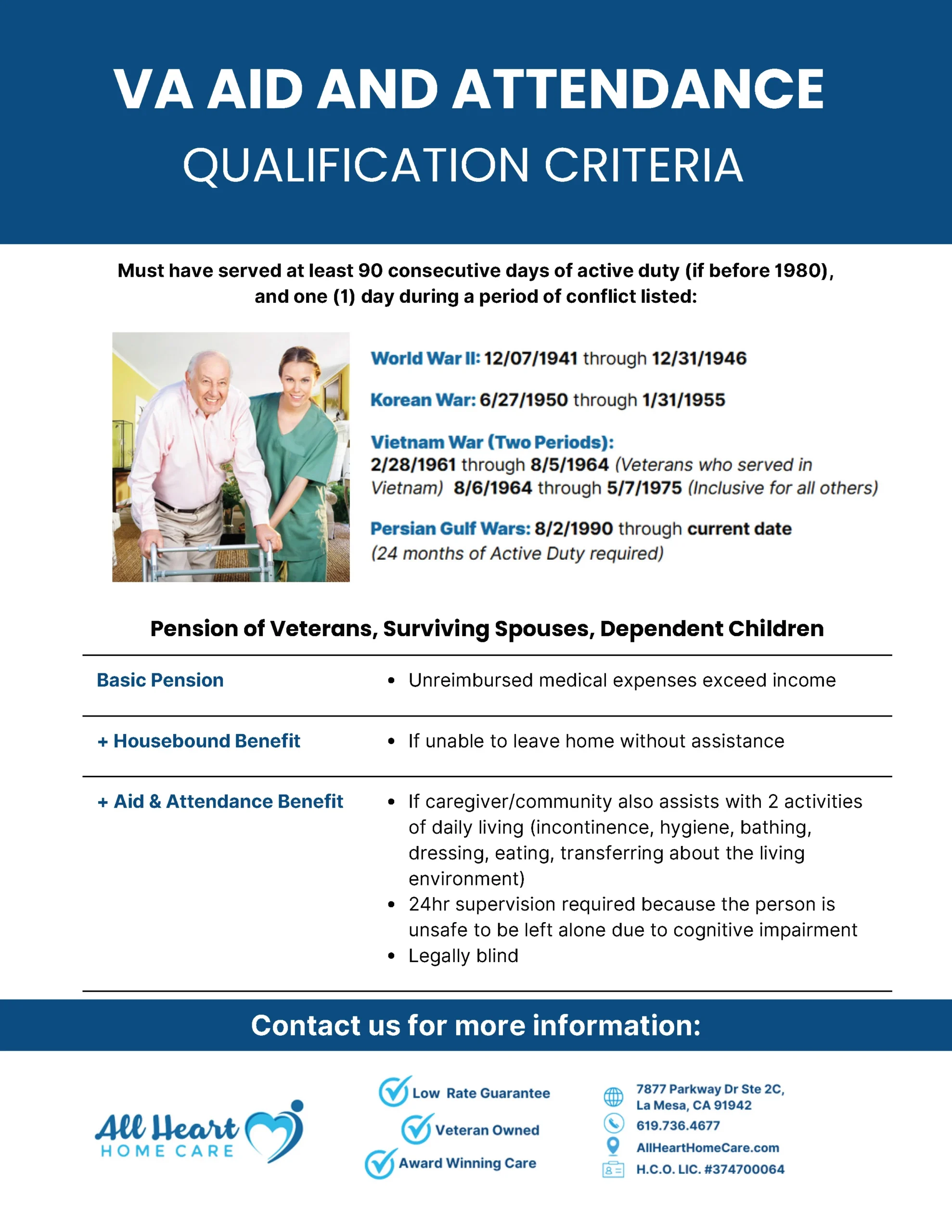
The Aid and Attendance benefit is not a standalone pension but rather an increase to the basic VA pension. It is designed to assist those who are housebound or require the regular aid and attendance of another person to perform personal functions required in everyday living. This includes tasks such as bathing, dressing, feeding, adjusting prosthetic devices, or attending to the protections against the hazards of daily living.
It is important to recognize that A&A is "needs-based." Unlike disability compensation, which is based on service-connected injuries or illnesses, A&A is restricted by income and net-worth limitations. Understanding this fundamental distinction is the first step in avoiding the common pitfalls that lead to application denials.
Myth 1: You Must Have a Service-Connected Disability
A prevailing myth is that Aid and Attendance is only available to veterans who suffered injuries during active duty. This is incorrect. Aid and Attendance is an "improved pension" program, meaning it is available to wartime veterans who meet specific age or disability requirements, regardless of whether their need for care is related to their military service.
The primary requirement is that the veteran must have served at least 90 days of active duty, with at least one day during a period of war as defined by the VA. The veteran must also be age 65 or older, or permanently and totally disabled, or a patient in a nursing home receiving skilled nursing care. For surviving spouses, the marital relationship to the veteran at the time of death is a primary factor, provided they have not remarried.
Myth 2: Asset Thresholds Are Fixed and Universal
Many applicants assume there is a strict, unchanging dollar amount that disqualifies a veteran from receiving A&A. While the VA implemented a look-back period and a net-worth limit in 2018, the calculation is more nuanced than a simple bank balance check.
As of 2026, the VA applies a net-worth limit that is tied to the maximum amount of Community Spouse Resource Allowance (CSRA) allowed under Medicaid rules. This limit is adjusted annually for inflation. "Net worth" includes both the veteran's annual income and their assets (excluding their primary residence and personal effects).
A critical reality is the three-year look-back period. If an applicant transfers assets for less than fair market value during the three years preceding the application, the VA may impose a penalty period, during which the applicant is ineligible for benefits. This rule was established to prevent the "impoverishment" of applicants solely to qualify for the pension.
Myth 3: You Cannot Qualify If You Own a Home
There is a pervasive fear that owning a home automatically disqualifies a veteran from receiving pension benefits. In reality, the VA excludes the veteran's primary residence—including a reasonable lot size—from the net-worth calculation.
However, this does not apply to vacation homes, rental properties, or secondary land. If a veteran owns multiple properties, those additional assets are counted toward the net-worth limit. It is vital to report property assets accurately to avoid accusations of fraud or misrepresentation, which can lead to permanent benefit denial or legal repercussions.
Myth 4: Only Veterans in Nursing Homes Are Eligible
Many believe that the "Attendance" portion of the benefit is exclusive to those residing in high-cost skilled nursing facilities. This is false. A&A is available to veterans living at home, in assisted living facilities, or in retirement communities, provided they meet the clinical criteria.
The clinical threshold for A&A is defined by the inability to perform the activities of daily living (ADLs) or the requirement for protection due to mental health conditions. If a veteran is residing in an assisted living facility, the facility must provide care that meets the VA’s standards for "regular aid and attendance." Providing proof of this care—usually through a statement from a physician—is mandatory.
Myth 5: The Application Process Is Fast and Simple
Some third-party "pension poachers" suggest that applying for Aid and Attendance is a quick, streamlined process that guarantees approval. This is dangerously misleading. The VA application process is notoriously rigorous, often involving back-and-forth documentation requests that can span several months.
Applicants must submit proof of military service, marriage certificates, death certificates (for spouses), comprehensive financial statements, and medical evaluations. Errors in these documents or failure to account for all income sources often result in a denial or significant delays. Utilizing accredited Veterans Service Officers (VSOs) or VA-accredited attorneys is the recommended approach to ensure the application is complete and legally compliant.
Comparative Overview of Benefit Requirements
| Requirement | Description | Impact on Eligibility |
|---|---|---|
| Wartime Service | At least 90 days active duty, 1 day during war. | Essential prerequisite. |
| Medical Necessity | Documented need for assistance with ADLs. | Mandatory for A&A increase. |
| Net Worth | Income + Assets (excluding primary home). | Must be below current annual limit. |
| Look-back Period | 3 years for asset transfers/divestment. | May create a penalty period. |
| Marriage Status | Surviving spouse must have been married at time of death. | Affects spouse eligibility. |
Addressing the Role of "Pension Poachers"
A critical warning for all applicants involves entities that charge exorbitant fees to "help" veterans apply for benefits. By law, it is illegal for an individual or company to charge a fee for initial assistance with a VA claim. Only individuals who are properly accredited by the VA can legally represent a veteran, and there are strict limitations on the fees they can charge.
If an entity promises "guaranteed approval" or suggests moving assets into complex trusts to hide money from the VA, exercise extreme caution. These strategies often violate the look-back period rules and can leave the veteran in a worse financial and legal position than when they started.
Frequently Asked Questions
Is the Aid and Attendance benefit tax-free?
Yes. Aid and Attendance payments are considered a pension supplement by the federal government and are not subject to federal or state income tax. They are also generally excluded from assets when determining eligibility for other government programs like Medicaid, though this can vary by state.
Can I receive A&A and Social Security at the same time?
Yes. The VA does not penalize veterans for receiving Social Security benefits. However, the Social Security income is counted as "annual income" for the purpose of calculating the VA pension and will be subtracted from the maximum allowable pension amount.
What if my medical condition improves?
The VA requires that you report any change in status that could affect your eligibility. If your condition improves to the point where you no longer require regular aid and attendance, you must notify the VA. Failure to report such changes can result in an overpayment, which the government will require you to pay back.
Do I need to be "broke" to qualify?
No. You do not need to be destitute to qualify. The program is designed to help those whose assets and income are not sufficient to cover the costs of the care they need. You can have a reasonable amount of net worth and still qualify for a partial pension if your unreimbursed medical expenses are high enough.
Can a surviving spouse qualify on their own?
Yes. A surviving spouse of a wartime veteran can qualify for the A&A portion of the Survivors Pension. The eligibility requirements regarding the veteran’s service and the spouse's medical needs remain largely the same, but the income and asset thresholds are adjusted for a single survivor.
Next Steps for Eligible Veterans
If you believe you or a loved one qualifies for the Aid and Attendance benefit, the first step is to gather your documentation. Start by requesting a copy of your DD-214 (Certificate of Release or Discharge from Active Duty). Next, obtain a formal evaluation from a physician detailing the specific need for assistance with daily activities.
Avoid the temptation to use "DIY" online application templates. Instead, reach out to an accredited Veterans Service Officer through the VA website or your local county veterans office. These services are provided free of charge and are the most reliable way to navigate the complexities of the system. Ensuring your application is thorough, accurate, and submitted with the correct supporting evidence is the most effective way to secure the support you have earned through your service.