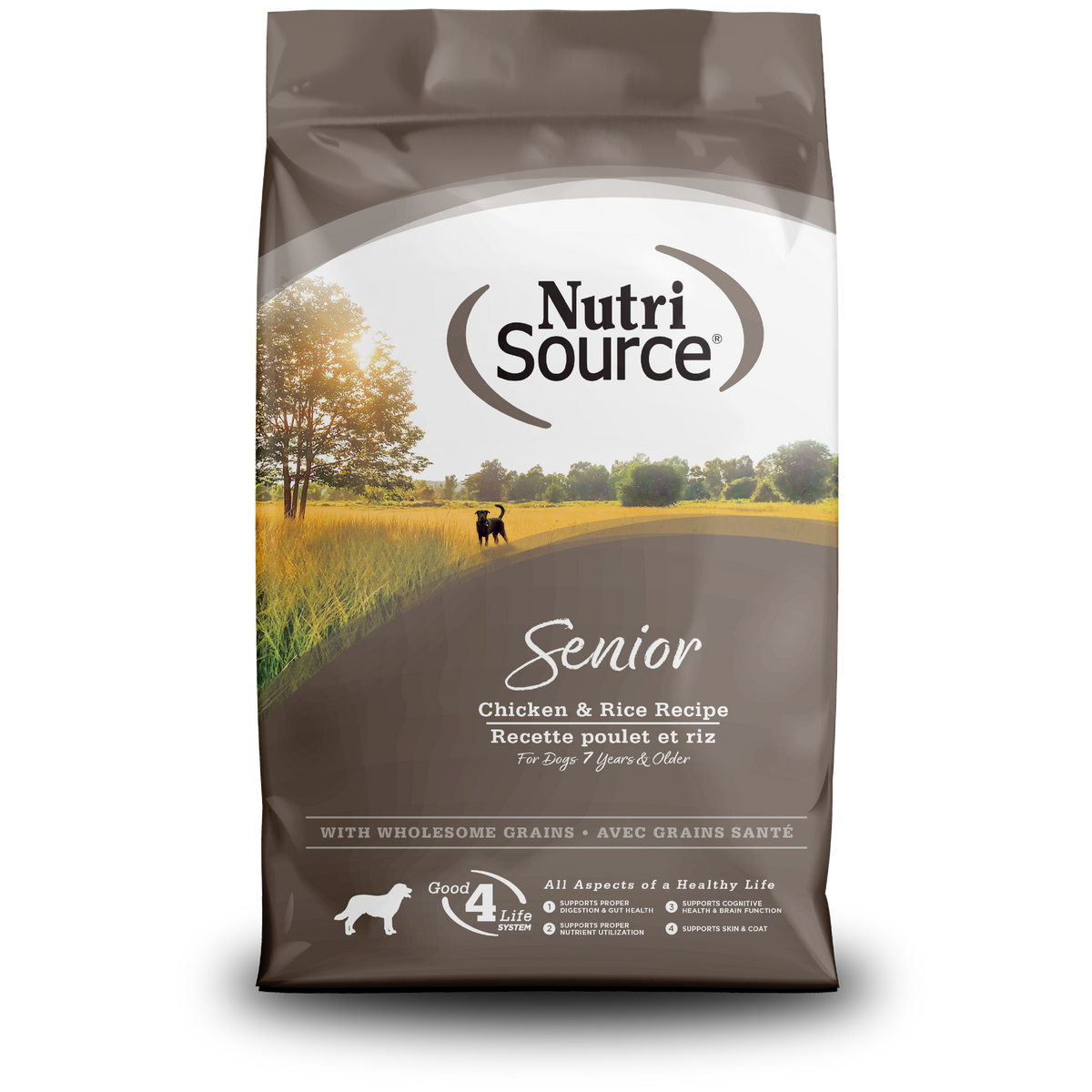
Finding high-quality, affordable senior dog food in 2026 requires balancing strict nutritional requirements with budgetary constraints. As dogs age, their metabolic rates slow and their susceptibility to joint, dental, and digestive issues increases, necessitating a diet that supports these specific physiological changes without the premium price tag often associated with specialized veterinary formulas.
Understanding the Nutritional Requirements of Senior Dogs
Senior dogs do not have a uniform age definition, but generally, dogs are considered seniors when they reach the last 25% of their expected lifespan. For most breeds, this begins around age seven. At this stage, a dog’s nutritional needs shift toward preserving lean muscle mass, supporting joint health, and managing weight to prevent systemic stress on aging organs.
The primary requirement for an affordable senior diet is controlled caloric density. Because older dogs are typically less active, they require fewer calories to maintain a healthy body condition score. Feeding a standard adult maintenance diet often leads to obesity in senior pets, which can exacerbate osteoarthritis and cardiovascular issues. Look for formulas labeled for "senior" or "mature" dogs that offer a reduced fat content compared to "all life stages" or "puppy" formulations.
Protein quality remains critical, even if the quantity requires adjustment. While older dogs need high-quality protein to maintain muscle, the kidneys must be able to process the byproducts of protein metabolism. Affordable options often replace premium animal proteins with plant-based alternatives; ensure that the product still lists a named animal protein (like chicken, turkey, or beef) as the first ingredient to guarantee essential amino acid profiles.
Evaluating Value: How to Identify Cost-Effective Nutrition
Value in pet food is not determined by the price per bag, but by the price per calorie and the bioavailability of the ingredients. A large, inexpensive bag might seem affordable, but if the caloric density is low or the digestibility is poor, you will need to feed significantly more volume, leading to higher long-term costs and increased waste.
The Role of Ingredient Labels
When assessing a budget-friendly brand, focus on the AAFCO (Association of American Food Control Officials) statement. This statement confirms that the food meets the nutritional standards for a specific life stage. Ensure the package indicates it is complete and balanced for the maintenance of adult dogs.
Avoid "generic" store brands that fail to provide detailed information about their manufacturing processes or nutritional testing. Instead, look for established mid-tier manufacturers that prioritize transparency. These companies often keep costs low by limiting expensive marketing campaigns and focusing on core nutritional science, rather than utilizing high-cost marketing-driven additives.
Comparing Affordable Feeding Strategies
Choosing the right type of food depends on your dog’s specific health needs and your household budget. The following table compares common options available in 2026.
| Food Type | Pros | Cons | Cost Factor |
|---|---|---|---|
| Dry Kibble (Large Bag) | Shelf-stable, economical, easy to portion. | Lower moisture, may require supplements for joints. | Lowest cost per meal. |
| Wet/Canned Mix-ins | High palatability, increases hydration. | Higher price point, spoils quickly once opened. | High cost for 100% feeding. |
| Private Label/Store Brand | Competitive pricing, accessible. | Varying quality, less transparency. | Very low cost. |
| Subscription Delivery | Convenience, potential bulk savings. | Requires upfront commitment. | Variable. |
Managing Joint Health and Digestion on a Budget
Many premium senior foods include high-cost additives like glucosamine and chondroitin for joint support or probiotics for digestion. If your budget does not allow for these premium foods, you can achieve similar results by supplementing a basic, affordable kibble with targeted additives.
Purchasing a reputable joint supplement separately often costs less over time than upgrading to an expensive "joint health" specific dog food. Consult your veterinarian before adding supplements, as they can help you determine the correct dosage based on your dog’s weight and severity of mobility issues. Similarly, if your senior dog suffers from mild digestive sensitivity, a simple addition of plain, canned pumpkin (not pie filling) or a small amount of low-fat plain yogurt can provide fiber and probiotics without the price hike of "sensitive stomach" formulas.
Common Mistakes to Avoid When Switching Foods
Transitions are often the most overlooked aspect of senior nutrition. Older dogs have more sensitive digestive systems than younger adults, and sudden shifts in diet can cause severe gastrointestinal upset, including vomiting or diarrhea.
- The Cold Turkey Approach: Always transition your dog over a period of 7 to 10 days. Start by replacing 25% of the old food with the new, gradually increasing the ratio until you reach 100%.
- Over-supplementing: Do not add multiple supplements without veterinary guidance. Some minerals, if provided in excess, can interfere with the absorption of others or create toxicity risks.
- Ignoring Weight Trends: Seniors have lower margins for error regarding body weight. Weigh your dog at the start of any dietary change and monitor their weight bi-weekly to ensure the new, more affordable food is providing the correct energy balance.
- Prioritizing Fillers: Avoid foods that list "corn gluten meal" or "wheat middlings" as primary protein sources. While these reduce costs, they often lack the amino acid profile required to maintain muscle mass in aging dogs.
Frequently Asked Questions
Is it safe to feed a senior dog standard adult maintenance food?
It can be safe, provided the calorie content is appropriate for your dog’s activity level. Many adult maintenance foods are nutritionally sufficient for seniors, but they often lack the specific joint-health inclusions. You must monitor your dog’s weight strictly, as adult food may be higher in calories than what an inactive senior requires.
Do I need to buy "Senior" labeled food specifically?
Not necessarily. While "senior" labels are designed to meet general needs—such as lower calories and added joint support—you can achieve the same outcome by selecting a high-quality adult food and adjusting the portion size or adding specific supplements. The "senior" label is often a marketing tool rather than a strict regulatory requirement.
How can I make affordable food more appealing to a picky eater?
As dogs age, their sense of smell and taste can diminish. If you choose an affordable dry kibble that your dog finds unappealing, try adding warm water or a small amount of low-sodium chicken broth (ensure no onion or garlic is included, as these are toxic). This rehydrates the food and enhances the aroma, making it more palatable without adding significant costs.
Are store-brand dog foods reputable?
Many major retailers in 2026 have invested heavily in their own pet food lines, often utilizing the same manufacturing plants as major national brands. Check the packaging for an AAFCO statement and a customer service number. If the company provides clear, reachable contact information and can verify their quality control testing, the brand is likely safe.
When should I consult a veterinarian about my dog's diet?
You should consult a veterinarian whenever you plan to change a dog’s diet, especially if they have pre-existing conditions like kidney disease, diabetes, or severe allergies. These conditions require therapeutic diets that cannot be substituted with standard affordable commercial dog food.
Final Recommendations for Senior Dog Care
Start by calculating your dog’s current daily caloric intake. If your dog is maintaining a healthy weight, look for an affordable, high-quality dry kibble with similar caloric density. If your dog is overweight, select a formula with a slightly lower fat percentage. Always prioritize consistency over brand names, and if you choose a budget-friendly option, consider investing the money saved into a quality, vet-recommended joint supplement. By focusing on the nutritional baseline rather than marketing claims, you can provide effective, affordable care for your senior companion through their later years.