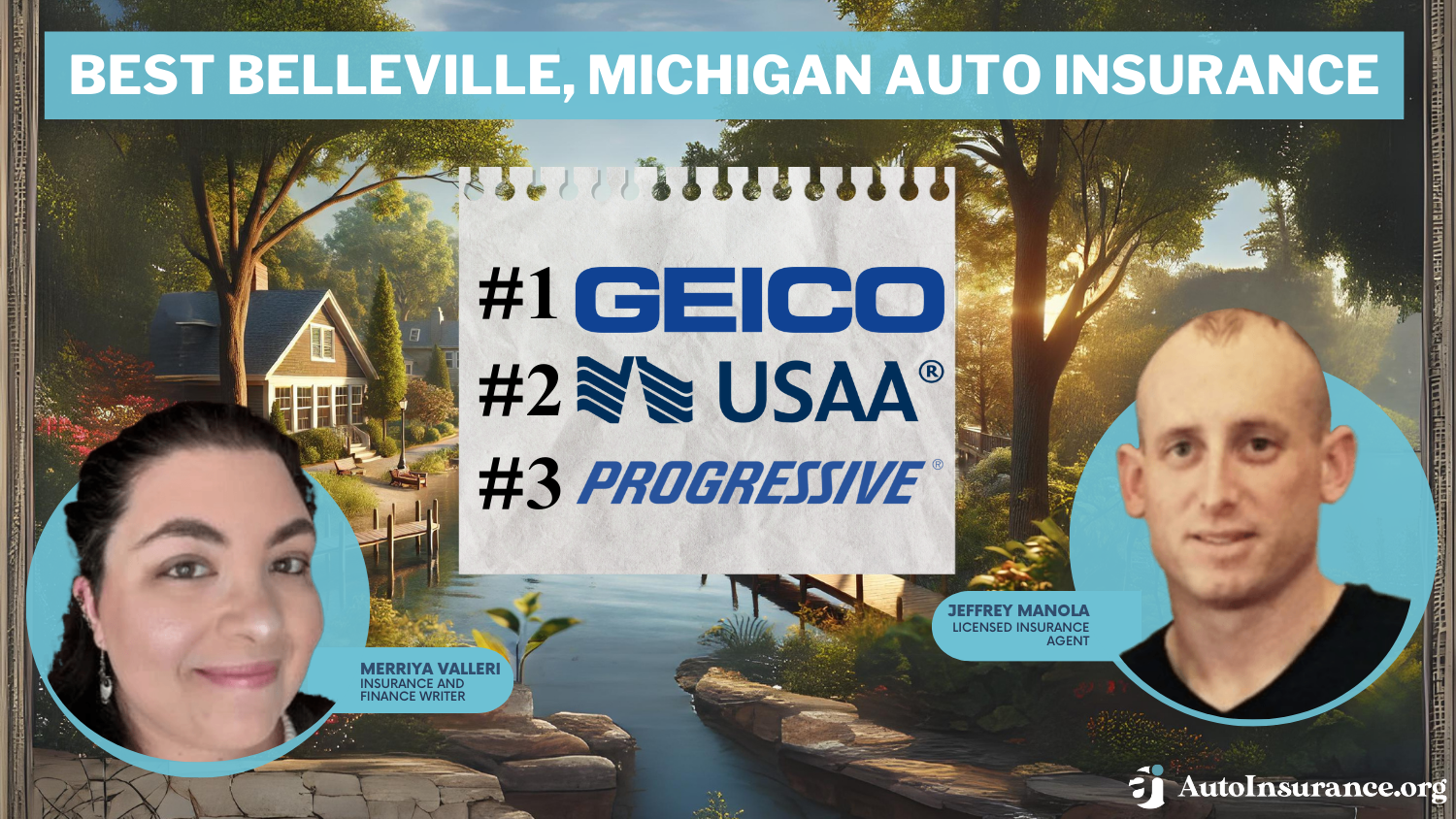
Securing affordable auto insurance in Michigan requires balancing the state’s unique “no-fault” insurance requirements with an understanding of individual coverage options. By selecting appropriate Personal Injury Protection (PIP) levels, leveraging available discounts, and maintaining a clean driving record, Michigan drivers can manage costs effectively while remaining fully compliant with state regulations.
Understanding the Michigan No-Fault Insurance System
Michigan operates under a mandatory no-fault insurance system, which significantly influences how premiums are calculated. Unlike tort states where liability is the primary driver of cost, the Michigan system is designed to provide comprehensive medical coverage to anyone injured in an auto accident, regardless of who caused the collision.
The core of this system is Personal Injury Protection (PIP) coverage. As of the current 2026 regulations, Michigan law requires all drivers to carry specific coverages to legally operate a vehicle on public roads. The mandatory components include:
- Personal Injury Protection (PIP): Covers medical expenses for injuries sustained in an accident.
- Property Protection Insurance (PPI): Covers damage your vehicle causes to others' property, such as fences, buildings, or other stationary objects.
- Bodily Injury and Property Damage Liability (BI/PD): Covers legal liability if you are sued for an accident involving death, serious injury, or property damage in another state or specific conditions within Michigan.
The shift toward affordability in recent years stems from the reform that allows drivers to choose different levels of PIP coverage. Previously, all drivers were required to carry unlimited medical coverage, which was a significant factor in Michigan's high insurance costs. Today, drivers may choose from several tiers of coverage, including an opt-out provision for those who have qualified health insurance (such as Medicare or specific private plans) that covers auto-related injuries.
Strategies for Reducing Premium Costs
Reducing the cost of auto insurance is rarely about finding a single "cheap" provider; rather, it is about optimizing your profile for the insurance company’s underwriting algorithms. Insurance carriers evaluate risk based on statistical data, and your goal is to fall into the lowest-risk category possible.
Selecting Optimal PIP Coverage
The most significant lever for reducing premiums in Michigan is the selection of your PIP medical coverage limit. If you have comprehensive health insurance that covers auto-accident injuries, you may be eligible to opt out of PIP entirely. For others, choosing a lower coverage cap (such as $50,000 or $250,000 rather than unlimited) can lead to substantial premium reductions. However, this is a financial trade-off: in exchange for lower monthly payments, you assume greater personal financial risk if you are involved in a catastrophic accident where medical bills exceed your policy limits.
Maintaining a Clean Driving Record
Traffic violations are perhaps the most reliable predictors of future risk. Moving violations, such as speeding, reckless driving, or failure to yield, usually result in "points" on your driving record. Insurance companies review these records periodically. A single citation can lead to a premium increase that lasts for three to five years. Consistent, defensive driving is the most effective long-term strategy for maintaining low insurance rates.
Bundle and Multi-Policy Discounts
Most major insurance carriers in Michigan offer significant discounts for "bundling." This typically means holding your homeowners, renters, or life insurance policy with the same carrier as your auto insurance. Carriers value the retention rate associated with multi-policy holders and often provide a percentage-based discount that reduces the total cost of all policies combined.
Telematics and Usage-Based Programs
If you are a safe driver who does not commute long distances, consider telematics programs. These programs utilize a mobile application or a plug-in device to monitor your driving behavior, including braking patterns, speed, and time of day you operate the vehicle. If the data confirms you are a low-risk driver, you can earn discounts of 10% to 30% on your premium.
Comparison Table: Factors Influencing Insurance Rates
| Factor | Impact on Premium | Strategy for Improvement |
|---|---|---|
| Driving History | High | Avoid moving violations and at-fault accidents. |
| Credit-Based Insurance Score | High | Maintain high credit scores and low utilization. |
| PIP Coverage Limit | Moderate/High | Align limits with your existing health insurance. |
| Vehicle Type | Moderate | Choose vehicles with high safety ratings. |
| Coverage Bundling | Low/Moderate | Combine home and auto policies with one provider. |
Note: In Michigan, credit-based insurance scores are used by most, but not all, insurers to determine rates. Maintaining good credit can lead to lower premiums.
The Role of the Michigan Automobile Insurance Placement Facility (MAIPF)
For some drivers, finding affordable insurance through standard commercial channels is difficult due to their driving record, lack of insurance history, or other risk factors. The Michigan Automobile Insurance Placement Facility (MAIPF) serves as the "insurer of last resort."
If you are unable to obtain insurance through a voluntary market carrier, the MAIPF is mandated to assign you to an insurance company that must provide coverage. It is important to note that premiums through an assigned plan are typically higher than those in the voluntary market. Therefore, the MAIPF should be considered only after you have exhausted all other avenues, including requesting quotes from at least five different licensed carriers in the state.
Evaluating Coverage Limits and Deductibles
When customizing your policy, you must choose between coverage limits and deductibles. A deductible is the amount you pay out-of-pocket before your insurance kicks in during a claim.
- Higher Deductibles: Choosing a higher deductible (e.g., $1,000 instead of $250) will almost always lower your annual premium. This is an excellent way to save money if you maintain an emergency fund sufficient to cover the higher out-of-pocket cost in the event of a claim.
- Collision and Comprehensive: These are optional coverages for older vehicles. If your vehicle has a low market value, the cost of paying for collision and comprehensive coverage might exceed the potential payout in the event of a total loss. Review the current market value of your vehicle annually to determine if these optional coverages remain cost-effective.
Common Mistakes to Avoid
Many consumers inadvertently pay higher premiums by falling into common traps during the quote process.
- Under-insuring to lower cost: While you want the lowest premium, you should never set your liability limits so low that you are personally exposed to lawsuits. If you cause a major accident, your personal assets (savings, home, future wages) could be at risk if your liability coverage is insufficient.
- Failure to update life changes: Many drivers forget to notify their insurer of major life changes, such as moving to a safer neighborhood, reducing their daily commute, or getting married. All of these factors can potentially lower your premium.
- Ignoring the "Gap" between policies: Never allow your insurance coverage to lapse. Even a one-day lapse in coverage can categorize you as a "high-risk" driver, resulting in significantly higher quotes from all carriers for the next several years. If you are switching providers, ensure your new policy starts on or before the expiration date of your current policy.
Frequently Asked Questions
Does Michigan law require me to have full coverage? Michigan law mandates PIP, PPI, and BI/PD coverage. "Full coverage" is not a legal term but is generally understood as having the mandatory state coverages plus collision and comprehensive insurance. While collision and comprehensive are not required by law, they are often required by lenders if you are financing or leasing your vehicle.
How often should I shop around for auto insurance? You should compare rates at least once every year, or whenever you experience a major life event like moving, buying a new car, or adding a driver to your policy. Even if you are happy with your current company, periodic comparison ensures your rates remain competitive with the broader market.
Can I get a discount for taking a defensive driving course? Many insurers offer discounts for completion of certified defensive driving courses, particularly for younger drivers or senior citizens. Check with your insurance agent to see which specific programs they recognize for discount eligibility.
Does my credit score affect my auto insurance rate in Michigan? Yes, most insurance companies in Michigan utilize a credit-based insurance score as one component of their risk assessment. While not the only factor, a higher credit score generally correlates to lower insurance premiums because actuarial data suggests a statistical link between credit management and insurance claim frequency.
What should I do if I am involved in an accident? First, ensure the safety of yourself and your passengers. Call emergency services if there are injuries. Exchange contact and insurance information with the other driver, and report the accident to your insurance agent as soon as possible. Even in a no-fault state, you must follow your insurance company’s specific reporting procedures to initiate a claim.
Practical Next Steps
To begin the process of finding the most affordable rate for your specific circumstances:
- Gather Information: Collect your current policy declarations page, your driver’s license number, and the Vehicle Identification Number (VIN) for all vehicles you intend to insure.
- Request Multiple Quotes: Use the website of the Michigan Department of Insurance and Financial Services (DIFS) to identify licensed carriers. Request quotes from at least three different companies.
- Review the Fine Print: Ensure that each quote you compare includes the same coverage limits and deductibles. Comparing a quote with a $250 deductible to one with a $1,000 deductible will not give you an accurate view of which company is actually less expensive.
- Inquire About Discounts: Specifically ask about discounts for multi-vehicle policies, professional memberships, academic achievements (for students), and home-safety features.
- Finalize and Verify: Once you select a policy, ensure you receive a digital or physical copy of your insurance card. Always verify that your policy is active before letting your previous one expire.