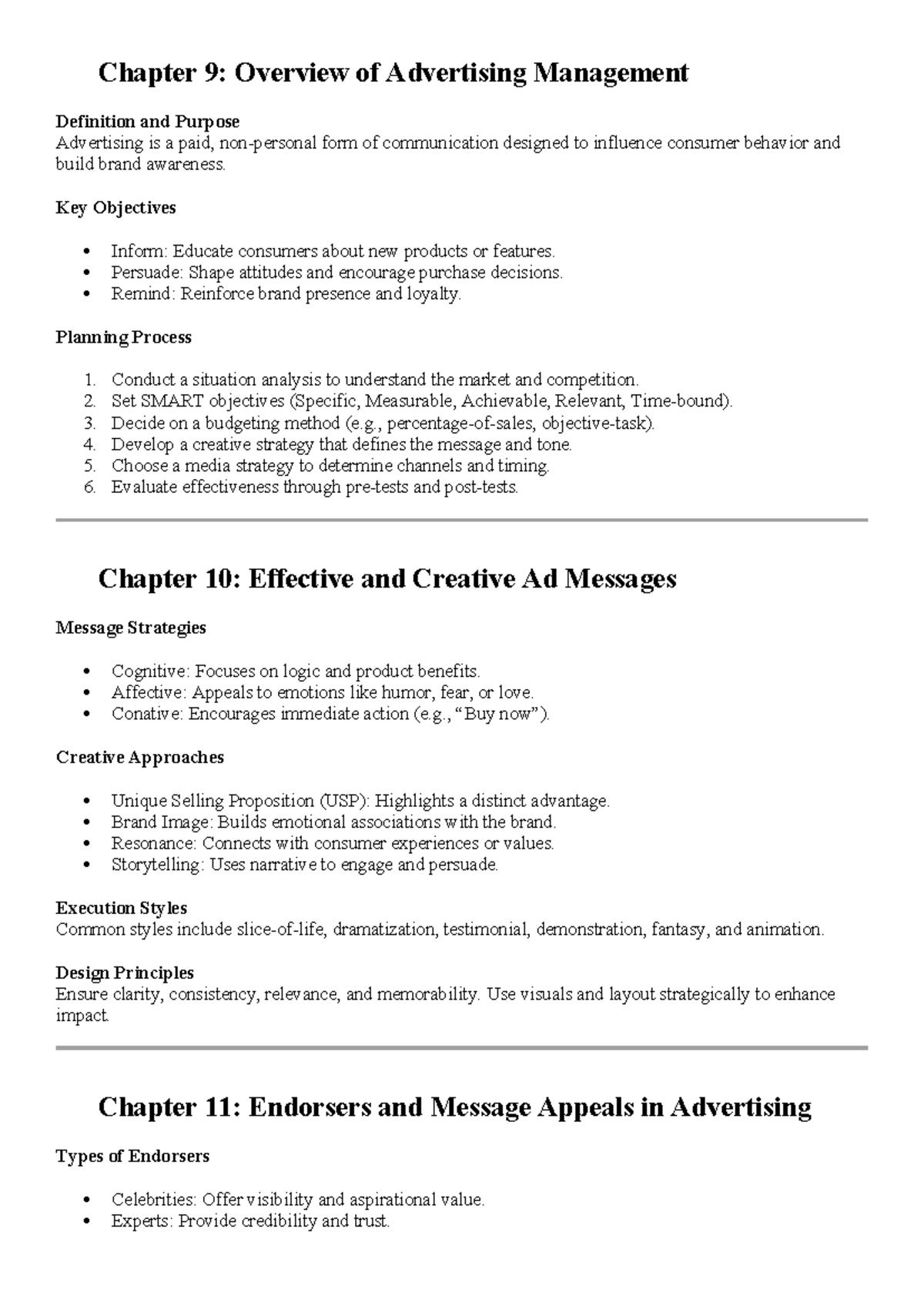
Advertisement management software centralizes the planning, execution, tracking, and optimization of digital marketing campaigns across multiple channels, enabling organizations to maximize return on ad spend through unified budget control, real-time analytics, and automated workflow distribution.
As marketing ecosystems grow increasingly fragmented, managing ad campaigns across search engines, social media platforms, programmatic exchanges, and publisher networks requires specialized tools. Advertisement management software acts as the central nerve center for digital advertising operations. By consolidating data streams and automating routine deployment tasks, these platforms empower marketing teams to scale campaigns efficiently without linearly increasing operational overhead. Understanding the landscape of advertisement management software involves examining its core features, architectural variations, selection criteria, and operational best practices.
Core Definition and Scope of Advertisement Management Software
Advertisement management software encompasses specialized applications designed to streamline the lifecycle of digital advertising. Unlike simple ad-serving tools that merely deliver creative assets to web pages, comprehensive management platforms handle the strategic, financial, and analytical dimensions of advertising campaigns. They bridge the gap between creative production and performance measurement.
The scope of these platforms typically extends across multiple channels, including paid search, social media advertising, display networks, video platforms, and native advertising channels. By centralizing these diverse touchpoints, marketing professionals can orchestrate cohesive omnichannel strategies. Instead of logging into separate native dashboards for every advertising channel, users can manage target audiences, adjust bids, and monitor performance indicators from a single interface. This consolidation drastically reduces administrative friction and minimizes human error during campaign updates.
Furthermore, advertisement management software functions as a data aggregation engine. It ingests impression, click, conversion, and cost metrics, transforming raw data into actionable intelligence. Through custom dashboards and automated reporting mechanisms, stakeholders can evaluate campaign health, allocate budgets dynamically, and demonstrate return on investment to executive leadership.
Essential Features and Functional Capabilities
Modern advertisement management software solutions offer a rich suite of capabilities designed to handle complex advertising workflows. Evaluating these platforms requires understanding how specific features contribute to operational efficiency and campaign performance.
Campaign Planning and Multi-Channel Deployment
At the foundation of any management platform is the ability to structure and launch campaigns efficiently. Enterprise-grade software allows users to build campaign hierarchies—encompassing accounts, campaigns, ad groups, and individual creatives—and push them simultaneously to multiple publishing networks. Bulk editing capabilities enable managers to modify targeting parameters, update budget allocations, or swap creative assets across thousands of ad variations with minimal clicks.
Automated Bidding and Budget Optimization
Manual bid management is notoriously time-consuming and prone to delayed reactions to market fluctuations. Advertisement management software incorporates algorithmic bidding engines that adjust bids in real time based on specific performance goals, such as maximizing clicks, target cost-per-acquisition, or return on ad spend. Budget pacing tools monitor spending velocity, preventing campaigns from exhausting their daily budgets prematurely or under-delivering due to overly restrictive pacing rules.
Audience Targeting and Data Integration
Sophisticated targeting tools allow advertisers to define precise audience segments using first-party data, customer relationship management integrations, and third-party data providers. These platforms often include customer data platform connectors, enabling marketers to build lookalike audiences, execute retargeting sequences, and suppress existing customers from acquisition campaigns. Cross-device tracking and attribution modeling help clarify how different touchpoints contribute to final conversions.
Analytics, Reporting, and Attribution
Robust data visualization is critical for diagnosing campaign performance. Management software provides customizable dashboards that highlight key performance indicators alongside historical trends. Advanced attribution models—such as time-decay, position-based, or data-driven attribution—help marketers understand the true value of upper-funnel and lower-funnel channels, moving beyond simplistic last-click attribution models.
Architectural Variations: Enterprise vs. Mid-Market Solutions
The advertisement management software market serves diverse organizational needs, ranging from agile direct-to-consumer startups to multinational enterprises managing thousands of global accounts. Distinguishing between architectural tiers ensures alignment between organizational requirements and software capabilities.
| Feature / Dimension | Enterprise Management Platforms | Mid-Market and Self-Serve Tools |
|---|---|---|
| Target User | Large enterprises, global brands, enterprise agencies | SMBs, growing digital brands, boutique agencies |
| Channel Support | Omnichannel (Search, Social, Programmatic, CTV) | Focused (Primary search and major social platforms) |
| Customization | High; custom API integrations, bespoke reporting rules | Moderate; pre-built templates, standard dashboard widgets |
| Pricing Model | Percentage of ad spend, custom annual licensing fees | Tiered monthly subscription fees, usage-based caps |
| Support Level | Dedicated account manager, 24/7 technical assistance | Email ticketing, knowledge base, standard chat support |
Enterprise platforms are engineered for extreme scale, handling massive data volumes and complex organizational hierarchies with granular permission controls. They often feature robust API access, allowing internal engineering teams to build custom workflows and integrate proprietary machine learning models.
Conversely, mid-market solutions prioritize user-friendly interfaces, rapid onboarding, and out-of-the-box templates. While they may lack the deep customizability of enterprise tools, they provide sufficient automation and reporting depth for organizations with focused advertising footprints and leaner marketing teams.
Key Selection Criteria for Choosing a Platform
Selecting the appropriate advertisement management software requires a structured evaluation of organizational goals, technical infrastructure, and budgetary constraints. Rushing this selection process often leads to underutilized licenses or operational bottlenecks.
- Channel Compatibility: Verify that the software natively integrates with all advertising networks relevant to your growth strategy. If your organization relies heavily on emerging channels like connected TV or specific regional search engines, ensure the platform supports them.
- Data Security and Compliance: Ensure the platform complies with major data privacy regulations, such as the General Data Protection Regulation and the California Consumer Privacy Act. Features like automated consent management integration and secure data handling are mandatory for modern compliance.
- User Experience and Learning Curve: Evaluate the intuitiveness of the user interface. A platform with steep technical requirements may necessitate extensive training periods and slow down campaign deployment.
- Pricing Structure Transparency: Understand how vendors calculate costs. Percentage-of-spend models can become prohibitively expensive as your advertising budget scales, whereas flat-rate subscription models offer greater cost predictability.
- Customer Support and Implementation: Assess the quality of vendor onboarding services and ongoing technical support. Complex migrations require dedicated assistance to prevent campaign downtime and data loss.
Operational Best Practices and Implementation Workflow
Deploying advertisement management software effectively involves a phased transition that prioritizes data hygiene, team alignment, and continuous testing. Adopting these systems without a clear operational framework often amplifies existing inefficiencies.
1. Data Audit and Architecture Standardization
Before connecting external accounts to a new management platform, conduct a comprehensive audit of existing naming conventions, tracking parameters, and conversion tracking pixels. Standardized naming conventions (e.g., incorporating channel, geography, objective, and date into campaign names) are essential for automated reporting and cross-platform analysis.
2. Phased Rollout and Pilot Testing
Avoid migrating all advertising operations simultaneously. Instead, select a single secondary market, product line, or regional account for a pilot test. This allows the marketing team to familiarize themselves with the software interface, validate automated bidding rules, and confirm attribution accuracy without risking core revenue streams.
3. Continuous Rule Governance and Monitoring
While automation reduces manual tasks, it introduces risks if algorithmic rules are misconfigured. Establish routine governance audits to review automated bidding thresholds, budget caps, and exclusion lists. Regular human oversight ensures that algorithmic adjustments align with broader business objectives and brand safety standards.
Frequently Asked Questions
What is the primary difference between ad servers and advertisement management software?
Ad servers primarily focus on storing, targeting, and delivering creative assets to digital properties, functioning as the technical delivery mechanism. Advertisement management software operates at a higher strategic level, offering budget control, cross-channel campaign orchestration, automated bidding, and comprehensive performance analytics across multiple ad networks.
How do advertisement management platforms handle data privacy regulations?
Modern platforms incorporate privacy-compliant data handling protocols, supporting server-side tracking, consent mode integrations, and automated data anonymization. They help marketers adhere to regulations like GDPR and CCPA by managing first-party data securely and respecting user opt-out preferences across connected channels.
Is advertisement management software suitable for small businesses?
While enterprise tools are often cost-prohibitive and overly complex for small businesses, numerous streamlined, subscription-based platforms cater specifically to smaller ad budgets. These solutions provide essential automation and simplified reporting, helping lean teams manage multiple social and search channels effectively.
How does percentage-of-spend pricing work?
Many enterprise ad management vendors charge a fee calculated as a percentage of the total media spend managed through their platform. As your advertising budget increases, the software cost scales proportionally. Organizations must weigh this variable cost against the efficiency gains and revenue growth driven by the platform.
Can these platforms integrate with existing CRM systems?
Yes, most reputable advertisement management platforms offer native integrations or API connectivity with major customer relationship management systems and customer data platforms. This integration enables closed-loop attribution, allowing marketers to tie top-of-funnel ad impressions directly to bottom-of-funnel revenue and customer lifetime value.
Conclusion and Next Action
Adopting advertisement management software is a pivotal step for organizations seeking to scale their digital marketing operations, reduce administrative waste, and harness advanced automation. To begin your evaluation process, audit your current channel distribution, inventory your integration requirements, and schedule product demonstrations with selected vendors focusing on scalability, security, and support quality.