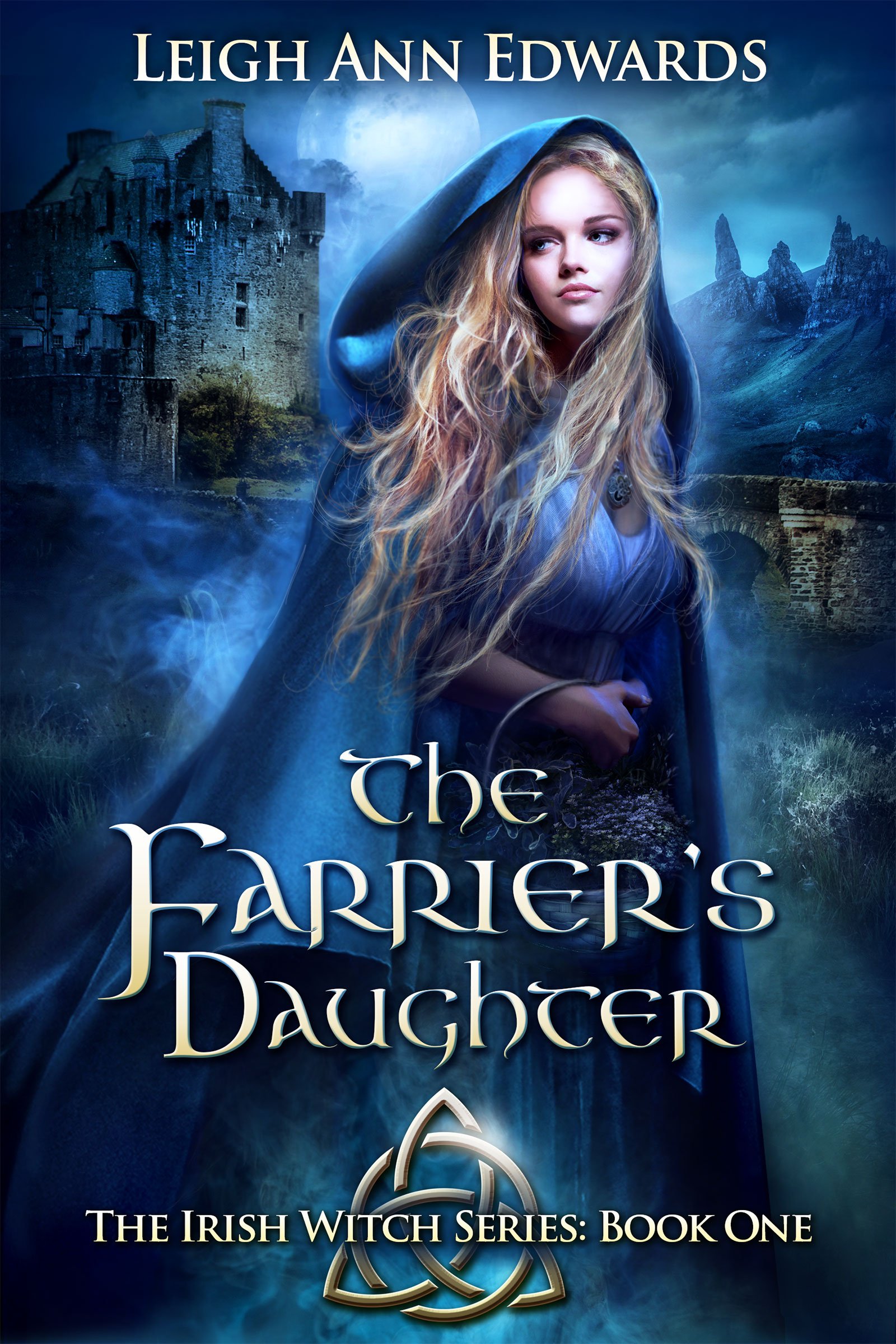
Adult fantasy novels represent a sophisticated subgenre of speculative fiction designed specifically for mature readers, featuring complex world-building, intricate sociopolitical structures, morally ambiguous characters, and explicit explorations of adult themes such as power, mortality, and desire.
The landscape of adult fantasy novels has undergone a dramatic transformation over the past few decades, shifting from niche pulp traditions to a dominant force in contemporary literature. Unlike young adult (YA) fantasy, which frequently centers on coming-of-age arcs, adolescent protagonists, and clear-cut moral binaries, adult fantasy prioritizes the psychological depth of older protagonists, high-stakes consequences, and uncensored explorations of violence, governance, philosophy, and human relationships.
Navigating this expansive literary territory requires understanding its core subgenres, structural conventions, and the distinct stylistic elements that separate mature speculative fiction from its younger counterparts. Whether you are seeking sweeping epic chronicles or tightly wound dark fantasy mysteries, adult literature offers profound rewards for readers willing to engage with demanding, layered narratives.
Defining Adult Fantasy: Themes, Scope, and Structural Conventions
To fully appreciate adult fantasy novels, one must examine the defining characteristics that separate them from children's, middle-grade, and young adult fiction. While speculative fiction broadly relies on magical elements, alternate realities, or mythical creatures, the adult iteration utilizes these speculative conceits to hold a mirror to complex human realities.
Core Thematic Differences from Young Adult Fiction
The primary divergence between adult and young adult fantasy lies in character perspective and narrative focus. In adult fiction:
- Protagonists: Characters are typically established adults—rulers, seasoned mercenaries, weary scholars, or aging sorcerers—who navigate established careers, long-term romantic partnerships, or the burdens of historical trauma.
- Agency and Consequence: Decisions carry systemic, irreversible consequences. A failed political alliance does not merely result in social embarrassment; it triggers widespread famine, civil war, or the collapse of an empire.
- Moral Grayness: Pure heroes and absolute villains are rare. Most characters operate in ethical ambivalence, making pragmatic sacrifices that challenge the reader's moral compass.
Mature Subject Matter and World-Building Depth
Adult fantasy novels incorporate mature themes not merely for shock value, but to construct authentic sociological ecosystems. World-building in this subgenre frequently rivals historical scholarship, incorporating intricate economic systems, religious schisms, legal traditions, and linguistic nuances.
Furthermore, mature texts treat topics like systemic oppression, psychological trauma, sexuality, and existential dread with unvarnished realism. Magic systems are rarely convenient tools; instead, they often demand heavy physical, mental, or moral tolls, functioning more like dangerous technologies or systemic inequalities than miraculous gifts.
Major Subgenres Within Adult Fantasy
The adult fantasy market spans numerous distinct subgenres, each catering to different reader preferences regarding pacing, tone, and narrative scope. Understanding these categories helps readers identify books that match their specific tastes.
| Subgenre | Defining Characteristics | Prominent Examples |
|---|---|---|
| High / Epic Fantasy | Vast geopolitical scopes, multiple point-of-view characters, sprawling maps, and world-shending conflicts. | The Lord of the Rings by J.R.R. Tolkien, The Wheel of Time by Robert Jordan |
| Grimdark Fantasy | Cynical world-views, extreme violence, brutal realism, and deeply flawed, self-interested characters. | The First Law series by Joe Abercrombie, A Song of Ice and Fire by George R.R. Martin |
| Low / Urban Fantasy | Magical elements intersecting with contemporary, mundane, or historical real-world settings. | Neverwhere by Neil Gaiman, The City & The City by China Miéville |
| Historical Fantasy | Alternate or magical versions of actual historical periods, integrating folklore with documented events. | Jonathan Strange & Mr Norrell by Susanna Clarke, The Priory of the Orange Tree by Samantha Shannon |
| Romantic Fantasy (Romantasy) | Central focus on romantic relationships interwoven with high-stakes political intrigue and magic. | A Court of Thorns and Roses by Sarah J. Maas (mature crossover), Kushiel's Dart by Jacqueline Carey |
The Mechanics of Modern World-Building in Adult Literature
World-building is the backbone of any successful fantasy novel, but adult fiction demands an extra layer of internal consistency and sociological plausibility. Authors cannot rely on hand-waving explanations for how societies function; they must construct believable infrastructures.
Economic and Political Systems
In sophisticated adult fantasy, magic and geography dictate economies. If a society relies on floating islands, how is agriculture sustained? If portal magic exists, what happens to traditional shipping and trade guilds? Authors who answer these questions build immersive worlds.
Similarly, political systems in adult fantasy are rarely limited to "good king versus evil emperor." Instead, they feature complex legislative bodies, merchant republics, religious oligarchies, and rebellious factions clashing over tax policy, resource distribution, and ideological supremacy.
Magic Systems: Hard Versus Soft
Fantasy worlds often organize their supernatural elements along two axes, popularized by fantasy theorist Brandon Sanderson:
- Hard Magic Systems: These possess rigid, well-defined rules, limitations, and costs that readers understand upfront. The magic functions almost like a science, and solutions to problems rely on clever applications of established constraints.
- Soft Magic Systems: These remain mysterious, wondrous, and unpredictable. The rules are obscured from both the characters and the reader, emphasizing awe, dread, and the limits of human understanding.
Adult fantasy successfully employs both approaches, though grittier subgenres often lean toward systems where magic is rare, dangerous, and deeply feared by the general populace.
Reader Guidance: Selecting and Approaching Complex Series
Diving into multi-volume adult fantasy epics can prove daunting. Because these books frequently feature massive casts of characters, invented languages, and intricate magic systems, readers benefit from adopting a structured approach.
Prerequisites for Engaging with Epic Series
- Patience for Setup: Epic adult fantasy frequently utilizes a slow-burn opening structure. The first hundred pages may be dedicated entirely to establishing the geopolitical baseline, character histories, and cultural norms before the main conflict ignites.
- Trackers and Glossaries: Many comprehensive novels include appendices, dramatis personae, and maps. Utilizing these resources prevents confusion when shifting between multiple point-of-view characters across disparate geographical locations.
- Readiness for Heavy Themes: Ensure you are prepared for narratives that tackle grief, war, betrayal, and existential despair without neat, neatly tied-up resolutions.
Common Mistakes to Avoid
- Expecting YA Tropes: Entering an adult fantasy novel expecting instantaneous romance, clear hero archetypes, or guaranteed happy endings often leads to frustration.
- Skipping Book One in Multi-Volume Works: Unlike episodic detective fiction, epic fantasy builds foundational lore incrementally. Skipping installments guarantees missing critical context.
- Judging the Entire World by the First Chapter: Authors often drop readers in media res into complex societies without immediate explanations. Trust the author to clarify terminology and cultural context organically as the narrative unfolds.
Frequently Asked Questions
What is the main difference between Young Adult and Adult fantasy novels?
Adult fantasy novels feature mature protagonists, complex moral ambiguity, explicit explorations of violence, sexuality, and politics, and consequences that impact entire societies. Young adult fantasy primarily focuses on adolescent coming-of-age arcs, self-discovery, and clearer distinctions between right and wrong.
Are all adult fantasy novels excessively violent or dark?
No. While grimdark fantasy is known for its gritty realism and violence, adult fantasy spans a wide spectrum. This includes whimsical yet intellectually demanding works, political intrigue without gratuitous gore, and character-driven explorations of philosophy, art, and human connection.
How do I start reading long, multi-volume fantasy epics without getting overwhelmed?
Begin by selecting completed series rather than ongoing ones to avoid multi-year waits between volumes. Utilize the glossaries and maps provided in the front matter, and do not hesitate to take brief notes on character factions if the cast list is exceptionally large.
Is romance a requirement in adult fantasy novels?
Romance is not required, though it is frequently integrated into subgenres like romantasy or epic chronicles. Many adult fantasy novels focus entirely on platonic camaraderie, familial duty, political maneuvering, or solitary philosophical quests.
Where can I find reliable recommendations for adult fantasy books?
Independent bookstores, dedicated speculative fiction review sites such as Tor.com, literary journals, and curated reader communities on platforms like StoryGraph offer extensive, well-categorized recommendations tailored to specific subgenres and content preferences.
Conclusion and Next Actions
Exploring adult fantasy novels opens the door to some of the most ambitious, intellectually stimulating storytelling in modern literature. To begin your journey, identify whether you prefer sprawling geopolitical epics, tightly focused dark mysteries, or character-driven historical fantasies. Select a highly regarded, self-contained standalone novel or the first installment of a completed trilogy, consult the provided maps and glossaries, and allow yourself to immerse fully in the intricate worlds crafted by master speculative fiction authors.