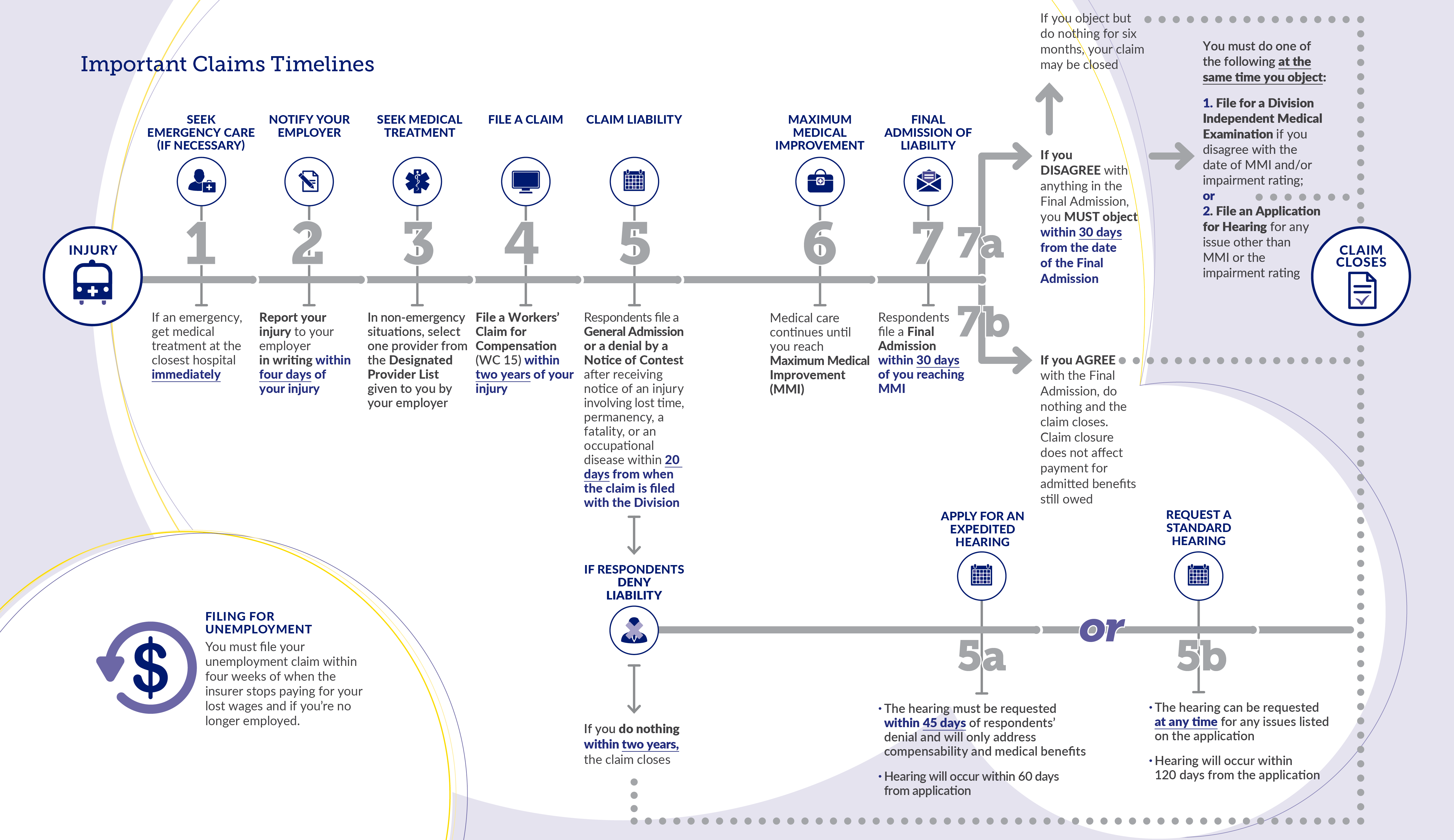
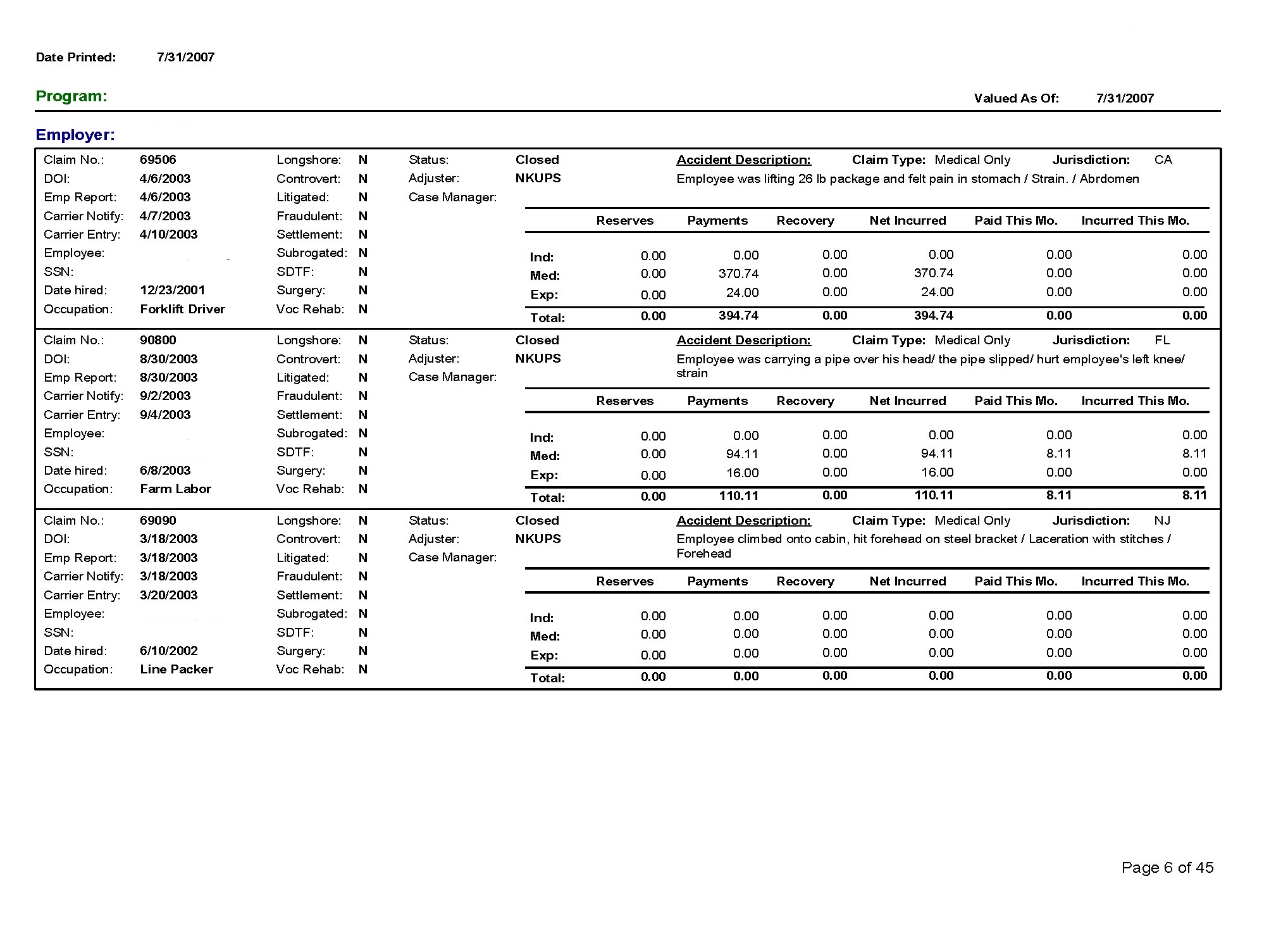
In 2026, the primary administrator for reporting Hartford workers' compensation claims is The Hartford’s internal Claims Service Center, accessible via their centralized digital portal or dedicated 24/7 telephonic intake line. While The Hartford acts as the administrator for most policies, some large self-insured employers may utilize specialized Third-Party Administrators (TPAs) to manage these filings under Hartford’s excess insurance frameworks.
Understanding the Role of the Administrator in Workers’ Compensation
The administrator for workers' compensation claim reporting serves as the central clearinghouse for all data related to workplace injuries and illnesses. When an incident occurs, the administrator’s primary function is to capture the First Report of Injury (FROI), determine the initial eligibility based on policy coverage, and assign a dedicated claims adjuster to oversee the case.
For policyholders of The Hartford, "administration" is typically an integrated service. Unlike some carriers that outsource the intake process to generalist call centers, The Hartford utilizes a proprietary administrative ecosystem designed to integrate clinical data, return-to-work (RTW) strategies, and fraud detection from the moment a claim is reported. In the landscape of 2026, this administration has become increasingly automated, relying on artificial intelligence to categorize injury severity and route high-complexity cases to senior adjusters immediately.
Difference Between the Insurer and the TPA
It is crucial to distinguish between The Hartford as the insurance carrier and the role of a Third-Party Administrator (TPA). In a standard "fully insured" model, The Hartford is both the carrier (the one who pays the claim) and the administrator (the one who processes the paperwork). However, for large corporations that "self-insure"—meaning they pay for their own claims up to a certain dollar amount—The Hartford might provide "administrative services only" (ASO). In these scenarios, The Hartford acts as the TPA, using its infrastructure to handle reporting and medical management for a fee, even if the employer’s funds are used for the actual payouts.
How to Report a Claim to the Hartford Administrator
Reporting a claim promptly is not just a best practice; it is often a statutory requirement. Most states require employers to report injuries within a specific window (frequently 24 to 72 hours). The Hartford’s administrative intake channels are designed to satisfy these legal mandates while minimizing the administrative burden on the employer.
1. The Digital Intake Portal
In 2026, the most efficient way to report is through The Hartford’s online portal, often referred to as the "Business Playbook" or the "Electronic First Report of Injury" (eFROI) system.
- Prerequisites: You will need your policy number, the employer's Federal Employer Identification Number (FEIN), and the specific location code where the employee works.
- Process: The system uses dynamic questioning. If you report a "slip and fall," the administrator’s software will automatically trigger follow-up questions regarding floor conditions or footwear, which helps the adjuster later in the investigation.
- Confirmation: Upon submission, the portal generates a claim number instantly. This number is essential for the injured worker to use when visiting a medical provider.
2. Telephonic Reporting (24/7)
For those who prefer human interaction or are reporting from a field location without reliable internet access, The Hartford maintains a 24/7 toll-free reporting line (1-800-327-3636).
- The Intake Specialist: You will speak with a trained intake specialist who acts on behalf of the administrator. They are trained to handle sensitive situations and can provide immediate instructions on where the injured worker can seek authorized medical treatment within The Hartford's Preferred Provider Network (PPN).
- Language Support: The administrative center offers multi-lingual support to ensure that non-English speaking supervisors or employees can accurately relay the details of the incident.
3. Mobile Application Reporting
The Hartford’s 2026 mobile suite allows supervisors to report claims directly from a smartphone. This method is particularly useful for capturing photos of the accident scene or the equipment involved, which are then attached directly to the administrative file.
Essential Information Required for the Administrator
To ensure the administrator can process the claim without delays, the person reporting the injury should have a standardized set of data points ready. Incomplete reporting is one of the leading causes of "pending" status, which can delay the employee's disability payments.
| Data Category | Required Details | Why It Matters |
|---|---|---|
| Employer Info | Policy Number, Legal Entity Name, FEIN | Identifies the correct coverage period and state-specific limits. |
| Employee Info | Full Name, SSN, Date of Hire, Average Weekly Wage | Determines the benefit amount for "Time Loss" payments. |
| Incident Info | Date, Time, Exact Location, Nature of Injury | Establishes if the injury occurred "in the course and scope" of employment. |
| Medical Info | Initial Treatment Facility, Physician Name | Allows the administrator to coordinate with medical bill reviewers. |
| Witness Info | Names and Contact Numbers of Bystanders | Crucial for the administrator's investigation into contested claims. |
The Post-Reporting Administrative Workflow
Once the report is submitted, The Hartford’s administration enters a multi-stage workflow. Understanding this process helps employers manage expectations and supports the injured worker’s recovery.
Initial Triage and Assignment
The administrator’s system analyzes the "nature of injury" code. For example, a minor laceration may be routed to a "fast-track" unit for quick medical-only processing. Conversely, a complex orthopedic injury or a head trauma is routed to a specialized indemnity adjuster and a Nurse Case Manager (NCM). In 2026, The Hartford utilizes predictive modeling to identify claims that have a high probability of becoming "litigated," allowing for early intervention by their legal and clinical teams.
Medical Provider Network (MPN) Coordination
In states that allow employer-directed care, the administrator provides a list of authorized medical providers. Using an unauthorized provider can sometimes lead to the denial of medical bills or complications in the claim’s validity. The Hartford’s administrator works closely with Managed Care Organizations (MCOs) to ensure the treatment follows "Evidence-Based Medicine" (EBM) guidelines, such as those provided by Official Disability Guidelines (ODG).
Pharmacy Benefit Management (PBM)
When a claim is reported, the administrator often issues a temporary "pharmacy card." This allows the injured worker to fill prescriptions related to the injury without out-of-pocket costs at major pharmacies like CVS or Walgreens. This administrative step is vital for ensuring compliance with pain management protocols and preventing the use of non-formulary medications.
Common Challenges in Claim Administration
Even with advanced systems, several friction points can occur during the reporting and administrative phase. Being aware of these can help you navigate the process more effectively.
Late Reporting Penalties
As of 2026, many state labor departments have increased fines for "late-to-file" claims. The Hartford’s administrator tracks the gap between the "Date of Injury" and the "Date Reported." If this gap exceeds 5–7 days, the employer may receive a warning or a fine from the state. Furthermore, studies consistently show that claims reported more than a week after the incident cost significantly more due to increased litigation and delayed medical intervention.
Ambiguous "Scope of Employment"
One of the most complex tasks for the administrator is determining if an injury happened while the employee was actually working. This is particularly challenging with the rise of hybrid and remote work. If an employee trips over their dog while working from home, is it a Hartford workers' comp claim? The administrator will conduct an "AOE/COE" (Arising Out of Employment / Course of Employment) investigation, which may include interviewing the employee and reviewing their digital activity logs.
Policy Exclusions and Lapses
If the claim is reported for a date when the policy was not active (due to non-payment or expiration), the administrator will issue a "denial based on lack of coverage." It is vital for business owners to ensure their Hartford policy remains in good standing to avoid personal liability for workplace injuries.
The Role of Technology and AI in 2026 Administration
By 2026, The Hartford has integrated several technological advancements into its claim reporting administration. These are designed to reduce the "friction" of manual paperwork.
- Natural Language Processing (NLP): When a supervisor types a description of the accident into the portal, NLP software "reads" the text to identify red flags, such as mentions of pre-existing conditions or third-party negligence (e.g., a faulty machine made by another company).
- Automated State Filing: The administrator’s system automatically maps the data from the initial report to the specific state forms (like the WC-1 in Georgia or the C-2 in New York). This eliminates the need for the employer to fill out multiple forms for the same incident.
- Real-time Dashboarding: Employers can log into a central dashboard to see the real-time status of all reported claims, including how much has been paid in medical bills and when the employee is expected to return to work.
Legal and Jurisdictional Limitations
It is important to remember that workers' compensation is governed by state law, not federal law. Therefore, the "administrator" must follow different rules depending on where the employee was injured.
- Monopolistic States: In states like Ohio, Washington, North Dakota, and Wyoming, you cannot use The Hartford for primary workers' compensation. You must report claims to the state-run fund. The Hartford can only provide "Stop-Gap" coverage in these areas.
- Benefit Levels: The administrator calculates disability payments based on state-specific maximums and minimums, which are updated annually by state labor departments like the California Department of Industrial Relations.
Frequently Asked Questions
What happens if I forget my policy number when reporting a claim?
While having the policy number is ideal, The Hartford’s administrative center can often look up your account using your company’s legal name, FEIN, and zip code. However, this may slightly delay the generation of a claim number. It is recommended to keep a digital copy of your "Certificate of Insurance" (COI) easily accessible for all supervisors.
Does the administrator decide if a claim is paid or denied?
Yes, the administrator (through the assigned claims adjuster) makes the initial determination. This decision is based on the information gathered during the reporting phase and subsequent investigation. If a claim is denied, the employee has the right to appeal the decision through their state’s Workers’ Compensation Board or Commission.
Can an injured employee report their own claim to the administrator?
Yes. While it is standard for the employer to initiate the report, an employee can contact the Hartford Claims Center directly if the employer refuses to file the claim. The administrator is legally obligated to investigate any report of injury, regardless of who initiates it.
How does the administrator handle "Medical-Only" vs. "Indemnity" claims?
A "Medical-Only" claim is one where the employee does not miss significant work (usually less than 3–7 days depending on the state). The administrator handles these quickly by paying the medical bills and closing the file. An "Indemnity" claim involves lost wages and requires much more intensive administrative oversight, including ongoing verification of disability status from a doctor.
Is there a fee for reporting a claim to the Hartford administrator?
No, reporting a claim and the subsequent administration are services included in your policy premium. There are no "per-claim" fees for standard policyholders. For self-insured entities using Hartford as a TPA, the fees are negotiated as part of the Service Level Agreement (SLA).
Final Recommendation for Employers
To maximize the efficiency of The Hartford’s administrative services, employers should implement a "24-hour Reporting Policy." Every hour that passes between an injury and its report to the administrator increases the risk of complications. Ensure that all site supervisors have the Hartford 1-800 number saved in their phones and have access to the online portal credentials. In 2026, the speed of data transmission is your best defense against rising insurance costs and legal disputes. If you encounter technical issues with the portal, contact The Hartford's technical support immediately rather than delaying the report.