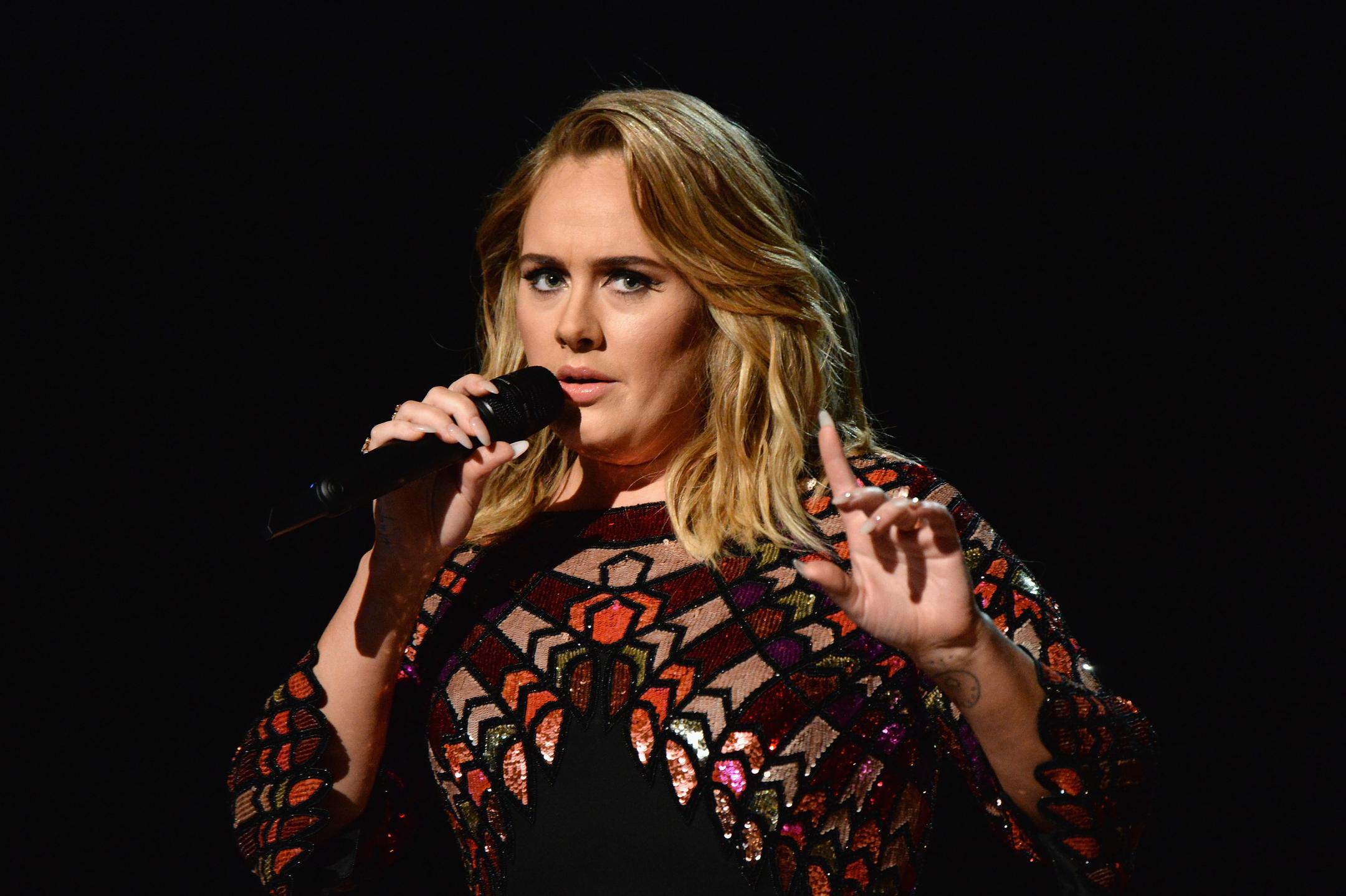
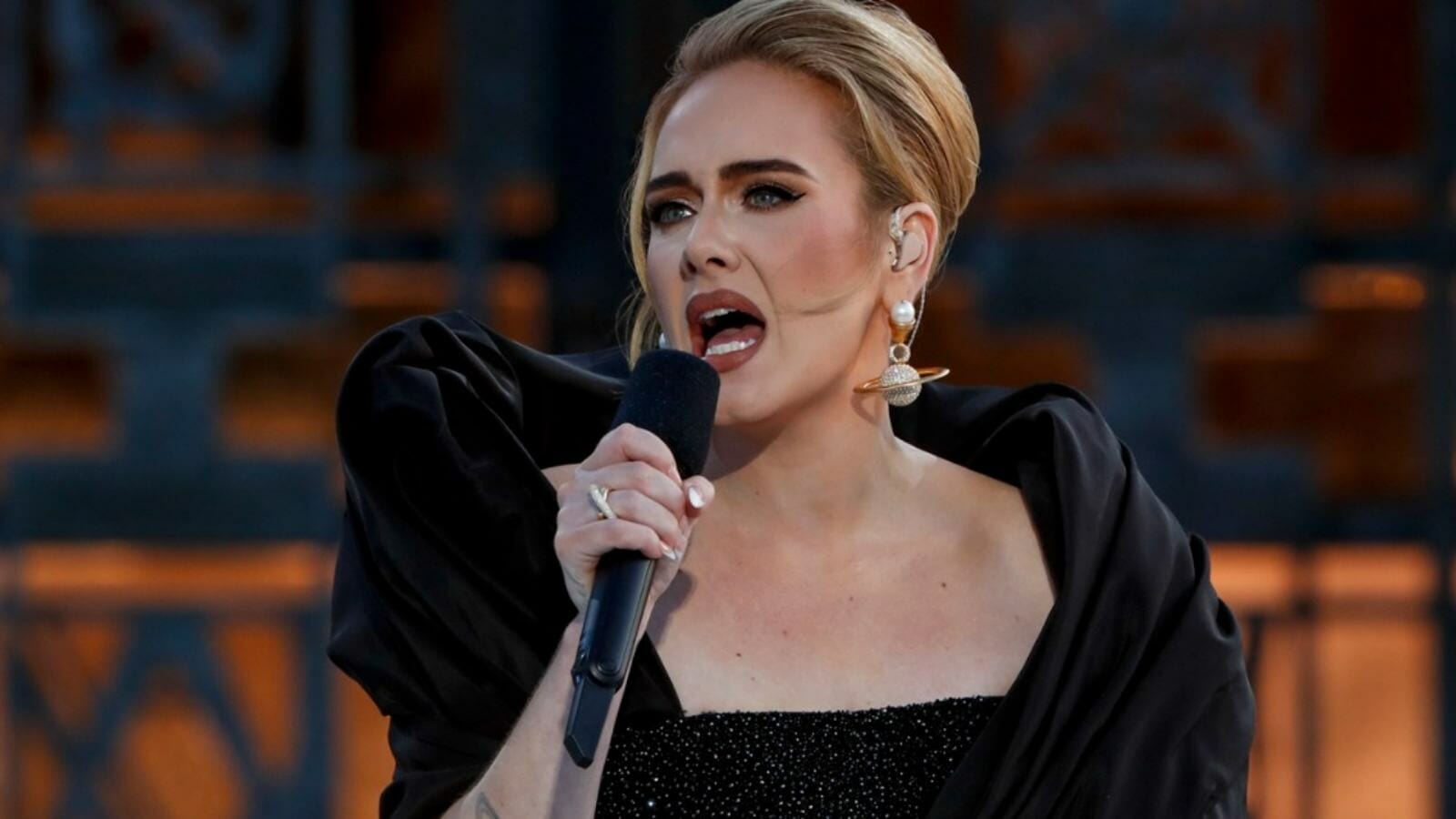
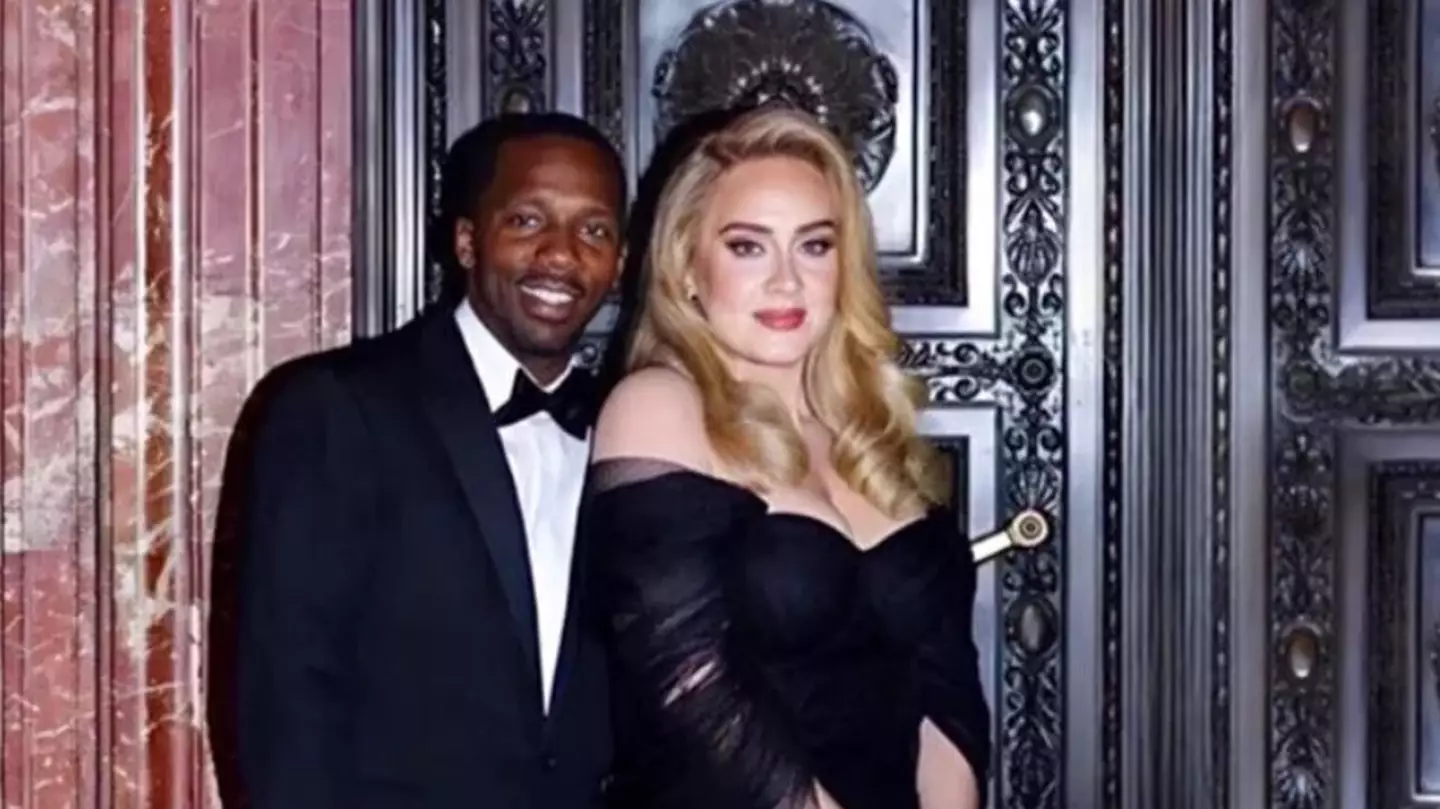
As of 2026, Adele’s estimated net worth stands at approximately $245 million, primarily fueled by her record-breaking Las Vegas residency and global album sales. Conversely, J Prince, the founder of Rap-A-Lot Records, maintains a net worth of roughly $50 million, derived from music executive equity, boxing management, and diverse investments in ranching and real estate.
The financial trajectories of Adele and James Prince (J Prince) represent two distinct models of wealth accumulation within the entertainment industry. Adele represents the "Superstar Talent" model, where a single individual’s intellectual property and performance value generate massive, concentrated revenue. J Prince represents the "Mogul Architect" model, where wealth is built through the discovery of talent, ownership of master recordings, and strategic diversification into traditional industries like agriculture and sports management. Understanding the gap between their net worths requires a deep dive into the mechanics of music royalties, touring overhead, and the long-term value of independent business ownership.
The Financial Architecture of Adele’s Wealth
Adele Laurie Blue Adkins has built a financial empire that is almost entirely dependent on her voice and her songwriting. Unlike many of her peers who pivot toward fashion lines or cosmetic brands, Adele’s wealth is "pure" music revenue. By 2026, her financial standing has been solidified by the tail end of her massive commercial peak and the strategic management of her live performance schedule.
Global Album Sales and Streaming Dominance
Adele remains one of the last few artists capable of moving millions of physical and digital album units in an era dominated by low-margin streaming. Her albums 19, 21, 25, and 30 have collectively sold over 120 million units worldwide. The "21" album alone, which spent years on the Billboard charts, continues to generate significant passive income through "catalogue" streaming.
In the music industry, "catalogue" refers to music older than 18 months. For Adele, her catalogue is a gold mine. Because she is a primary songwriter on her tracks, she receives a larger share of the publishing royalties compared to artists who use large teams of writers. This "songwriter’s share" is a crucial component of her $245 million valuation, as it ensures she earns money every time a song is played on the radio, streamed on Spotify, or licensed for a film.
The Las Vegas Residency: A Financial Game-Changer
The most significant contributor to Adele’s wealth increase between 2022 and 2026 was her "Weekends with Adele" residency at Caesars Palace. Reports indicated that Adele earned approximately $1.2 million to $2 million per show. Unlike a world tour, which involves massive logistical costs, international travel, and venue-splitting fees, a residency allows an artist to keep a higher percentage of the gross revenue.
By remaining in one location, Adele eliminated the overhead of transporting hundreds of tons of equipment across continents. The residency also allowed for premium ticket pricing and high-margin merchandise sales. When the residency concluded, it was estimated to have added over $100 million to her gross career earnings, a portion of which was moved into her net worth after taxes and management fees.
Real Estate as a Wealth Preservation Tool
Adele has funneled a significant portion of her liquid earnings into high-end real estate, which serves as a hedge against inflation. Her portfolio includes multiple properties in Beverly Hills, most notably a $58 million estate formerly owned by Sylvester Stallone. Real estate in these "trophy" neighborhoods tends to appreciate regardless of broader market trends, providing Adele with a solid asset base that accounts for nearly 30% of her total net worth.
J Prince’s Empire: The Power of the Independent Mogul
James Prince, often referred to as the "Godfather" of Southern Hip-Hop, operates on a completely different financial plane than Adele. While his net worth of $50 million is lower than Adele’s, his wealth is arguably more diversified and rooted in "Old World" assets. J Prince’s financial story is one of entrepreneurship, risk-taking, and the creation of the independent label model.
Rap-A-Lot Records and the Value of Masters
Founded in 1986, Rap-A-Lot Records was one of the first labels to prove that Southern hip-hop could be commercially viable without the support of major coastal labels. J Prince’s wealth was built on owning the "master recordings" of artists like the Geto Boys. Owning the masters means J Prince controls the usage and receives the lion's share of the revenue for those recordings in perpetuity.
In 2026, the value of independent music catalogues has surged as investment firms seek stable, cash-flowing assets. While J Prince’s label is no longer the dominant force it was in the 1990s, the "legacy" value of his library provides a steady stream of income. Furthermore, his early involvement in discovering and mentoring Drake—via his son Jas Prince—resulted in a complex but lucrative settlement and ongoing professional ties that have bolstered his financial standing.
Diversification: Boxing and The Prince Ranch
J Prince is a proponent of not keeping all his "eggs in one basket." He successfully transitioned into boxing management, representing high-profile fighters like Floyd Mayweather Jr. early in their careers and later Andre Ward. Boxing management provides a percentage of "purses" (the fighter's earnings), which can range from 10% to 33%.
Perhaps his most unique asset is the Prince Ranch. Located in Texas, this multi-thousand-acre operation involves cattle ranching and land development. Unlike the music industry, which can be fickle and subject to digital disruption, land and livestock are tangible assets. The Prince Ranch provides J Prince with a level of financial security that is decoupled from the entertainment industry’s volatility.
Literary Success and Brand Licensing
J Prince’s book, The Art & Science of Respect, became a staple in the business and self-help categories within the urban community. Beyond direct book sales, the "J Prince brand" has been used to launch lifestyle products and speaking engagements. While these don't generate the millions that an Adele concert does, they contribute to a multi-faceted revenue stream that supports his lifestyle and business operations.
Comparative Analysis: Adele vs. J Prince
The difference in their net worths is not just a matter of "who is more successful," but rather a reflection of the different economic scales of their respective niches.
| Feature | Adele | J Prince |
|---|---|---|
| Estimated Net Worth (2026) | $245 Million | $50 Million |
| Primary Revenue Source | Global Music Sales & Touring | Label Ownership & Boxing Management |
| Key Asset | Publishing Rights & High-End Real Estate | Rap-A-Lot Masters & Prince Ranch |
| Wealth Model | High-Yield Individual Performance | Diversified Business Equity |
| Market Reach | Global (All Demographics) | Targeted (Hip-Hop & Sports) |
| Overhead Complexity | High (Touring/Production) | Moderate (Ranching/Staff) |
Why the Gap Exists
The $195 million gap between Adele and J Prince exists primarily because of global scalability. Adele’s music transcends language and cultural barriers, allowing her to sell out stadiums in London, New York, and Sydney. Her "product" (her voice) is infinitely scalable through digital platforms to a global audience of billions.
J Prince, while legendary, operates in the "B2B" (Business to Business) and niche "B2C" (Business to Consumer) spaces. A record label executive’s wealth is capped by the success of their roster and the percentage of the "middleman" fee they can extract. While J Prince owns his masters, the total addressable market for Southern Hip-Hop catalogue music is smaller than the total addressable market for global pop-soul.
The Role of "Mob Ties" and Industry Influence
In any detailed comparison of J Prince, the concept of "social capital" must be addressed. While not a liquid asset that appears on a balance sheet, J Prince’s influence in the music industry is a form of currency. He has often acted as a mediator and protector for major artists, most notably Drake.
This influence leads to "silent partnerships" and advisory roles that may not be publicly disclosed but contribute to his lifestyle and business opportunities. In contrast, Adele’s influence is "soft power"—the ability to move markets and influence culture through her art. Adele does not need to manage industry politics to maintain her wealth; her wealth is maintained by the sheer demand for her presence.
Financial Risk and Future Outlook
Looking forward from 2026, both figures face different financial risks:
- Adele’s Risks: Her wealth is tied heavily to her ability to perform. If vocal issues (which have plagued her in the past) return, her primary "wealth engine" (touring) could stall. However, her publishing rights act as a significant safety net.
- J Prince’s Risks: His risks are more operational. Ranching is subject to environmental factors and commodity price fluctuations. The music catalogue market is currently in a "bubble" phase, and if the valuation of music rights drops, his net worth could see a decline.
However, Adele’s move toward "scarcity marketing"—only releasing albums every few years—has created a "Veblen good" effect where her music is seen as a luxury. This strategy ensures that whenever she does decide to work, the financial return is maximized. J Prince’s strategy of diversification ensures that even if one sector of his empire fails, the others provide a sturdy foundation.
Professional Advice and Financial Context
Note: This analysis is based on publicly available data, historical earnings reports, and industry standard valuations as of 2026. Net worth figures are estimates and do not account for private debt, undisclosed liabilities, or private investments.
For individuals looking at these two figures for financial inspiration, the takeaway is clear:
- For Creators: Ownership of your intellectual property (as Adele does with her songwriting) is the fastest route to massive wealth.
- For Entrepreneurs: Diversification into "boring" assets like land and cattle (as J Prince does) is the most reliable route to long-term stability and legacy building.
Frequently Asked Questions
Does J Prince own a percentage of Drake’s earnings?
J Prince, through his son Jas Prince, was instrumental in discovering Drake and signing him to Aspire Music Group. While a legal settlement occurred years ago, it is widely reported that the Prince family retains a financial interest or "override" on certain aspects of Drake’s career, which has significantly contributed to J Prince's ongoing liquidity.
How much did Adele make from her 2024-2025 performances?
Adele’s residency and select European dates in 2024 were her most lucrative years. Grossing over $2 million per night in certain markets, her take-home pay after production costs, taxes, and agent fees (typically 10%) was estimated at roughly $60 million for that cycle alone.
What is J Prince’s most valuable non-music asset?
The Prince Ranch in Texas is considered his most valuable non-music asset. Spanning thousands of acres, the land value alone has appreciated significantly since its purchase, and the cattle operation provides a functional business that operates independently of the entertainment world.
Why is Adele's net worth higher than other pop stars who have clothing lines?
Adele’s net worth is high because she has avoided the "dilution" of her brand. By focusing on high-margin touring and owning her songwriting, she keeps a larger percentage of her gross. Many stars with fashion lines have high revenue but low profit margins due to manufacturing and retail overhead.
Is Rap-A-Lot Records still an active label?
While Rap-A-Lot still exists, its primary function in 2026 is managing its extensive back-catalogue. It occasionally releases new projects, but J Prince has shifted much of his focus to his branding, the Prince Ranch, and his "Mob Ties" ventures.
Final Recommendation
When comparing Adele and J Prince, the primary lesson for any observer is the value of sovereignty. Adele owns her voice and her schedule; J Prince owns his masters and his land. For those seeking to build wealth, the goal should be to move from "earning a salary" to "owning an asset." Whether that asset is a global pop song or a thousand-acre ranch, the principle of ownership remains the most significant driver of net worth in 2026 and beyond.