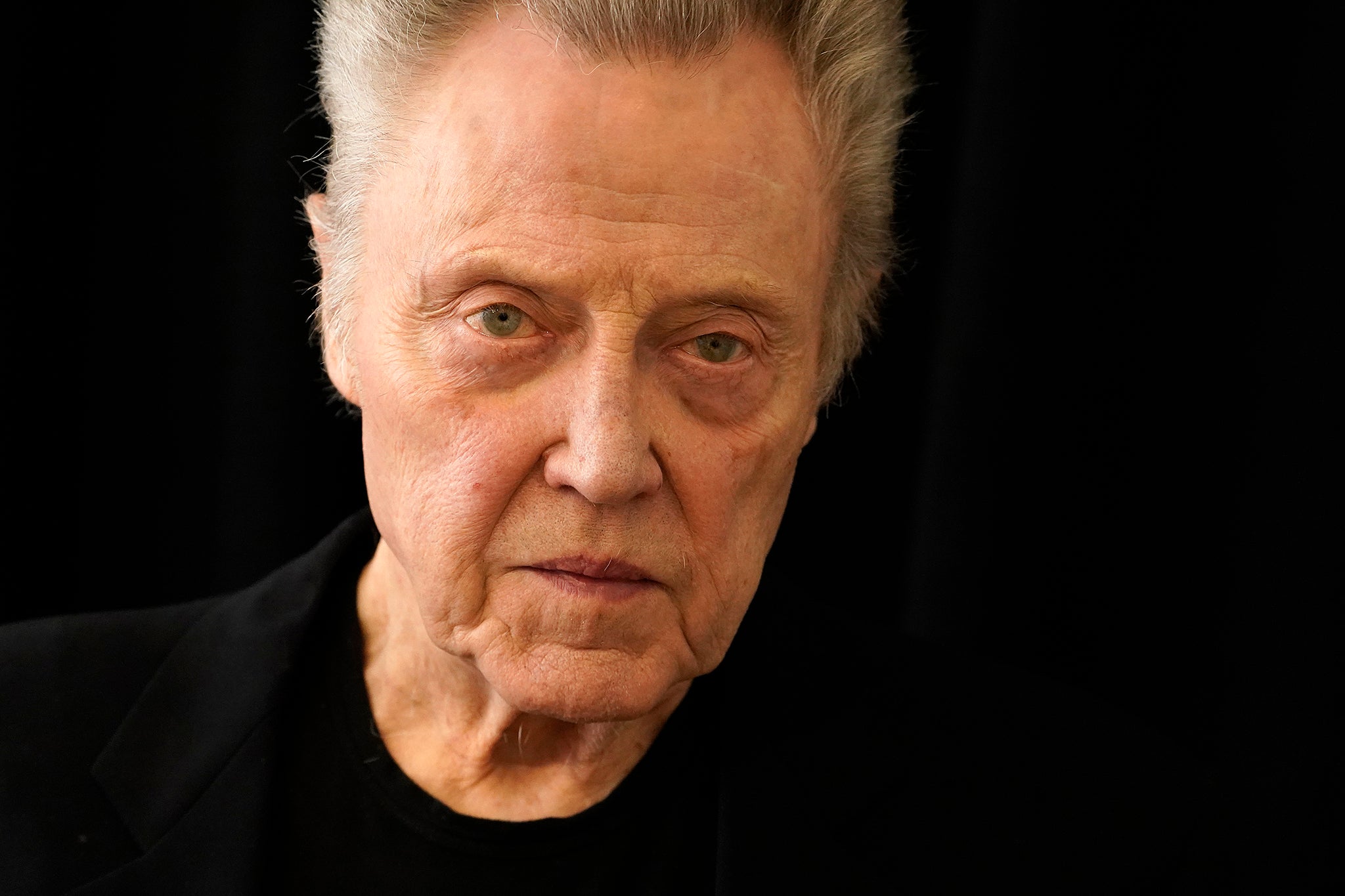
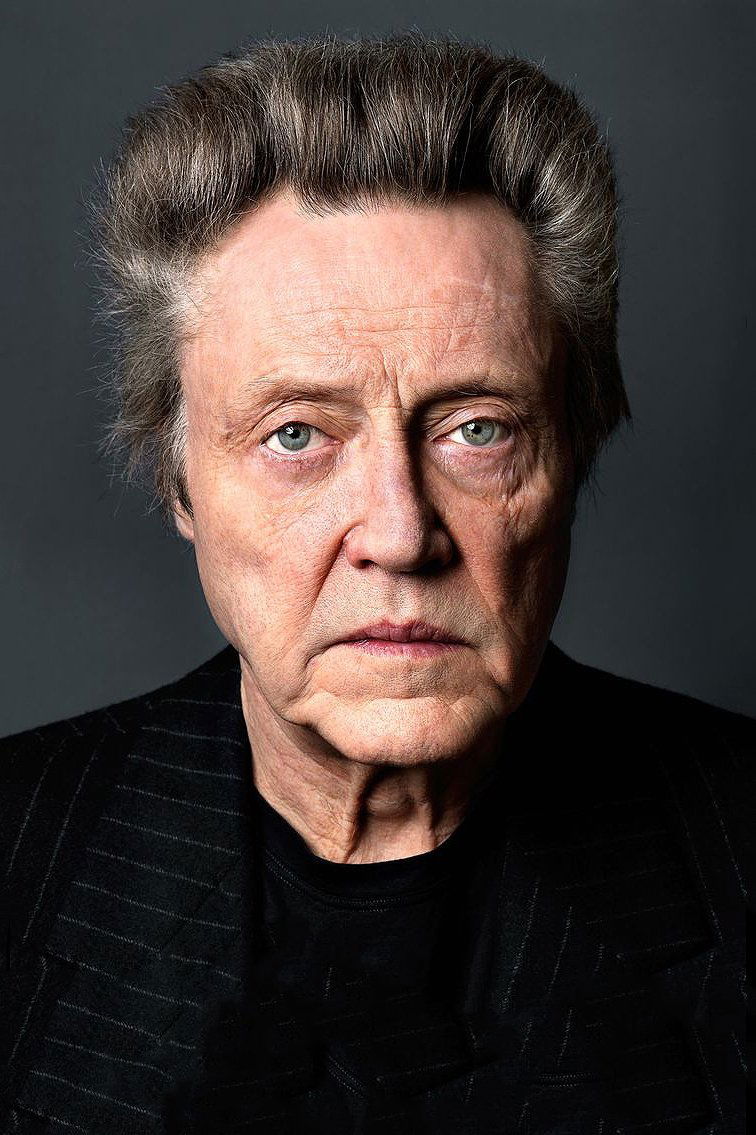
The term "actor Christopher" most prominently refers to Christopher Reeve, the iconic performer best known for his definitive portrayal of Superman in the 1978 film of the same name and its subsequent sequels. While the name Christopher appears throughout the history of cinema—associated with notable figures like Christopher Walken, Christopher Plummer, and Christopher Lee—the cultural resonance of Christopher Reeve remains a primary subject of historical study due to his dual legacy as a leading man and a dedicated advocate for spinal cord injury research.
The Defining Era of Christopher Reeve
Born in 1952, Christopher Reeve was a classically trained actor who studied at Juilliard. His early career was defined by his commitment to the craft of acting, often preferring theater roles that challenged his range. However, his life and career were forever altered in 1978 when he was cast as the lead in Richard Donner’s Superman.
Reeve’s performance was transformative for the superhero genre. He brought a sense of earnestness, physical grace, and emotional vulnerability to the role of Clark Kent and his alter-ego. Unlike many action stars of the era, Reeve emphasized the "human" side of the alien protagonist. His ability to distinguish between the clumsy, stuttering Clark Kent and the confident, towering Superman through posture and vocal modulation set a gold standard for comic book characterizations that remains a reference point for actors in 2026.
Beyond the cape, Reeve’s filmography included diverse projects such as Somewhere in Time (1980), Deathtrap (1982), and The Remains of the Day (1993). These roles showcased a versatility that defied the "superhero" typecasting that often traps actors in long-running franchises.
The Turning Point: 1995 and Beyond
In May 1995, an equestrian accident left Christopher Reeve paralyzed from the neck down. This event marked the beginning of the second, and arguably more impactful, phase of his public life. Rather than withdrawing from the spotlight, Reeve utilized his fame to bring international attention to the plight of individuals living with spinal cord injuries.
He became the face of the Christopher & Dana Reeve Foundation, an organization dedicated to curing spinal cord injury by advancing innovative research and improving the quality of life for people living with paralysis. His advocacy work was instrumental in shifting the perception of spinal cord injuries from a permanent condition to a field of study worthy of significant investment and medical focus. By 2026, the progress in neuroplasticity research and assistive technologies owes much of its early public and legislative momentum to the visibility Reeve provided during the late 1990s and early 2000s.
Distinguishing Other Prominent Actors Named Christopher
The search intent for "actor Christopher" often requires clarification, as the history of film is populated by several titans who share the name. Understanding their distinct contributions helps differentiate the landscape of 20th and 21st-century performance.
Christopher Walken
Known for his distinctive cadence and an ability to play both menacing villains and offbeat comedic characters, Christopher Walken is an Academy Award-winning actor. His career spans over five decades, with landmark performances in The Deer Hunter (1978) and Pulp Fiction (1994). Walken’s brand of "unpredictable intensity" has made him one of the most recognizable and mimicked actors in Hollywood history.
Christopher Plummer
A giant of the Canadian stage and screen, Christopher Plummer’s career reached across generations. Best known to many as Captain von Trapp in The Sound of Music (1965), he experienced a significant late-career renaissance, winning an Academy Award in 2012 for Beginners. Plummer represented the "old guard" of Shakespearean-trained actors who transitioned seamlessly into high-profile commercial cinema.
Christopher Lee
Sir Christopher Lee is a cornerstone of genre cinema, specifically in the realms of horror and fantasy. His portrayal of Count Dracula for Hammer Film Productions established the modern cinematic image of the vampire. Later in his career, he introduced his work to a new generation through major roles in the Lord of the Rings and Star Wars franchises. His deep, commanding voice and aristocratic bearing defined his screen presence.
Comparative Overview of Notable "Christophers"
The following table categorizes these figures based on their primary cinematic contributions and their enduring legacy in the film industry.
| Actor | Primary Genre/Legacy | Notable Work | Cultural Significance |
|---|---|---|---|
| Christopher Reeve | Superhero / Drama | Superman (1978) | Iconic hero and disability advocate. |
| Christopher Walken | Drama / Crime / Comedy | The Deer Hunter | Master of eccentric character roles. |
| Christopher Plummer | Classic Drama / Theater | The Sound of Music | Versatile longevity and stage mastery. |
| Christopher Lee | Horror / Epic Fantasy | Dracula (1958) | Defined the modern gothic villain. |
The Impact of Legacy Actors on Modern Performance
In 2026, the influence of these actors remains embedded in the training and expectations of modern performers. Method acting, the use of voice, and the ability to maintain gravitas within high-concept fantasy films are all legacies cultivated by these men.
For instance, the modern "franchise actor" often looks to the career of Christopher Reeve to understand how to maintain professional identity while participating in massive intellectual property projects. Similarly, the work of Christopher Lee serves as a blueprint for character actors who find their greatest success in "genre" films rather than standard leading-man roles.
Examining the Professional Trajectory
The career path of an actor like Christopher Reeve highlights several critical stages in the lifecycle of a professional performer:
- Foundational Training: All these actors began with rigorous discipline. Whether at Juilliard or in the British repertory theater tradition, they developed a craft that allowed them to move between high-brow drama and mainstream entertainment.
- The Breakout Role: Each actor had a role that shifted the public perception of their capabilities. For Reeve, it was the balance of mythic status and humanity; for Walken, it was his ability to embody psychological unease.
- The Pivot: A defining moment occurs when an actor decides to move away from their most recognizable role. This is where legacy is solidified. Reeve’s move into advocacy is the most extreme example, but Plummer’s late-career pivot to character work is equally significant in showing that an actor’s utility does not end with youth.
Challenges and Considerations for Actors Today
For those researching "actor Christopher" to gain insight into the industry, it is essential to recognize the changing landscape of acting. The reliance on digital transformation and AI-driven performance in 2026 poses new questions about the "authenticity" that the original Christopher Reeve or Christopher Plummer brought to the screen.
Acting remains a profession governed by specific prerequisites:
- Physicality: As seen in Reeve’s portrayal of Superman, the ability to control one's body language is the primary tool of the actor.
- Vocal Control: A signature trait of Christopher Lee and Christopher Plummer, vocal range is often the deciding factor in casting and the longevity of a career.
- Public Advocacy: In the current era, the "celebrity actor" is expected to be a brand and an advocate. Reeve’s transition from actor to activist is now a standard, though challenging, expectation for those with a public platform.
Frequently Asked Questions (FAQ)
1. Who is considered the most famous actor named Christopher? While fame is subjective, Christopher Reeve holds a unique historical position due to his iconic role as Superman and his high-profile humanitarian work. Other actors like Christopher Walken and Christopher Lee enjoy massive cult and critical followings for their distinct acting styles.
2. Did Christopher Reeve perform his own stunts as Superman? Reeve performed many of his own stunts, famously working on wires and enduring difficult physical conditions during the flying sequences of the Superman films. His athletic background was a major factor in the film's visual success.
3. What is the Christopher & Dana Reeve Foundation? It is a non-profit organization founded by Christopher and his wife, Dana, dedicated to curing spinal cord injuries. As of 2026, it remains one of the leading organizations globally for research funding and providing support resources for paralyzed individuals.
4. Why are actors like Christopher Lee and Christopher Plummer considered "legendary"? They are considered legends because they spanned several distinct eras of film history. They transitioned from black-and-white cinema to color, and from traditional stage performance to modern digital effects, maintaining excellence throughout their decades-long careers.
5. How do I distinguish between these actors when researching film history? The most effective way to distinguish them is by looking at the genres they dominated. Christopher Reeve is linked to superhero and drama, Christopher Walken to intense character study, Christopher Plummer to classic theater and drama, and Christopher Lee to gothic horror and high fantasy.
Next Actions for Enthusiasts and Researchers
If you are researching the work of these actors for academic, professional, or personal interest, the recommended next step is to look beyond their most famous films. To truly appreciate the craft of "actor Christopher," seek out:
- Christopher Reeve’s theater performances: Look for archived recordings of his stage work, which highlight his raw acting ability.
- Christopher Walken’s comedic appearances: These reveal a layer of self-awareness often missed in his dramatic roles.
- Christopher Plummer’s audiobooks and voice work: This highlights the immense control he maintained over his instrument—his voice—even into his final years.
By studying these diverse careers, one gains a holistic view of what it means to be a working actor in a demanding, ever-evolving industry. Each of these men offers a masterclass in adaptation, perseverance, and the pursuit of excellence.