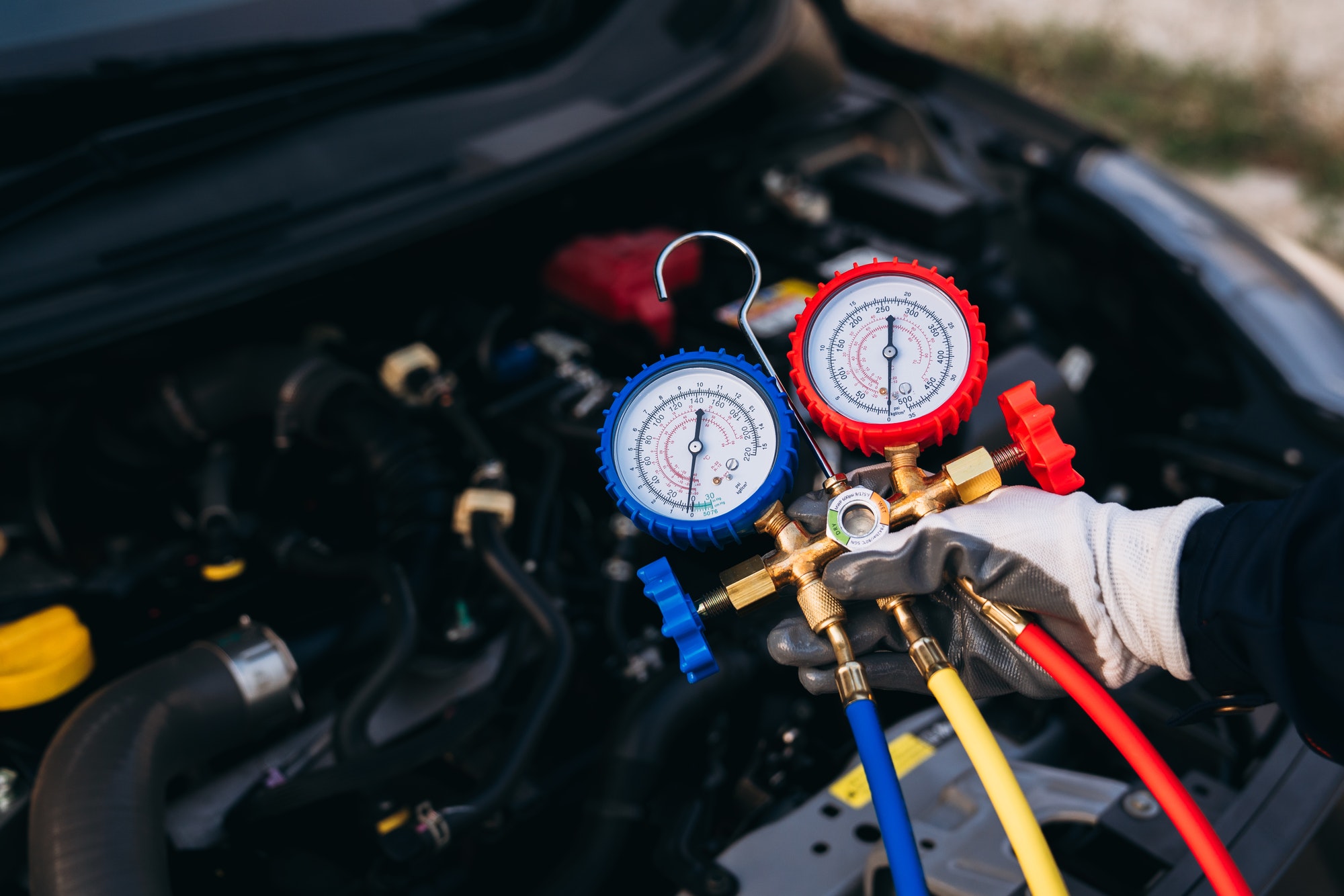
In Bakersfield, securing professional AC repair involves identifying a licensed HVAC technician to diagnose mechanical or electrical failures, typically costing between $150 and $600 for common repairs. Given the region’s extreme summer temperatures, immediate response is critical to prevent indoor heat exhaustion and secondary system damage.
The climate of the southern San Joaquin Valley presents unique challenges for residential and commercial cooling systems. With summer highs frequently exceeding 100°F (38°C) for weeks at a time, air conditioning is not a luxury in Bakersfield; it is a vital utility for health and safety. Understanding the mechanics of your system, the local regulatory environment in 2026, and the specific environmental factors of Kern County can help you manage repair costs and extend the lifespan of your unit.
Why Bakersfield’s Climate Demands Specialized AC Care
Bakersfield residents face a combination of extreme heat and high particulate matter. The "Kern County Heat" places a relentless load on HVAC (Heating, Ventilation, and Air Conditioning) systems, forcing them to run for 12 to 18 hours a day during peak July and August months. This constant cycling accelerates the wear and tear on critical components like the compressor, fan motor, and start capacitors.
Furthermore, the agricultural activity and geography of the valley lead to significant dust and pollen accumulation. For an air conditioner, dust is a silent killer. It coats the evaporator coils inside and the condenser coils outside, creating an insulating layer that prevents efficient heat exchange. When heat cannot be released, the compressor works harder and hotter, eventually leading to a catastrophic "burnout" that can cost thousands of dollars to replace. Local technicians often prioritize coil cleaning and high-MERV (Minimum Efficiency Reporting Value) filtration as primary defenses against the specific environmental stressors of the region.
Common AC Problems in Bakersfield Homes
In 2026, many homes in Bakersfield are transitioning between older R-410A systems and newer units using A2L refrigerants like R-454B or R-32. Regardless of the refrigerant type, several issues remain the most frequent reasons for service calls.
1. Capacitor and Electrical Failures
The start and run capacitors are the most common points of failure during a Bakersfield heatwave. These small, cylindrical components store electricity and provide the "jolt" needed to start the motors. Heat is the enemy of capacitors. When outdoor temperatures soar, the internal chemistry of the capacitor degrades. If your AC is humming but the fan isn't spinning, or if you hear a clicking sound from the outdoor unit, a blown capacitor is the likely culprit.
2. Refrigerant Leaks and the 2026 Landscape
By 2026, the phase-down of high-GWP (Global Warming Potential) refrigerants has significantly impacted repair costs for older units. If your system was installed before 2023, it likely uses R-410A. While still available, the cost per pound has risen due to supply caps. A leak in the copper lines or the evaporator coil doesn't just stop the cooling process; it exposes the system to moisture and acid. Bakersfield technicians must now use specialized electronic leak detectors to find these microscopic holes, as "topping off" a system without fixing the leak is both environmentally irresponsible and increasingly expensive for the homeowner.
3. Clogged Condensate Drain Lines
Bakersfield may be semi-arid, but air conditioners still pull significant moisture from the indoor air. This water collects in a drain pan and exits through a PVC pipe. Over time, algae and dust "sludge" can clog this line. In 2026, most local codes require float switches that shut the system down if a clog is detected to prevent water damage to your ceiling or floors. If your AC suddenly stops working and the thermostat screen is blank, a backed-up drain line is a common, and relatively simple, fix.
Troubleshooting Your AC Before Calling a Professional
Before committing to a service fee, which in Bakersfield ranges from $85 to $150 just for the visit, perform these basic checks.
- Check the Thermostat Batteries: It sounds simple, but a dead battery in a non-communicating thermostat is a frequent cause of "broken" ACs.
- Inspect the Air Filter: A heavily soiled filter restricts airflow to the point where the evaporator coil freezes into a block of ice. If you see ice on the copper lines, turn the system off, set the fan to "On," and replace the filter.
- Verify the Circuit Breakers: HVAC systems pull a lot of amperage. Check your main electrical panel and the outdoor "disconnect" box. If a breaker has tripped, flip it fully to "Off" and then back to "On." If it trips again immediately, do not force it; there is a short circuit that requires professional attention.
- Clear the Outdoor Unit: Ensure there are at least two feet of clearance around your outdoor condenser. Dried weeds, tumbleweeds, or stored items can choke the unit, leading to high-pressure cutouts.
Cost of AC Repair in Bakersfield (2026 Estimates)
Costs for HVAC services have stabilized in 2026 following the supply chain volatility of previous years, though California’s labor rates and refrigerant regulations keep prices higher than the national average.
| Repair Service | Estimated Cost (Parts & Labor) | Typical Duration |
|---|---|---|
| Service Call / Diagnostic Fee | $85 – $150 | 30 – 60 Minutes |
| Capacitor Replacement | $180 – $350 | 1 Hour |
| Contactor Replacement | $200 – $400 | 1 Hour |
| Condenser Fan Motor | $450 – $900 | 2 – 3 Hours |
| Refrigerant Recharge (R-410A) | $300 – $800+ | 1 – 2 Hours |
| Evaporator Coil Repair/Replace | $1,200 – $2,800 | 4 – 6 Hours |
| Blower Motor Replacement | $600 – $1,200 | 2 – 3 Hours |
| Thermostat Replacement (Smart) | $250 – $600 | 1 Hour |
Note: Prices vary based on system SEER2 rating, brand (e.g., Trane, Carrier, Lennox), and whether the repair is performed during emergency "after-hours" windows.
Choosing the Right HVAC Contractor in Kern County
Bakersfield has hundreds of HVAC companies, ranging from "one-man-and-a-van" operations to large regional corporations. Selecting the right one is essential for warranty protection and system longevity.
Verify CSLB Licensing
In California, any job over $500 requires a contractor’s license. You should only hire technicians working under a valid C-20 (Warm-Air Heating, Ventilating and Air-Conditioning) license. You can verify this on the California State License Board (CSLB) website. Licensed contractors must carry workers' compensation insurance and a contractor’s bond, which protects you if the job is performed poorly or left unfinished.
NATE Certification
North American Technician Excellence (NATE) is the gold standard for individual technician certification. A NATE-certified technician has passed rigorous exams on installation and service. In a high-stakes environment like Bakersfield, where improper refrigerant charging can lead to a 20% increase in energy bills, NATE certification ensures the job is done to manufacturer specifications.
Local Reputation and Reviews
Avoid companies that rely solely on "door-knocking" or aggressive telemarketing. Look for established Bakersfield firms with physical addresses in areas like the Stockdale Industrial Park or Rosedale. Check local reviews for mentions of "emergency response times," as a company that can't get to you for three days during a 110-degree spike may not be the best partner for seasonal maintenance.
Energy Efficiency and California Regulations
As of 2026, California’s Title 24 Building Energy Efficiency Standards continue to push for higher efficiency in HVAC repairs and replacements. If you are replacing a major component like a condenser or a furnace in Bakersfield, the technician may be required to perform a HERS (Home Energy Rating System) test. This involves a third-party inspector verifying that the ductwork is not leaking and that the refrigerant charge is accurate.
Furthermore, the South Coast Air Quality Management District (SCAQMD) rules often influence San Joaquin Valley standards regarding Ultra-Low NOx furnaces. While this primarily affects heating, most Bakersfield homes use "split systems" where the AC and furnace are integrated. Ensure your repair technician understands these local mandates to avoid fines or issues during a home sale.
The Importance of Annual Tune-ups in the Valley
Preventative maintenance is the only way to avoid the "July Breakdown." A standard Bakersfield AC tune-up should include:
- Chemical Cleaning of Condenser Coils: Removing the "valley dust" to restore heat transfer.
- Amp Draw Measurement: Checking the health of the compressor and motors by measuring their electrical consumption.
- Duct Inspection: In older Bakersfield neighborhoods like Oleander or Westchester, aging ducts can leak up to 30% of cooled air into the attic.
- Refrigerant Level Check: Ensuring the system is operating at the correct subcooling or superheat levels.
FAQ: AC Repair in Bakersfield
How long do AC units typically last in Bakersfield?Due to the extreme heat and heavy usage, the average lifespan of a central air conditioner in Bakersfield is 10 to 14 years. This is slightly lower than the national average of 15 to 20 years because of the high "run-time" hours and environmental dust.
Is it worth repairing an 11-year-old AC unit?If the repair is minor, such as a capacitor or a contactor (under $400), it is usually worth it. However, if the compressor has failed or there is a major leak in an R-410A system, the cost of repair may be 40-50% of the cost of a new, high-efficiency SEER2 unit. In such cases, replacement is often the more financially sound long-term decision.
Why is my AC running but the house isn't getting cold?In Bakersfield, this is most often caused by a dirty outdoor condenser coil, a refrigerant leak, or a failing compressor. If the air coming from your vents feels "room temperature," turn the system off immediately. Continuing to run it can cause the compressor to overheat and seize.
Are there rebates for AC repair or replacement in 2026?Yes. Through the Inflation Reduction Act (IRA) and local utility programs from PG&E or Southern California Edison, Bakersfield residents may qualify for tax credits or rebates when upgrading to high-efficiency heat pumps or high-SEER2 central air systems. Some repairs that improve efficiency, like duct sealing, may also qualify for local incentives.
What is the "Emergency Service" protocol in Bakersfield?Most reputable local companies offer 24/7 emergency service. "Emergency" is generally defined as a total system failure when outdoor temperatures exceed 90°F, or if there are vulnerable individuals (elderly, infants, or those with medical conditions) in the home. Expect to pay a premium "after-hours" diagnostic fee for nights and weekends.
Practical Recommendation for Homeowners
If your air conditioner is struggling to keep up with the Bakersfield heat, do not wait for it to fail completely. High energy bills and frequent cycling are early warning signs. Contact a C-20 licensed contractor to perform a comprehensive system analysis. For those with systems older than 10 years, 2026 is an ideal time to explore heat pump technology, which provides both cooling and heating with significantly higher efficiency than traditional gas/electric split systems, often qualifying for substantial California state rebates.
Professional Advice Limitation: This guide is for informational purposes and does not replace the diagnostic assessment of a qualified professional. HVAC systems involve high-voltage electricity and pressurized refrigerants; DIY repairs can result in injury, voided warranties, or legal penalties under EPA Section 608.