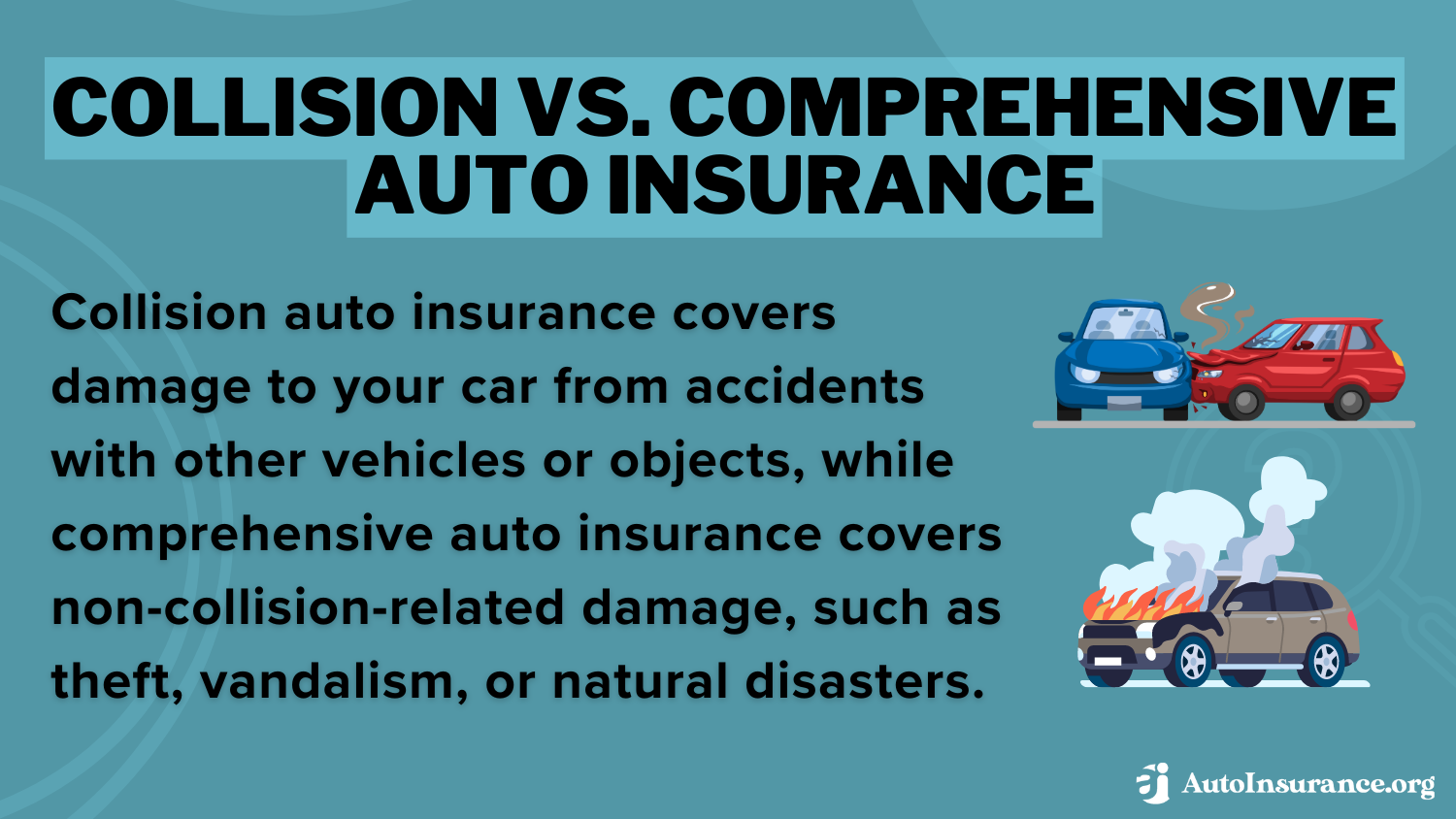
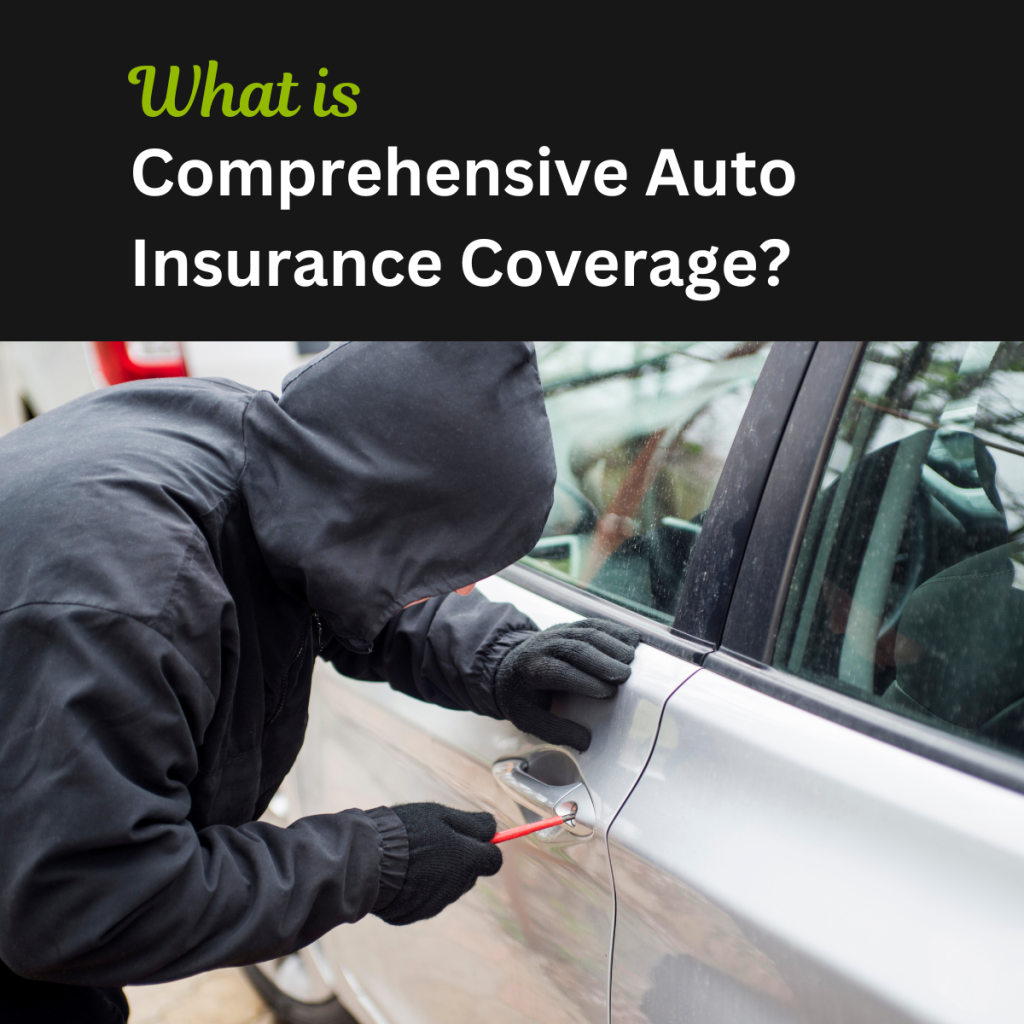
AAA comprehensive auto insurance provides financial protection against the theft of your vehicle, as well as damage resulting from attempted theft or break-ins. This coverage is specifically designed for incidents that occur outside of a collision, such as theft, vandalism, fire, or falling objects. While it covers the vehicle itself and its factory-installed parts, it typically does not cover personal belongings stolen from inside the car, which are usually handled through homeowners or renters insurance.
Comprehensive coverage, often referred to by insurance professionals as "Other Than Collision" coverage, is a critical component of a "full coverage" insurance package. For members of the American Automobile Association (AAA), understanding the nuances of this coverage is essential, especially as vehicle theft techniques and the value of automotive components continue to evolve in 2026.
Understanding AAA Comprehensive Coverage in 2026
When you purchase an auto insurance policy through a AAA-affiliated club—such as the Auto Club Group (ACG), CSAA Insurance Group, or the Auto Club of Southern California—the comprehensive portion of your policy is what shields you from the financial loss of a stolen vehicle. In 2026, with the rising costs of both new and used vehicles, the importance of this protection cannot be overstated.
Comprehensive insurance is optional unless you are financing or leasing your vehicle. If you have a loan or a lease, your lienholder will almost certainly require you to maintain both collision and comprehensive insurance to protect their investment. If you own your vehicle outright, the decision to carry comprehensive insurance depends on the vehicle's value versus the cost of the premium and the deductible.
What Specifically Is Covered Under Theft?
Under a standard AAA comprehensive policy, "theft" is interpreted broadly but has specific boundaries regarding what is being compensated:
- Total Vehicle Theft: If your entire car is stolen and not recovered, AAA will compensate you for the Actual Cash Value (ACV) of the vehicle, minus your deductible.
- Component Theft: If parts of your vehicle are stolen—such as the catalytic converter, specialized headlights, or the infotainment system—comprehensive coverage pays for the replacement of these parts.
- Damage from a Break-in: If a thief smashes a window, pries open a door, or damages the ignition system in an attempt to steal the car, comprehensive insurance covers the repairs for these damages.
- Vandalism: If a thief defaces the vehicle during a theft attempt (e.g., slashing tires or spray-painting the interior), this falls under the comprehensive umbrella.
The Personal Property Misconception
One of the most common points of confusion for AAA members is the theft of personal items from inside the vehicle. It is a frequent assumption that "auto insurance covers the car and everything in it." However, this is factually incorrect for almost all standard auto policies in 2026.
Auto Insurance vs. Homeowners/Renters Insurance
If a thief steals your laptop, smartphone, or expensive gym gear from the backseat of your car, your AAA auto insurance policy will cover the broken window used to gain entry, but it will not pay for the stolen items.
Instead, personal property is covered by your homeowners or renters insurance policy, even if the items were in the car at the time of the theft. This often means filing two separate claims: one with your auto insurer for the vehicle damage and one with your home/renters insurer for the personal property. You would likely have to pay two separate deductibles in this scenario, which can be a significant financial burden.
How AAA Calculates Payouts for Stolen Vehicles
In the event of a total theft where the vehicle is not recovered, or is recovered in a "totaled" state, AAA does not simply give you enough money to buy a brand-new car. The settlement is based on the Actual Cash Value (ACV).
Determining Actual Cash Value (ACV)
ACV is defined as the replacement cost of the vehicle minus depreciation. In 2026, AAA adjusters use sophisticated market data to determine what your car would have sold for on the private market the day before it was stolen. Factors include:
- Mileage: Higher mileage significantly reduces the ACV.
- Condition: Pre-existing damage or mechanical issues are factored in.
- Local Market Trends: The value of a 4WD truck might be higher in Colorado than in Florida.
- Optional Equipment: Factory-installed features like premium sound systems or leather upholstery increase the value.
The Role of the Deductible
Your comprehensive deductible is the amount you agree to pay out of pocket before AAA covers the rest. If your stolen car is valued at $20,000 and your deductible is $500, AAA will issue a check for $19,500. Choosing a higher deductible can lower your monthly premiums, but it increases your immediate financial liability in the event of a theft.
Specific Theft Scenarios and Coverage Details
To provide a clearer picture of how AAA handles different theft-related incidents, consider the following technical details regarding modern automotive risks.
Catalytic Converter Theft
In 2026, the theft of catalytic converters remains a significant issue due to the precious metals contained within them. Because a catalytic converter is a permanent, factory-installed part of the exhaust system, its theft is covered under AAA comprehensive insurance. Because the cost of replacement can often exceed $2,000 for certain hybrid models, having a low comprehensive deductible is highly beneficial for this specific risk.
High-Tech "Relay" and "Keyless" Theft
As vehicles have become more technologically advanced, thieves have moved from "smash and grab" to "relay attacks," where they intercept the signal from your key fob to unlock and start the car without physical damage. AAA comprehensive insurance covers these high-tech thefts just as it would a traditional theft. However, the policyholder may be required to prove they were in possession of all keys to rule out negligence or fraud.
Custom Parts and Equipment (CPE)
If you have added aftermarket parts to your vehicle—such as custom rims, a high-end lift kit, or an expensive non-factory paint job—standard comprehensive coverage may have a limit (often $1,000 to $5,000) on how much it will pay for these items. If your customizations exceed this value, you must add a "Custom Parts and Equipment" endorsement to your AAA policy to ensure they are fully covered against theft.
| Scenario | Covered by AAA Comprehensive? | Notes |
|---|---|---|
| Entire car stolen from driveway | Yes | Paid at Actual Cash Value minus deductible. |
| Catalytic converter cut out | Yes | Covered as a vehicle component. |
| Laptop stolen from passenger seat | No | Typically covered by Homeowners/Renters insurance. |
| Broken window during break-in | Yes | Repair costs covered after deductible. |
| Car stolen with keys left inside | Yes | May lead to an investigation, but usually covered. |
| Aftermarket $5,000 stereo stolen | Partial | Subject to policy limits for custom equipment. |
| GPS system (Factory Installed) | Yes | Part of the vehicle's original equipment. |
The Claims Process for Theft in 2026
Filing a theft claim with AAA requires a systematic approach to ensure the quickest possible settlement. Because theft involves criminal activity, the documentation requirements are stricter than for a standard fender-bender.
Step 1: File a Police Report
You cannot initiate a theft claim with AAA without a police report. In 2026, many jurisdictions allow you to file these reports online for "theft from a vehicle," but "theft of a vehicle" usually requires an officer to visit the scene or for you to go to the station. You must obtain a case number and, eventually, a copy of the full report.
Step 2: Notify AAA Promptly
Contact the AAA claims department as soon as possible. You can typically do this via the AAA mobile app, their website portal, or by calling their 24/7 claims hotline. Prompt notification allows AAA to start the "waiting period."
Step 3: The Waiting Period
Most AAA policies include a mandatory waiting period—often 7 to 30 days—before they declare a stolen vehicle a "total loss." This period exists because many stolen vehicles are recovered within the first week, often abandoned or involved in joyrides. If the car is recovered during this time, the claim switches from a "total theft" claim to a "repair" claim for any damages found.
Step 4: Documentation and Evaluation
You will need to provide AAA with:
- Vehicle title (or lienholder information).
- Service records (to prove the vehicle was well-maintained, which can help justify a higher ACV).
- All sets of keys.
- A list of any recent upgrades or new tires.
Step 5: Settlement
Once the waiting period expires and the ACV is determined, AAA will offer a settlement. If you have an outstanding loan, the check will be made out to both you and the lender, or directly to the lender. If you have Gap Insurance (which AAA offers in many regions), it will cover the difference if you owe more on your loan than the car's ACV.
Exclusions and Limitations to Watch For
While AAA comprehensive coverage is robust, it is not an "all-risk" policy without limits. Certain exclusions can result in a denied claim or a lower-than-expected payout.
- Negligence: While most policies cover theft even if you accidentally left the door unlocked, gross negligence (such as leaving the engine running while you go into a store) can occasionally complicate a claim, depending on state laws and specific policy language.
- Family Members/Roommates: If a member of your household takes the car without permission, insurance companies often view this as a "permissive use" issue or an internal civil matter rather than "theft" unless you are willing to press criminal charges against that person.
- Business Use: If your car is stolen while being used for commercial purposes (like delivery or rideshare) and you do not have a business use endorsement, the claim may be denied.
- Fraud: Intentional "theft" (owner-staged theft) is a felony. AAA, like all insurers in 2026, uses advanced forensic data and AI-driven pattern recognition to identify fraudulent claims.
Frequently Asked Questions
Does my AAA membership include theft insurance?
No. A AAA membership (Classic, Plus, or Premier) provides roadside assistance and discounts but does not include auto insurance. You must purchase a separate AAA auto insurance policy and specifically select "comprehensive coverage" to be protected against theft.
Will my premium go up if my car is stolen?
Generally, comprehensive claims (like theft) do not impact your premium as much as "at-fault" collision claims. However, if you live in an area with a sudden spike in thefts or if you file multiple comprehensive claims in a short window, your rates may increase at your next renewal.
Does AAA cover theft if I am traveling?
Yes. AAA comprehensive insurance provides coverage across the United States and Canada. If you are traveling to Mexico, you will likely need to purchase a specific Mexico Tourist Auto Insurance policy, which AAA also facilitates, as standard U.S. policies often have limited or no coverage there.
What if my car is recovered after AAA has already paid the claim?
If AAA pays out a total loss claim and the car is found later, the vehicle legally belongs to AAA. They will typically sell the recovered vehicle at a salvage auction to recoup their losses. You generally do not have the right to take the car back unless you negotiate a "buy-back" with the insurer.
Does AAA cover a stolen rental car?
If you have comprehensive coverage on your own policy, it often extends to a rental car you are driving. If the rental car is stolen, your AAA policy would cover the ACV of the rental, subject to your deductible. However, it may not cover the rental company's "loss of use" fees, which is why many travelers still opt for the rental company's Loss Damage Waiver (LDW).
Practical Recommendations
To maximize your protection and ensure a smooth experience with AAA in the event of theft, consider the following actions:
- Review Your Deductible: If you cannot afford to replace your vehicle out of pocket, ensure your comprehensive deductible is set at a manageable level (e.g., $250 or $500).
- Install Anti-Theft Devices: AAA often provides discounts for vehicles equipped with VIN etching, GPS tracking (like LoJack), or active alarm systems. These not only lower your premium but increase the chances of recovery.
- Document Your Interior: Periodically take photos of your car's interior and any installed equipment. In 2026, having a digital record stored in the cloud can expedite the valuation process.
- Consider Gap Insurance: If you are financing a newer vehicle, ask your AAA agent about Gap coverage. Since comprehensive only pays the Actual Cash Value, you could be left owing thousands of dollars to a lender if the car's market value has dropped faster than your loan balance.
- Separate Your Claims: Remember that high-value items like jewelry or professional camera gear are not part of the auto policy. If you carry such items frequently, ensure your homeowners/renters policy "scheduled personal property" limits are sufficient.