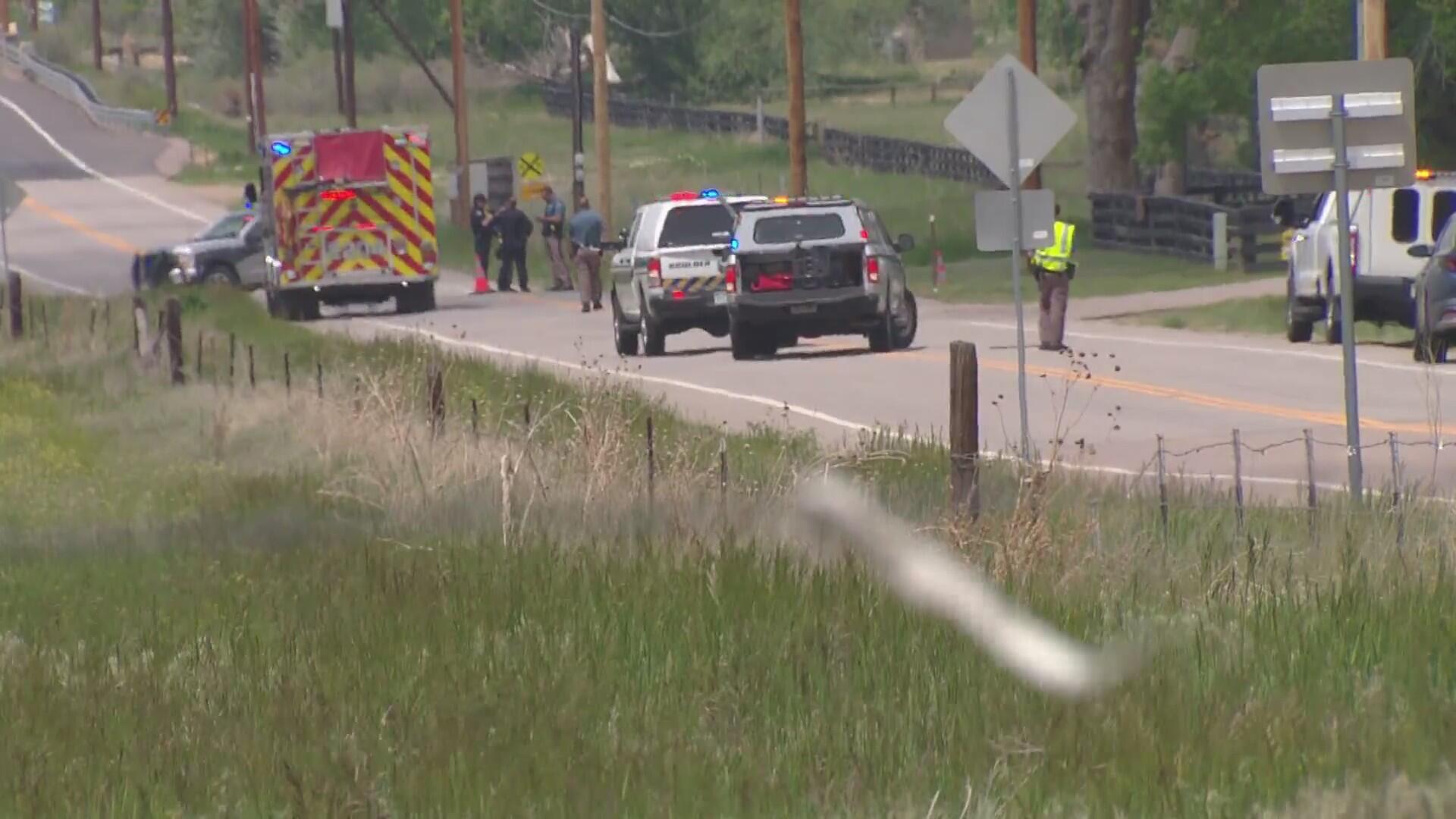
When a 9-year-old child is involved in a hit-and-run accident, the immediate priorities are securing emergency medical attention and notifying law enforcement to begin a criminal investigation. Because the victim is a minor, the legal proceedings and insurance claims involve specific complexities regarding the statute of limitations, "vulnerable road user" laws, and the long-term assessment of pediatric injuries. As of 2026, stricter sentencing guidelines often apply to drivers who flee scenes involving children.
Immediate Medical and Safety Protocols for Child Victims
The physical stature of a 9-year-old makes them particularly vulnerable to severe injury during a vehicle strike. Unlike adults, children have lower centers of gravity, meaning a standard passenger vehicle is more likely to strike them in the torso or head rather than the lower extremities. Even if a child appears unharmed or claims they "feel fine" after the impact, internal trauma can be latent and life-threatening.
Addressing Hidden Pediatric Trauma
Adrenaline and shock can mask significant pain in children. Medical professionals prioritize screening for internal bleeding, organ damage (particularly the spleen and liver), and Traumatic Brain Injury (TBI). In 2026, pediatric emergency protocols emphasize that 9-year-olds are in a transitional stage of skeletal development; their bones are more flexible than adults', which may prevent fractures but can result in "internal decapitation" or severe soft-tissue damage that does not appear on standard X-rays.
Documentation for Legal Evidence
Every medical record generated immediately following the incident serves as critical evidence. Ensure that the attending physician documents the specific mechanics of the injury. If the driver is later caught, these records prove the "causal link" between the driver’s negligence and the child’s injuries. Failure to seek immediate care can be used by defense attorneys or insurance adjusters to argue that the injuries were sustained elsewhere or were exacerbated by a lack of parental supervision.
The Criminal Investigation: Identifying the Driver
A hit-and-run is a criminal offense, and when a child is the victim, police departments typically elevate the priority of the case. In 2026, the integration of municipal "Smart City" infrastructure and advanced digital forensics has changed how these investigations proceed.
Leveraging Modern Surveillance
In the immediate aftermath, law enforcement will canvas the area for several types of digital evidence:
- Ring and Nest Doorbell Cameras: Private residential footage is often the most reliable source for identifying vehicle make, model, and partial plate numbers.
- Traffic Management Systems: Municipalities increasingly use automated license plate readers (ALPRs) that can track a suspect vehicle's path through a city.
- Tesla and Modern Dashcam Footage: Nearby parked vehicles, particularly those with "Sentry Mode" or similar 360-degree recording capabilities, may have captured the incident even if the owners were not present.
Forensics at the Scene
Even if no cameras are present, physical evidence remains. Paint chips can be matched to specific vehicle manufacturing years and factory colors through the FBI’s National Automotive Paint File. Shattered glass from a headlight or side-mirror housing can help investigators identify the exact trim level of the suspect vehicle. When a 9-year-old is hit, the impact often leaves "transfer evidence" on the child's clothing or backpack, which can be analyzed for DNA or synthetic fibers from the vehicle’s exterior.
Legal Implications and Penalties for the Driver
Fleeing the scene of an accident is a crime in every jurisdiction, but the severity of the charge escalates when a "vulnerable road user" is involved. Most states categorize a hit-and-run resulting in injury to a minor as a felony.
Criminal Charges and "Duty of Care"
Drivers owe a higher "duty of care" when operating near schools, playgrounds, or residential zones where children are known to be present. In a court of law, a driver cannot simply claim they "didn't see" the 9-year-old; the law expects drivers to anticipate the unpredictable movements of children. If the driver is apprehended, they face charges that typically include:
- Leaving the Scene of an Accident Resulting in Injury: A felony charge that can carry 1 to 5 years in prison, depending on the severity of the injury.
- Reckless Endangerment: If the driver was speeding or distracted at the time of the strike.
- Vehicular Assault: A more serious charge if the driver was under the influence of controlled substances.
Sentencing Enhancements in 2026
By 2026, several states have adopted "Child Safety Zones" or "Vulnerable User" statutes. These laws provide for sentencing enhancements, meaning the judge can add additional years to a prison sentence specifically because the victim was a minor. These laws are designed to deter fleeing and to acknowledge the profound impact a hit-and-run has on a developing child.
Navigating Insurance Claims and Compensation
One of the most stressful aspects for parents is the financial burden of medical bills. If the driver is not immediately found, or if they are found but lack insurance, there are still avenues for recovery.
Uninsured Motorist (UM) Coverage
Most standard auto insurance policies include Uninsured Motorist (UM) coverage. This coverage is not just for when you are driving; it typically covers the policyholder and their resident family members (including children) if they are struck as pedestrians by a vehicle that flees the scene. The "phantom vehicle" is treated as an uninsured motorist.
Personal Injury Protection (PIP) and MedPay
Depending on your state of residence, PIP or MedPay may provide "no-fault" coverage. This means your insurance pays for the child’s initial medical bills regardless of who caused the accident. In 2026, PIP limits in several states have been adjusted to account for the rising costs of specialized pediatric care.
| Recovery Source | Availability | Typical Coverage Scope |
|---|---|---|
| Driver's Liability Insurance | Only if the driver is identified and insured. | Medical bills, pain/suffering, legal fees. |
| Uninsured Motorist (UM) | Primary source if the driver is not found. | Equivalent to standard liability limits. |
| MedPay / PIP | Available through the parents' auto policy. | Immediate medical expenses, regardless of fault. |
| Crime Victims Fund | State-funded; requires police report. | Counseling, out-of-pocket medical costs. |
| Health Insurance | Standard secondary source. | Hospitalization and long-term therapy. |
Civil Lawsuits: Seeking Damages for a Minor
While criminal court punishes the driver, civil court is where the family seeks "damages" (financial compensation) for the child. Because the victim is 9 years old, the calculations for these damages are different than for an adult.
Assessing Long-Term Impact
When an adult is injured, damages are often based on lost wages. For a child, the focus shifts to:
- Loss of Future Earning Capacity: If a 9-year-old suffers a permanent cognitive or physical disability, a life-care planner and vocational expert are hired to estimate what that child could have earned over their lifetime.
- Growth Plate Injuries: Children have "growth plates" at the ends of their bones. If these are damaged in a hit-and-run, the child may suffer from limb-length discrepancies or permanent deformities that require multiple surgeries as they age.
- Psychological Damages: A child who survives a hit-and-run often develops PTSD, a fear of cars, or severe anxiety. Compensation covers the cost of long-term pediatric counseling.
The Statute of Limitations for Minors
In most personal injury cases, the statute of limitations is 2 to 3 years. However, for minors, the "clock" often does not start until the child turns 18. This is known as "tolling." While this gives the family more time, it is highly recommended to file as soon as possible while evidence and witness memories are fresh. In 2026, some jurisdictions have tightened these tolling rules, making it essential to consult with a specialized personal injury attorney immediately.
The Role of a Personal Injury Attorney
Navigating a hit-and-run involving a minor requires a specific legal skillset. An attorney does more than file paperwork; they act as a buffer between the grieving family and aggressive insurance adjusters.
Investigating the "Unsolveable" Case
Top-tier legal firms in 2026 employ their own private investigators. These experts can sometimes find witnesses or camera footage that the police—who are often under-resourced—might miss. They also handle the "subrogation" process, ensuring that your health insurance company doesn't take too much of the settlement money that was intended for your child’s future.
Court-Appointed Guardians and Settlements
When a settlement is reached for a minor, the court often requires the appointment of a Guardian ad Litem to ensure the settlement is in the child’s best interest. Usually, the money is placed into a "blocked account" or a structured settlement annuity that the child cannot access until they turn 18, ensuring the funds are preserved for their adult life.
Practical Steps to Take Right Now
- Secure All Evidence: Keep the child's clothing, shoes, and any items they were carrying (like a backpack or bike) in the state they were in during the accident. Do not wash them; they may contain paint or DNA evidence.
- Request the Police Incident Number: Do not wait for the final report; get the case number immediately to provide to your insurance company.
- Establish a Care Journal: Document the child’s recovery daily. Note their pain levels, nightmares, or changes in behavior. This becomes vital evidence for "pain and suffering" claims.
- Avoid Social Media: Do not post details of the accident or the child’s recovery online. Insurance adjusters and defense attorneys monitor social media to find evidence that the injuries are "less severe" than claimed.
- Consult a Specialized Lawyer: Look for an attorney with a proven track record in pediatric personal injury and hit-and-run cases.
Frequently Asked Questions
What happens if the driver is never found? If the driver remains unidentified, you generally pursue a claim through your own Uninsured Motorist (UM) coverage. This allows you to recover damages from your own insurance carrier as if they were the driver's insurance. If you do not have UM coverage, you may be eligible for state-specific crime victim compensation funds, which provide limited financial assistance for medical bills and counseling.
Can a 9-year-old be found "at fault" for a hit-and-run? Legally, children are held to a lower standard of care than adults. In many states, a child of 9 is considered "incapable of contributory negligence," meaning the law recognizes they lack the cognitive maturity to fully appreciate traffic dangers. Even if the child "darted out," the driver's failure to stop and remain at the scene is a separate criminal act that usually overrides the child's actions in civil liability assessments.
How long does it take to settle a hit-and-run case involving a child? Cases involving children typically take longer because lawyers want to wait for "Maximum Medical Improvement" (MMI). For a 9-year-old, this might involve waiting months or a year to see if the injury affects their growth or cognitive development. Settling too early can be a mistake, as you cannot ask for more money later if new complications arise.
Are there specific laws for 9-year-old victims in 2026? While the fundamental laws remain consistent, 2026 has seen an increase in "Vulnerable Road User" (VRU) statutes across many states. These laws provide higher civil penalties and mandatory minimum jail time for drivers who strike pedestrians under the age of 14 and flee. Some new regulations also mandate that insurance companies expedite "minor-victim" claims to ensure children receive timely rehabilitation.
Disclaimer: This article provides general information and does not constitute legal or medical advice. Laws vary significantly by jurisdiction. Consult with a licensed attorney and qualified medical professional regarding the specifics of your situation.