Applying for life insurance involves a structured process beginning with a financial needs assessment and concluding with policy activation. In 2026, the standard procedure entails seven specific steps: determining coverage requirements, selecting a policy type, comparing carrier quotes, submitting a formal application, undergoing medical underwriting, reviewing the insurer's offer, and making the initial premium payment to bind the coverage.
Securing a life insurance policy is one of the most significant financial decisions an individual can make. It serves as a foundational element of a robust financial plan, providing a safety net for beneficiaries in the event of the policyholder's death. While the process may appear daunting due to the technical language and medical requirements, modern advancements in digital underwriting have streamlined the experience. By following a methodical approach, applicants can ensure they obtain the correct amount of coverage at a competitive rate.
Step 1: Conduct a Comprehensive Needs Analysis
Before looking at specific products, you must quantify your financial obligations. A common mistake is selecting a "round number" like $500,000 or $1,000,000 without calculating actual requirements. In the economic climate of 2026, where inflation and education costs continue to fluctuate, a more precise formula is necessary.
Financial experts often recommend the DIME formula, which stands for:
- Debt: Total all outstanding personal loans, credit card balances, and car notes.
- Income: Multiply your annual salary by the number of years your family would need support (often 10 to 15 years).
- Mortgage: Include the full payoff amount of your home loan to ensure your family can remain in their residence.
- Education: Estimate the future costs of tuition and expenses for children or dependents.
Additionally, consider "final expenses," such as funeral and burial costs, which can range from $10,000 to $20,000. Subtract any existing liquid assets, such as current savings or employer-sponsored group life insurance, from this total. The resulting figure is your coverage gap—the amount of life insurance you should ideally apply for.
Step 2: Choose the Appropriate Policy Type
Life insurance is broadly categorized into two types: term and permanent. Choosing between them depends on the duration of your needs and your long-term financial goals.
Term Life Insurance
Term life insurance provides coverage for a specific period, typically 10, 20, or 30 years. It is designed to cover temporary needs, such as the duration of a mortgage or the years until children reach adulthood. Term insurance is generally the most affordable option, as it lacks a cash value component and only pays a benefit if the insured passes away during the term.
Permanent Life Insurance
Permanent insurance, including Whole Life, Universal Life, and Variable Universal Life, provides coverage for the insured's entire lifetime, provided premiums are paid. These policies include a cash value component that grows over time and can sometimes be borrowed against or withdrawn. While more expensive than term insurance, permanent policies are often used for estate planning, lifelong care for a dependent with disabilities, or as a supplemental wealth-building tool.
Step 3: Compare Carrier Quotes and Financial Strength
Not all insurance companies are created equal. Once you know how much coverage you need and the type of policy you want, the next step is to research carriers. In 2026, the price of a policy is only one factor; the financial stability of the company is equally vital.
Use independent rating agencies to verify a carrier's ability to pay future claims. Organizations like A.M. Best provide letter grades (e.g., A++, A, B+) that reflect an insurer's financial health.
When comparing quotes, ensure you are looking at "apples-to-apples" comparisons. This means comparing the same death benefit amount, term length, and riders (optional add-ons). Common riders in 2026 include:
- Accelerated Death Benefit: Allows you to access a portion of the death benefit if diagnosed with a terminal illness.
- Waiver of Premium: Waives premium payments if you become totally disabled.
- Child Term Rider: Provides a small amount of coverage for children under the parent’s policy.
Step 4: Submit the Formal Application and Initial Interview
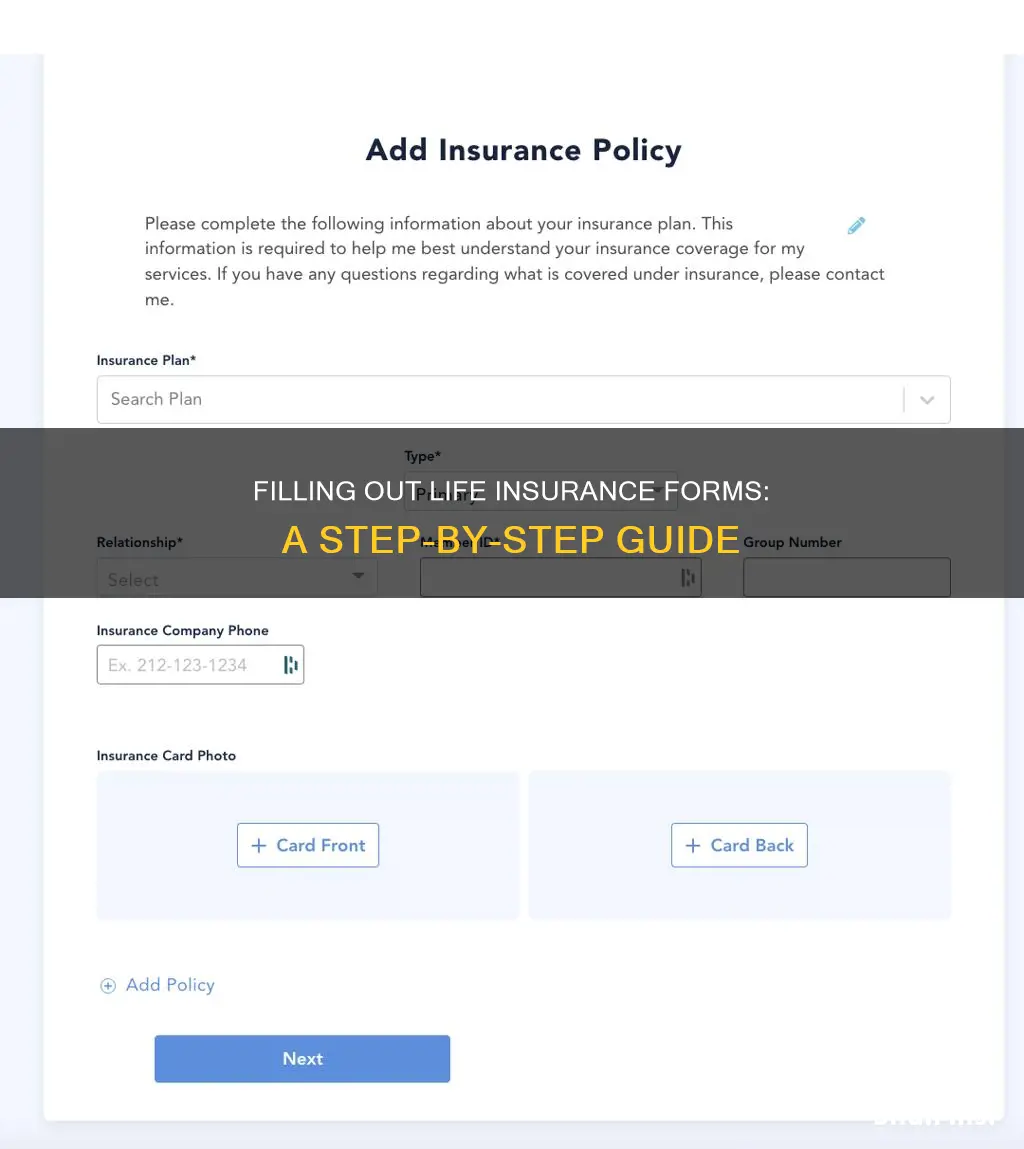
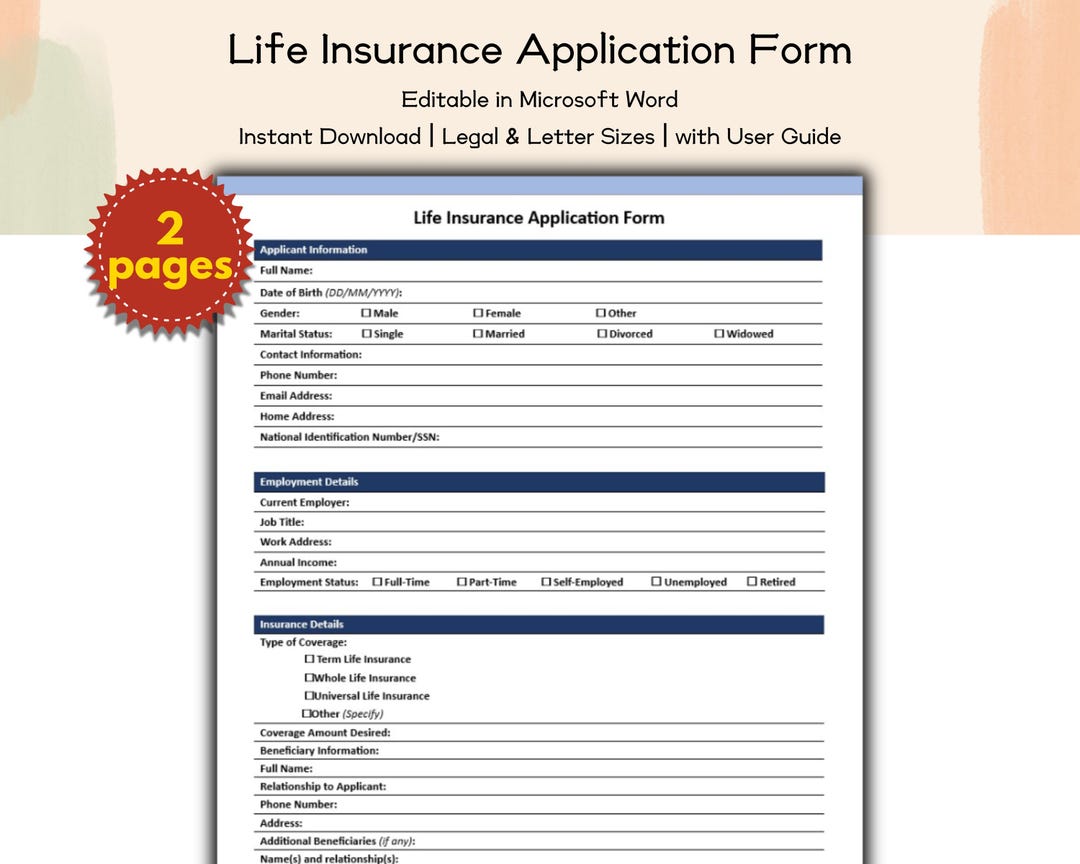
The application process has become increasingly digitized. Most carriers now offer online portals or mobile apps where you can complete the initial paperwork. The application asks for detailed information regarding your identity, lifestyle, and medical history.
You will likely be asked about:
- Personal Information: Age, occupation, income, and citizenship status.
- Lifestyle Choices: Tobacco or nicotine use (including vaping), alcohol consumption, and engagement in hazardous hobbies like SCUBA diving or private aviation.
- Family Medical History: Specifically, whether immediate family members have suffered from heart disease or cancer before age 60.
- The MIB Check: Insurers will check the MIB (formerly Medical Information Bureau) database. This organization maintains records of previous insurance applications to prevent fraud and ensure consistency in reported medical history.
Accuracy is paramount during this stage. Any discrepancies found later in the process can lead to higher premiums, a denial of coverage, or even the cancellation of the policy during the two-year "contestability period" following issuance.
Step 5: Complete the Medical Exam and Paramedical Interview
Unless you are applying for a "no-exam" or "guaranteed issue" policy, you will likely need a paramedical exam. This is a brief physical conducted by a licensed technician, usually at your home or office, and paid for by the insurance company.
The exam typically involves:
- Height and Weight Measurements: Used to calculate your Body Mass Index (BMI).
- Blood Pressure Readings: Usually taken three times to ensure accuracy.
- Blood and Urine Samples: These are screened for high cholesterol, glucose levels (for diabetes), nicotine, drugs, and indicators of kidney or liver disease.
- EKG (Electrocardiogram): Sometimes required for older applicants or those applying for very high death benefits to check heart rhythm.
In 2026, many insurers have begun utilizing Accelerated Underwriting, which uses AI to analyze your Electronic Health Records (EHR) and prescription history. If you are young and healthy, the carrier may waive the physical exam entirely based on this digital data.
Step 6: The Underwriting and Review Process
After the exam, the file moves to an underwriter. The underwriter's job is to assess the risk you pose to the company and assign you to a "rating class." This process can take anywhere from a few days (for accelerated underwriting) to six weeks (for traditional underwriting involving physical medical records).
Common Underwriting Risk Classes
| Risk Class | Description | Impact on Premium |
|---|---|---|
| Preferred Plus | Excellent health, ideal BMI, no tobacco, clean family history. | Lowest available rates. |
| Preferred | Great health, minor issues (e.g., well-controlled blood pressure). | Very competitive rates. |
| Standard Plus | Good health, but slightly higher BMI or minor lifestyle risks. | Average to slightly better rates. |
| Standard | Average health and life expectancy for your age group. | Baseline pricing. |
| Substandard (Table Rated) | Significant health issues (e.g., history of heart disease or diabetes). | Higher premiums based on a "table" scale. |
Once the underwriter makes a decision, the company will issue an "offer." This offer may match the initial quote, or it may be "rated up" (more expensive) if the medical exam revealed previously unknown health issues.
Step 7: Policy Delivery, Review, and Binding
The final step is the delivery of the policy contract. This document outlines the terms, conditions, and beneficiaries. You should review it carefully to ensure the names and coverage amounts are correct.
To "bind" the coverage and make the policy active, you must sign the delivery receipt and pay the first premium. Most companies offer a Free Look Period, typically 10 to 30 days depending on the state, during which you can cancel the policy for a full refund if you change your mind.
Once the first payment is processed, the policy is "in force." It is advisable to inform your beneficiaries about the policy and store the document in a secure location, such as a fireproof safe or a digital vault accessible to your heirs.
Common Mistakes to Avoid During Application
Applying for life insurance is a legal process, and certain errors can lead to complications or higher costs.
- Withholding Information: Intentionally failing to mention a medical condition or a smoking habit is considered material misrepresentation. If the insurer discovers this during the contestability period, they can deny a death claim.
- Waiting Too Long: Life insurance premiums increase with age. Applying earlier in life locks in lower rates and ensures you have coverage before health issues potentially develop.
- Ignoring the Ratings: Do not choose a company based solely on the lowest price. Ensure the carrier has a high financial strength rating from agencies like Moody’s or S&P Global.
- Forgetting to Review Beneficiaries: Life events like marriage, divorce, or the birth of a child should prompt a review of who is set to receive the death benefit.
Tips for a Successful Medical Exam
If your application requires a physical exam, taking small steps in the days leading up to it can help you secure a better rating class:
- Hydrate: Drink plenty of water for 24-48 hours before the exam to make blood draws easier and help clear your system.
- Avoid Stimulants: Skip caffeine and nicotine on the morning of the exam, as these can artificially raise your heart rate and blood pressure.
- Fast: Most exams require fasting for 8 to 12 hours. Schedule your exam for early morning to make this easier.
- Avoid Intense Exercise: Heavy lifting or long-distance running 24 hours before the exam can cause elevated protein levels in your urine.
Frequently Asked Questions
How long does the life insurance application process take in 2026?
The duration depends on the type of underwriting. Accelerated underwriting can take as little as 24 to 72 hours. However, traditional underwriting, which involves a medical exam and the retrieval of physician statements, typically takes between 3 to 6 weeks.
Can I apply for life insurance if I have a pre-existing condition?
Yes, you can still apply. While some conditions may lead to higher premiums (table ratings), many insurers specialize in "clinical underwriting" for specific conditions like diabetes or heart disease. In some cases, a "guaranteed issue" policy may be the best option if traditional coverage is denied.
What is the "Contestability Period"?
In most jurisdictions, there is a two-year contestability period starting from the date the policy is issued. During this time, the insurance company has the right to investigate the original application for any omissions or false information if a claim is filed. After two years, the policy is generally "incontestable," except for non-payment of premiums.
Is a medical exam always mandatory?
No. In 2026, "Simplified Issue" and "Guaranteed Issue" policies do not require medical exams. Additionally, many standard term policies now use "algorithmic underwriting" to bypass the exam for applicants who meet certain age and health criteria based on their digital health footprints.
What happens if my application is denied?
If you are denied coverage, the insurer must provide a reason. You can request a copy of the medical report used in the decision. Often, a denial from one company does not mean a denial from all; different carriers have different "appetites" for risk. Working with an independent broker can help you find a carrier more likely to accept your specific health profile.
Next Actions for Applicants
To begin your application, start by gathering your financial documents to perform the needs analysis described in Step 1. Once you have a target coverage amount, contact an independent insurance agent or use an online comparison platform to view quotes from multiple A-rated carriers. Early preparation of your medical history, including a list of current medications and dosages, will significantly speed up the formal application process.