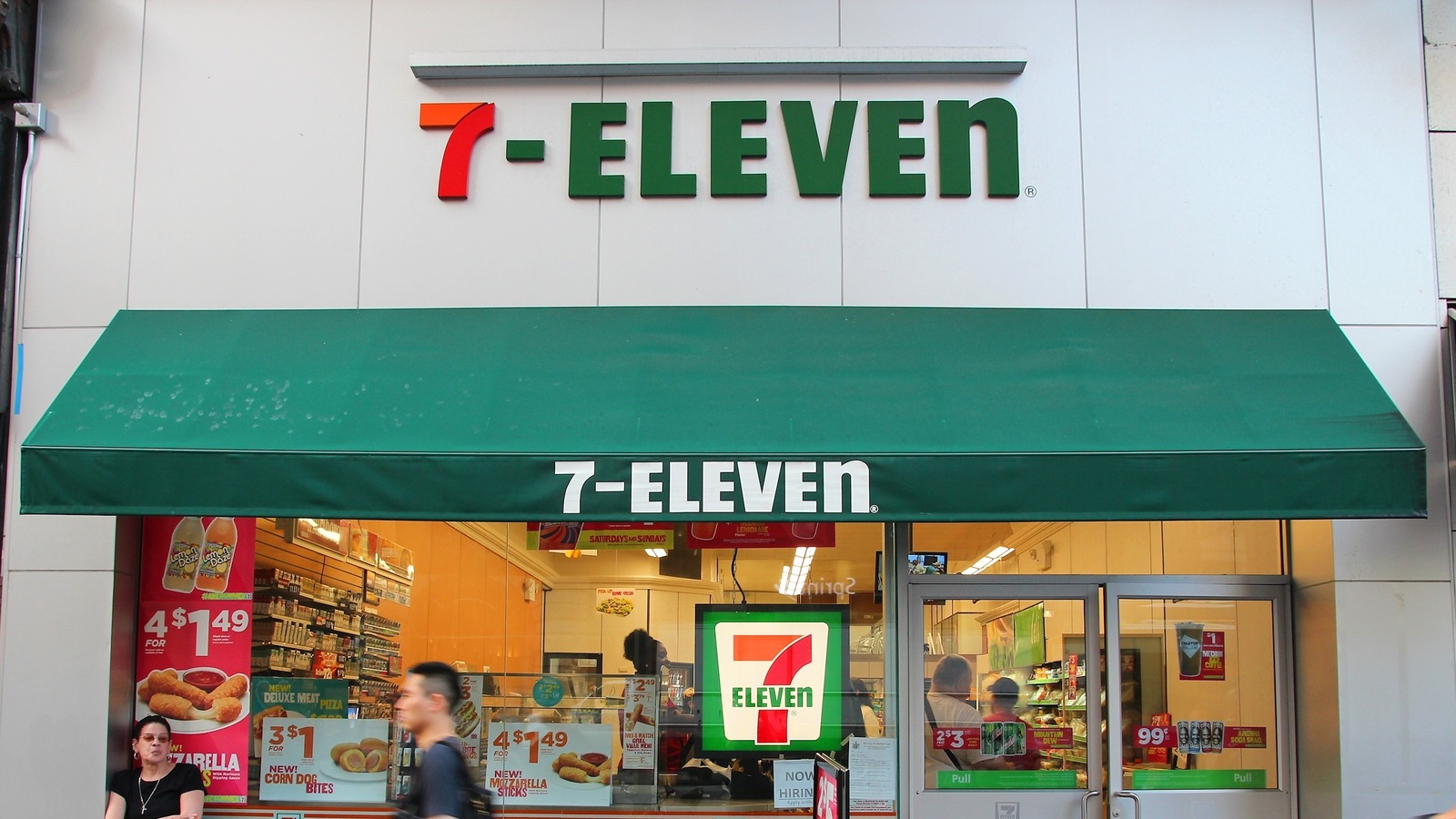
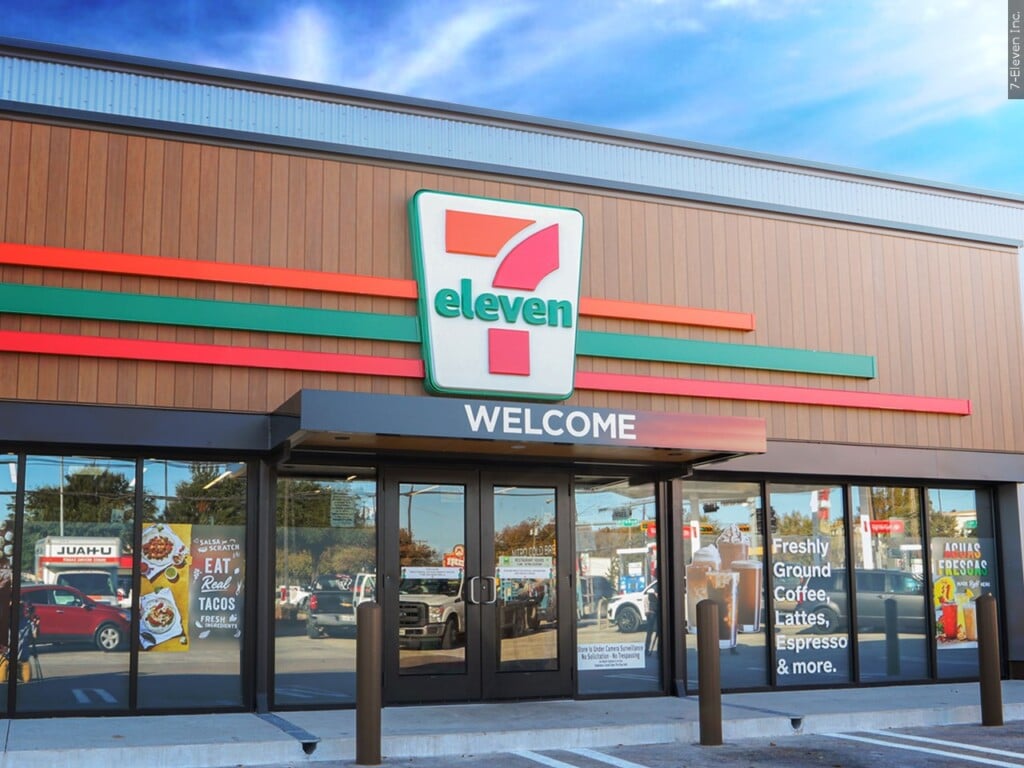
As of 2026, the retail landscape for convenience stores has undergone a significant transformation following the massive restructuring initiated by 7-Eleven’s parent company, Seven & i Holdings. The closure of 444 underperforming stores across North America, first announced in late 2024, has now been fully implemented, marking a pivotal shift toward high-margin food services and modernized digital integration.
The strategic reduction of the 7-Eleven footprint in the United States was not a sign of the brand’s decline, but rather an "asset optimization" strategy. By 2026, the company has successfully pivoted away from aging, low-traffic locations to focus on "Evolution" stores and enhanced fueling stations that include electric vehicle (EV) charging. Understanding the specific locations impacted and the reasons behind these closures requires a look at both the historical data from the 2024–2025 waves and the current operational status of the franchise in 2026.
The Scope of the 7-Eleven Store Closures
The primary wave of closures involved 444 stores, representing approximately 3% of the brand's total North American portfolio. While 7-Eleven operates over 13,000 stores in the U.S. and Canada, the selection of these specific units was based on a rigorous analysis of "Same-Store Sales" (SSS) and local market saturation.
Seven & i Holdings, based in Tokyo, identified several headwinds that made these specific locations unsustainable. Chief among these were the persistent decline in cigarette sales—traditionally a cornerstone of convenience store revenue—and the inflationary pressures that reduced consumer discretionary spending on high-margin "grab-and-go" items. By 2026, the stores on the "closing list" have largely been vacated, with many sites currently undergoing redevelopment or being sold to smaller regional operators.
Regional Breakdown of Impacted Areas
While a single, consolidated "master list" of all 444 addresses was never released as a singular public document by 7-Eleven Corporate, the closures were concentrated in specific geographic corridors where market conditions had shifted most dramatically.
- California and the West Coast: High labor costs and stringent regulatory environments led to a significant number of closures in suburban California markets. Many of these were older "strip mall" style units that lacked the space for expanded food service or EV infrastructure.
- Texas and the Southwest: Despite being a stronghold for the brand, the sheer density of stores in cities like Dallas and Houston led to cannibalization. The closures here focused on older units located within two miles of newer, larger 7-Eleven "Evolution" models.
- The Northeast and Mid-Atlantic: In states like Pennsylvania and New Jersey, competition from regional heavyweights like Wawa and Sheetz forced 7-Eleven to shutter locations that could not match the "food-first" experience offered by competitors.
- Florida: Rapid demographic shifts meant that older neighborhood stores in central Florida no longer aligned with the high-traffic commuting patterns of 2025 and 2026.
Strategic Rationale: Why Did 444 Stores Close?
To understand the list of closed stores, one must look at the technical and economic factors that 7-Eleven’s management prioritized. The restructuring was a response to a "perfect storm" of retail challenges.
1. The Decline of Traditional Tobacco Revenue
For decades, tobacco products were a primary driver of foot traffic and sales. However, the consistent decline in smoking rates, combined with increased taxation and flavor bans in various states, rendered many small-format stores unprofitable. By 2026, 7-Eleven has largely replaced this lost revenue with proprietary food brands, but older stores often lacked the kitchen space or ventilation required to support a full-service hot food menu.
2. Inflation and "Pullback" Spending
Between 2023 and 2025, inflation significantly impacted the lower-to-middle-income demographic that frequently visits convenience stores. As the price of staples rose, the "impulse buy"—a $3 snack or a $4 beverage—became less frequent. Stores that relied heavily on these impulse purchases without a strong fuel or service component were the first to be added to the closing list.
3. The Alimentation Couche-Tard Factor
A major historical context for these closures was the unsolicited takeover bid by Alimentation Couche-Tard (the parent company of Circle K) in late 2024. This move pressured Seven & i Holdings to "unlock value" for shareholders. The most immediate way to improve the balance sheet was to aggressive prune the portfolio of underperforming assets, ensuring that only the most profitable and strategically viable stores remained.
How to Verify Local Store Status in 2026
For consumers and real estate professionals looking for the specific "closing list," the information is best accessed through a combination of official tools and secondary market data.
- The 7-Eleven Official Store Locator: This remains the most accurate source. If a store no longer appears on the official app or website, it has been officially decommissioned.
- Commercial Real Estate Listings: Many of the 444 closed locations were leased. Sites like LoopNet or local brokerage portals often list these former 7-Eleven units as "Available for Lease" or "Former C-Store Opportunity."
- Local Municipal Records: Business license cancellations and health department permit withdrawals are public records that confirm a store has ceased operations.
Transition to the "New 7-Eleven" Model
The closures were the "pruning" necessary for new growth. By 2026, the "list" of closed stores is contrasted by a list of brand-new, high-tech openings. These new stores are vastly different from the legacy units that were shuttered.
The Evolution Store Concept
The stores that survived and the new ones being built in 2026 emphasize a "restaurant-quality" experience. This includes:
- Laredo Taco Company & Raise the Roost: Integrated quick-service restaurants (QSR) within the store.
- Premium Beverage Bars: Self-service stations featuring nitro cold brew, kombucha, and specialty espresso drinks.
- 7Charge Infrastructure: 7-Eleven's proprietary EV charging network, which requires larger parking lots and higher electrical capacity than older urban units could provide.
Comparison: Legacy Stores vs. 2026 Modernized Units
| Feature | Legacy Store (Shuttered) | Modernized Unit (Current Standard) |
|---|---|---|
| Average Square Footage | 2,000 – 2,500 sq. ft. | 4,000 – 6,000 sq. ft. |
| Primary Revenue Driver | Tobacco & Packaged Snacks | Fresh Food & Proprietary Beverages |
| Kitchen Facilities | Minimal (Microwave/Hot Dog Roller) | Full Commercial Kitchen / QSR Brand |
| Digital Integration | Standard POS | Mobile Checkout / 7Now Delivery Hub |
| Fueling Options | Standard Gasoline only | Multi-grade Gas + 7Charge EV DC Fast Charging |
| Seating | None | Indoor/Outdoor Dining Areas |
Economic and Community Implications
The closure of 444 stores has had a measurable impact on local economies. In many rural or underserved urban areas, 7-Eleven served as a "de facto" grocery store. The removal of these units has exacerbated "food desert" conditions in some zip codes, leading to a rise in local independent "mom-and-pop" shops filling the void.
Furthermore, the labor impact was significant. While 7-Eleven attempted to transition employees from closed stores to nearby thriving locations, the reduction in the total number of storefronts inevitably led to a decrease in the overall frontline workforce. Conversely, the newer, larger stores require more specialized staff—such as food prep workers and digital fulfillment coordinators—reflecting the broader "upskilling" of the retail sector in 2026.
Troubleshooting and FAQ
As the 2024–2026 restructuring concludes, many customers have questions regarding their rewards and local access.
1. How many 7-Eleven stores actually closed in the USA?
The official target announced by Seven & i Holdings was 444 stores across North America. The vast majority of these were located within the United States. By mid-2026, this round of closures is considered complete, though routine portfolio adjustments (closing 1-2% of stores annually) continue as a standard business practice.
2. Is 7-Eleven going out of business?
No. 7-Eleven remains the largest convenience store chain in the world. The closures were a strategic move to improve profitability and fend off a takeover bid. In 2026, the company is focusing on "quality over quantity," investing heavily in the 7Now delivery app and high-margin food items.
3. What happens to my 7Rewards points if my local store closes?
Your 7Rewards points are tied to your digital account, not a specific location. They remain valid at any 7-Eleven, Speedway, or Stripes location across the country. You can also use them for "7Now" delivery orders in areas where a physical store may no longer be nearby.
4. Why is there no single public "list" of all closed addresses?
For competitive and legal reasons, 7-Eleven does not typically publish a "death list" of addresses in one document. This prevents competitors from immediately poaching the real estate and manages the optics of the brand's footprint. Instead, they announce the number of closures to investors and update their store locator tools for consumers.
5. Will more stores close after 2026?
Retail is dynamic. While the massive 444-store wave is over, 7-Eleven constantly evaluates store performance. Locations that cannot support EV charging or fresh food expansion may face closure or conversion in the future as the company moves toward its "2030 Sustainability and Growth" goals.
The Future of 7-Eleven Real Estate
By 2026, the "7-Eleven Closing Stores List" has become a roadmap for urban redevelopment. Many of the former sites have been repurposed into:
- Last-Mile Delivery Hubs: Smaller units in dense cities have been converted into dark stores for rapid delivery services.
- Independent C-Stores: Local entrepreneurs have purchased the equipment and leases of former 7-Elevens to run independent shops.
- Automotive Service Centers: Given their location on high-traffic corners, many former fueling stations have been converted into specialized tire or oil-change centers.
For the remaining 7-Eleven locations, the focus is now entirely on the "7-Eleven of the Future." This includes an increased emphasis on the 7Now delivery platform, which by 2026 has become a significant portion of the company's total revenue, allowing the brand to reach customers even in neighborhoods where a physical store was closed.
Practical Recommendation for Consumers
If your local 7-Eleven has closed, the best course of action is to download the 7-Eleven App and use the integrated map. The app will not only show you the nearest open location but also indicate which stores offer the newer "Evolution" features like Laredo Taco Company or 7Charge. For those looking for historical closure data for real estate or business research, searching local news archives for "7-Eleven closure [City/State]" remains the most effective way to identify specific addresses from the 2024–2025 waves.