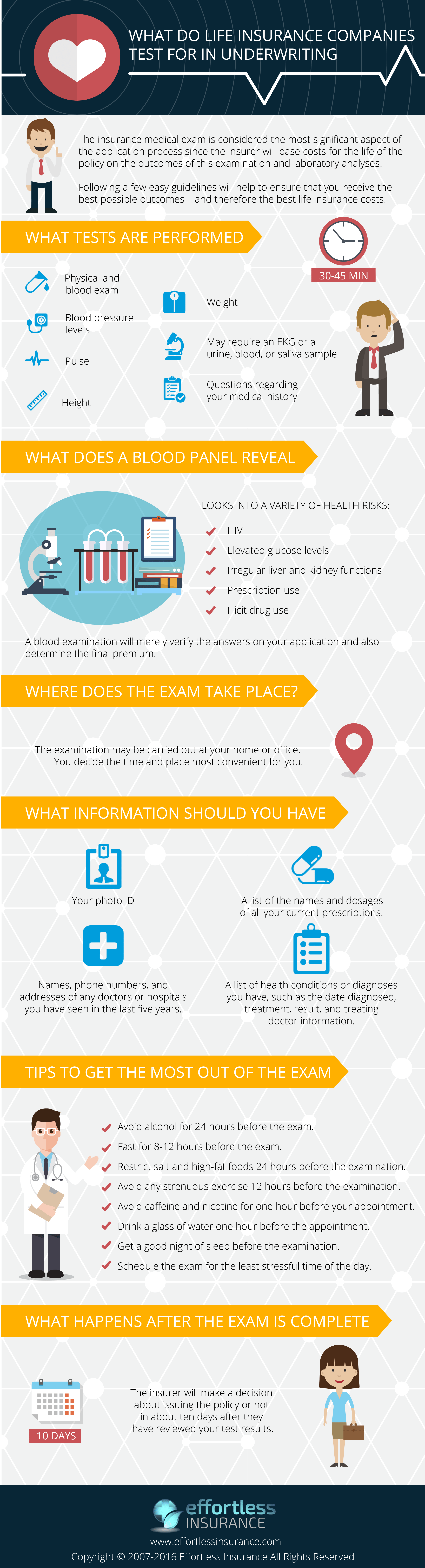
Life insurance underwriting is the rigorous process insurance companies use to determine your level of risk and set your premium rates. In 2026, this process blends traditional medical review with advanced algorithmic data analysis to provide a policy offer. Understanding these six critical Q&As helps applicants navigate the complexities of securing coverage while ensuring they receive the most favorable financial terms possible.
1. What is the modern life insurance underwriting process and how long does it take?
The life insurance underwriting process is the bridge between your initial application and the issuance of a formal policy contract. Its primary purpose is to ensure that the insurance company charges a premium that is commensurate with the statistical risk of the applicant’s mortality. In 2026, this process has evolved into two distinct pathways: Accelerated Underwriting (AU) and Full Medical Underwriting.
Accelerated Underwriting utilizes "Big Data," including your prescription history, Motor Vehicle Reports (MVR), and even consumer credit data, to bypass the traditional medical exam. For many healthy applicants under age 60, AU can result in a policy approval within 24 to 72 hours. This "frictionless" approach relies on predictive modeling to confirm that the applicant fits into a low-risk category without needing a physical blood draw or urine sample.
However, Full Medical Underwriting remains the standard for larger face amounts (typically over $2 million to $3 million) or for applicants with disclosed health histories. This traditional route generally takes between three to six weeks. The timeline is largely dictated by the "Attending Physician Statement" (APS). When an underwriter requires medical records from your primary care doctor or a specialist, the speed of the process depends on how quickly that medical office responds to the record request. Once all data—the paramedical exam results, lab work, and APS—are collected, a human underwriter reviews the file to make a final "offer."
Understanding this timeline is crucial for financial planning, especially if the life insurance is a requirement for a business loan or a divorce decree. Applicants should anticipate a month-long window and work closely with their broker to ensure all digital authorizations are signed promptly to minimize clerical delays.
2. How do medical exams and health history impact premium rates?
The medical exam serves as a "snapshot" of your current physiological state. Even in 2026, where digital data is prevalent, the physical exam remains the most accurate way for an insurer to verify an applicant's health. The exam typically measures height, weight, blood pressure, and pulse, while also collecting blood and urine samples.
The impact on your premium is direct and mathematical. Insurers look for specific biomarkers that correlate with longevity. For instance, a blood pressure reading consistently below 120/80 may qualify you for the highest "Preferred Plus" tier, whereas a reading of 140/90 might drop you to "Standard" rates, potentially doubling your annual cost. The urine sample is particularly significant as it screens for nicotine, illicit drugs, and glucose levels (an indicator of undiagnosed diabetes).
Beyond the physical exam, your long-term health history provides the context for those lab results. An underwriter is not just looking for a "clean" test; they are looking for stability. If you have a history of high cholesterol but it has been well-controlled with medication for five years, you may still qualify for excellent rates. Conversely, a recent diagnosis of a chronic condition, such as sleep apnea or Crohn’s disease, may result in a "rated" policy (a higher premium) because the long-term impact on your health is still being established.
One of the most significant factors in 2026 continues to be the Build Chart. Every insurer has a height-to-weight ratio requirement for their various risk classes. Even if all other lab results are perfect, being 10 to 15 pounds over the limit for a specific tier can lead to a more expensive policy offer.
3. What are the different underwriting risk categories and what do they mean?
When the underwriting process concludes, you are assigned a risk classification. This category determines the "price per thousand" of coverage you will pay. Most insurance carriers use a standardized hierarchy of tiers, though the specific names may vary slightly between companies.
- Preferred Plus (or Super Preferred): This is the "gold standard." Applicants in this category are in exceptional health, have no history of tobacco use, have an ideal BMI, and have no significant family history of heart disease or cancer before age 60 or 65.
- Preferred: These individuals are in very good health but may have one minor "blemish," such as slightly elevated blood pressure or a family member who passed away from a relevant illness at a relatively young age.
- Standard Plus: This is for individuals who are "better than average" but don't quite meet the strict requirements for Preferred. This is a common landing spot for people with well-controlled minor conditions or those who are slightly overweight.
- Standard: This category represents the average life expectancy. Most Americans fall into this tier. It assumes a typical medical history and a standard body mass index.
- Substandard (Table Ratings): If an applicant has significant health issues—such as heart disease, a history of cancer, or poorly managed diabetes—the insurer will apply a "Table Rating." These are usually designated by letters (Table A, B, C) or numbers (Table 1, 2, 3). Each table usually adds a 25% surcharge to the Standard rate.
Comparison of Underwriting Risk Classes and Impact
| Risk Class | Health Criteria Highlights | Relative Premium Cost (Estimated) |
|---|---|---|
| Preferred Plus | Ideal BMI, BP < 120/80, No tobacco | 100% (Baseline) |
| Preferred | Good BMI, BP < 135/85, No tobacco | 120% - 130% |
| Standard Plus | Average BMI, controlled BP | 150% - 170% |
| Standard | Typical health, minor issues | 200% - 220% |
| Substandard | Chronic conditions, High BMI | 250% + (Scales with Table) |
4. How do lifestyle choices and occupations affect policy eligibility?
Underwriting extends beyond your physical body to your daily environment and choices. Insurers evaluate "lifestyle risk," which includes your occupation, foreign travel habits, and recreational hobbies. In 2026, underwriters use sophisticated databases like the National Association of Insurance Commissioners (NAIC) guidelines to assess these variables.
Hazardous Occupations: If your job involves high-risk activities—such as commercial fishing, structural steelwork, or underground mining—you may face a "Flat Extra" fee. This is a specific dollar amount (e.g., $2.50 per $1,000 of coverage) added to your base premium to cover the increased occupational hazard.
Avocations (Hobbies): Recreational activities like scuba diving (at certain depths), private aviation, or rock climbing are scrutinized. An underwriter will ask for a supplemental questionnaire to determine the frequency and safety measures of the hobby. In some cases, an insurer might offer an "exclusion rider," meaning they will pay the death benefit for any cause except a rock-climbing accident, or they will charge a higher premium to include that risk.
Driving Record: Your Motor Vehicle Report is a significant component of the underwriting decision. Multiple speeding tickets, reckless driving charges, or a DUI within the last five to ten years can result in a significant rating or even a flat declination. Statistics show a high correlation between risky driving behavior and overall mortality risk.
Foreign Travel: While most casual vacationing is not an issue, frequent travel to regions with political instability or endemic health crises (as defined by the State Department) can lead to a postponement of the application. The underwriter wants to ensure you have returned safely to the U.S. before the policy is formally placed in force.
5. What happens if an application is rated, postponed, or declined?
Not every application results in a standard approval. There are three common "adverse" outcomes that applicants should be prepared for:
Rated Policies: As discussed, a "rating" means the company is willing to insure you, but at a higher price than you initially quoted. If you receive a rated offer, you have the option to accept it, reduce the death benefit to lower the cost, or shop with a different carrier. Different companies have different "niches"; for example, one company might be very lenient with Type 2 Diabetes while another is very strict.
Postponed Applications: A postponement is not a rejection. It means the insurance company cannot make a decision at this time. This usually happens if you have an upcoming surgery, are currently undergoing diagnostic tests for an unexplained symptom, or have just started a new medication for a chronic condition. The underwriter will typically ask you to wait 3 to 12 months until the medical situation is stable before reapplying.
Declined Applications: A declination occurs when the risk is deemed too high for the company’s current guidelines. Common reasons include active cancer treatment, severe heart failure, or recent substance abuse. If you are declined, you are entitled to a letter explaining the reason. In 2026, those declined for traditional coverage often look toward Guaranteed Issue or Simplified Issue life insurance, which have no medical exams but offer lower coverage amounts and higher costs.
It is important to note that a declination by one company is recorded in the MIB (formerly Medical Information Bureau). Other insurers will see that a previous application was declined, which is why it is essential to work with a broker who can "pre-screen" your case with multiple carriers before a formal application is submitted.
6. How can policyholders improve their underwriting class after the policy is issued?
A life insurance policy is a long-term contract, but the premium you are assigned at the start is not necessarily permanent. Most carriers offer a process known as re-rating or reconsideration.
If you were originally rated as a "Smoker" and you have successfully quit for at least 12 to 24 months (confirmed by a negative cotinine test), you can request an underwriting review. If successful, the company will lower your future premiums to "Non-Smoker" rates. This can save a policyholder tens of thousands of dollars over the life of the policy.
Similarly, if you were rated for high blood pressure or obesity and have since achieved significant, sustained health improvements (usually maintained for at least one year), you can petition the insurer for a better risk class. You will likely need to undergo a new medical exam at your own expense, but the potential premium reduction often justifies the cost.
Furthermore, if you were rated for a specific medical condition that has since been cured or has remained in remission for several years (such as certain types of cancer), a "reconsideration" can remove the table rating. However, there is a "no-lose" aspect to this: if the new exam shows your health has worsened, the insurance company generally cannot increase the rates on your existing policy due to the "Incontestability Clause" and the nature of level-premium contracts. They can only lower the rate or keep it the same.
Frequently Asked Questions
What is the MIB, and why does it matter for my policy? The MIB is a member-owned data exchange that allows life insurance companies to share coded information regarding an applicant's medical history. Its purpose is to prevent fraud and "omissions" (forgetting to mention a health issue). If you tell one company you don't smoke but another company has a record of you testing positive for nicotine last year, the MIB will alert the current underwriter to the discrepancy.
Can I get life insurance without a medical exam in 2026? Yes. Accelerated Underwriting (AU) is now the primary method for most healthy individuals under age 60. Additionally, "No-Exam" or "Simplified Issue" policies are widely available. While these are faster, they may be slightly more expensive than fully underwritten policies because the insurer is taking on more "unknown" risk by not performing a blood test.
What is the contestability period in a life insurance policy? The contestability period is a two-year window (in most states) starting from the date the policy is issued. During this time, if the insured dies, the insurance company has the right to investigate the original application for material misrepresentations. If they find you lied about a major health condition, they can deny the claim and refund the premiums. After two years, the policy generally becomes "incontestable" except for non-payment of premiums.
Does my family medical history really affect my own premium? Yes, significantly. Insurers look for "early-onset" hereditary conditions. If a parent or sibling died of cardiovascular disease or certain cancers before age 60, it may prevent you from qualifying for the "Preferred Plus" category, even if you are currently in perfect health. Insurers view family history as a predictive indicator of future risk.
What should I do if I am "Table Rated" but think it’s unfair? Your first step should be to ask your broker for the specific "Underwriting Transmittal" or the reason for the rating. Sometimes, a simple clerical error in a doctor's office (like a miscoded diagnosis) can cause a rating. You can provide a letter of explanation or additional test results from your doctor to challenge the underwriter’s decision. If that fails, your broker can "shop" the formal offer to other carriers to see if they will "match" or improve the rate.
Summary and Next Actions
Navigating life insurance underwriting requires a blend of transparency and strategy. In 2026, the key to securing the best policy is preparation. Before applying, ensure you have a clear list of your current medications, the contact information for your primary care physician, and a basic understanding of your family medical history.
If you have a complex medical history, do not apply to just one company blindly. Utilize an independent broker who can perform a "trial application" or "informal inquiry." This allows you to see how different underwriters view your specific risk profile without creating a "declination" record in the MIB. Once you receive a favorable informal offer, you can proceed with the formal application and medical exam with confidence, knowing you are positioned for the best possible financial outcome.