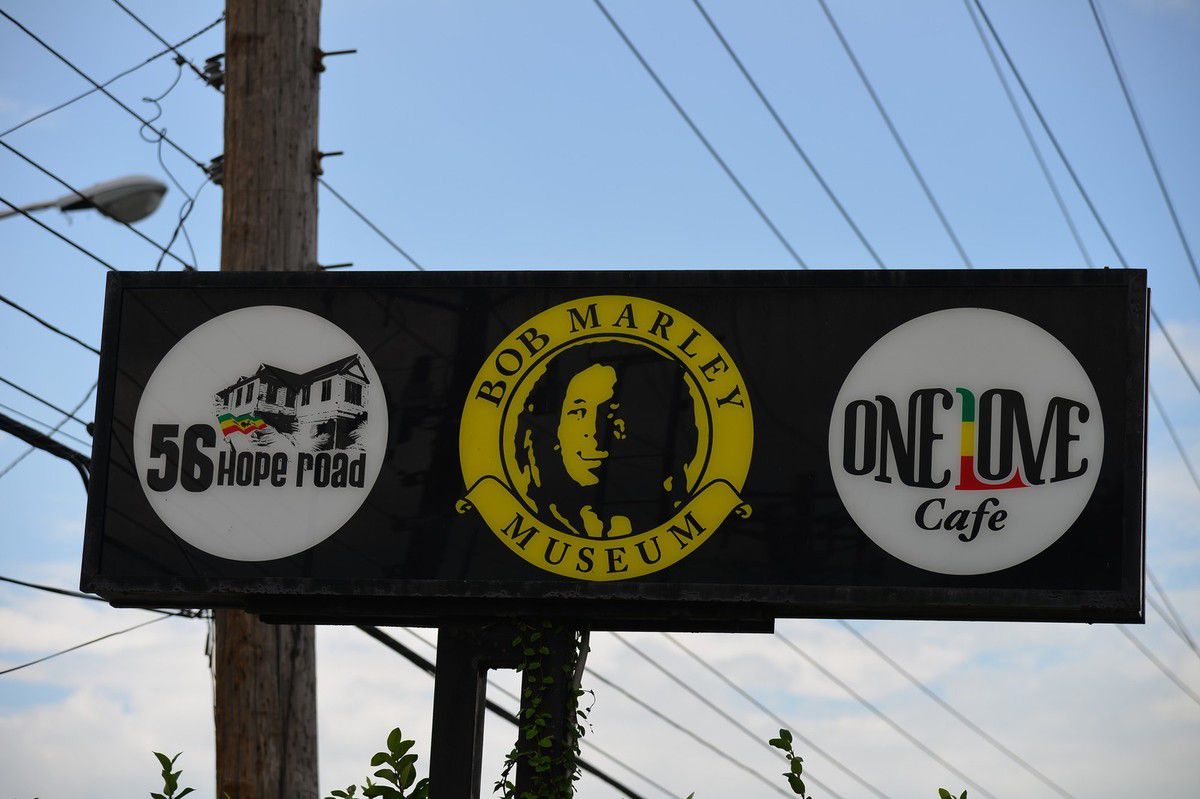
56 Hope Road in Kingston, Jamaica, is the historic former residence and recording studio of reggae legend Bob Marley, now officially operating as the Bob Marley Museum. Located in the heart of Jamaica's capital city, the property preserves the late musician's living quarters, personal artifacts, and recording studio, serving as a global pilgrimage site for fans of reggae music and Caribbean culture.
Historical Significance of 56 Hope Road
The property at 56 Hope Road holds a foundational place in the cultural history of Jamaica. Built in the 19th architecture style typical of the period, the sprawling Kingston house served as Bob Marley’s home and the headquarters of his Tuff Gong record label during the 1970s.
Marley purchased the property in the mid-1970s, transforming it into a creative sanctuary and a communal hub for musicians, Rastafarians, political figures, and international journalists. It was within these walls that Marley and his band, The Wailers, produced some of the most influential reggae tracks of the twentieth century. The studio environment fostered a unique blend of spiritual devotion, political commentary, and rhythmic innovation that defined the roots reggae movement.
Furthermore, the location bears witness to the turbulent political climate of Jamaica during that era. On December 3, 1976, an assassination attempt occurred at 56 Hope Road just two days before Marley was scheduled to perform at the free "Smile Jamaica" concert. Marley, along with his wife Rita and manager Don Taylor, sustained injuries but survived the shooting. This event cemented the property's role not just as a musical landmark, but as a site of resilience against political violence. Following Marley’s death in May 1981, his wife Rita Marley spearheaded the effort to transform the residence into a museum dedicated to preserving his life and message.
Architectural Layout and Museum Features
Visitors exploring 56 Hope Road encounter a meticulously preserved environment that reflects both Marley’s personal lifestyle and his professional career. The architecture retains its original Georgian-style character, surrounded by lush tropical gardens that feature a bronze statue of Marley strumming his guitar.
The interior spaces have been curated to offer an intimate glimpse into the artist's daily life. Key features of the guided museum tour include:
- The Bedroom: Preserved largely as it was during Marley’s occupancy, featuring his star-shaped guitar and original furnishings.
- The Bullet Holes: Remnants of the 1976 assassination attempt remain visible on the exterior walls, preserved as historical evidence of the fateful night.
- The Recording Studio: Originally a carport, Tuff Gong Studio was converted into a professional recording space where Marley recorded tracks for albums like Exodus and Kaya.
- The Exhibition Rooms: Display walls filled with rare photographs, platinum and gold record awards from around the world, and stage costumes worn by Marley during his international tours.
- The One Love Cafe and Gift Shop: A courtyard space offering authentic Jamaican coffee, refreshments, and official merchandise ranging from apparel to vinyl records.
| Area of Property | Historical Function | Current Museum Experience |
|---|---|---|
| Main Residence | Living quarters for Bob Marley and family | Guided tours of personal artifacts, bedroom, and memorabilia |
| Tuff Gong Studio | Recording and mixing facility for Tuff Gong records | Walkthrough of historic mixing boards and vocal booths |
| Courtyard & Gardens | Communal gathering space and security perimeter | Bronze statue, gift shop, and cafe area |
| Exhibition Hall | Former storage and office spaces | Gallery of international awards, press clippings, and stage outfits |
Planning a Visit: Practical Guidance for Travelers
Visiting 56 Hope Road requires some advance planning to ensure a seamless experience. Located in the uptown area of Kingston, the museum is accessible via local taxis, authorized tour operators, and public transit systems.
Operational Guidelines and Accessibility
Tours of the museum are exclusively guided by trained staff members who provide detailed narratives regarding Marley's life, Rastafarian culture, and the evolution of reggae music. Photography and videography are strictly prohibited inside the main exhibition rooms and historic living quarters to preserve the artifacts and respect the sanctity of the space, though outdoor photography in the gardens is typically permitted.
The property is wheelchair accessible in most outdoor areas and ground-level galleries, though older architectural constraints may limit access to certain second-floor rooms. Visitors should check official schedules in advance, as operating hours can vary during national holidays, such as Bob Marley Week in February or Jamaica's Independence Day celebrations in August.
Safety and Etiquette
As with any major urban cultural site, travelers should exercise standard situational awareness while traveling to and from Kingston. Booking transportation through a reputable hotel concierge or licensed tour provider is recommended. Visitors are expected to maintain a respectful demeanor throughout the guided tour, as the site functions simultaneously as a museum and a spiritual shrine for the Rastafari community.
Comparison of Major Bob Marley Cultural Sites
To fully understand Bob Marley's journey, many cultural enthusiasts pair a visit to 56 Hope Road with a trip to his birthplace and final resting place in Nine Mile, St. Ann. While Kingston represents his professional peak and international headquarters, St. Ann reflects his rural upbringing and spiritual roots.
| Feature | 56 Hope Road (Kingston) | Nine Mile (St. Ann) |
|---|---|---|
| Primary Focus | International career, Tuff Gong Studio, adult life | Childhood, early influences, mausoleum |
| Environment | Urban residential neighborhood (Uptown Kingston) | Remote, mountainous rural countryside |
| Key Attraction | Historic home, recording studio, global awards | Marley's childhood home, final resting place (mausoleum) |
| Typical Travel Time from Kingston | Located within the city center | Approximately 2 to 2.5 hours by road |
Frequently Asked Questions
Can you take photographs inside the museum at 56 Hope Road?
No, photography and video recording are strictly prohibited inside the historical house and exhibition rooms to protect the artifacts and maintain the integrity of the tour experience. Photography is generally allowed in the outdoor garden areas.
How long does a standard tour of the Bob Marley Museum take?
A standard guided tour typically lasts between 75 and 90 minutes. This includes a walking tour of the main house, the recording studio, the gallery rooms, and time to browse the gift shop and cafe.
Is 56 Hope Road suitable for children and families?
Yes, the museum welcomes visitors of all ages. The guided narrative is educational and focuses on music history, cultural heritage, and Marley's message of peace and unity.
Do I need to book tickets in advance?
Advance booking is strongly recommended, especially during peak tourist seasons, weekends, and around major cultural events like Bob Marley Week in February, as daily tour group sizes are regulated.
What is the best way to get to 56 Hope Road from downtown Kingston or the airport?
The most reliable method is utilizing a licensed taxi service arranged through your hotel or an established local tour operator. Public buses are available, but pre-arranged private or group transport offers a more direct and secure route.
Conclusion and Next Actions
A visit to 56 Hope Road offers an unmatched opportunity to step directly into the physical and creative space where reggae music was shaped into a global phenomenon. To prepare for your journey, verify current tour schedules and ticket availability through the official Bob Marley Museum channels, arrange secure transportation in advance, and immerse yourself in the rich archival history awaiting you in Kingston.