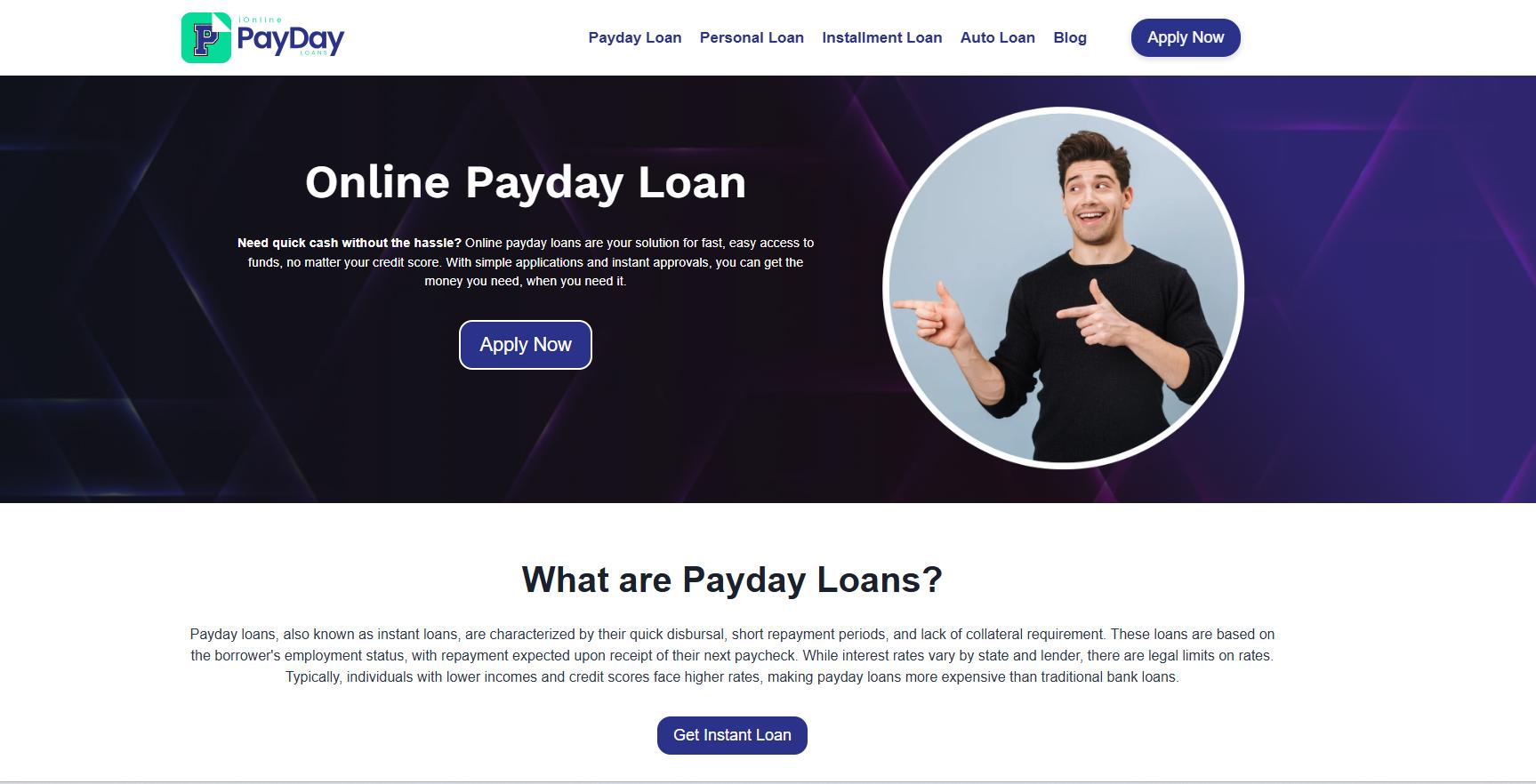
When searching for emergency financial relief, online borrowing platforms often promise rapid funding with minimal friction. A 45cash loan reality check involves pulling back the marketing layers of online short-term lending facilitators to examine the actual costs, qualification realities, lender networks, and potential risks associated with these services. Far from being a direct lender, 45cash typically operates as a lead generator or loan connection service, bridging the gap between consumers seeking quick cash and third-party financial institutions. Understanding how these lead-generation models work, the true cost of short-term borrowing, and the alternative options available is essential for protecting your long-term financial health.
Understanding the 45cash Model: Lead Generation vs. Direct Lending
One of the most common misconceptions among consumers visiting online borrowing websites is the belief that they are applying directly to a financial institution that will service their loan. Platforms like 45cash function primarily as connection brokers or lead generators. When you submit your personal, financial, and banking information through an online intake form, the platform does not evaluate your creditworthiness to issue funds directly. Instead, it aggregates your data and transmits it to a network of third-party lenders, tribal lenders, or alternative financial service providers.
This distinction matters significantly for several reasons:
- Data Sharing and Privacy: By submitting your application, your information may be shared with numerous third-party marketers and lenders. This frequently results in an influx of marketing emails, text messages, and phone calls from various financial offers, some of which may be outside your initial scope of interest.
- Lack of Uniform Terms: Because 45cash does not issue the loans, there is no single interest rate, repayment term, or fee schedule associated with the platform. Your experience will vary entirely based on which third-party lender, if any, chooses to make you an offer.
- Credit Inquiry Variability: Some lenders in these networks perform soft credit checks that do not impact your credit score during the initial matching phase, but others may trigger hard inquiries once you proceed with a formal application.
Recognizing that you are dealing with a broker rather than a direct lender helps set realistic expectations regarding communication, approval odds, and the privacy of your sensitive financial data.
Eligibility Requirements and Application Realities
While short-term loan connection services often advertise "easy approval" or "bad credit okay," specific baseline requirements must generally be met to successfully match with a participating lender in their network. These requirements are designed to ensure that the borrower has a steady, verifiable source of income to service the short-term debt obligation.
Standard Prerequisites for Network Lenders
- Consistent Income: Lenders typically require a minimum monthly income threshold (often around $1,000 to $2,000 per month) derived from employment, self-employment, disability, or social security benefits.
- Active Checking Account: An open and active bank account is mandatory. Lenders require direct deposit capability for loan disbursement and Automated Clearing House (ACH) access for automated repayment withdrawals.
- Age and Residency: Applicants must be United States citizens or permanent residents, typically aged 18 or older, with a valid physical address, telephone number, and email address.
- Identification: Valid government-issued identification and a Social Security number or Individual Taxpayer Identification Number (ITIN) are standard requirements for identity verification.
It is vital to understand that meeting these basic criteria guarantees only that your information can be processed through the matching system, not that a lender will extend an offer or that the offer terms will be favorable.
The True Cost of Short-Term Borrowing
The most critical component of any realistic financial assessment is evaluating the cost of capital. Short-term loans, payday loans, and high-risk installment loans accessed through online networks frequently carry costs that far exceed traditional bank loans, credit cards, or lines of credit.
| Loan Type | Typical APR Range | Primary Cost Driver |
|---|---|---|
| Traditional Bank Loan | 8% – 18% | Interest accrued over time |
| Major Credit Card | 16% – 28% | Variable annual percentage rates |
| Online Broker Network | 200% – 700%+ | High finance charges & fees |
When evaluating offers presented by third-party lenders through connection sites, borrowers should examine the following cost factors:
- Annual Percentage Rate (APR): Short-term loans often express costs in high triple-digit APRs because the fees are calculated over very short repayment windows (such as two weeks to a month).
- Origination and Processing Fees: Some lenders deduct administrative fees directly from the disbursed principal, meaning you receive less cash than the total amount you are obligated to repay.
- Rollover and Extension Penalties: If you are unable to repay the loan on the due date, opting to extend or "rollover" the balance can incur substantial additional fees that do not reduce the principal balance, trapping borrowers in a cycle of debt.
Potential Risks and Red Flags to Watch For
Engaging with online loan connection portals and their associated third-party lenders requires caution. Before accepting any loan offer, consumers should carefully evaluate potential operational and financial risks:
- Predatory Lending Terms: Certain tribal lenders or off-shore entities operating within online networks may not be bound by state-specific interest rate caps, leading to exorbitant finance charges.
- Aggressive Collection Practices: Review the lender's terms regarding default. Automated ACH debits can result in insufficient fund (NSF) fees from your bank if your account balance is depleted when the repayment is pulled.
- Phishing and Unauthorized Solicitations: Because lead-generation forms capture high-intent financial data, ensure you are using secure, encrypted connections and remain vigilant against secondary scams mimicking legitimate lenders.
Reviewing the Consumer Financial Protection Bureau (CFPB) guidelines on payday and short-term loans provides valuable context regarding consumer rights and regulatory protections.
Practical Alternatives to Consider Before Applying
Before committing to a high-cost short-term loan through an online broker network, exploring alternative funding avenues can save significant money and prevent financial stress:
- Local Credit Union Assistance: Many credit unions offer small-dollar, short-term alternative loans (PALs) with regulated interest rates and reasonable repayment timelines.
- Employer-Sponsored Advances: Earned wage access (EWA) programs allow employees to draw against wages they have already earned without incurring predatory interest charges.
- Negotiating with Creditors: If you are seeking funds to cover a specific bill or utility payment, contacting the service provider directly to request a hardship extension or temporary payment plan is frequently more cost-effective than borrowing.
- Emergency Assistance Programs: Local non-profits, religious organizations, and community action agencies often provide emergency grants for food, housing, and medical needs that do not require repayment.
Frequently Asked Questions
Is 45cash a direct lender?
No. 45cash is typically a lead-generation platform or connection service. It collects your information and shares it with a network of third-party lenders who make independent determinations regarding loan offers.
Does applying through 45cash hurt my credit score?
The initial matching process often utilizes a soft credit inquiry, which does not impact your credit score. However, once you are redirected to a specific third-party lender and submit a formal application, that lender may perform a hard credit check.
What are the typical repayment terms for loans found through these networks?
Repayment terms vary widely depending on the matched lender. They can range from traditional two-week payday repayment schedules to short-term installment structures lasting several months.
Are my personal and banking details secure on these platforms?
Reputable connection sites utilize SSL encryption to protect data transmission during the application phase. However, because your data is distributed to multiple third-party network lenders, you may experience an increase in marketing communications.
What should I do if I cannot repay the loan on time?
Contact your specific lender immediately to discuss available options. Avoid automatic rollovers if possible, as they compound fees rapidly, and inquire about hardship repayment plans or extended grace periods.
Next Actions and Financial Self-Defense
If you ultimately decide to proceed with an online loan inquiry, approach the process with strict financial discipline. Review every line of the loan agreement provided by the third-party lender before signing electronically. Calculate the exact total repayment amount, including all fees, and verify that your budget can comfortably accommodate the deduction on your next payday. Whenever possible, prioritize lower-cost borrowing alternatives to protect your financial stability over the long term.