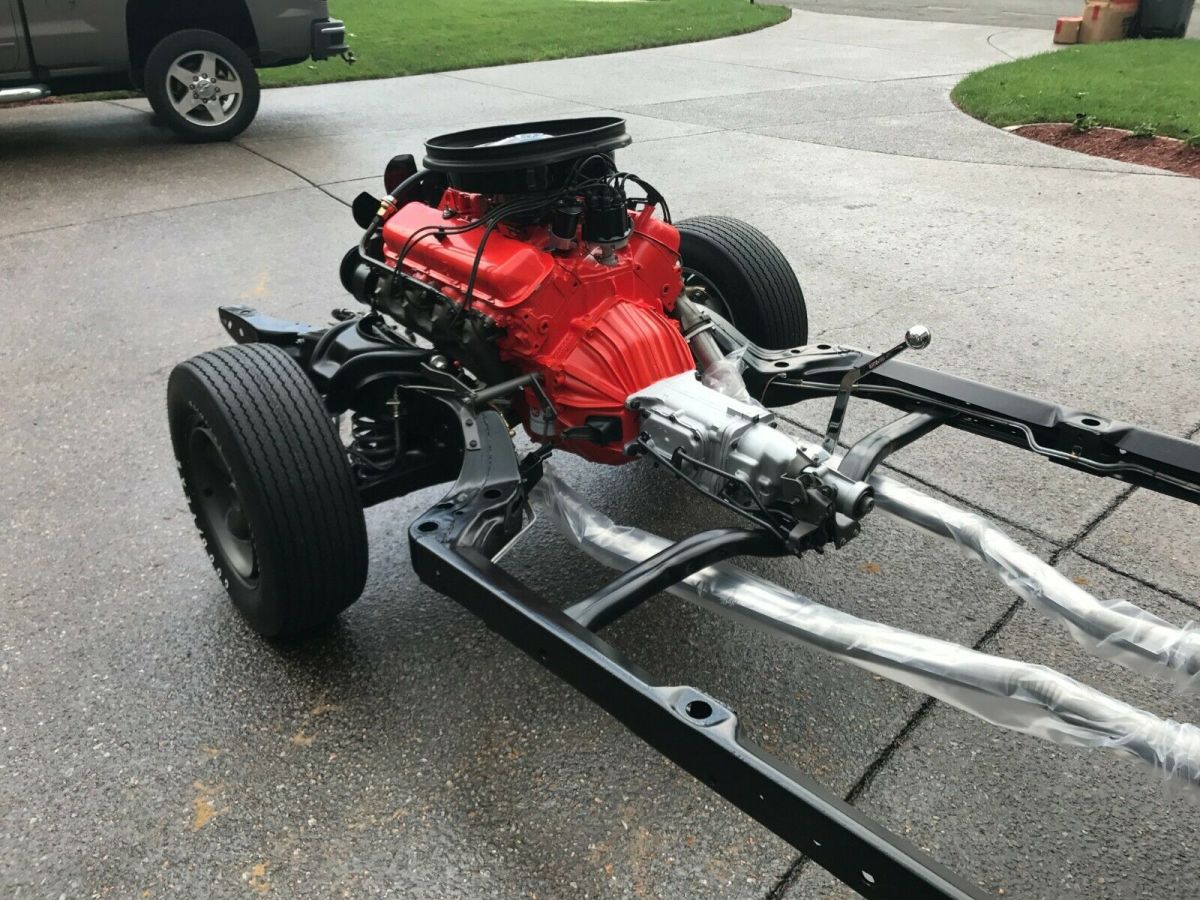
The Chevrolet 454 SS pickup truck, produced from 1990 through 1993, delivers 230 horsepower at 3,600 RPM and 385 lb-ft of torque at 1,600 RPM from its Generation V Mark IV-derived 7.4-liter big-block V8 engine. This heavy-duty powertrain combined a massive displacement architecture with specialized induction and exhaust configurations designed to maximize low-end pulling power in a light-duty chassis.
Introduction to the 454 SS Powertrain
When General Motors introduced the Chevrolet 454 SS in 1990, it revitalized the high-performance pickup truck market by dropping a massive big-block engine into a standard cab C1500 chassis. At the heart of this muscle truck was the 7.4-liter (454 cubic inch) Mark IV-derived V8 engine. While modern performance standards easily eclipse these numbers with smaller displacement forced-induction engines, the 1990–1993 454 SS horsepower rating of 230 hp was formidable for a factory half-ton truck of that era.
More importantly, the engine was built for immediate throttle response and heavy towing grunt, generating a massive 385 lb-ft of torque at a remarkably low 1,600 RPM. Understanding the technical architecture, fuel delivery systems, and internal components of this powerplant reveals how General Motors engineered one of the defining sport trucks of the early 1990s.
Evolution and Core Specifications of the 7.4L Big-Block V8
The engine powering the 454 SS evolved directly from Chevrolet’s legendary line of big-block passenger car and heavy-duty truck powerplants. However, adapting this heavy cast-iron monster to a half-ton pickup required specific engineering compromises to meet emissions standards, fit within the C/K engine bay, and deliver usable street performance.
Engine Block and Rotating Assembly
The foundation of the 454 SS engine is a heavy-duty, four-bolt main cast-iron block. The massive displacement is achieved through a bore of 4.250 inches and a stroke of 4.000 inches.
- Crankshaft: Cast nodular iron designed for durability and low-RPM torque production.
- Connecting Rods: Forged steel, shot-peened for added strength under load.
- Pistons: Cast aluminum pistons featuring a mild dish to maintain a pump-gas-friendly compression ratio.
Compression Ratio and Cylinder Heads
To operate reliably on standard unleaded 87-octane gasoline of the early 1990s, the engine utilized a relatively low compression ratio of 8.75:1. The cylinder heads were cast iron with rectangular intake ports and large combustion chambers, optimized for low-to-mid RPM cylinder filling rather than high-RPM airflow velocity.
| Technical Specification | 1990–1993 Chevrolet 454 SS Engine Data |
|---|---|
| Displacement | 7.4 Liters (454 cubic inches) |
| Bore x Stroke | 4.250 in × 4.000 in |
| Horsepower | 230 hp @ 3,600 RPM |
| Torque | 385 lb-ft @ 1,600 RPM |
| Compression Ratio | 8.75:1 |
| Fuel System | Throttle Body Injection (TBI) |
| Transmission Pairing | Turbo-Hydramatic 400 (TH400, 1990–1993) / 4L80E (1991–1993) |
Fuel Delivery and Induction: The TBI System
One of the defining technical characteristics of the 454 SS engine is its fuel delivery setup. Eschewing carburetors due to stringent 1990s emissions requirements, and preceding the multi-port fuel injection systems that would later dominate, General Motors utilized a Throttle Body Injection (TBI) system.
The massive dual-bore throttle body sat atop a cast-iron intake manifold, featuring two large fuel injectors directly metering gasoline into the air stream above the throttle plates. While TBI offered superior cold-start reliability, throttle response, and emissions control compared to carburetors, it presented distinct limitations for high-RPM horsepower output. The atomization of fuel and the centralized injection point restricted high-RPM air and fuel distribution evenly across all eight cylinders, effectively capping the engine's upper RPM power band. Despite these limits, the TBI setup delivered instantaneous torque delivery the moment the driver tipped into the throttle at low speeds.
Exhaust and Emissions Equipment
To handle the exhaust gas volume generated by 4.4 liters of displacement per cycle, the 454 SS required heavy-duty exhaust manifolds and a specialized exhaust routing system.
- Exhaust Manifolds: High-flow cast-iron log-style manifolds directed gases downward into dual catalytic converters.
- Exhaust Piping: The system utilized dual tailpipes exiting behind the rear passenger-side wheel, giving the truck a distinct low-end rumble.
- Emissions Control: Equipped with an Air Injection Reaction (AIR) pump system, Exhaust Gas Recirculation (EGR) valve, and oxygen sensors to comply with EPA standards of the early 1990s.
These factory exhaust restrictions, while necessary for compliance, choked the true potential of the big-block architecture. Many modern restorers and enthusiasts unlock significant hidden horsepower by replacing the factory manifolds with aftermarket headers and upgrading to a mandrel-bent dual exhaust system.
Transmission and Drivetrain Integration
Horsepower numbers only tell part of the performance story; how that power reaches the rear tires dictates real-world acceleration. The 454 SS came equipped with heavy-duty drivetrain components designed to absorb the immense torque output without catastrophic failure.
- Transmission: For the initial 1990 model year, the 454 SS utilized the rugged, fully hydraulic Turbo-Hydramatic 400 (TH400) three-speed automatic transmission. For the 1991 through 1993 model years, GM upgraded the truck to the electronically controlled 4L80E four-speed automatic transmission, which added an overdrive gear for improved highway cruising without sacrificing heavy-load durability.
- Rear Axle: Power was routed through a heavy-duty corporate 14-bolt rear axle featuring a robust 9.5-inch ring gear.
- Gear Ratio: The 1990 models featured a steep 3.73:1 axle ratio, which maximized off-the-line acceleration. In 1991, GM shifted to a 4.10:1 gear ratio, further enhancing launch capability to offset the weight of the new 4L80E transmission and additional chassis bracing.
Performance Profile and Real-World Driving Dynamics
With 230 horsepower peaking at a modest 3,600 RPM, the 454 SS did not drive like a high-revving sports car. The engine was designed to sign off early in the tachometer sweep, making shift points critical for straight-line acceleration.
In period testing, the 454 SS could accelerate from 0 to 60 mph in approximately 7.7 seconds and cover the quarter-mile in the mid-15-second range. While these figures appear modest today, in 1990 they represented an exceptional performance benchmark for a standard cab pickup truck weighing over 4,200 pounds. The true sensation of the 454 SS horsepower and torque curve was felt immediately upon launch, where the 385 lb-ft of torque at 1,600 RPM could easily overwhelm the rear tires, producing effortless burnouts and authoritative merging power.
Common Modifications for Increased Output
Because the factory tune and induction systems were heavily restricted for emissions and noise reduction, the 454 SS engine responds exceptionally well to traditional hot-rodding techniques. Owners looking to extract modern performance figures frequently pursue specific upgrades:
- Exhaust Upgrades: Installing long-tube headers and a true dual exhaust system eliminates the backpressure bottlenecks inherent in the factory manifolds.
- Camshaft Swaps: Replacing the mild factory hydraulic flat-tappet camshaft with a modern performance grind improves mid-range and top-end breathing.
- Intake and Cylinder Head Work: Upgrading to aluminum aftermarket cylinder heads and a multi-port fuel injection conversion or square-bore carburetor intake manifold significantly increases airflow capacity.
- Computer Tuning: For 1991–1993 models with electronic engine control modules, custom chip tuning optimizes fuel curves and ignition timing for upgraded components.
Frequently Asked Questions
Why did a 4.5-liter or smaller modern V6 make more horsepower than the 7.4L 454 SS?
Modern engines utilize multi-valve combustion chambers, high-pressure direct fuel injection, variable valve timing, and high compression ratios designed to rev past 6,000 RPM. The 454 SS engine prioritized low-end torque, large displacement, and durability using 1970s block geometry and 1990s emissions controls, resulting in a low-revving, high-torque power profile.
What is the difference between the 1990 and 1991–1993 454 SS performance?
The primary difference lies in the transmission and rear axle ratio. The 1990 model featured a three-speed TH400 transmission and a 3.73:1 axle ratio. The 1991–1993 models introduced the 4L80E four-speed automatic with overdrive and a 4.10:1 axle ratio, improving off-the-line acceleration while lowering highway cruising RPMs.
Can the factory 454 TBI system handle engine modifications?
The factory Throttle Body Injection system is calibrated for stock airflow requirements. Minor upgrades like exhaust systems and free-flowing air filters can be managed by the stock computer, but internal engine modifications such as a new camshaft or cylinder heads require fuel system upgrades and custom electronic tuning to prevent a lean running condition.
How does the 454 SS suspension handle its power?
The 454 SS package included the "Performance Handling Package" (option code Z71, later designated Z62), which featured Bilstein gas-pressurized shock absorbers, a larger front stabilizer bar, a solid rear anti-roll bar, and a quick-ratio steering gear. This setup lowered the truck slightly compared to a standard C1500 and reduced body roll during cornering.
Is the 454 SS engine the same as a 454 big-block found in heavy-duty dump trucks?
The foundational block and rotating assembly share common architecture with heavy-duty truck 454s of the era, but the 454 SS engine featured specific truck-tier camshaft profiles, unique exhaust manifolds, and specialized accessory drive brackets tailored for light-duty half-ton integration.
Conclusion and Next Actions
The Chevrolet 454 SS stands as an important milestone in American automotive history, proving that utility trucks could double as high-performance muscle vehicles. Its 230 horsepower and 385 lb-ft of torque represent an era where displacement reigned supreme for low-end grunt, even if restricted by early electronic fuel injection and emissions constraints. For current owners or prospective restorers, understanding these technical limitations and strengths provides the roadmap for reliable maintenance, authentic restoration, or safe performance enhancement. Inspect your vehicle's specific model year transmission code, verify fuel pressure at the TBI unit, and consult specialized vintage truck forums before undertaking mechanical modifications.