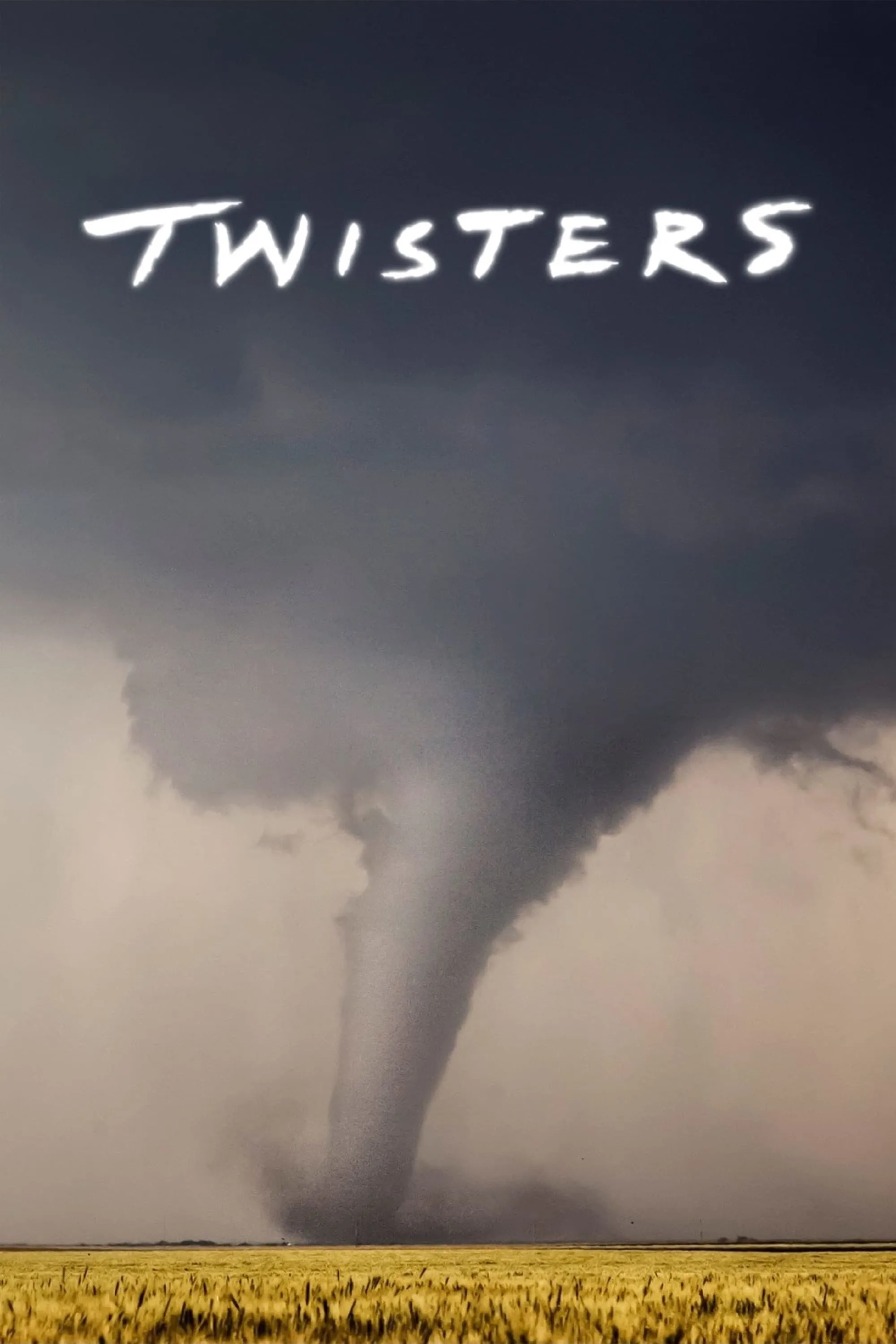
The classic disaster film Twister (1996) was noticeably absent from the Netflix library throughout 2024 primarily due to the theatrical launch of its sequel, Twisters. This major cinematic event prompted rights holders Warner Bros. and Universal to consolidate the franchise on their proprietary platforms, Max and Peacock, to capitalize on renewed audience interest and maximize promotional synergy.
As we look back from the vantage point of 2026, the streaming landscape of 2024 serves as a perfect case study for how "legacy" content is managed during the release of modern sequels. Twister, a film that defined the 1990s disaster genre, became a high-value asset in 2024. This value made it a prime candidate for platform exclusivity rather than a broad licensing deal with a third-party service like Netflix.
Understanding why a film as popular as Twister was missing from the world’s largest streaming service requires a deep dive into the mechanics of Hollywood licensing, corporate mergers, and the tactical deployment of "back-catalog" content.
1. Intellectual Property Fragmentation and Dual Ownership
One of the most complex hurdles for Twister appearing on Netflix is its unique production history. Unlike many films owned by a single studio, Twister was a co-production between Warner Bros. and Universal Pictures (via Amblin Entertainment). Historically, Warner Bros. handled the domestic (United States) distribution, while Universal managed international rights.
In the streaming era, this fragmentation creates a logistical nightmare for a service like Netflix. For Netflix to host Twister globally, they would need to negotiate separate, multi-million dollar deals with two different corporate giants. By 2024, both of these giants had their own fully operational streaming services:
- Warner Bros. Discovery owns Max.
- NBCUniversal owns Peacock.
Because both parent companies sought to bolster their own subscriber bases, they had little incentive to "rent" the movie to Netflix. In 2024, if you were a resident of the United States, the domestic rights belonged firmly in the Warner Bros. ecosystem. For Netflix to acquire those rights, they would have had to pay a premium that often exceeds the projected revenue a single 1996 film can generate in new subscriptions. This "dual ownership" essentially placed a lock on the film, ensuring it stayed within the family of its original creators to support their specific 2024 business goals.
2. The "Sequel Synergy" Strategy for Twisters (2024)
The year 2024 was a pivotal moment for the franchise with the release of the stand-alone sequel, Twisters, starring Daisy Edgar-Jones and Glen Powell. In the film industry, the release of a high-budget sequel is the most significant factor in determining where the original movie will be available for streaming.
Studios utilize a strategy known as "Promotional Windowing." When Twisters hit theaters in July 2024, the demand for the original 1996 film skyrocketed. Audiences wanted to refresh their memories of Jo and Bill Harding’s adventures before seeing the new iteration. If Warner Bros. or Universal had allowed the original Twister to remain on Netflix during this period, they would have essentially been giving away a massive marketing tool to a competitor.
By keeping Twister on Max or Peacock (or making it available only for digital purchase/rent on platforms like Amazon or Apple), the studios achieved two things:
- Direct Revenue: They captured the "rental" fees from viewers willing to pay $3.99 to $5.99 to watch it on VOD (Video On Demand).
- Subscriber Retention: They forced fans of the franchise to subscribe to Max or Peacock, thereby increasing their "Monthly Active Users" (MAU) during a high-stakes quarter.
Netflix, meanwhile, focuses its budget on original content like Stranger Things or Bridgerton. Paying a high licensing fee for a movie that is essentially an advertisement for a rival studio’s new theatrical release does not align with Netflix’s long-term financial strategy.
3. The Consolidation of "Legacy Vaults" in the Streaming Wars
By 2024, the "Streaming Wars" had shifted from a phase of rapid expansion to a phase of consolidation and profitability. In the early 2010s, Netflix was the "everything store" for movies because studios like Universal and Warner Bros. didn't have their own platforms. They viewed Netflix as "found money" for their older titles.
However, the landscape in 2024 was defined by the concept of the "Exclusive Vault." Major studios realized that their "legacy" titles—films like Twister, Jurassic Park, and Harry Potter—were the primary reason people stayed subscribed to a service long-term. These are "comfort movies" that people watch repeatedly.
Warner Bros. Discovery, under its 2024 leadership, was particularly aggressive about reclaiming its most popular IP. They recognized that Twister was not just a movie, but a "brand." To maintain the prestige of the Max platform, they needed their heavy hitters to be available exclusively under their banner. This led to a broader trend where Netflix lost access to many iconic 90s blockbusters. The absence of Twister on Netflix in 2024 was not an isolated incident but a symptom of the industry moving away from non-exclusive licensing.
4. Netflix’s Shift Toward "Content Efficiency"
The final reason Twister wasn't on Netflix in 2024 involves Netflix's own internal data and spending habits. Netflix utilizes a "Content Efficiency" metric to decide which movies are worth the licensing fee. This metric balances the cost of the license against how many "starts" and "completes" the movie is expected to generate.
In 2024, the licensing price for Twister was at an all-time high due to the sequel's buzz. For Netflix, the math likely didn't add up. Why pay a premium for a 28-year-old movie when they could invest that same money into:
- Original Films: Projects where Netflix owns the rights forever and doesn't have to pay recurring licensing fees.
- International Acquisitions: Licensed content from markets like South Korea or Spain, which often has a lower cost-to-viewer ratio.
Netflix has transitioned from being a "digital library" to a "digital studio." While they still license some third-party content, they prioritize "non-exclusive" deals where they can get a bundle of movies for a lower price. Twister, being a top-tier "A-list" title in 2024, was likely excluded from these budget-friendly bundles.
Comparison of Availability: 2024 Streaming Landscape
To better understand where Twister (1996) was positioned compared to its 2024 sequel, the following table outlines the distribution across major platforms during that year.
| Platform | Twister (1996) Availability | Twisters (2024) Availability | Primary Reason for Status |
|---|---|---|---|
| Netflix | No | No | High licensing costs and lack of IP ownership. |
| Max | Yes (US) | Later in 2024/2025 | WBD owns domestic rights; utilized for sequel hype. |
| Peacock | Yes (International/Select) | Yes (Post-Theatrical) | Universal's platform for "Pay-1" window films. |
| Amazon / Apple | Rental/Purchase Only | Rental/Purchase Only | Standard VOD (Video On Demand) revenue stream. |
| Hulu / Disney+ | No | No | No corporate ownership stake in the franchise. |
Technical Depth: How Licensing Windows Affected Twister
To understand the 2024 situation, one must understand the "Pay Window" structure that governs Hollywood. Even a movie from 1996 follows these rules when it is re-evaluated for streaming:
- The Library Window: This is where Twister lived for most of 2024. These deals are usually 6 to 12 months long. If a deal with Netflix expired in late 2023, the studios would naturally refuse to renew it for 2024 to clear the way for the sequel's marketing.
- The SVOD (Subscription Video On Demand) Window: This is what we call "Streaming." In 2024, the SVOD rights for Twister were tied up in "Output Deals." For example, Universal has an output deal with Peacock, and Warner Bros. has one with Max. These deals automatically funnel their movies to their own services first.
- The AVOD (Ad-Supported Video On Demand) Window: You might have found Twister on free services like Tubi or Pluto TV for brief moments in 2024. Studios sometimes put movies on free platforms to "tease" the audience before moving the movie back to a paid service right before a sequel launches.
The technical reality is that Netflix is no longer the "default" home for movies. Every title is treated as a chess piece moved across a board of corporate interests.
Regional Discrepancies: Why Your Friend in Another Country Had It
A common source of confusion in 2024 was that Twister appeared on Netflix in certain regions, such as Canada, Australia, or parts of Europe, while remaining absent in the United States.
This occurs because Universal Pictures International often manages the rights outside the US differently than Warner Bros. does inside the US. In countries where Max or Peacock had not yet launched or didn't have a strong foothold in 2024, the studios were more willing to license Twister to Netflix to ensure the brand stayed relevant.
For US-based users, however, the domestic market is the most lucrative. Therefore, the "lock" on content is much tighter. This regional "geo-blocking" is a standard part of film distribution, where a movie can be a "Netflix Original" in one country and a "Max Exclusive" in another.
Frequently Asked Questions
Was Twister ever on Netflix before 2024?
Yes, Twister has appeared on Netflix several times over the last decade. Historically, Netflix licensed the film as part of larger bundles from Warner Bros. However, these licenses are temporary—often lasting only 3 to 6 months—and they are rarely renewed when a major studio event (like a sequel) is on the horizon.
Where can I watch Twister now in 2026?
As of 2026, Twister remains primarily on Max and Peacock due to the long-term strategy of keeping franchise pillars on "first-party" platforms. It is also available for permanent digital purchase on platforms like Amazon Prime Video and Apple TV.
Why did Netflix stop buying licenses for old blockbuster movies?
Netflix didn't stop entirely, but they became more selective. In 2024, the "cost per hour viewed" for a movie like Twister was higher than for a Netflix-produced film. Netflix now prefers to spend its $17+ billion annual content budget on proprietary IP that they can keep on the platform forever without recurring costs.
Did the release of Twisters (2024) help or hurt the original movie's availability?
It helped the movie's visibility but hurt its availability on "free" or broad subscription services. While more people were talking about Twister in 2024 than they had in twenty years, the owners of the film moved it behind more specific paywalls (Max/Peacock) to capitalize on that talk.
Is Twister available in 4K on any streaming service?
In 2024, to coincide with the sequel, a new 4K restoration of the original Twister was released. This high-quality version was initially prioritized for physical media (4K UHD Blu-ray) and premium digital purchase (VOD) rather than standard streaming on Netflix.
Final Recommendation for Viewers
If you are looking to watch the original Twister or its 2024 sequel, your best course of action is to check the current listings on Max or Peacock. Due to the permanent shift in how studios handle their "crown jewel" franchises, it is unlikely that Twister will return to Netflix for any significant length of time. For the most consistent access, purchasing the film digitally or on physical media remains the only way to avoid the shifting tides of streaming licenses.