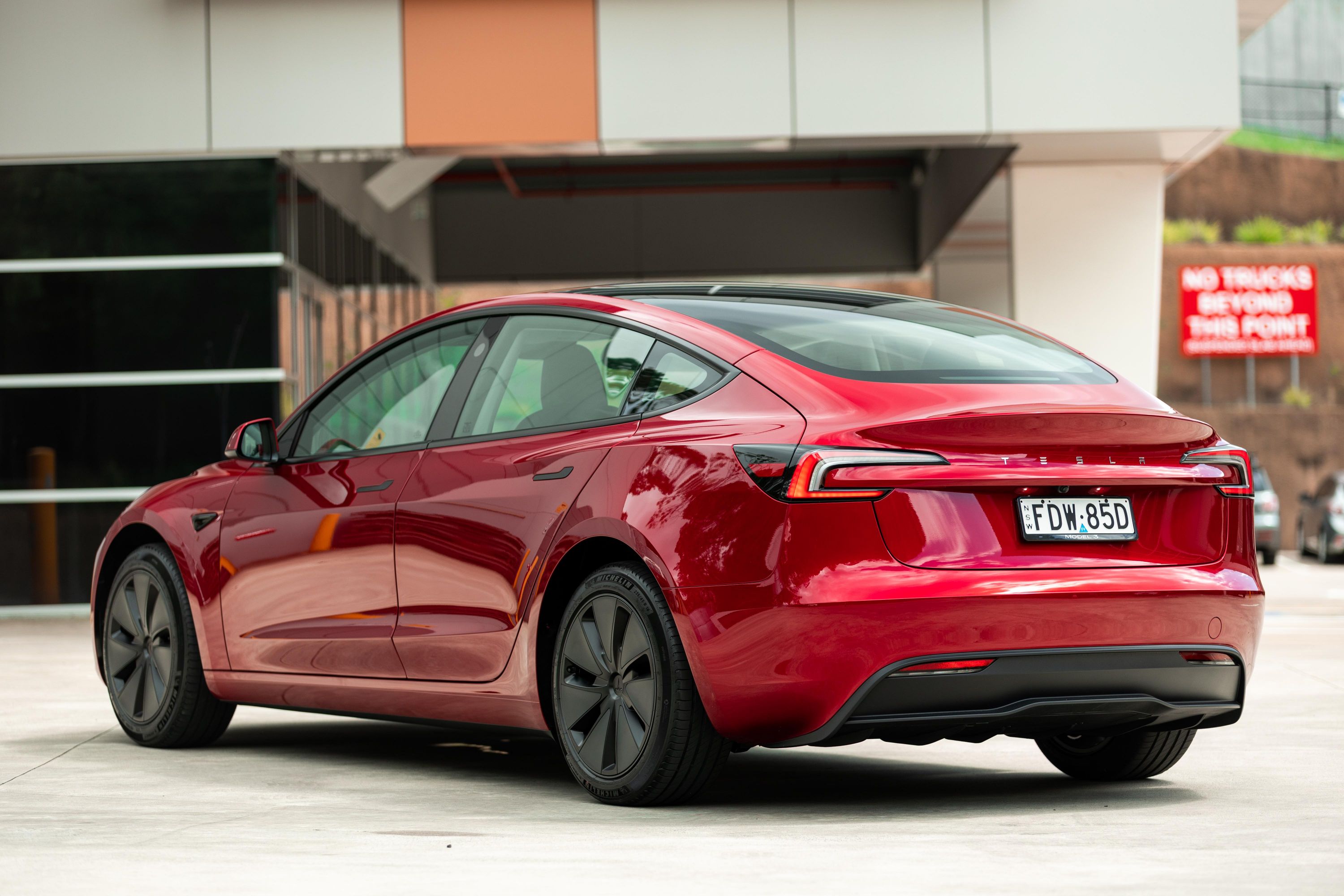
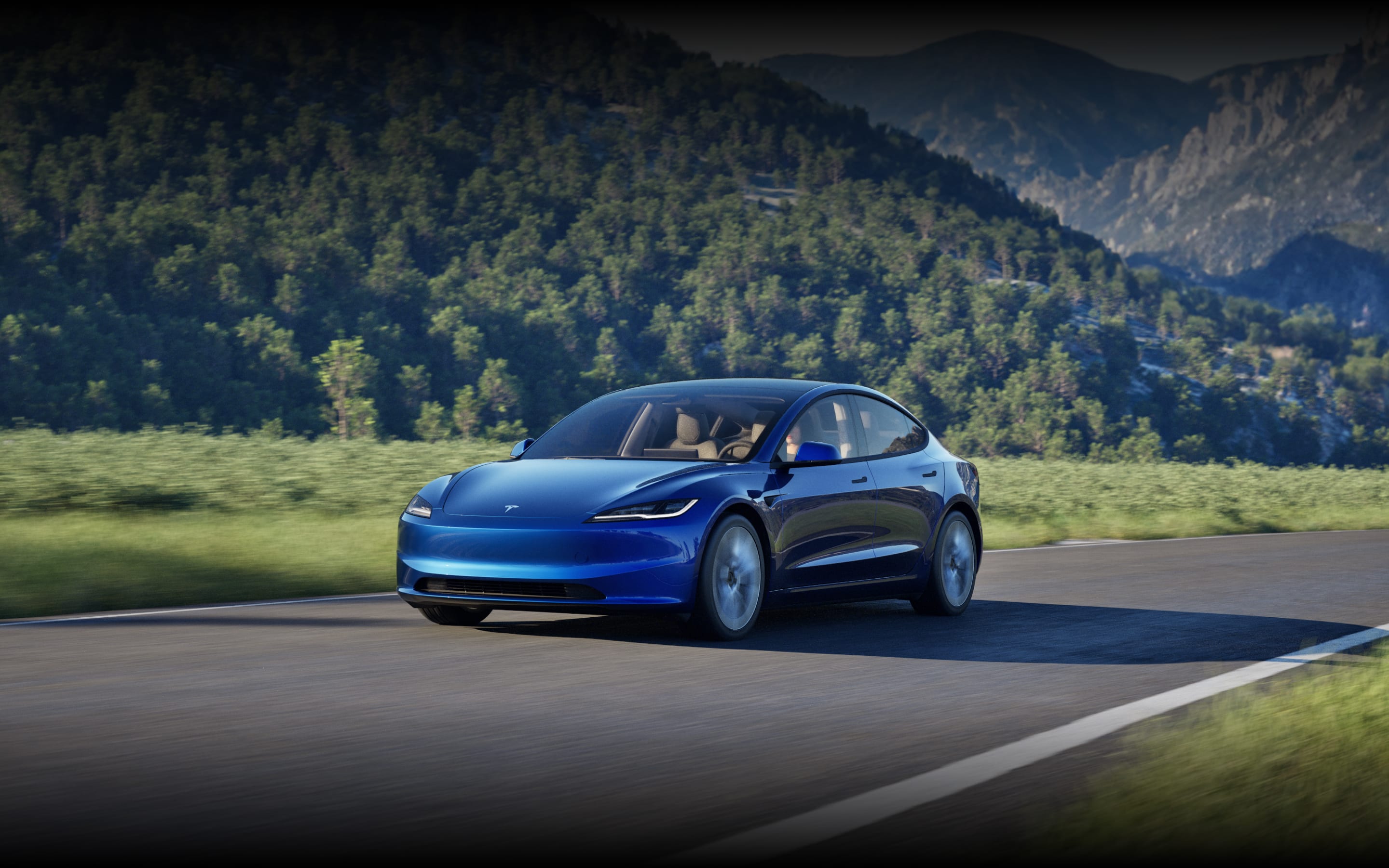
A 360 view of the Tesla Model 3 encompasses three distinct areas: interactive digital exterior/interior tours used for purchasing, the Tesla Vision-based 3D parking reconstruction shown on the center display, and the comprehensive 360-degree sensor coverage provided by eight high-definition cameras for Autopilot and safety.
The Tesla Model 3 has redefined the expectations for entry-level luxury electric vehicles (EVs). As of 2026, the Model 3 continues to lead the market through its "Highland" design refresh and subsequent iterative software updates. For prospective buyers and current owners, understanding the "360 view" of this vehicle is not just about aesthetics; it is about how the car perceives its environment and how the driver interacts with that data. Whether you are looking for an interactive configurator to choose your next car or seeking to understand how the High-Fidelity Park Assist creates a virtual reconstruction of your garage, this guide provides a deep dive into every angle of the Model 3.
Exploring the Exterior: The 360-Degree Design Language
The exterior 360 view of the Tesla Model 3 reveals a masterclass in aerodynamics. Since the major design overhaul in 2024, the vehicle has maintained a sleek, slippery profile that achieves a drag coefficient of 0.219 Cd. This is one of the lowest in the industry, contributing significantly to the vehicle's range and high-speed stability.
Frontal Profile and Lighting
When viewing the Model 3 from the front, the most striking change in the current generation is the "wing" shaped headlights. These are slimmer and more aggressive than the original 2017 design. They incorporate Matrix LED technology, which allows for adaptive high beams that can "carve out" light around oncoming traffic while maintaining maximum illumination elsewhere. The lack of a traditional grille—a hallmark of Tesla design—is not merely an aesthetic choice but a functional one, reducing turbulence at the front of the vehicle.
Side Silhouette and Proportions
A 360-degree walk-around highlights the Model 3’s balanced proportions. The car sits low, with a glass roof that curves seamlessly from the base of the windshield to the trunk. The flush door handles, which pop out with a manual press, maintain the clean lines of the side panels. In 2026, the available wheel options—the 18-inch Photon wheels and the 19-inch Nova wheels—are designed specifically for aero-efficiency, featuring removable covers that hide the lug nuts and reduce wind resistance.
Rear Design and Aerodynamics
The rear 360 view showcases integrated "C" shaped tail lights that are now part of the trunk lid itself, providing a cleaner look when the trunk is closed. The rear diffuser is subtly integrated into the lower bumper, further smoothing the airflow as it exits from under the car. The absence of a physical keyhole or visible exhaust pipes emphasizes the digital-first, electric nature of the vehicle.
Stepping Inside: The 360-Degree Cabin Experience
The interior 360 view of the Tesla Model 3 represents a radical departure from traditional automotive interiors. Tesla’s philosophy of "minimalism" reaches its peak in the 2026 model, where physical buttons have been almost entirely eliminated in favor of screen-based controls and steering wheel haptics.
The Driver’s Vantage Point
From the driver’s seat, the 360-degree visibility is exceptional, aided by the low cowl and the expansive glass roof. There is no traditional instrument cluster; instead, all vital information—speed, gear selection, and the 360-degree visualization of surrounding traffic—is displayed on the 15.4-inch center touchscreen. The steering wheel now lacks stalks; turn signals are activated via haptic buttons on the left thumb grip, and the gear selector is integrated into the touchscreen (with a backup physical selector located near the hazard lights).
Materials and Ambient Lighting
A panoramic scan of the interior reveals a wrap-around ambient lighting strip that runs from the front doors across the base of the windshield. This lighting is customizable in color and brightness, allowing the cabin atmosphere to change based on the driver's preference. Tesla has transitioned entirely to premium, 100% vegan interior materials. The perforated seats are not only sustainable but also offer both heating and ventilation for front passengers, a standard feature as of 2026.
The Rear Passenger Experience
A 360 view of the rear cabin highlights the addition of an 8-inch rear touchscreen integrated into the back of the center console. This allows rear passengers to control their own climate settings, seat heaters, and entertainment (such as Netflix, YouTube, or gaming). The floor remains completely flat, providing ample legroom for three passengers, although the center seat is best suited for shorter journeys.
Tesla Vision: The Technical 360-Degree Perception
While many competitors use a "bird's-eye view" created by stitching together four wide-angle cameras, Tesla utilizes a more complex system known as Tesla Vision. This system uses eight cameras positioned around the vehicle to create a 3D reconstruction of the world in real-time.
The Camera Suite
The 360-degree perception is powered by Hardware 4 (HW4) or later, which includes:
- Three Front-Facing Cameras: Mounted behind the rearview mirror, providing wide, main, and narrow views for long-range detection.
- Two Side-Looking Pillar Cameras: Mounted in the B-pillars between the doors, providing a view of blind spots and cross-traffic at intersections.
- Two Side-Looking Fender Cameras: Located just ahead of the front doors, looking backward to monitor lanes and approaching vehicles.
- One Rear-View Camera: Mounted above the license plate for parking and reversing assistance.
High-Fidelity Park Assist
In 2026, the Model 3 uses "High-Fidelity Park Assist," which replaces the need for ultrasonic sensors (USS). Instead of simple distance beeps, the center screen displays a 360-degree "voxel" reconstruction of the environment. This allows the driver to see the exact shape of curbs, walls, and even other vehicles in 3D. The system provides a "proximity cloud" around the car, changing color from grey to yellow to red as the vehicle gets closer to an object.
Occupancy Networks and Vector Space
Tesla Vision works by feeding these eight camera streams into a deep neural network. The network creates a "vector space"—a digital, three-dimensional map of everything around the car. This is how the Model 3 "sees" 360 degrees. It doesn't just see pixels; it understands that a specific shape is a pedestrian, another is a cyclist, and another is a traffic cone, even if those objects are partially obscured.
Security and Monitoring: 360-Degree Sentry Mode
The 360-degree view isn't just for driving; it's a vital security feature. Tesla’s Sentry Mode uses the vehicle’s external cameras to monitor the surroundings when the car is locked and parked.
If the vehicle detects a "threat"—such as someone leaning on the car or a nearby impact—it begins recording to a USB drive in the glovebox. Owners can also use the Tesla Mobile App to "Live Stream" the 360-degree view from their phone. This allows you to remotely check on the car's surroundings from anywhere in the world. As of 2026, the resolution of these streams has been improved to 4K in many regions, providing clear identification of license plates or faces if necessary.
Comparative Specifications: Tesla Model 3 360 Features
The following table summarizes how the 360-degree features of the Tesla Model 3 compare across different functional categories as of 2026.
| Feature Category | Hardware/Software Component | Functional Benefit | User Interaction |
|---|---|---|---|
| Parking Assistance | High-Fidelity Park Assist | 3D reconstruction of nearby objects without sensors. | Center touchscreen 3D map. |
| Driving Safety | Tesla Vision (8 Cameras) | 360° monitoring of blind spots and lane markings. | Visualizations & audible alerts. |
| Security | Sentry Mode | Constant recording of 360° perimeter while parked. | Mobile App & USB Recording. |
| Interior View | Panoramic Glass Roof | Enhanced upward visibility and sense of space. | Natural light & observation. |
| Blind Spot | B-Pillar & Fender Cameras | Live video feed when turn signal is active. | Automatic pop-up on screen. |
| Web Configurator | 3D Interactive Web Tool | High-detail 360° rotation for exterior/interior colors. | Tesla Official Website/App. |
How to Access the Model 3 360 View
Depending on your needs, there are different ways to access the 360-degree views of the Model 3.
1. Online Configurator (Pre-Purchase)
To view the car before buying, visit the official Tesla website. The design studio allows you to rotate the car 360 degrees. You can swap colors (such as the 2026 Ultra Red or Stealth Grey) and change wheel configurations. The interior view allows you to "sit" in the driver or passenger seat and drag your mouse to see the full cabin layout.
2. In-Car Parking View
While the vehicle is in Reverse (R) or by tapping the Camera icon in the app dock, the 360-degree High-Fidelity Park Assist will activate. You can use your finger to rotate the 3D model of your car on the screen to see exactly how much space you have on the sides or front.
3. Mobile App Remote View
Open the Tesla App and navigate to "Security & Safety" > "Sentry Mode" > "View Live Camera." You can toggle between the front, rear, left, and right cameras to get a full 360-degree understanding of where your car is parked.
Technical Limitations and Considerations
While the Tesla Vision 360-degree system is advanced, it has specific limitations that users must understand to ensure safety.
- Weather Dependency: Because the system is "Vision" based, heavy rain, snow, or thick fog can degrade the cameras' ability to see. If a camera is blocked by mud or ice, the car will alert the driver that a "Camera is Blocked or Blinded."
- The "Blind Spot" Directly in Front: Because the front-facing cameras are mounted at the top of the windshield, there is a small blind spot directly in front of the bumper (below the hood line). Tesla Vision uses "spatial memory" to remember objects that were there before they disappeared from view, but drivers should still exercise caution.
- No Mechanical Cleaning: Unlike some luxury SUVs, the Model 3 cameras do not have built-in washers. If the rear camera gets dirty, you must manually wipe it to restore a clear 360 view.
FAQs: 360 View of the Tesla Model 3
Does the Tesla Model 3 have a "Bird's Eye View"?
Tesla does not use the traditional stitched "Bird's Eye View" found in many other cars. Instead, it provides a 3D reconstruction called High-Fidelity Park Assist. This allows you to rotate the perspective and see the car from any angle in a virtual 3D space, which provides more depth than a flat overhead image.
Can I see the 360 view on my smartphone?
Yes, through the Tesla Mobile App, you can access "Live Camera" mode. This allows you to view the live feed from the front, rear, and side cameras individually, providing a comprehensive 360-degree remote monitor of the vehicle.
How many cameras are used for the 360-degree view?
The Model 3 uses eight cameras: three in the front (windshield), two on the B-pillars, two on the front fenders, and one at the rear. These cameras work in unison to provide data for Autopilot, Sentry Mode, and parking assistance.
Is the 360 view available on older Model 3 versions?
All Model 3s have 360-degree camera coverage for Autopilot. However, the "High-Fidelity Park Assist" (the 3D parking reconstruction) is primarily available for "Vision-only" cars (those without ultrasonic sensors) or older cars that have received the specific software updates associated with the 2024+ refresh.
Does the interior 360 view show the rear screen?
Yes, in the current 2026 Model 3, the interior includes a secondary 8-inch screen for rear passengers. This can be seen in any 360-degree interactive tour or by sitting in the back of the vehicle.
Final Recommendation
When exploring a "360 view of the Tesla Model 3," it is important to distinguish between the marketing visuals and the functional technology. For the most accurate aesthetic representation, use the official Tesla 3D configurator on their website. For the most accurate technical understanding, remember that Tesla's "view" is a software-driven reconstruction of the world.
If you are a prospective buyer, we recommend scheduling a "Demo Drive" specifically to test the High-Fidelity Park Assist. Seeing the 3D world reconstructed on the center screen in your own driveway or a tight parking lot is the best way to understand how the car’s 360-degree perception works in practice. As of 2026, this technology has matured significantly, offering a level of spatial awareness that traditional cameras cannot match.