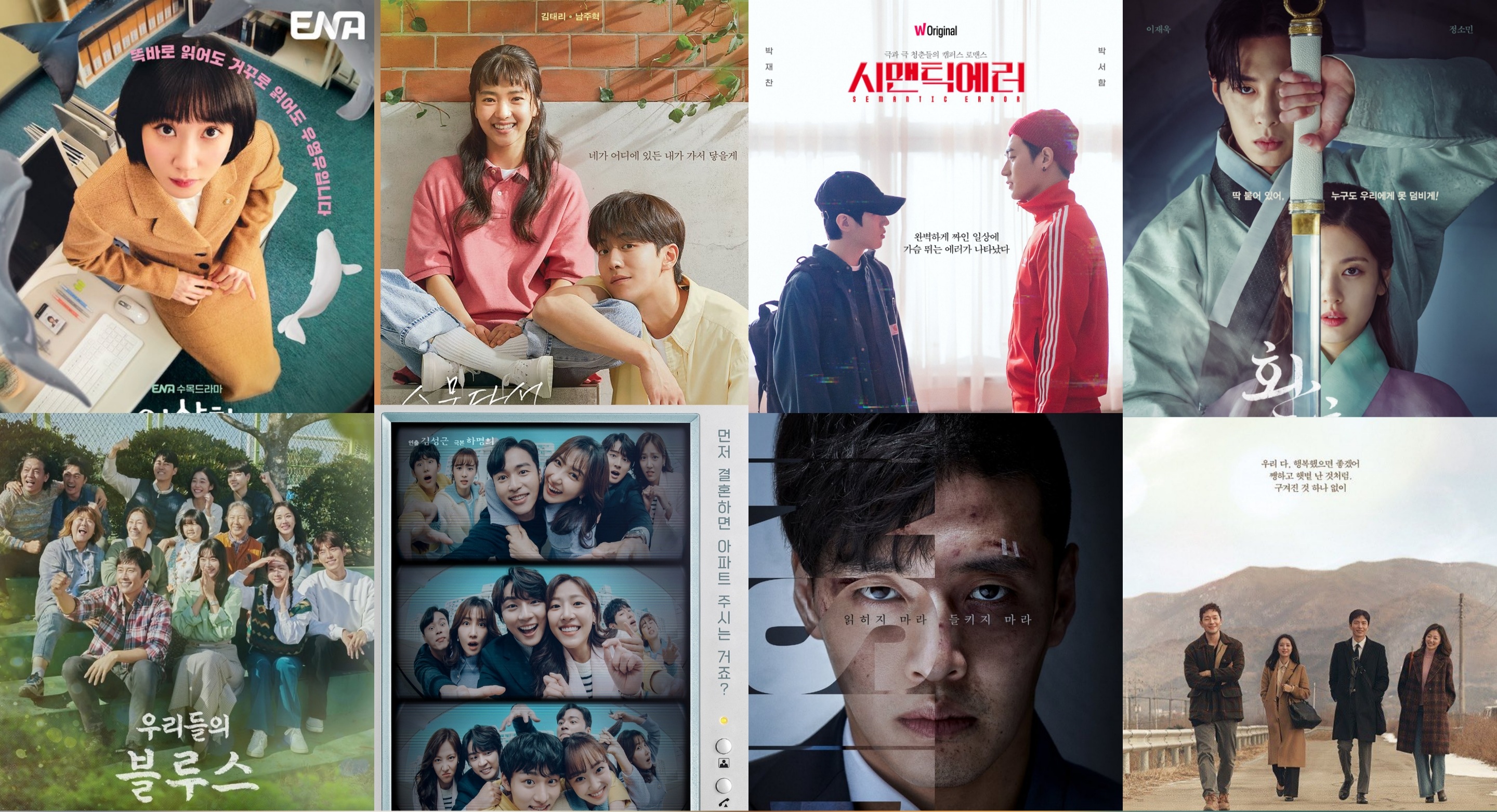
Korean cable networks have fundamentally transformed the global television landscape by consistently shattering viewership records that were once exclusively held by major public broadcasting networks. Over the past decade, cable channels such as tvN, JTBC, OCN, and ENA have transitioned from niche subscription options to dominant cultural powerhouses, producing sophisticated narratives, cinematic visuals, and culturally resonant storytelling that captivates domestic and international audiences alike.
The Evolution of Korean Cable Television
The landscape of South Korean television underwent a seismic shift in December 2011 with the launch of general-programming cable channels like tvN, JTBC, Channel A, and TV Chosun. Prior to this deregulation, the South Korean broadcasting ecosystem was heavily dominated by public terrestrial networks: KBS, MBC, and SBS. These traditional networks operated under strict regulatory frameworks, traditional advertising models, and broad-appeal mandates that often discouraged narrative experimentation.
Cable networks, conversely, entered the market unburdened by the same legacy infrastructure. Because they relied on subscription fees and targeted advertising rather than mass-market public appeal, they could afford to take creative risks. Early cable dramas experimented with darker themes, complex antiheroes, non-linear timelines, and explicit genre blending—such as combining historical fantasy with political thrillers or medical procedurals with psychological romance. This creative freedom attracted top-tier screenwriters, visionary directors, and major cinematic actors who had previously avoided television.
Furthermore, the operational structure of cable channels allowed for shorter, highly focused episode orders, typically ranging from 12 to 16 episodes rather than the traditional 50-episode family sagas common on public networks. This compact structure eliminated narrative bloat, tightened pacing, and delivered high production values per episode. As a result, viewer retention soared, turning appointment viewing into a national pastime and laying the groundwork for unprecedented ratings milestones.
Defining Metrics: How Viewership Ratings Are Measured in South Korea
Understanding record-setting ratings requires examining how television viewership is tracked and quantified in South Korea. The industry relies primarily on data provided by Nielsen Korea and TNMS (Television Numerical Media Statistics), which employ specialized metering devices installed in households across metropolitan and nationwide regions.
When evaluating drama ratings, two distinct geographical categories matter significantly:
- Nationwide Ratings: These figures measure viewership across the entire country, encompassing both Seoul metropolitan households and regional provinces. High nationwide numbers indicate a universal cultural phenomenon that transcends urban-rural divides.
- Seoul Metropolitan Area Ratings: These metrics focus specifically on the capital region, which houses a large percentage of South Korea's population. Metropolitan ratings often skew higher for trendy, youth-oriented, or socially satirical dramas that resonate with urban demographics.
Additionally, cable ratings differ inherently from terrestrial ratings due to household penetration rates. Terrestrial networks are universally accessible free-to-air channels, whereas cable networks require a paid subscription box. Consequently, achieving a double-digit rating on a cable network is statistically more difficult and culturally significant than achieving the same number on a public network. A cable drama surpassing the 10% threshold is considered a major commercial success, while ratings exceeding 20% enter legendary territory.
Landmark Series and Their Record-Breaking Trajectories
Several landmark cable dramas have redefined the ceiling for television ratings in South Korea. These series achieved their milestones not merely through star power, but by tapping into zeitgeist-defining social issues, impeccable writing, and word-of-mouth momentum.
| Drama Title | Network | Peak Nationwide Rating (Nielsen Korea) | Original Broadcast Year | Primary Narrative Theme |
|---|---|---|---|---|
| Crash Landing on You | tvN | 21.683% | 2019–2020 | Cross-border romance, North-South Korean relations |
| The World of the Married | JTBC | 28.371% | 2020 | Infidelity, psychological thriller, societal revenge |
| Sky Castle | JTBC | 23.779% | 2018–2019 | Elite education obsession, class satire, family pressure |
| Reply 1988 | tvN | 18.803% | 2015–2016 | Nostalgia, neighborhood community, coming-of-age |
| Extraordinary Attorney Woo | ENA | 17.534% | 2022 | Legal procedural, autism spectrum advocacy, workplace drama |
Analyzing the Titans: What Drove Their Success?
Examining the top-performing dramas reveals distinct formulas for record-breaking success. The World of the Married, which held the highest cable drama rating record for several years, succeeded by subverting traditional makjang (exaggerated melodrama) tropes. It delivered a relentless, highly stylized psychological confrontation that kept viewers on edge, driving massive real-time discussion and soaring viewership with every subsequent episode.
Similarly, Sky Castle captured the national consciousness by holding up an unflattering, satirical mirror to South Korea's hyper-competitive education system. By focusing on wealthy parents willing to sacrifice ethics for elite university admissions, the drama resonated deeply with parents and students alike. Its ratings grew exponentially through organic word-of-mouth, transforming a modest premiere into a historic cultural event.
On the romance and comfort-watch front, Crash Landing on You and Reply 1988 demonstrated the power of emotional resonance. Reply 1988 tapped into collective nostalgia, creating an immersive neighborhood dynamic that prioritized human connection over high-stakes plotting. Crash Landing on You balanced high-concept geopolitical premise with heartfelt character chemistry, proving that universally appealing emotional beats can shatter cable boundaries.
The Role of Production Quality and Pacing
The exponential growth of cable drama ratings correlates directly with industrial investments in production quality. South Korean cable networks recognized early that cinematic aesthetics—ranging from anamorphic lens usage and sophisticated color grading to elaborate CGI and authentic location scouting—could elevate television into premium art.
Directors such as Lee Eung-bok (Goblin), Ahn Gil-ho (The Glory), and Mo Wan-il (The World of the Married) brought feature-film sensibilities to the small screen. This cinematic shift altered viewer expectations. Audiences accustomed to high-end global streaming content demanded sophisticated framing, complex sound design, and meticulous set decoration.
Furthermore, the pre-production model adopted by many cable studios allowed production teams to complete a significant portion of filming before the first episode aired. This mitigated the notorious live-shoot conditions of older television eras, where scripts were written mere hours before broadcast. The result was tighter narrative coherence, reduced plot holes, and sustained tension that encouraged binge-watching and appointment viewing alike.
Socio-Cultural Resonance and Audience Engagement
Record-setting ratings do not occur in a vacuum; they reflect how deeply a drama mirrors contemporary societal anxieties, aspirations, and shifts in cultural values. Cable dramas have consistently proven more willing to tackle taboo or controversial subjects than their public broadcasting counterparts.
- Class Inequality and Wealth Disparity: Dramas like Sky Castle and later phenomena such as Parasite (film counterpart) or Squid Game capitalized on public anxiety regarding economic stratification, housing costs, and the shrinking middle class.
- Gender Roles and Workplace Dynamics: Contemporary cable series frequently feature complex, independent female protagonists who challenge patriarchal norms, appealing strongly to younger, socially conscious demographics.
- Mental Health and Representation: The mainstream success of series featuring neurodivergent characters, such as Extraordinary Attorney Woo, signaled a growing appetite for empathetic storytelling that promotes social awareness.
This high level of cultural resonance transforms passive viewers into active participants. Social media platforms, real-time community boards, and digital video-sharing sites become incubators for fandom engagement, turning weekly broadcasts into shared national events.
The Intersection of Cable Broadcasts and Global Streaming
The phenomenon of record-setting ratings must also be viewed through the lens of globalization. While domestic Nielsen ratings measure traditional television set viewership within South Korea, the financial backing and cultural momentum provided by global streaming platforms—most notably Netflix, Disney+, and Amazon Prime Video—have revolutionized the ecosystem.
When a cable drama premieres on tvN or JTBC, it often streams simultaneously worldwide. This dual-distribution model creates a feedback loop: international acclaim enhances domestic prestige, prompting local viewers who might have ignored a broadcast airing to tune in live or via catch-up services to be part of the cultural conversation. The financial windfall from global licensing rights also allows cable networks to reinvest in even larger budgets, higher production values, and bolder creative risks.
Common Misconceptions Regarding Korean Drama Ratings
As the popularity of Korean television expands globally, several misconceptions persist regarding how ratings are calculated and what they signify.
- Myth 1: High Ratings Mean Equal Global Popularity. Domestic ratings reflect South Korean household viewership exclusively. A drama with modest domestic cable ratings can become a massive global hit on streaming platforms, and conversely, a domestic ratings juggernaut may not always achieve proportional international traction.
- Myth 2: All Cable Channels Operate Equally. Cable channels vary widely in subscriber base and brand identity. A 5% rating on a major general-programming channel like tvN carries different industry weight than a similar rating on a newer or more specialized channel like ENA.
- Myth 3: Ratings Equate to Artistic Quality. While high ratings often indicate broad audience engagement, they are influenced by scheduling, counter-programming, and star casting, meaning ratings are primarily a measure of commercial and cultural reach rather than absolute artistic merit.
Frequently Asked Questions
What was the highest-rated Korean cable drama of all time?
The World of the Married (JTBC, 2020) holds the record for the highest-rated drama in Korean cable television history, reaching a peak nationwide rating of 28.371% during its finale.
Why do cable dramas achieve higher ratings than public broadcasting networks?
Cable dramas often enjoy greater creative freedom, shorter episode runs, higher production budgets per episode, and targeted storytelling that appeals intensely to specific demographic groups, fostering stronger word-of-mouth momentum.
How do Nielsen Korea ratings differ from TNMS metrics?
Both organizations use similar metering technology but employ different panel sample sizes, regional weightings, and calculation methodologies. Nielsen Korea is currently the more widely cited industry standard by domestic media outlets.
Do international streaming views count toward South Korean television ratings?
No. Official Nielsen Korea and TNMS ratings measure live and same-day television broadcasts within South Korean households only. Global streaming views are tracked separately by respective platforms.
What is considered a successful viewership rating for a Korean cable network?
For a cable channel, any rating surpassing 5% is generally considered a commercial success, while ratings exceeding 10% represent a major hit, and numbers above 20% signify a historic cultural phenomenon.
Conclusion and Next Actions
The era of record-setting ratings for Korean cable dramas represents a masterclass in industrial adaptation, creative risk-taking, and cultural resonance. By abandoning rigid formulas in favor of cinematic production, sharp social commentary, and tight narrative pacing, cable networks transformed themselves from alternative broadcasters into global standard-bearers of quality television. For industry analysts, aspiring creators, and dedicated fans alike, studying these milestone series offers invaluable insight into how meticulous storytelling and strategic innovation can capture the imagination of millions. To further explore this topic, examine the production portfolios of leading studios like Studio Dragon or analyze the shifting demographic data published quarterly by Nielsen Korea.