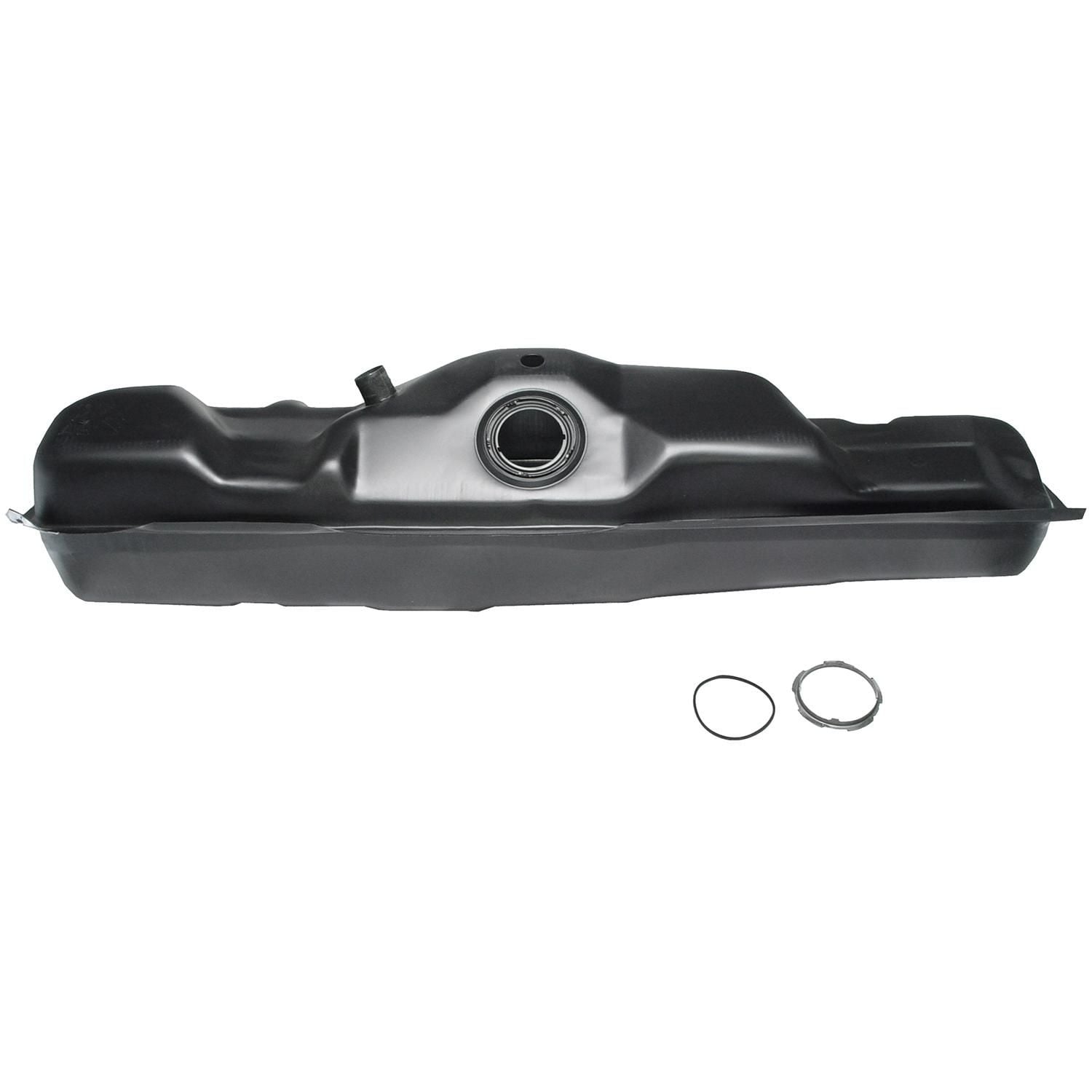
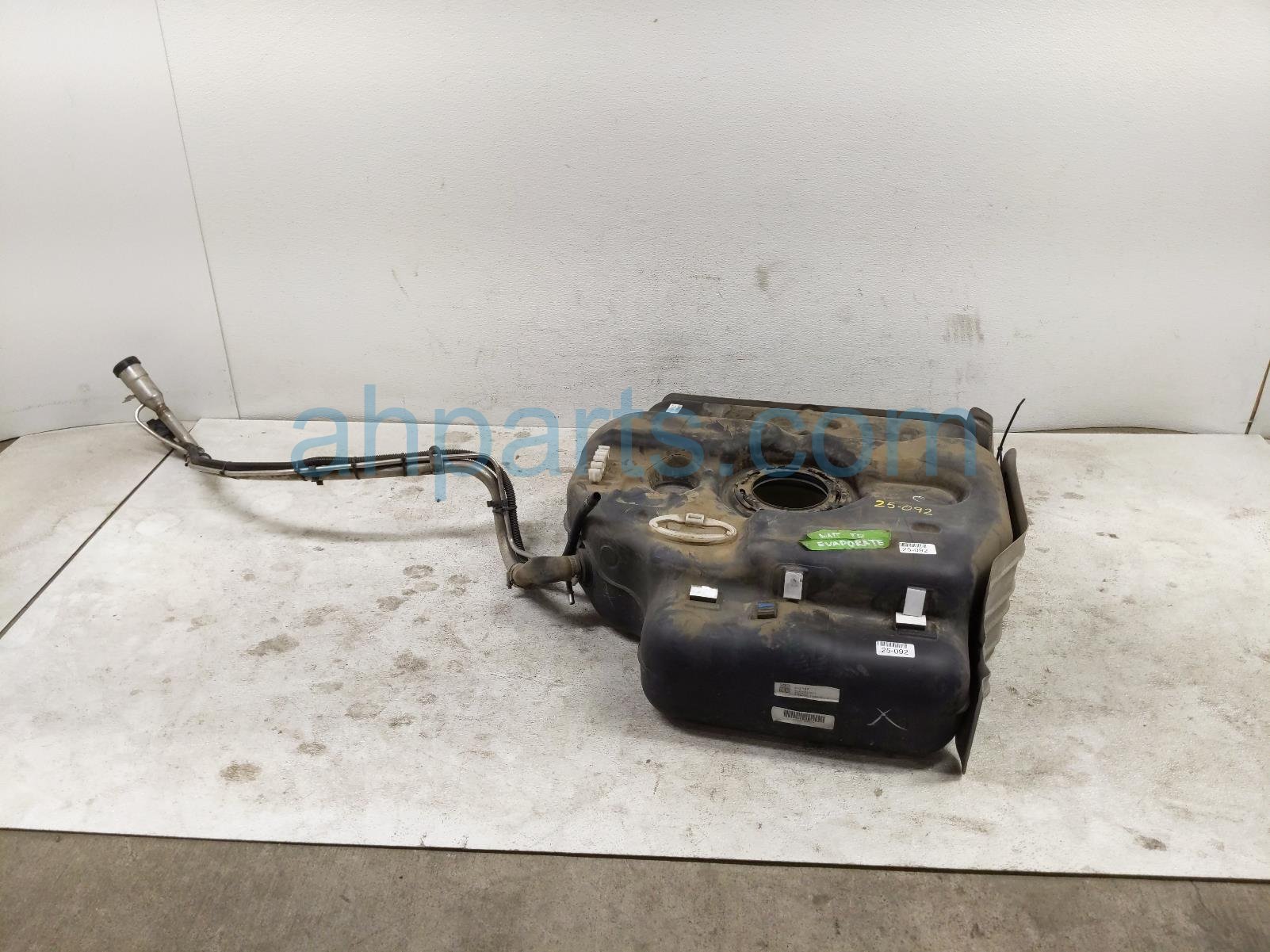
The 2020 Chevrolet Traverse features a fuel tank capacity of 19.4 gallons for front-wheel drive (FWD) models and 21.7 gallons for all-wheel drive (AWD) variants. This difference accommodates the mechanical components of the all-wheel-drive system while providing a balanced driving range for this midsize three-row crossover SUV.
Understanding the fuel storage specifications of a modern passenger vehicle involves more than simply memorizing a single number. For owners, prospective buyers, and automotive enthusiasts, knowing the exact fuel tank capacity of the 2020 Chevrolet Traverse directly impacts long-distance travel planning, fuel economy calculations, and overall vehicle maintenance. Because fuel capacity interacts closely with engine efficiency, weight distribution, and drivetrain configurations, examining these parameters provides a complete picture of what to expect at the gas pump and on the open road.
Overview of the 2020 Chevrolet Traverse Drivetrain and Engineering
The 2020 Chevrolet Traverse occupies a prominent space in the midsize three-row SUV segment. Designed to haul families, cargo, and towing loads, it relies on a standard 3.6-liter V6 engine producing 310 horsepower and 266 lb-ft of torque, mated to a nine-speed automatic transmission. To manage varying road conditions and consumer preferences, Chevrolet engineered the vehicle in both front-wheel-drive and all-wheel-drive configurations.
Drivetrain architecture directly influences underbody packaging, which explains why the fuel tank size varies between models. In an FWD layout, the rear axle does not require differential housing or drive shafts running from the transmission to the rear wheels. This leaves more unobstructed space beneath the floorpan, allowing engineers to shape the fuel tank to a 19.4-gallon volume. Conversely, the AWD layout introduces a power take-off unit, a rear driveshaft, a rear differential, and half-shafts. These components demand physical space beneath the chassis, requiring a slightly different fuel tank design that holds 21.7 gallons.
Detailed Breakdown of Fuel Tank Capacities by Model Configuration
When evaluating the 2020 Chevrolet Traverse, recognizing the distinct fuel capacities across trims and drivetrain options prevents miscalculations regarding driving range and refueling intervals. Every trim level—ranging from the base L and LS to the LT, RS, Premier, and high-end High Country—adheres to a strict drivetrain-based fuel capacity standard.
Front-Wheel Drive (FWD) Models
- Capacity: 19.4 US gallons (approximately 73.4 liters)
- Applicable Trims: L, LS, LT, RS, Premier, High Country (when equipped with FWD)
- Characteristics: Optimized for lighter vehicle curb weight, slightly higher EPA-estimated fuel economy ratings, and maximum interior cargo packaging efficiency.
All-Wheel Drive (AWD) Models
- Capacity: 21.7 US gallons (approximately 82.1 liters)
- Applicable Trims: LS, LT, RS, Premier, High Country (when equipped with AWD)
- Characteristics: Designed to compensate for the additional weight and mechanical draw of the AWD system, ensuring that the driving range remains competitive despite lower fuel economy figures.
| Drivetrain Configuration | Fuel Tank Capacity (Gallons) | Fuel Tank Capacity (Liters) | Estimated Average Driving Range |
|---|---|---|---|
| Front-Wheel Drive (FWD) | 19.4 gal | ~73.4 L | ~350 – 420 miles |
| All-Wheel Drive (AWD) | 21.7 gal | ~82.1 L | ~370 – 440 miles |
EPA Fuel Economy Ratings and Real-World Driving Range
Fuel tank capacity alone does not determine how far a vehicle can travel on a single fill-up. The equation relies heavily on the Environmental Protection Agency (EPA) fuel economy estimates, driving habits, payload weight, and environmental factors such as terrain and weather.
The FWD version of the 2020 Chevrolet Traverse achieves an EPA-estimated fuel economy of roughly 18 miles per gallon (mpg) in city driving, 27 mpg on the highway, and 21 mpg combined. Multiplying the 19.4-gallon FWD tank capacity by the combined EPA rating yields a theoretical highway cruising range of over 500 miles under ideal conditions, though mixed city and highway driving typically results in a real-world range between 350 and 420 miles.
The AWD version achieves an EPA-estimated 17 mpg city, 25 mpg highway, and 20 mpg combined. Due to the slightly lower fuel efficiency caused by the added weight and mechanical resistance of the all-wheel-drive system, the larger 21.7-gallon tank balances the equation. This larger reserve ensures that the AWD model maintains a comparable cruising range to its FWD counterpart, averaging between 370 and 440 miles on a full tank during mixed driving conditions.
Refueling Practices, Reserve Capacity, and Fuel Gauge Accuracy
A frequent point of discussion among vehicle owners involves the difference between the advertised fuel tank capacity and the amount of fuel required to fill the tank when the low fuel warning light illuminates.
Automobile manufacturers typically build a reserve capacity into the fuel system. When the fuel gauge reads empty or the low-fuel warning chime sounds, the tank usually still contains approximately 1.5 to 2.5 gallons of reserve fuel. This safety buffer prevents drivers from being stranded immediately upon reaching empty and keeps the fuel pump submerged, which prevents overheating since gasoline acts as a coolant for the electric in-tank fuel pump.
For instance, if an owner of an AWD 2020 Chevrolet Traverse with a 21.7-gallon tank visits a gas station immediately after the low fuel light activates, they will often pump around 18.5 to 19.5 gallons. The remaining volume accounts for the safety reserve. Drivers should avoid routinely driving until the tank is completely dry, as running a modern fuel-injected engine out of gas can draw sediment from the bottom of the tank into the fuel lines and potentially damage the fuel pump.
Comparing the 2020 Chevrolet Traverse to Segment Competitors
When evaluating midsize three-row crossover SUVs from the 2020 model year, the Traverse stands out for offering a relatively large physical footprint and generous interior volume. Its fuel tank capacity aligns closely with class standards, competing directly against other mainstream family haulers.
- Ford Explorer (2020): Features a 20.2-gallon fuel tank for standard rear-wheel-drive and intelligent AWD models, positioning it slightly smaller than the AWD Traverse but larger than the FWD Traverse.
- Toyota Highlander (2020): Equipped with a 17.8-gallon fuel tank for the V6 gas model, which is noticeably smaller than the Traverse, resulting in shorter gaps between required refueling stops.
- Honda Pilot (2020): Houses a 19.5-gallon fuel tank across both FWD and AWD configurations, closely mirroring the FWD capacity of the Traverse while falling short of the AWD Traverse's 21.7-gallon capacity.
This comparison illustrates that Chevrolet purposefully scaled the Traverse fuel storage to match the heavier engine load and larger body dimensions characteristic of the platform.
Maintenance and Troubleshooting Considerations
Maintaining the fuel system on a 2020 Chevrolet Traverse requires adherence to basic preventive care guidelines. While modern automotive fuel systems are largely sealed and maintenance-free, certain operational habits preserve longevity:
- Avoid Overfilling: Once the gas station pump nozzle clicks off automatically, stop pumping. "Topping off" forces liquid gasoline into the charcoal canister of the evaporative emission control (EVAP) system, leading to clogs, check-engine lights, and potential system failure.
- Fuel Quality: Use the recommended regular unleaded gasoline with an octane rating of 87 or higher. Higher octane fuel does not provide performance or efficiency benefits in the standard 3.6L V6 engine unless specified for forced-induction variants, which the standard Traverse does not utilize.
- Filter and Pump Health: The fuel filter in the 2020 Traverse is integrated into the fuel pump module inside the tank and is designed to last the lifetime of the vehicle under normal operating conditions. However, using contaminated fuel or consistently driving with a near-empty tank can accelerate wear on the internal pump components.
Summary and Practical Next Steps
The 2020 Chevrolet Traverse provides robust utility backed by a fuel tank capacity of 19.4 gallons for front-wheel-drive configurations and 21.7 gallons for all-wheel-drive models. This engineering choice successfully offsets the efficiency trade-offs of the heavier drivetrain, ensuring consistent cruising ranges for long road trips and daily commutes alike.
When planning long-distance travel, drivers should calculate their fuel stops based on the real-world combined fuel economy of approximately 20 to 21 mpg, factoring in cargo weight and road conditions. Always consult the official Chevrolet owner's manual for specific fluid requirements, towing capacity guidelines, and safety procedures related to your exact trim level.
Editorial Metadata: