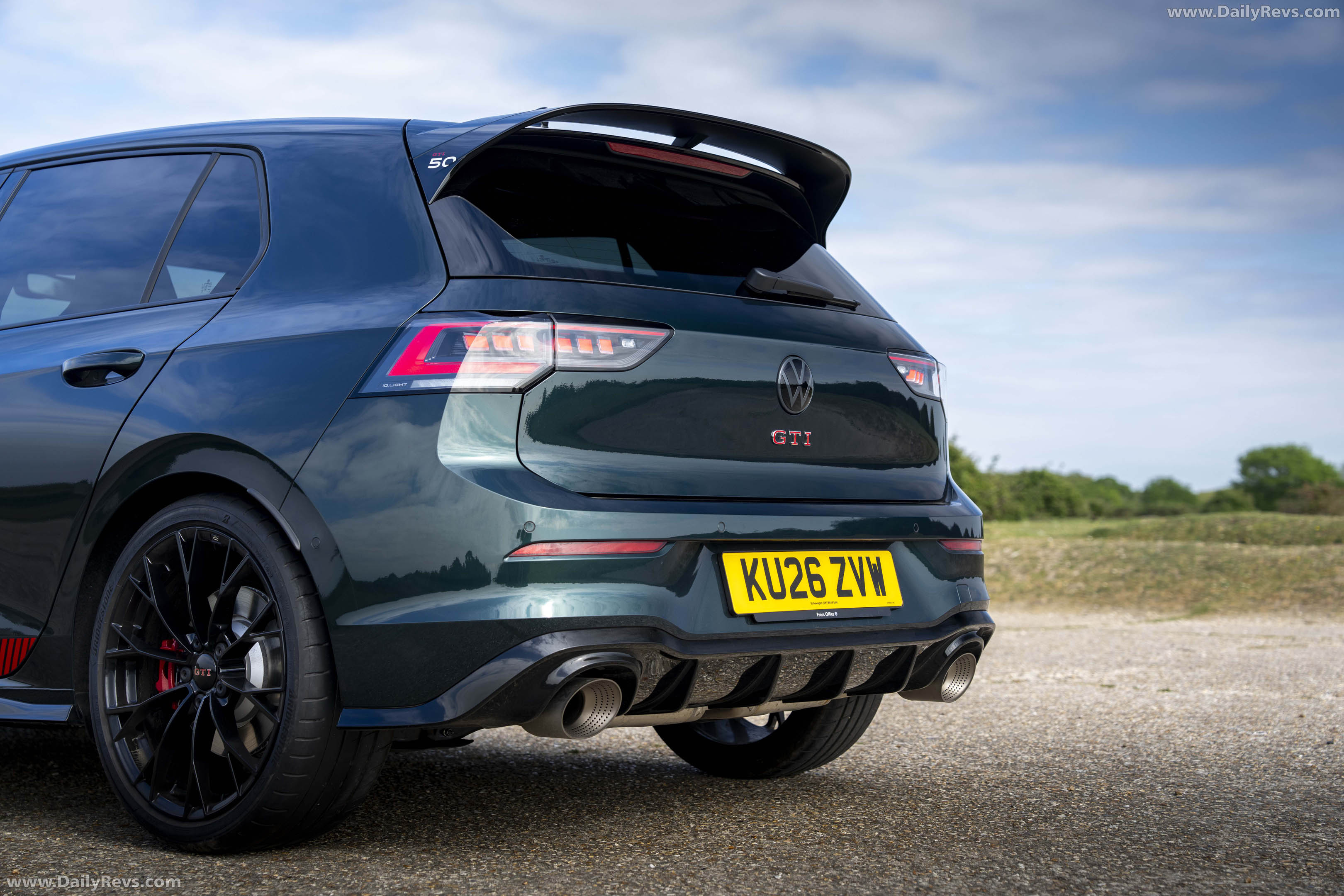
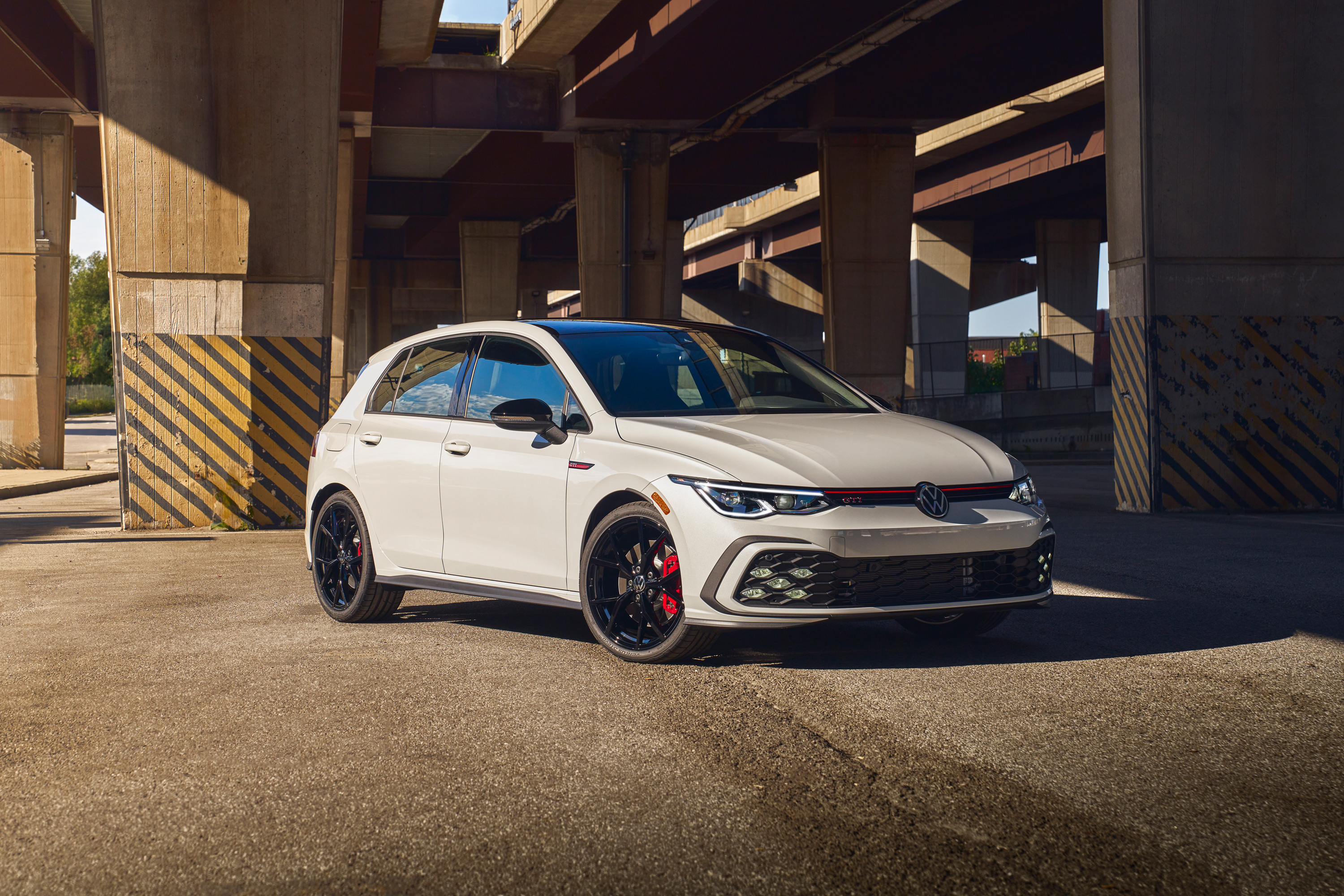
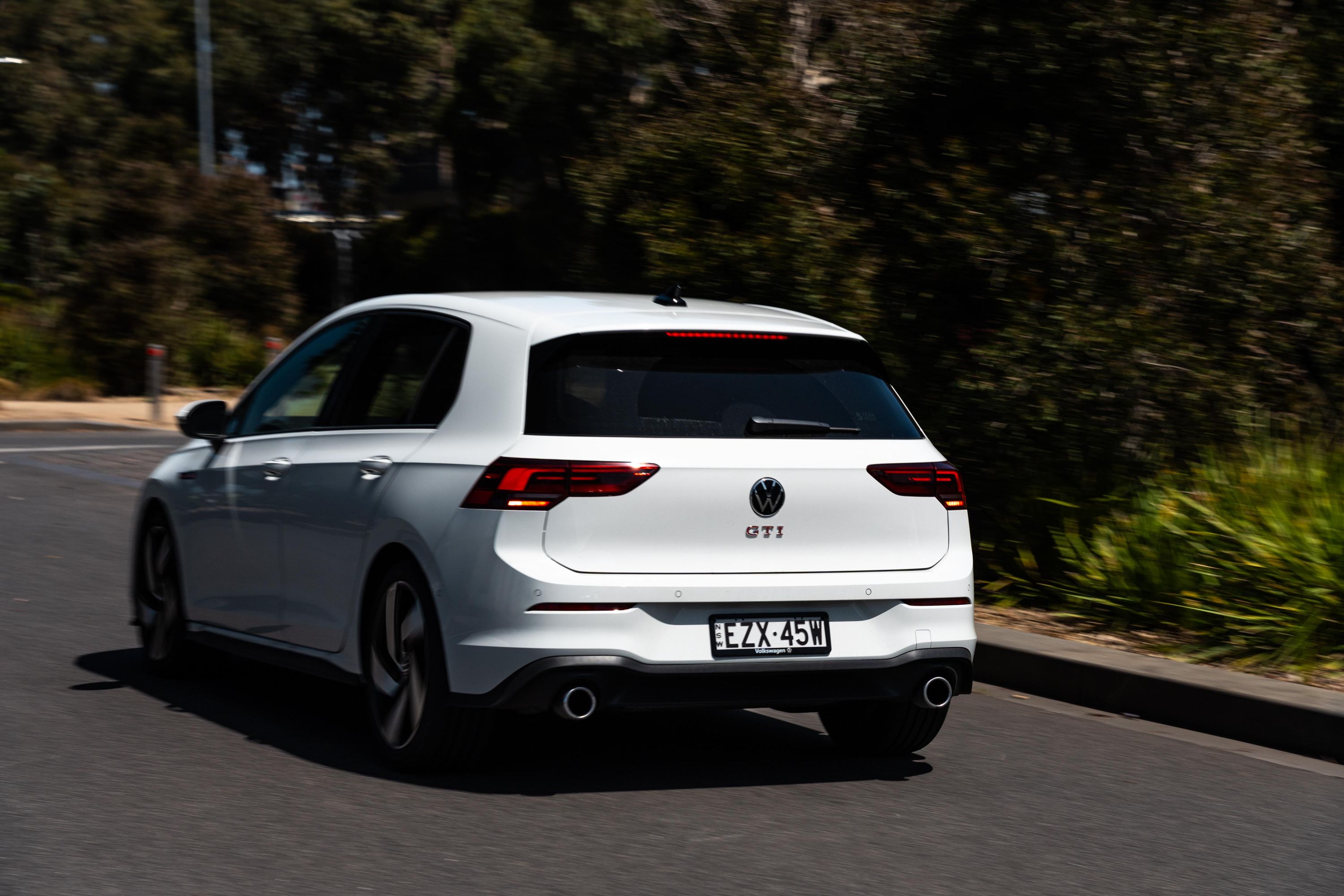
The 2019 Volkswagen Golf GTI delivers a 0-60 mph acceleration time ranging from approximately 5.7 to 6.2 seconds, depending on transmission choice, tire traction, and driving conditions. This performance is achieved through the integration of a 2.0-liter turbocharged four-cylinder engine, a sophisticated dual-clutch or manual transmission, and refined chassis tuning designed for balanced power delivery.
Understanding the Powertrain Dynamics
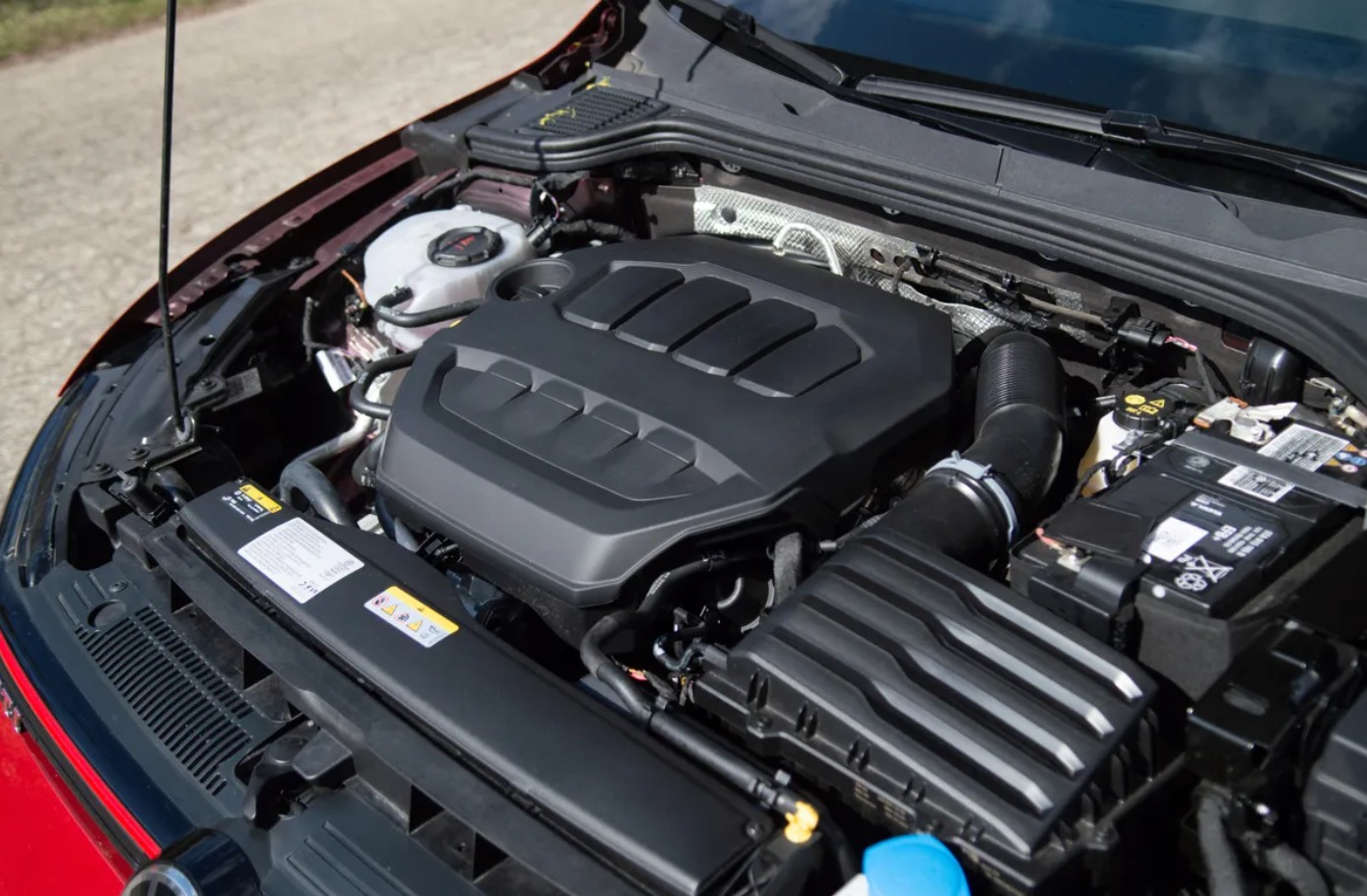
At the heart of the 2019 Golf GTI’s performance is the EA888 Gen 3 engine. This 2.0-liter, direct-injection turbocharged unit was updated for the 2019 model year to produce 228 horsepower and 258 lb-ft of torque—a slight increase over previous iterations. The "0-60" metric is essentially a measurement of how efficiently this engine translates its torque curve to the pavement.
Unlike naturally aspirated engines that require high RPMs to reach peak power, the EA888 engine utilizes a twin-scroll turbocharger designed to minimize "turbo lag." By spooling up at lower engine speeds, the GTI provides a broad, flat torque curve. This means that as soon as the driver steps on the accelerator, the vehicle has access to nearly its full range of force, which is critical for that initial launch from a standstill.
Transmission Impact: DSG vs. Manual
The transmission choice significantly influences how a 2019 Golf GTI achieves its 0-60 mph time. Volkswagen offered two primary choices: the six-speed manual gearbox and the seven-speed DSG (Direct Shift Gearbox) dual-clutch automatic.
The DSG Advantage
The DSG is a sophisticated automated manual transmission that utilizes two separate clutches—one for odd gears and one for even gears. When the car is in first gear, the second gear is already pre-selected. When the shift occurs, the transmission swaps clutches almost instantaneously, typically in milliseconds. This rapid-fire shifting capability allows the DSG-equipped GTI to maintain consistent acceleration without the momentary loss of power associated with a traditional manual transmission shift. Independent testing consistently places the DSG models at the faster end of the acceleration spectrum, often hovering near that 5.7-second mark.
The Manual Experience
The six-speed manual transmission is favored for driver engagement rather than raw speed. Achieving an optimal 0-60 time in a manual GTI requires significant driver skill, specifically regarding clutch modulation and throttle control. A "perfect" launch requires finding the narrow window where the tires maintain maximum grip without excessive wheel spin or engine bogging. Because human reaction times and shift speeds are slower than the computer-controlled DSG, manual versions are generally 0.3 to 0.5 seconds slower in standardized testing environments.
The Role of Traction and Launch Control
The 2019 Golf GTI is a front-wheel-drive (FWD) platform, which imposes a physical limit on acceleration from a standstill. Unlike all-wheel-drive vehicles that can distribute power across four contact patches, the GTI must manage its 258 lb-ft of torque through two front wheels.
Launch Control Explained
Models equipped with the DSG transmission feature a "Launch Control" function. To engage this, the driver puts the car in Sport mode, disables the traction control (ASR), holds the brake with the left foot, and floors the accelerator. The car holds the engine at a preset optimal RPM. Upon releasing the brake, the vehicle manages the initial wheel slip to maximize forward momentum. This electronic intervention is the primary reason the DSG provides more repeatable and faster 0-60 times compared to manual transmission counterparts.
Tire Selection and Surface Conditions
The 2019 GTI was factory-equipped with performance-oriented all-season tires, with summer tires available on certain trims. Tire compound is a massive variable in the 0-60 equation. A stickier summer tire provides better grip during the initial "launch" phase, effectively reducing the time spent fighting wheel spin. Conversely, road surface temperature and friction coefficient (asphalt vs. concrete) play a role. Even with perfect technique, a cold day on a dusty surface will result in significantly higher 0-60 times than a warm day on a prepped track surface.
Technical Factors Influencing Real-World Performance
Performance is not solely about the engine and transmission; it is about the integration of several mechanical systems.
| Factor | Impact on Acceleration |
|---|---|
| Transmission Type | DSG allows for faster, computer-controlled shifts. |
| Tire Compound | Summer tires provide higher grip than all-seasons. |
| Weight | Curb weight (approx. 3,000–3,100 lbs) affects power-to-weight ratio. |
| Launch Control | Optimizes engine RPM and wheel slip for a clean start. |
| Ambient Temp | Cooler, dense air increases engine power efficiency. |
The Power-to-Weight Ratio
The GTI is lauded for its "hot hatch" balance. It is not necessarily the most powerful vehicle in its class, but its relatively low curb weight—hovering around 3,000 to 3,100 pounds—means the 228 horsepower is highly effective. This allows the car to feel nimble and responsive, contributing to the subjective sense of speed that the raw 0-60 number represents.
Weight Transfer
During a hard launch, the weight of the car shifts toward the rear axle. In a FWD car like the GTI, this naturally unloads the front drive wheels, which can cause them to lose traction (wheel hop or spin). The GTI’s suspension geometry is tuned to mitigate this pitch, but it remains a limiting factor. This is why performance enthusiasts often look to aftermarket engine mounts or "dogbone" inserts to reduce engine movement and improve the transfer of power to the wheels.
Frequently Asked Questions
Does the 2019 Golf GTI need premium fuel to achieve its advertised performance?
Yes. Volkswagen recommends premium unleaded fuel (91 octane or higher) to achieve the rated 228 horsepower. Using lower-octane fuel will trigger the engine’s knock sensors, causing the ECU to pull timing and reduce power output, which will negatively impact 0-60 performance.
How does the Limited Slip Differential (LSD) affect acceleration?
The "VAQ" electronically controlled limited-slip differential, standard on most 2019 trims, is excellent for cornering, but it also helps in a straight line. By ensuring that both front wheels receive power, it helps prevent one wheel from spinning uselessly while the other remains stationary, leading to a more efficient launch.
Are 0-60 times for the 2019 Golf GTI consistent across different trims?
Generally, yes. Whether it is an S, SE, or Autobahn trim, the engine and transmission hardware are identical. However, trim levels with larger wheels and lower-profile tires may offer a slight advantage in grip, provided the tires are high-performance summer variants.
Can I make my 2019 Golf GTI faster than stock?
Many owners utilize "Stage 1" ECU tunes to increase horsepower and torque. These tunes can significantly drop 0-60 times, often by several tenths of a second. However, modification should be approached with caution as it can impact warranty coverage and powertrain longevity.
Why do independent reviews show different 0-60 times for the same car?
Variables including elevation, driver experience, tire pressure, fuel quality, and track surface conditions lead to variances in reported times. Official manufacturer numbers are often conservative, while independent journalists may achieve faster times on perfectly prepped surfaces.
Practical Considerations for Performance Enthusiasts
If you are looking to verify your own vehicle's performance, the most reliable method is using a GPS-based performance timer like a Dragy or a similar telemetry tool. These devices account for slope and provide accurate data that isn't prone to the inaccuracies of vehicle speedometers, which often have a "built-in" error margin.
For the best acceleration results in a stock 2019 GTI:
- Ensure your tires are properly inflated to factory specifications.
- Use high-quality 91 or 93 octane fuel.
- If using DSG, utilize the factory Launch Control system on a clean, dry surface.
- If using a manual, practice smooth clutch engagement to avoid excessive wheel spin.
Understanding the 2019 Golf GTI’s performance requires looking past the single number of 0-60. The vehicle's true character lies in how its power is delivered through the front wheels and how the transmission interacts with the turbocharged engine. Whether you are seeking a daily driver with a bit of "zip" or a platform for tuning, the 2019 model remains a benchmark for balanced, accessible performance.