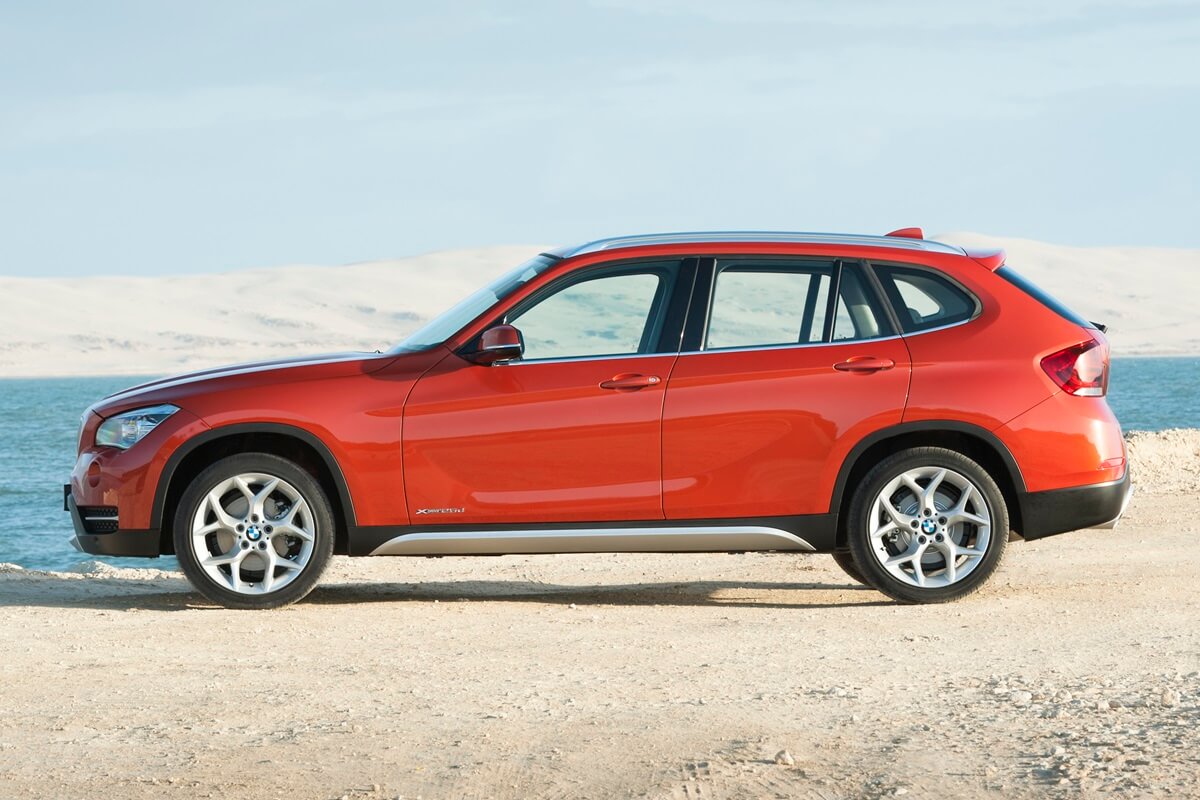
The 2015 BMW X1 spans two distinct manufacturing architectures, balancing sporty driving dynamics with well-documented maintenance challenges. While its inline-four engines offer responsive performance and respectable fuel economy, prospective buyers and current owners must navigate known issues involving timing chain guides, oil leaks, and steering components to ensure long-term mechanical stability.
Evaluating the mechanical endurance of a luxury compact crossover requires a careful examination of its powertrain options, common failure points, historical safety ratings, and ongoing maintenance costs. The 2015 model year holds a unique position in automotive history because it represents the final year of the first-generation rear-wheel-drive-based E84 platform in North America, before BMW transitioned the X1 to a front-wheel-drive-based architecture for the subsequent model year. This distinction profoundly shapes its engineering layout, driving characteristics, and specific mechanical vulnerabilities.
Understanding how this vehicle performs over time helps current owners prevent catastrophic failures and guides used-car shoppers toward well-maintained examples. By breaking down engine specifics, transmission behavior, electrical longevity, and routine servicing requirements, this comprehensive overview provides a clear roadmap for living with a 2015 BMW X1.
Historical Context and Platform Evolution
The 2015 BMW X1 is part of the E84 generation, which initially launched in Europe for the 2009 model year and arrived in North America for the 2013 model year. Unlike later iterations of the X1, the 2015 model shares its platform and mechanical underpinnings with the E90 3 Series. This means it features a longitudinally mounted engine layout, standard rear-wheel drive (sDrive), and an available intelligent all-wheel-drive system (xDrive).
This architectural heritage gives the 2015 X1 a notably sporty, car-like driving dynamic that distinguishes it from many contemporary front-wheel-drive-biased crossovers. However, it also means the vehicle inherits several mechanical complexities associated with BMW's high-performance sedans of that era. Buyers seeking a driving experience that closely mimics a traditional sport wagon often prefer the E84 generation over its front-wheel-drive successors, making the 2015 model year a sought-after commodity on the pre-owned market.
Despite its engaging driving dynamics, age brings distinct ownership realities. Maintenance histories, previous service intervals, and the quality of replacement parts used by prior owners dictate whether a 2015 X1 functions as a reliable daily driver or a source of continuous repair bills.
Powertrain Options and Performance Reliability
The 2015 BMW X1 came equipped with two primary engine choices in North American markets, each carrying distinct reliability profiles. Recognizing the specific engine code under the hood is the single most important step in diagnosing and preventing mechanical issues.
2.0-Liter Turbocharged Inline-Four (N20)
Most 2015 BMW X1 models—specifically the sDrive28i and xDrive28i variants—are powered by the N20 2.0-liter turbocharged four-cylinder engine. Rated at 240 horsepower and 260 lb-ft of torque, this engine provides brisk acceleration and efficient cruising.
However, the N20 engine is infamous for a major design flaw: premature timing chain guide failure. The plastic guides inside the engine can crack, fragment, and break apart, leading to a loss of oil pressure, catastrophic engine failure, or skipped timing. BMW updated the timing chain module design in early 2015 (specifically for engines produced from January 2015 onward), but vehicles manufactured in 2014 and late 2014 for the 2015 model year remain susceptible. Owners must listen for a distinct whining or rattling noise coming from the front of the engine bay, which serves as an early warning sign.
3.0-Liter Turbocharged Inline-Six (N55)
Available exclusively on the top-tier xDrive35i trim, the N55 3.0-liter turbocharged inline-six engine produces 300 horsepower and 300 lb-ft of torque. Enthusiasts widely praise the N55 for its smooth power delivery and robust architecture compared to early N20 variants.
While the N55 is generally considered more durable, it is not immune to issues. Common problems on high-mileage N55 engines include leaking valve cover gaskets, failing oil filter housing gaskets (which can leak oil onto the serpentine belt, causing it to slip and enter the engine through the crank seal), and water pump failures. Regular cooling system inspections and timely gasket replacements are vital for keeping an N55-powered X1 on the road.
| Engine Option | Trim Levels | Horsepower | Notable Reliability Concerns |
|---|---|---|---|
| 2.0L Turbo I4 (N20) | sDrive28i, xDrive28i | 240 hp | Timing chain guide wear, oil pump drive failure, turbocharger oil feed line leaks. |
| 3.0L Turbo I6 (N55) | xDrive35i | 300 hp | Oil filter housing gasket leaks, water pump failure, charge pipe cracking under boost. |
Transmission and Drivetrain Durability
The 2015 BMW X1 utilizes the ZF 8HP 8-speed automatic transmission across its lineup. Widely regarded by automotive engineers as one of the best automatic transmissions ever built, the ZF 8HP offers rapid, smooth shifts and excellent durability.
Unlike the problematic dual-clutch transmissions found in some competing luxury vehicles, the ZF unit rarely suffers from internal mechanical failures. However, BMW's assertion that the transmission fluid is "lifetime fill" is widely disputed by independent mechanics and transmission specialists. To ensure smooth operation past 100,000 miles, changing the transmission fluid and pan filter every 50,000 to 60,000 miles is strongly recommended.
For xDrive all-wheel-drive models, the transfer case requires clean fluid to prevent binding or jerking during tight turns. Neglecting transfer case maintenance can lead to premature wear of the internal clutch packs, resulting in expensive component replacements.
Common Mechanical and Electrical Issues
Beyond the engine and transmission, owning a 2015 BMW X1 requires vigilance regarding several secondary systems that frequently degrade with age and mileage.
Oil Leaks and Gasket Degradation
Rubber and plastic gaskets in modern BMW engine bays harden and crack over time due to intense thermal cycling. The 2015 X1 frequently develops leaks from:
- Valve Cover Gaskets: Oil leaks onto the hot exhaust manifolds, producing a distinct burning smell in the cabin.
- Oil Filter Housing Gaskets: Allows coolant and oil to mix or leak externally down the front of the engine block.
- Oil Pan Gaskets: Particularly labor-intensive to replace on xDrive models due to the front differential passing directly through the oil pan.
Suspension and Steering Components
The suspension setup on the E84 X1 is firm and sporty, which places high stress on rubber bushings and ball joints. Common failure points include:
- Control Arm Bushings: Hydraulic fluid-filled bushings rupture, causing loose steering feel, highway vibrations, and uneven front tire wear.
- Strut Mounts: Degrade over time, creating clunking noises when going over bumps or turning the steering wheel at low speeds.
- Electric Power Steering (EPS): While hydraulic fluid leaks are eliminated, internal gear wear in the steering rack can occasionally develop, leading to sticking or clunking during steering inputs.
Cooling System Vulnerabilities
Both the N20 and N55 engines rely heavily on computerized electronic water pumps and high-pressure plastic coolant hoses. Plastic connectors become brittle with heat cycles and can snap unexpectedly, resulting in rapid coolant loss and potential engine overheating. Replacing hoses and the water pump proactively between 80,000 and 100,000 miles prevents roadside strandings.
Maintenance Costs and Long-Term Ownership Reality
Owning a luxury European crossover requires a different financial strategy than owning a mainstream Japanese or domestic vehicle. Parts pricing reflects the vehicle's original MSRP, and labor rates at specialized European repair shops are typically higher than standard service centers.
Routine maintenance items—such as synthetic oil changes, spark plug replacements, brake pads and rotors, and fluid flushes—should be performed strictly on schedule. Deferring basic maintenance on a BMW almost always leads to compounding failures. For instance, ignoring a minor oil leak can eventually degrade nearby rubber coolant hoses, leading to overheating and severe engine damage.
Finding a trusted independent mechanic who specializes in BMW vehicles can significantly reduce ownership costs compared to relying exclusively on dealership service departments. Additionally, purchasing high-quality OEM (Original Equipment Manufacturer) or OE-equivalent parts ensures longevity and prevents premature component failure.
Safety Ratings and Structural Integrity
The 2015 BMW X1 provides a robust safety cell and comprehensive active safety features, making it a secure choice for daily commuting and family transport.
The Insurance Institute for Highway Safety (IIHS) evaluated the structural performance of the E84 platform and awarded it strong marks in most crashworthiness categories. Standard safety equipment includes anti-lock disc brakes, stability control, traction control, front-seat side airbags, full-length side curtain airbags, and active front head restraints.
Optional safety features available on 2015 models include rear parking sensors, a rearview camera, and lane departure warning systems. While it lacks the advanced autonomous driving aids found in modern vehicles, its heavy-gauge steel construction and responsive handling provide a high baseline of passive and active security.
Buying Guide: How to Inspect a Used 2015 BMW X1
If you are considering purchasing a pre-owned 2015 BMW X1, a thorough inspection and a detailed service history are mandatory. Use the following steps to evaluate a prospective vehicle:
- Review the Service Records: Verify that oil changes were performed every 5,000 to 7,500 miles rather than the factory-recommended 15,000-mile intervals, which are widely considered too long for engine longevity.
- Inspect the Engine Bay Cold: Look for visible oil residue around the valve cover, oil filter housing, and front timing cover. Ensure the engine starts cleanly without any rattling noises from the timing chain area.
- Check Production Date: If purchasing an N20-powered model, check the vehicle's manufacturing date on the door jamb sticker. Models built from January 2015 onward received updated timing chain components.
- Test Drive Thoroughly: Pay close attention to transmission shifts, suspension noises over speed bumps, and tracking straightness on the highway. Check that the all-wheel-drive system engages smoothly without binding during tight low-speed turns.
- Obtain a Pre-Purchase Inspection (PPI): Have an independent BMW technician lift the vehicle to inspect bushings, undertrays, turbo lines, and fluid conditions.
Frequently Asked Questions
Is the 2015 BMW X1 reliable past 100,000 miles?
Yes, a 2015 BMW X1 can easily surpass 100,000 miles, but it requires diligent, proactive maintenance. Vehicles that receive regular fluid changes, timely gasket replacements, and prompt attention to timing chain health routinely remain dependable well into higher mileage ranges.
How do I know if the timing chain on my 2015 BMW X1 is failing?
The primary warning sign of N20 timing chain guide failure is a persistent metallic whining, buzzing, or rattling noise coming from the front or side of the engine, particularly noticeable at idle or low RPMs. If you hear this noise, have the vehicle inspected immediately to prevent catastrophic engine damage.
Are repair parts expensive for the 2015 BMW X1?
Replacement parts are generally more expensive than those for non-luxury compact SUVs. Because the X1 shares components with the 3 Series, aftermarket and OEM parts are widely available, which helps mitigate costs when using an independent specialist rather than a dealership.
Which is better for reliability: the sDrive28i or the xDrive35i?
The xDrive35i (equipped with the N55 inline-six) avoids the notorious timing chain guide issues of the N20 four-cylinder engine, making its core powertrain mechanically robust. However, the N35i model has a more cramped engine bay, which can increase labor costs for routine gasket and cooling system repairs.
Does the 2015 BMW X1 require premium fuel?
Yes, the turbocharged engines in the 2015 BMW X1 require premium gasoline (91 octane or higher) to operate efficiently and prevent engine knock. Using lower-octane fuel can reduce performance, lower fuel economy, and potentially trigger engine management warnings over time.
Conclusion
The 2015 BMW X1 remains a compelling option for drivers who prioritize engaging handling, compact dimensions, and European styling. While its mechanical reliability is heavily dependent on diligent previous ownership and proactive maintenance, understanding its specific weak points—such as N20 timing chain guides and peripheral gasket leaks—allows buyers and owners to manage risks effectively. Prioritizing well-documented service histories, conducting thorough pre-purchase inspections, and addressing minor leaks before they escalate will ensure a rewarding ownership experience.