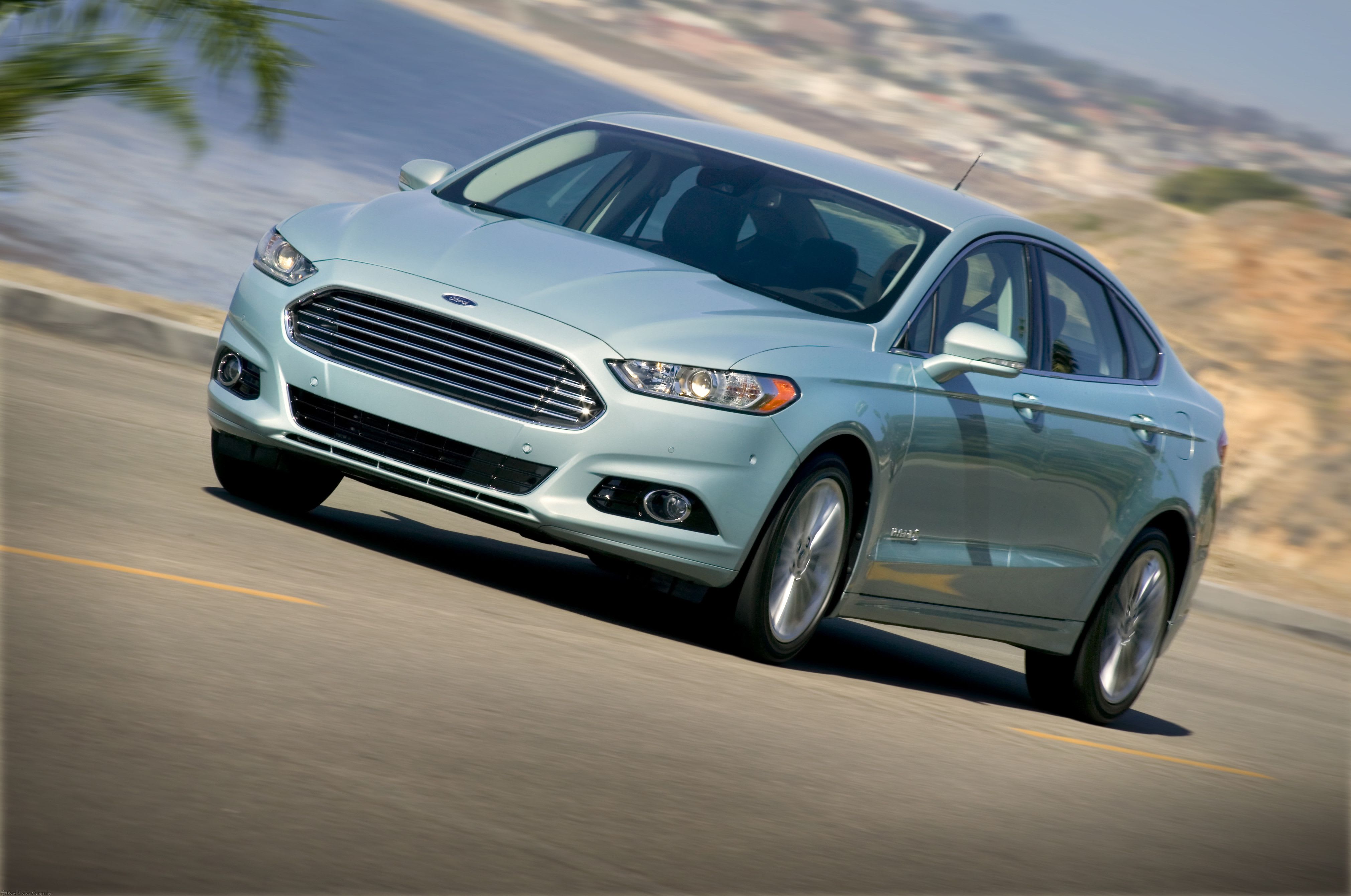
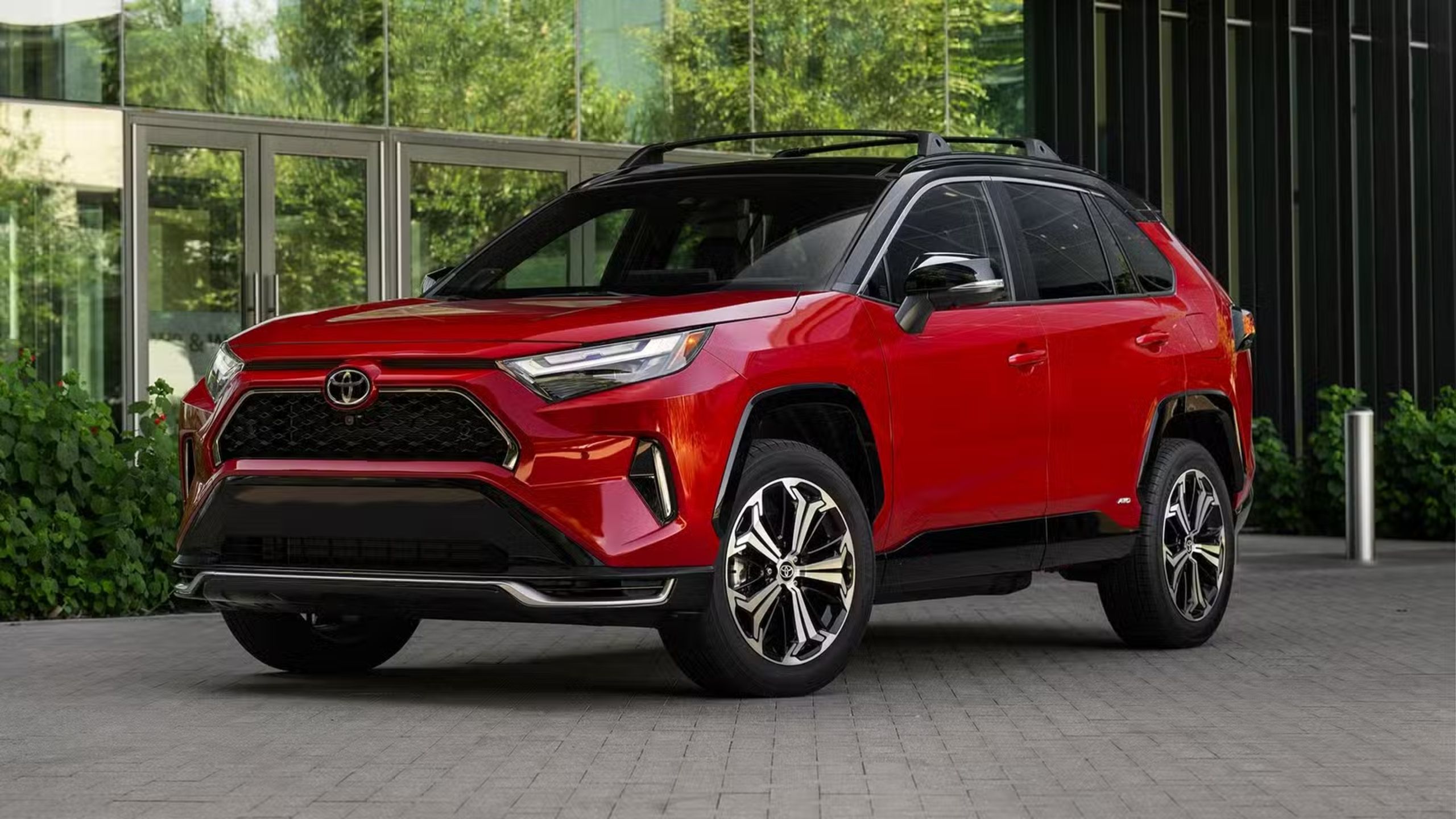
The 2013 hybrid SUV market represents a significant era of automotive transition, offering a blend of early-generation fuel efficiency and traditional utility. While Toyota and Lexus dominated the segment with refined systems, other manufacturers like GM and Volkswagen provided niche options for towing and performance, creating a diverse but specialized secondary market.
The State of Hybrid SUVs in 2013: A Historical Context
By 2013, the automotive industry had moved past the "proof of concept" phase for hybrid technology. While the first decade of the 2000s focused on small hatchbacks like the Prius, 2013 saw manufacturers applying gasoline-electric powertrains to larger, more versatile platforms. This was the year when consumers began demanding that fuel efficiency not come at the expense of cargo space or all-weather capability.
The landscape was divided into three distinct categories: mainstream family haulers, luxury cruisers, and heavy-duty towing machines. Toyota’s Hybrid Synergy Drive remained the benchmark for reliability and efficiency, but European manufacturers were beginning to experiment with performance-oriented hybrids that used electric motors to augment horsepower rather than just save fuel. As we look at these vehicles from the perspective of 2026, they occupy a unique space in the used car market—often available at a significant discount due to their age, yet requiring specific technical scrutiny regarding their high-voltage components.
Top Mainstream and Luxury Models of 2013
Choosing a 2013 hybrid SUV requires understanding that "hybrid" meant different things to different brands during this model year. Some focused strictly on maximizing miles per gallon (MPG), while others used the electric motor to smooth out the power delivery of a turbocharged engine.
Toyota Highlander Hybrid
The 2013 Toyota Highlander Hybrid was arguably the most practical choice for families. It featured a 3.5-liter V6 engine paired with multiple electric motors to produce a combined 280 horsepower. Unlike many competitors, it offered a third row of seating, though it was somewhat cramped for adults. Its electronic All-Wheel Drive (AWD-i) system was unique because it utilized a dedicated rear-mounted electric motor to power the back wheels when slip was detected, eliminating the need for a heavy mechanical driveshaft.
Lexus RX 450h
As the luxury sibling to the Highlander, the Lexus RX 450h focused on cabin insulation and material quality. It utilized a similar Atkinson-cycle V6 engine but tuned the suspension for a "cloud-like" ride. In 2013, the RX 450h was one of the most reliable vehicles in its class. In the current 2026 market, these vehicles are often sought after because their interior components—such as the leather and real wood trim—tend to hold up better over 13 years of use than those of their economy-brand counterparts.
Chevrolet Tahoe and GMC Yukon Hybrids
2013 marked the final year for the General Motors "Two-Mode" hybrid system in their full-size SUVs. These were specialized machines designed for owners who needed to tow heavy trailers but wanted to improve their city fuel economy. While a standard Tahoe of that era struggled to reach 15 MPG in stop-and-go traffic, the Hybrid version could achieve nearly 20 MPG. However, the complexity of the Two-Mode transmission makes these models a higher risk for secondary owners today compared to the simpler Toyota systems.
Volkswagen Touareg and Porsche Cayenne Hybrids
These German cousins shared a powertrain: a 3.0-liter supercharged V6 mated to an electric motor. These were "parallel hybrids," meaning they could run on electricity alone at low speeds, but their primary goal was performance. With 380 horsepower and massive torque, they were faster than many of their gasoline-only peers. The trade-off was a much higher maintenance cost and a hybrid system that was more prone to electronic glitches as it aged.
Technical Specifications and Performance Comparison
When evaluating these vehicles, the technical specs reveal the wide variance in how "efficiency" was defined in 2013. The following table highlights the core differences in the most popular models from that year.
| Model | Engine Type | Combined HP | EPA Combined MPG | Towing Capacity (lbs) |
|---|---|---|---|---|
| Toyota Highlander Hybrid | 3.5L V6 | 280 | 28 | 3,500 |
| Lexus RX 450h | 3.5L V6 | 295 | 30 (FWD) / 29 (AWD) | 3,500 |
| Chevrolet Tahoe Hybrid | 6.0L V8 | 332 | 21 | 6,200 |
| Volkswagen Touareg Hybrid | 3.0L SC V6 | 380 | 21 | 7,700 |
| Porsche Cayenne Hybrid | 3.0L SC V6 | 380 | 21 | 7,716 |
The 2026 Reality: Battery Health and Longevity
The most significant concern for any 2013 hybrid SUV in 2026 is the condition of the high-voltage battery pack. Most vehicles from this era utilized Nickel-Metal Hydride (NiMH) battery chemistry, which is known for its durability but has a finite lifespan of roughly 10 to 15 years or 150,000 to 200,000 miles.
Identifying Battery Degradation
By now, a 2013 model is at the "critical age" where the original battery may be failing. Symptoms of a dying hybrid battery include:
- Rapid state-of-charge fluctuations: Seeing the battery icon on the dashboard go from full to empty in a matter of seconds.
- Increased engine run-time: The gasoline engine stays on more frequently because the battery can no longer hold enough charge to power the vehicle at low speeds.
- Decreased fuel economy: As the hybrid system relies more on the combustion engine, the MPG will drop toward non-hybrid levels.
Replacement Options and Costs
In 2026, owners have more options than they did a decade ago. While a brand-new battery from a dealership can cost between $3,500 and $5,000, the aftermarket has matured. Companies now offer refurbished "grid-balanced" packs for $1,500 to $2,000, or even new lithium-ion conversion kits that are lighter and more efficient than the original NiMH units. When purchasing a used 2013 hybrid SUV today, verifying whether the battery has been replaced is the single most important factor in determining the vehicle's value.
Mechanical and Maintenance Considerations
Beyond the hybrid battery, these SUVs have standard mechanical components that require attention. Because hybrid systems use regenerative braking, the traditional friction brakes (pads and rotors) often last much longer than on standard cars—sometimes up to 100,000 miles. However, this can lead to rusted brake calipers in northern climates due to lack of use.
The Inverter/Converter Cooling System
The inverter is the "brain" that converts DC power from the battery to AC power for the motors. It generates significant heat and has its own dedicated cooling system with a pump and coolant. If this pump fails, the inverter can overheat and fail, which is a multi-thousand-dollar repair. Buyers should check the service records to ensure the hybrid coolant has been exchanged at least once in the vehicle’s life.
Transmission Differences
The Toyota and Lexus models use an eCVT (Electronic Continuously Variable Transmission). Unlike a belt-driven CVT found in many economy cars, the eCVT uses planetary gears and is exceptionally robust. Conversely, the GM and German hybrids used more traditional automatic transmissions modified with electric motors, which are more complex and have higher failure rates as they approach the 20-year mark.
Ownership Costs: Is a 2013 Hybrid SUV Worth It in 2026?
The value proposition of a 2013 hybrid SUV today depends on your driving patterns. If you drive primarily on the highway, the hybrid system provides minimal benefit, as the gasoline engine does most of the work at cruising speeds. In this scenario, a standard 2013 SUV might be a better value due to lower complexity and a lower purchase price.
However, for city dwellers or those frequently stuck in stop-and-go traffic, the hybrid remains superior. The ability to "creep" in traffic using only electricity saves significant fuel and reduces wear on the engine. Additionally, in many jurisdictions, these older hybrids still qualify for certain emissions exemptions or parking perks, though these are being phased out in 2026 as fully electric vehicles (EVs) become the new standard.
Common Problems to Watch For
While generally reliable, specific models have known "Achilles' heels" that buyers should investigate:
- Brake Actuator Noise: Toyota and Lexus models from this era can develop a "barking" or clicking sound from the brake actuator, which is an expensive part to replace.
- Oil Consumption: Some 2013-era engines were prone to oil consumption as they aged. It is vital to check the dipstick and look for blue smoke during a cold start.
- Auxiliary 12V Battery: Hybrids still have a standard 12V battery to power the computers. If this small battery dies, the entire car will not start, even if the large hybrid battery is full. These are often hidden in the trunk or under a seat and are frequently overlooked.
Frequently Asked Questions
Can I drive a 2013 hybrid SUV if the hybrid battery is completely dead?
Generally, no. In most 2013 models, the hybrid battery is required to start the gasoline engine (as there is no traditional starter motor) and to operate the transmission. If the high-voltage battery is totally depleted or has a "hard" internal fault, the vehicle will enter a "limp mode" or refuse to move entirely to protect the electrical system.
How much does it cost to replace a 2013 Lexus RX 450h battery in 2026?
As of 2026, a professionally installed, high-quality aftermarket battery typically costs between $2,200 and $2,800. If you choose a brand-new OEM battery from Lexus, the cost can exceed $4,500 including labor.
Is the fuel savings of a 2013 hybrid SUV significant compared to a 2013 gas model?
Yes, particularly in the city. For example, a 2013 Toyota Highlander Hybrid gets approximately 28 MPG city, while the gasoline-only V4 model gets about 20 MPG and the V6 version gets around 17 MPG. Over 10,000 miles of city driving, the hybrid can save over 200 gallons of fuel annually.
Does the 2013 Toyota Highlander Hybrid have 4WD?
Yes, but it is an "intelligent" electronic 4WD system. There is no mechanical link (driveshaft) to the rear wheels. Instead, a rear electric motor activates automatically when the front wheels lose traction or when heavy acceleration is required. It is excellent for snow and rain but not intended for serious off-roading.
Are 2013 hybrids more expensive to insure in 2026?
Often, yes. Insurance companies may charge a slightly higher premium for older hybrids because the cost of specialized parts (like the inverter or battery) can exceed the total value of the car in a minor accident, leading the insurer to "total" the vehicle more easily than a standard gasoline car.
Final Recommendation
If you are considering a 2013 hybrid SUV in 2026, the Toyota Highlander Hybrid and Lexus RX 450h remain the most sensible choices due to their parts availability and the sheer number of technicians familiar with their systems. However, before purchasing, you must perform a "health check" on the hybrid battery using an OBD-II diagnostic tool and a specialized app like Dr. Prius. If the battery is original and has not been replaced, negotiate at least $2,000 off the asking price to cover the inevitable replacement. Avoid the German hybrids unless you have a dedicated budget for high-end maintenance, and only look at the GM Tahoe/Yukon hybrids if you specifically require their unique towing capabilities.