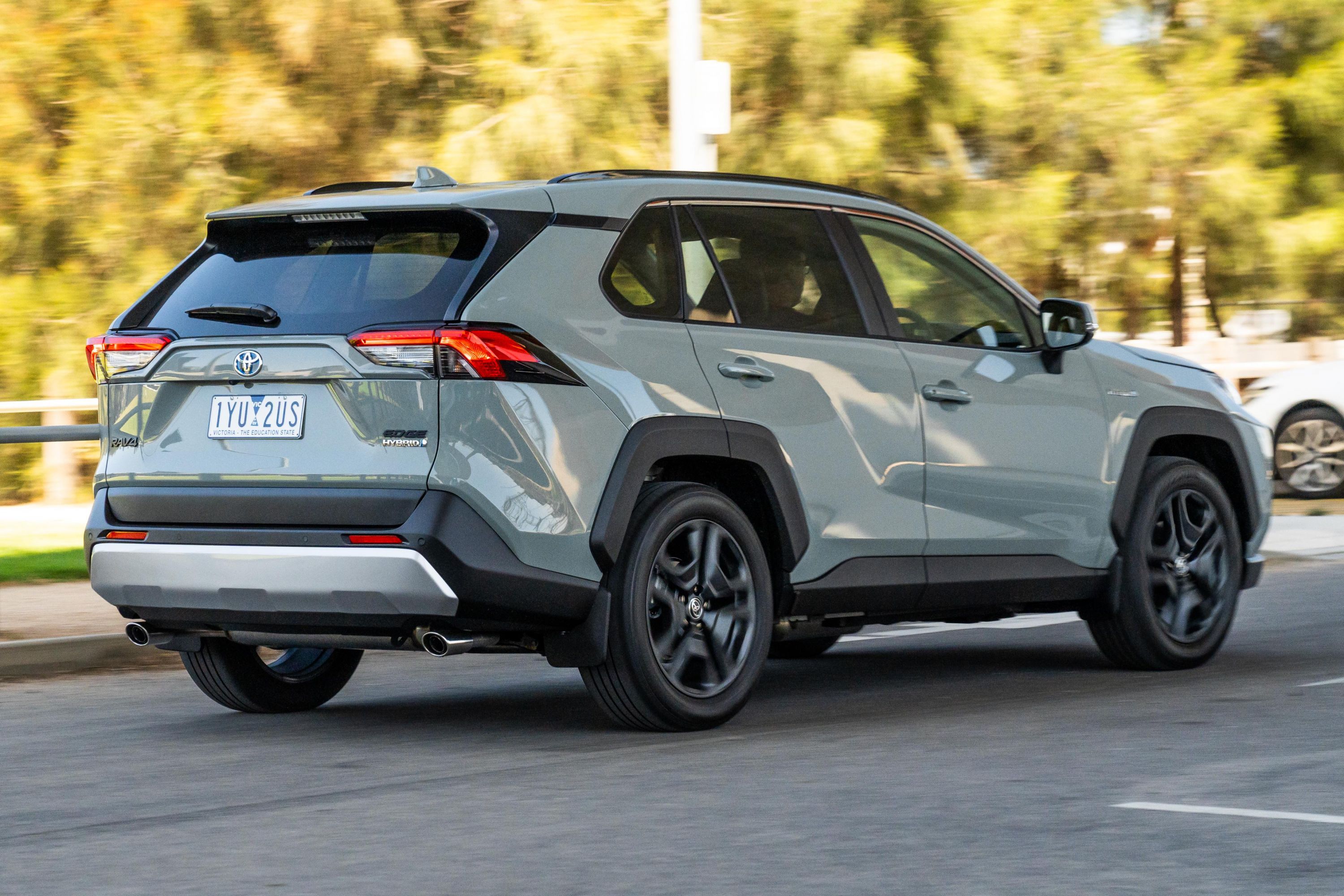
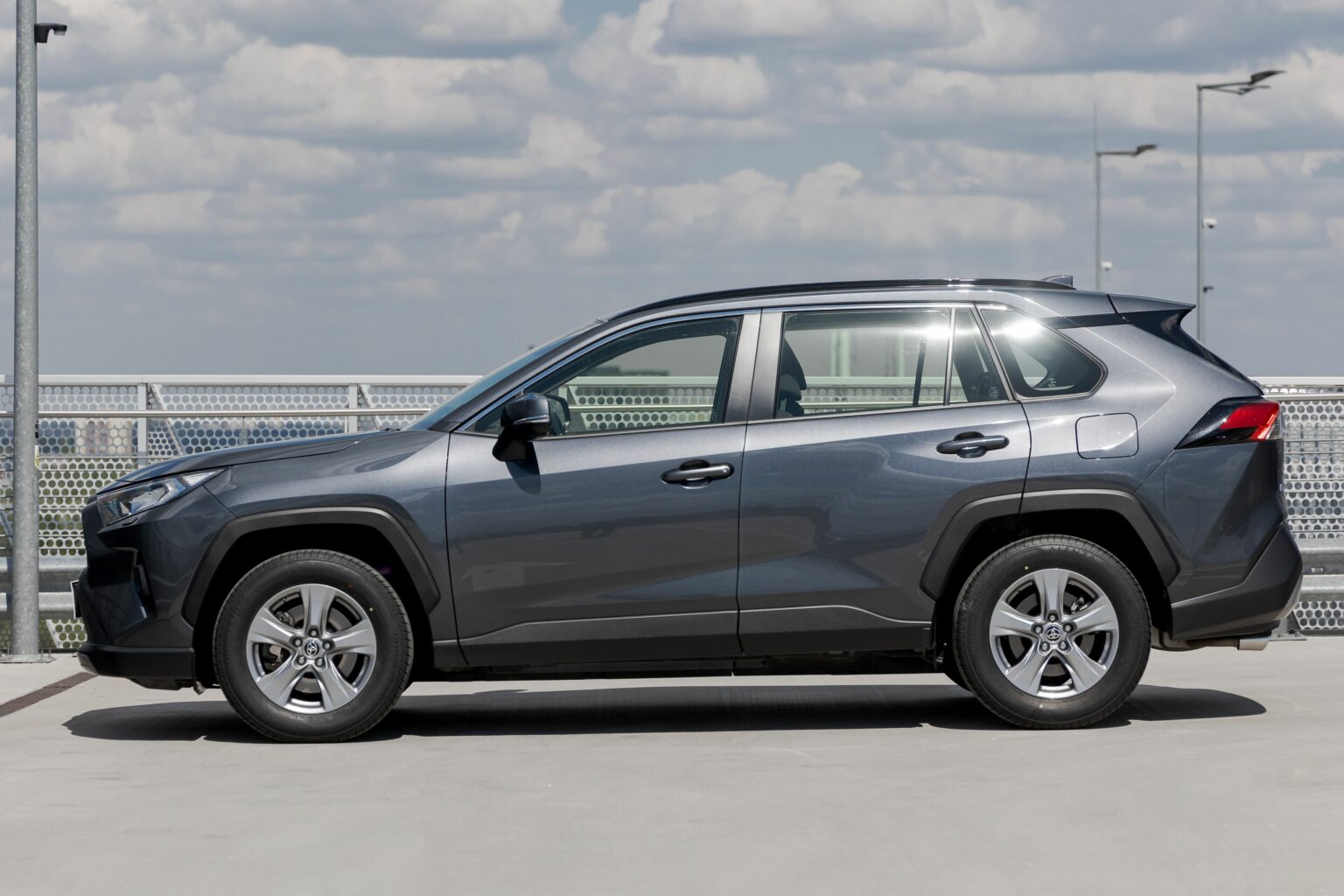
The 2012 Toyota RAV4 AWD represents the final year of the third-generation (XA30) model, distinguished by its optional 269-horsepower V6 engine and functional side-swinging rear door. As a compact SUV, it offers a sophisticated "Active Torque Control" all-wheel-drive system that balances fuel efficiency with light off-road and inclement weather capability.
In the landscape of 2026, the 2012 Toyota RAV4 remains a highly sought-after vehicle on the secondary market. It occupies a unique historical "sweet spot" for Toyota enthusiasts, being the last RAV4 to feature the external rear-mounted spare tire and the potent 3.5-liter V6 engine—features that were discontinued when the fourth generation debuted in 2013. For buyers seeking a vehicle that bridges the gap between modern safety features and rugged, mechanical simplicity, the 2012 AWD model is often a top contender.
Understanding the Active Torque Control AWD System
The "AWD" designation on the 2012 RAV4 refers specifically to Toyota's Active Torque Control system. Unlike permanent four-wheel-drive systems found on dedicated off-roaders like the 4Runner, this system is front-wheel-drive biased to maximize fuel economy during normal cruising.
The system utilizes an electromagnetic coupling located in front of the rear differential. On-board sensors monitor wheel speed, throttle position, and steering angle. When the system detects front-wheel slippage or aggressive acceleration, it electronically engages the coupling to send power to the rear wheels.
One of the standout features of the 2012 AWD model is the 4WD Lock button located on the dashboard. This allows the driver to manually "lock" the torque distribution between the front and rear axles at low speeds (typically up to 25 mph). This is particularly useful for extracting the vehicle from deep snow or mud. Once the vehicle exceeds the speed threshold, the system reverts to Auto mode to prevent driveline binding and protect the transmission.
Powertrain Options: 2.5L Four-Cylinder vs. 3.5L V6
The 2012 RAV4 AWD was available with two distinct engines, each providing a vastly different driving experience. Understanding these options is critical for any "2012 rav 4 awd overview" as they dictate the vehicle's towing capacity and long-term maintenance needs.
The 2.5-Liter Four-Cylinder (2AR-FE)
The standard engine for the 2012 model is the 2.5-liter four-cylinder, producing 179 horsepower and 172 lb-ft of torque. It is paired with a 4-speed automatic transmission. While 4-speed transmissions were becoming dated even in 2012, this unit is praised for its extreme durability. In 2026, many of these engines are still on the road with well over 200,000 miles.
The 3.5-Liter V6 (2GR-FE)
The optional V6 engine transformed the RAV4 into one of the fastest compact SUVs of its era. Producing 269 horsepower and 246 lb-ft of torque, it utilized a 5-speed automatic transmission. This engine allows the RAV4 to accelerate from 0 to 60 mph in approximately 6.3 seconds—performance that rivaled many sports sedans at the time. Furthermore, the V6 AWD model boasts a towing capacity of up to 3,500 pounds when equipped with the optional Tow Prep Package, making it a viable choice for pulling small trailers or boats.
Trim Levels and Standard Features
Toyota offered the 2012 RAV4 in three primary trims: Base, Sport, and Limited. Each could be configured with the AWD system and either engine.
- Base: Despite the name, the base trim included essential features like cruise control, air conditioning, a tilt-and-telescoping steering wheel, and full power accessories. It featured 16-inch steel wheels, though many were upgraded to 17-inch alloys.
- Sport: This trim focused on a firmer driving feel and aesthetic upgrades. It included 18-inch alloy wheels, a sport-tuned suspension, and smoked headlamp bezels. Notably, the Sport trim offered an optional Sport Appearance Package (SAP), which removed the rear-mounted spare tire in favor of run-flat tires and a traditional upward-swinging liftgate (a rarity for this generation).
- Limited: The top-tier trim added dual-zone automatic climate control, a leather-wrapped steering wheel, keyless ignition/entry (Smart Key), and a power driver’s seat. The Limited often featured the optional leather upholstery and heated front seats.
2012 RAV4 AWD Technical Specifications
| Feature | 2.5L 4-Cylinder AWD | 3.5L V6 AWD |
|---|---|---|
| Horsepower | 179 hp @ 6,000 rpm | 269 hp @ 6,200 rpm |
| Torque | 172 lb-ft @ 4,100 rpm | 246 lb-ft @ 4,700 rpm |
| Transmission | 4-speed Automatic | 5-speed Automatic |
| EPA Fuel Economy (City/Hwy) | 21 / 27 MPG | 19 / 26 MPG |
| Towing Capacity | 1,500 lbs | 2,000 lbs (3,500 lbs with Tow Package) |
| Ground Clearance | 7.5 inches | 7.5 inches |
| Cargo Volume (Seats Up/Down) | 36.4 / 73.0 cu.ft. | 36.4 / 73.0 cu.ft. |
| Drive System | Active Torque Control AWD | Active Torque Control AWD |
Cargo Capacity and Interior Versatility
The 2012 RAV4 is legendary for its interior packaging. Despite its compact exterior dimensions, it offers more cargo space than many modern mid-size SUVs. The low load floor is a direct result of the spare tire being mounted on the exterior of the rear door, which frees up significant internal volume.
A unique feature of this generation was the optional third-row seat. While extremely cramped and suitable only for small children, it provided a "7-passenger" capability that was virtually unheard of in the compact SUV segment at the time. When the third row is not in use, it folds flat into the floor.
The second-row seats are equally versatile. They can slide forward or backward to prioritize either passenger legroom or cargo space, and they feature a reclining function. The "One-Touch" fold-flat lever in the cargo area makes expanding the storage space to its maximum 73 cubic feet effortless.
Safety and Reliability Assessment
Safety was a significant focus for the 2012 model year. Standard safety equipment included:
- Antilock Disc Brakes (ABS)
- Stability Control (VSC)
- Traction Control (TRAC)
- Front-seat side airbags and full-length side curtain airbags
- Active front headrests
In crash testing by the Insurance Institute for Highway Safety (IIHS), the 2012 RAV4 earned the highest rating of "Good" in frontal-offset and side-impact tests. However, it received a "Marginal" rating in the roof strength test, which is a common trait among many vehicles designed during this era.
Common Issues to Inspect in 2026
Given that these vehicles are now roughly 14 years old, certain mechanical wear items require attention:
- V6 Water Pump: The 3.5L engine is known for water pump failures around the 100k–150k mile mark. Replacement is labor-intensive due to the tight engine bay.
- Steering Intermediate Shaft: A common "clunk" or "pop" felt in the steering wheel when turning at low speeds usually indicates a worn intermediate shaft.
- EVAP Canister: Older Toyotas may trigger a "Check Engine" light due to a saturated charcoal canister in the emissions system.
- Rear Differential Coupler: On AWD models, a whining or growling noise from the rear may indicate the electromagnetic coupling is failing. This is often caused by moisture intrusion or lack of fluid changes.
Driving Performance and Fuel Efficiency
The driving dynamics of the 2012 RAV4 AWD vary based on the trim. The Base and Limited models prioritize ride comfort, with soft suspension tuning that soaks up road imperfections effectively. The Sport trim provides a noticeably stiffer ride; while it reduces body roll in corners, it can feel "busy" on poorly maintained urban roads.
The AWD system provides excellent stability in wet or snowy conditions. However, users should note that the AWD system is designed for road-based traction rather than rock crawling. The 7.5 inches of ground clearance is sufficient for unpaved forest roads but is not intended for technical trails.
Fuel economy remains competitive even by 2026 standards. The 4-cylinder AWD model achieves an EPA-estimated 24 MPG combined, while the V6 AWD model follows closely at 22 MPG combined. The small gap between the two makes the V6 a popular choice, as the performance gains are substantial with only a minor penalty in fuel consumption.
Maintenance and Long-Term Ownership
Maintaining a 2012 RAV4 AWD in 2026 is relatively affordable compared to newer European or turbocharged alternatives. Toyota’s widespread parts availability ensures that both OEM and high-quality aftermarket components are easily accessible.
Recommended Maintenance Schedule for High-Mileage Units:
- Engine Oil: Every 5,000 miles (Synthetic 0W-20 for the 2.5L or 5W-30 for the 3.5L).
- Transmission Fluid: Every 60,000 miles (Toyota ATF WS).
- Rear Differential & Transfer Case Fluid: Every 30,000 to 60,000 miles to preserve the AWD components.
- Spark Plugs: Every 100,000 to 120,000 miles (Iridium tipped).
- Coolant Flush: Every 100,000 miles (Toyota Super Long Life Coolant).
Frequently Asked Questions
Is the 2012 RAV4 AWD good in snow?
Yes, the 2012 RAV4 AWD is highly capable in snow. Its Active Torque Control system reacts quickly to slippage, and the "4WD Lock" feature is excellent for getting moving from a standstill in deep snow. However, for maximum performance, it should be equipped with dedicated winter tires, as the AWD system only helps with acceleration and stability, not braking.
Does the 2012 RAV4 AWD have a timing belt or chain?
Both the 2.5L 4-cylinder (2AR-FE) and the 3.5L V6 (2GR-FE) engines use a timing chain. Unlike vehicles with timing belts, these chains are designed to last the life of the engine and do not require periodic replacement, provided the oil is changed regularly.
Can the 2012 RAV4 AWD tow a trailer?
The 4-cylinder model is rated to tow up to 1,500 pounds. The V6 model is rated for 2,000 pounds standard, but with the Tow Prep Package (which includes an upgraded radiator, fan, and alternator), it can tow up to 3,500 pounds. Always verify the vehicle's specific equipment before attempting to tow near the limit.
What is the "Sport Appearance Package"?
The Sport Appearance Package (SAP) was an option for the Sport trim. It replaced the rear-mounted spare tire with a "clean" rear door and run-flat tires. While it looks more modern, many owners in 2026 prefer the standard version because run-flat tires are more expensive to replace and provide a harsher ride.
Why is the 2012 model year so popular?
The 2012 model is the "best of the breed" for the third generation. It corrected many of the oil consumption issues found in earlier 2006-2008 models and was the last year before Toyota moved to a more car-like design with a traditional liftgate and no V6 option. It is widely considered one of the most reliable and versatile small SUVs ever built.
Final Recommendations for Buyers
When evaluating a "2012 rav 4 awd overview," the evidence points to a vehicle that offers exceptional longevity and utility. For most buyers in 2026, the V6 Limited AWD is the "gold standard" of this generation, providing luxury features, immense power, and robust towing capability. However, the 2.5L Base AWD remains the more economical choice for those prioritizing lower maintenance costs and daily fuel savings.
Before purchasing, ensure you perform a Pre-Purchase Inspection (PPI) focusing on the rear differential coupling and checking the V6 engine for any signs of water pump seepage. If the maintenance history shows regular fluid changes for the AWD system and transmission, a 2012 RAV4 is likely to provide many more years of reliable service.