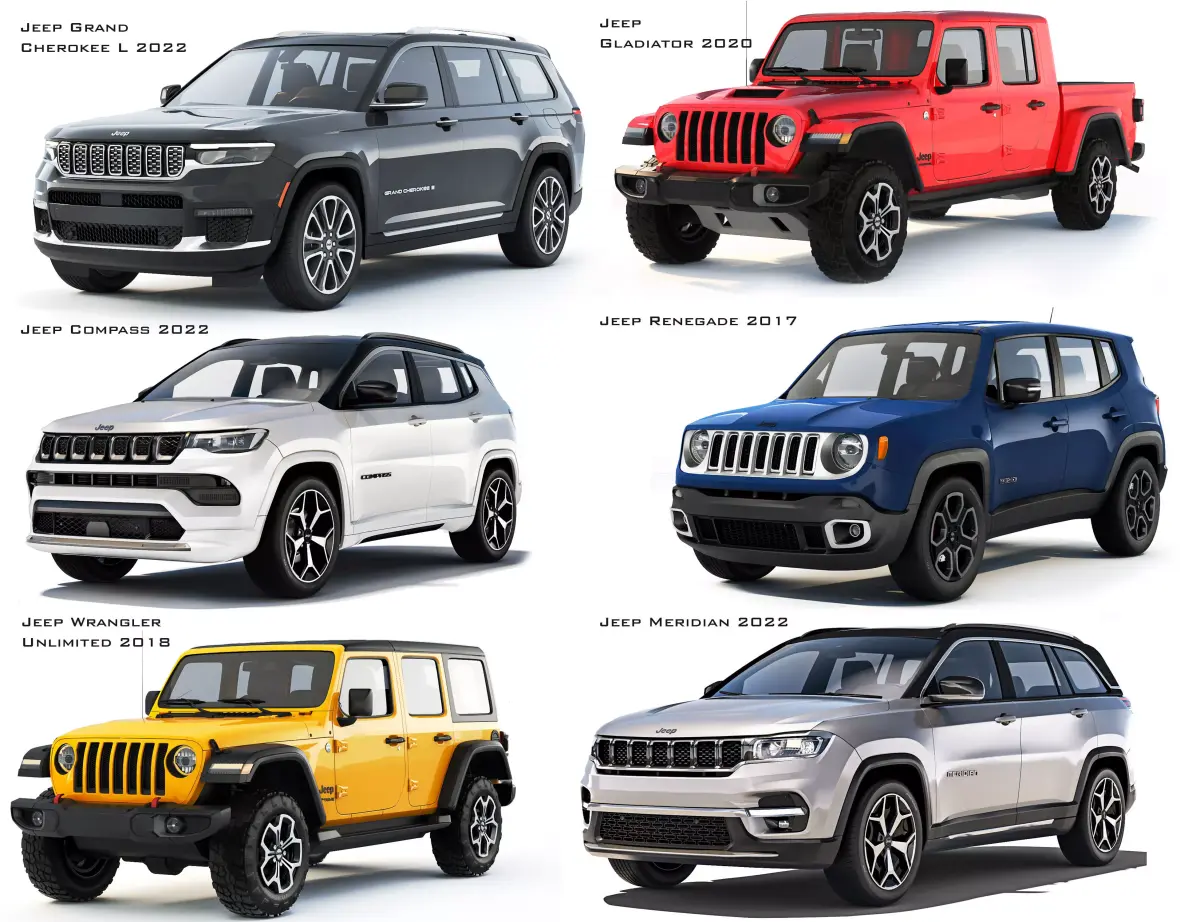
The 2010 Jeep SUV lineup represents a significant transitional period for the brand, balancing traditional off-road prowess with emerging demands for refined interior quality and fuel efficiency. The 2010 model year featured the Wrangler, Grand Cherokee, Liberty, Commander, and Patriot, each serving distinct market segments from rugged trail exploration to suburban family utility.
Understanding the 2010 Jeep Portfolio
The 2010 model year is a focal point for Jeep enthusiasts and prospective buyers because it captures the brand just before the major product overhaul that occurred under the Fiat-Chrysler merger. Understanding these vehicles requires looking at their mechanical architecture, which relied heavily on traditional SUV platforms—body-on-frame or unibody designs with a heavy focus on torque and four-wheel-drive (4WD) versatility.
For a buyer in 2026, the 2010 lineup is categorized by two distinct philosophies: the dedicated trail-rated machines built for articulation and clearance, and the crossover-adjacent SUVs designed for daily commuting with light off-road capability.
2010 Jeep Wrangler: The Icon of Off-Roading
The 2010 Wrangler and Wrangler Unlimited remained the standard-bearers for the brand. Built on the JK platform, the 2010 model featured the 3.8-liter OHV V6 engine producing 202 horsepower. While criticized in contemporary reviews for its highway manners, its off-road character is defined by the solid front and rear axles (Dana 30 front, Dana 44 rear).
- Key Characteristics:
- Removable Components: The Wrangler remains the only SUV in the 2010 lineup with a fully removable top and doors, a hallmark of the brand's identity.
- Trim Levels: X, Sahara, and Rubicon. The Rubicon trim was the pinnacle of 2010 factory-off-road performance, featuring front and rear locking differentials and an electronic sway-bar disconnect.
- Transmission: A standard 6-speed manual or an optional 4-speed automatic, which reflects the technical limitations of the era.
2010 Jeep Grand Cherokee: The Luxury Bridge
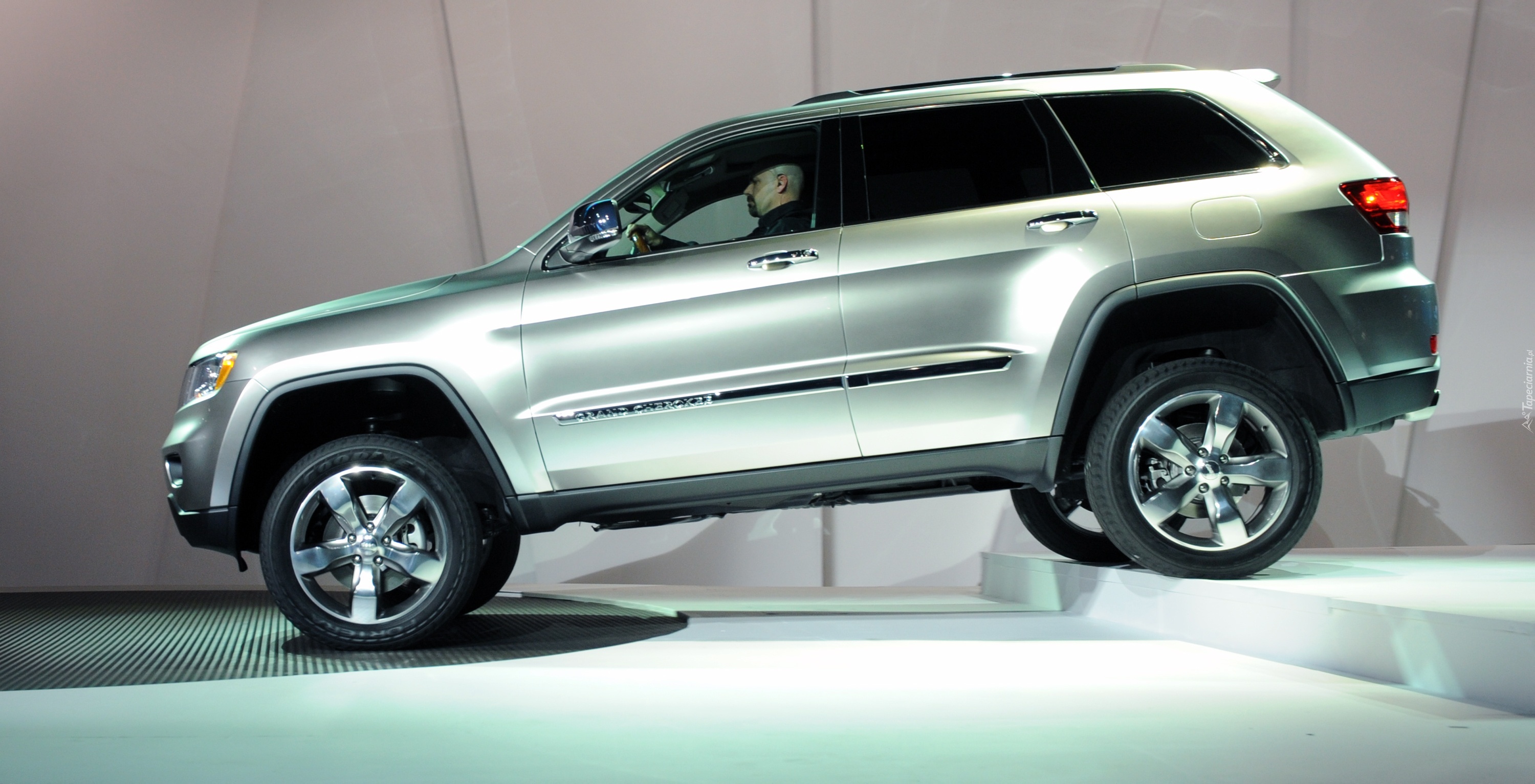
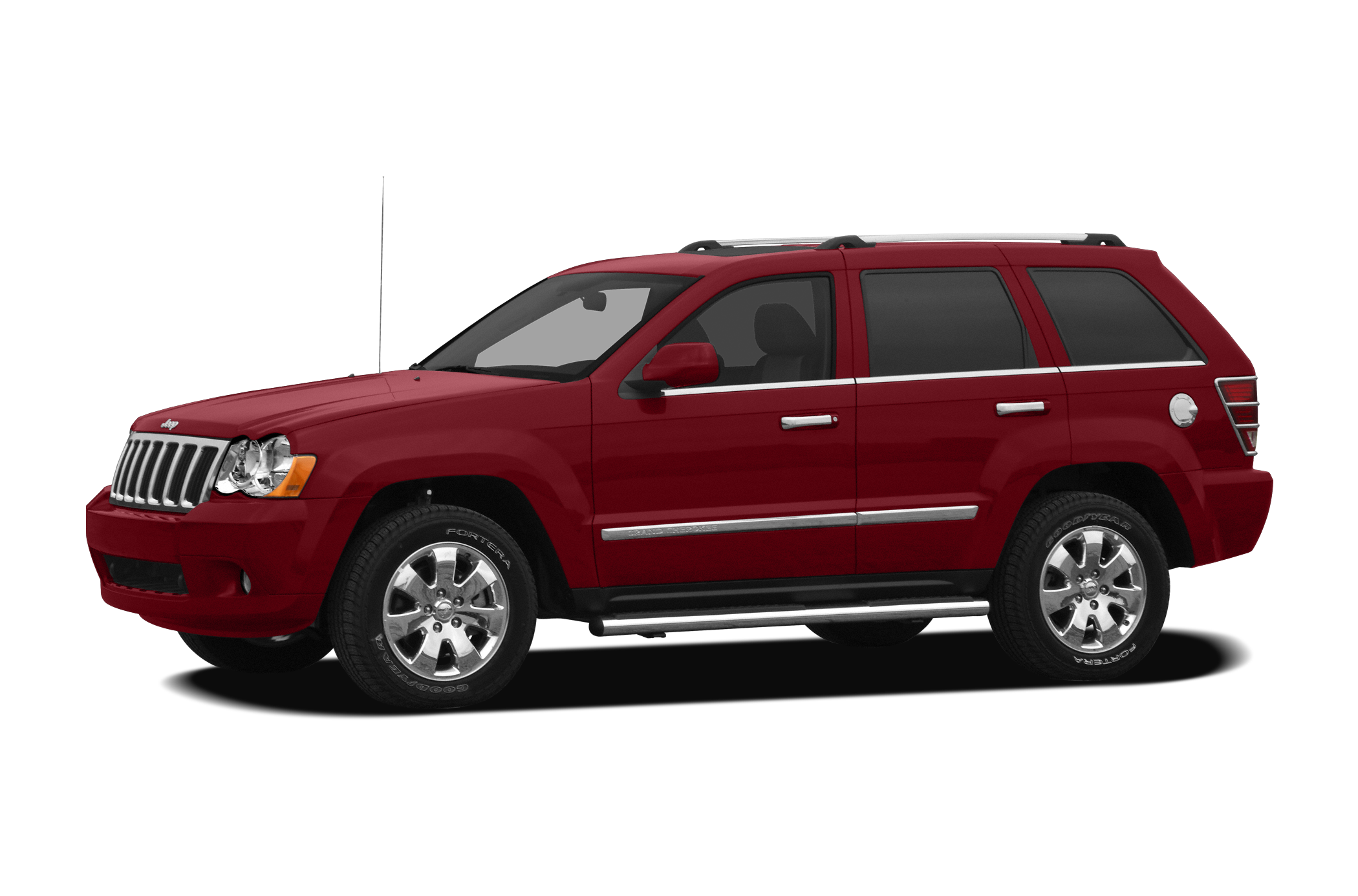
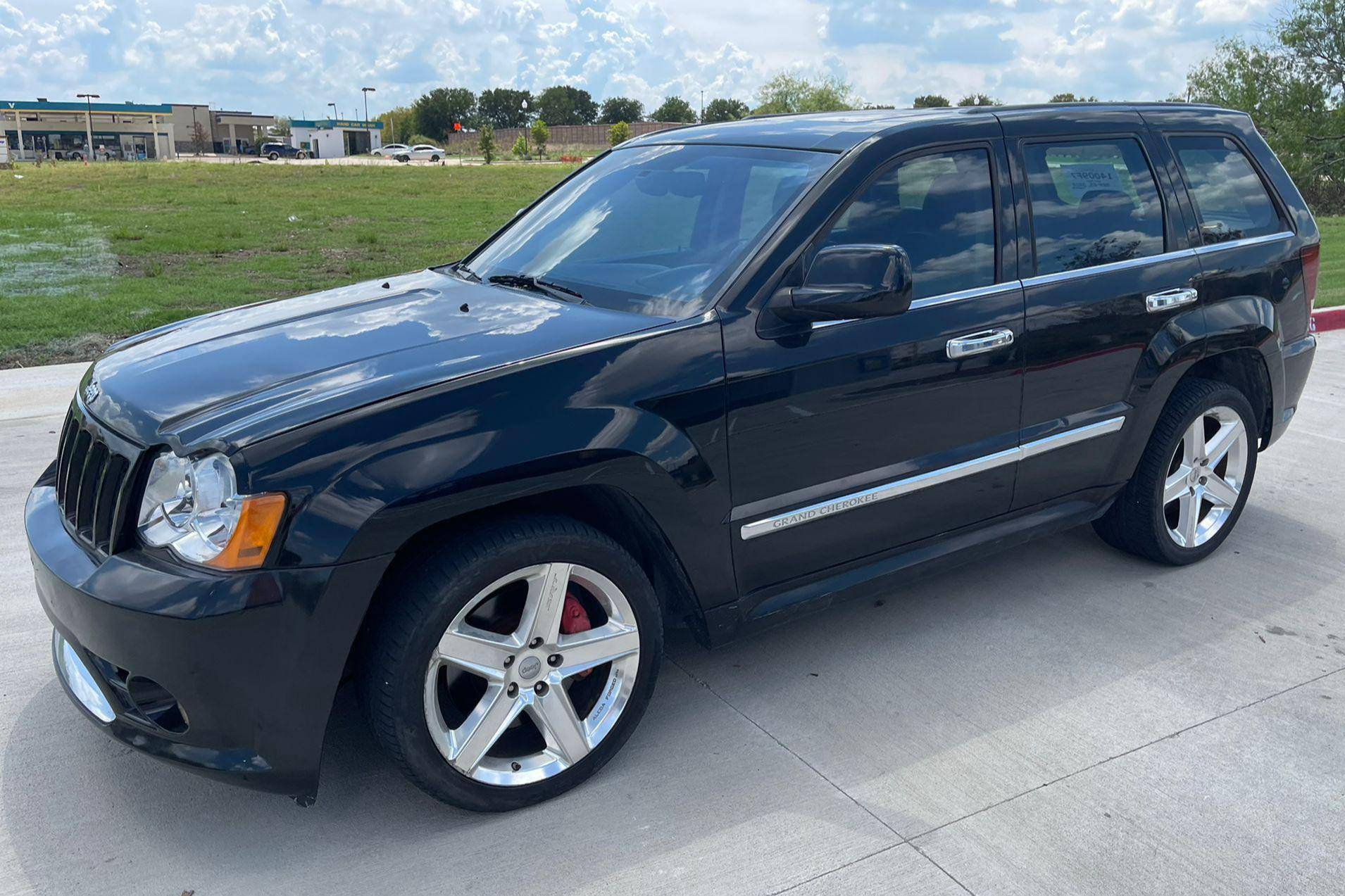
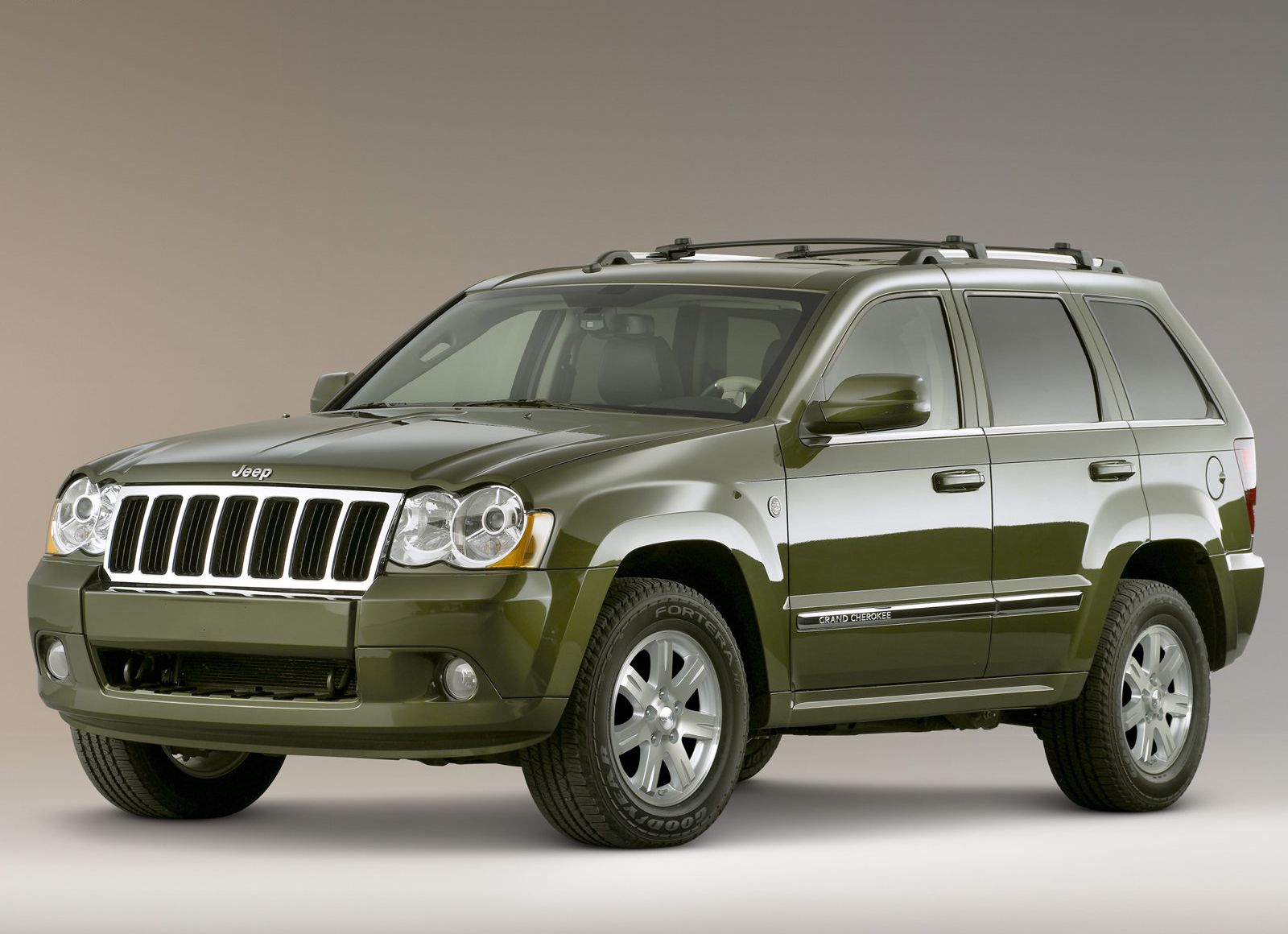
2010 marked the final year of the WK platform for the Grand Cherokee. It offered a sophisticated balance of on-road comfort and off-road capability, featuring independent front suspension and a multi-link rear suspension. This generation is often sought after for its available 5.7-liter HEMI V8 engine, which provided significant towing capacity, a rarity in the mid-size SUV segment of that time.
- Technical Highlights:
- Drivetrain Options: Quadra-Trac I, Quadra-Trac II, and Quadra-Drive II systems allowed for varying levels of torque management.
- Interior Refinement: By 2010, the Grand Cherokee featured higher-quality materials compared to the Patriot or Liberty, signaling Jeep's intent to compete with luxury-leaning SUVs.
2010 Jeep Liberty and Commander: Mid-Size Utility
The 2010 Jeep Liberty (KK platform) and the Jeep Commander (XK platform) occupied the space between the rugged Wrangler and the refined Grand Cherokee.
The 2010 Jeep Liberty utilized a unibody construction but maintained a more "boxy" aesthetic, which appealed to traditionalists. Its standout feature was the Sky Slider full-length open-air roof, an uncommon factory option in 2010.
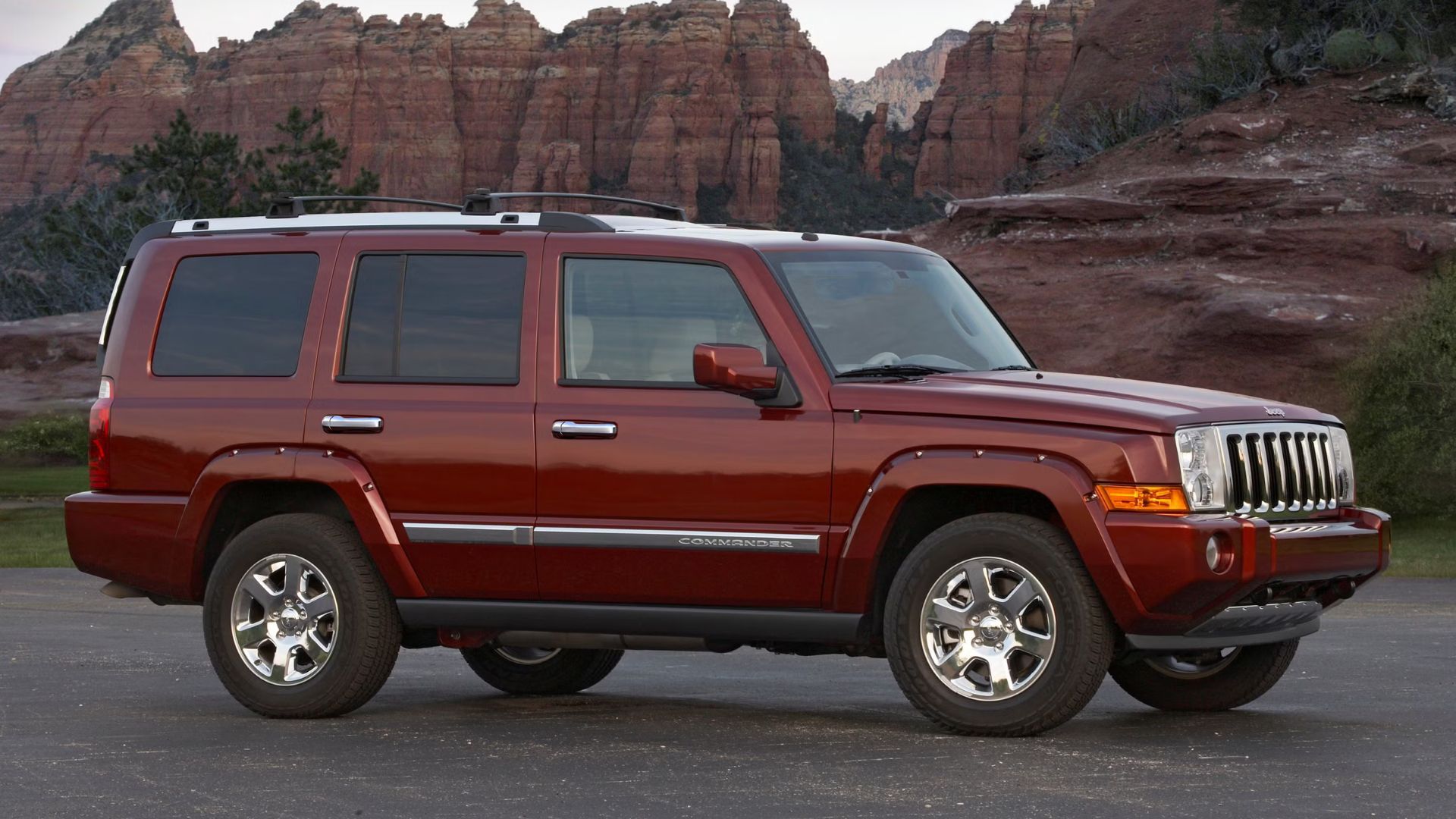
The 2010 Jeep Commander was the largest SUV in the lineup, offering three rows of seating. It utilized the same platform as the Grand Cherokee but featured a squared-off, militaristic design reminiscent of the classic Jeep Wagoneer. Due to its size and weight, it featured either the 3.7-liter V6 or the 5.7-liter HEMI V8.
2010 Jeep Patriot: The Entry-Level Crossover
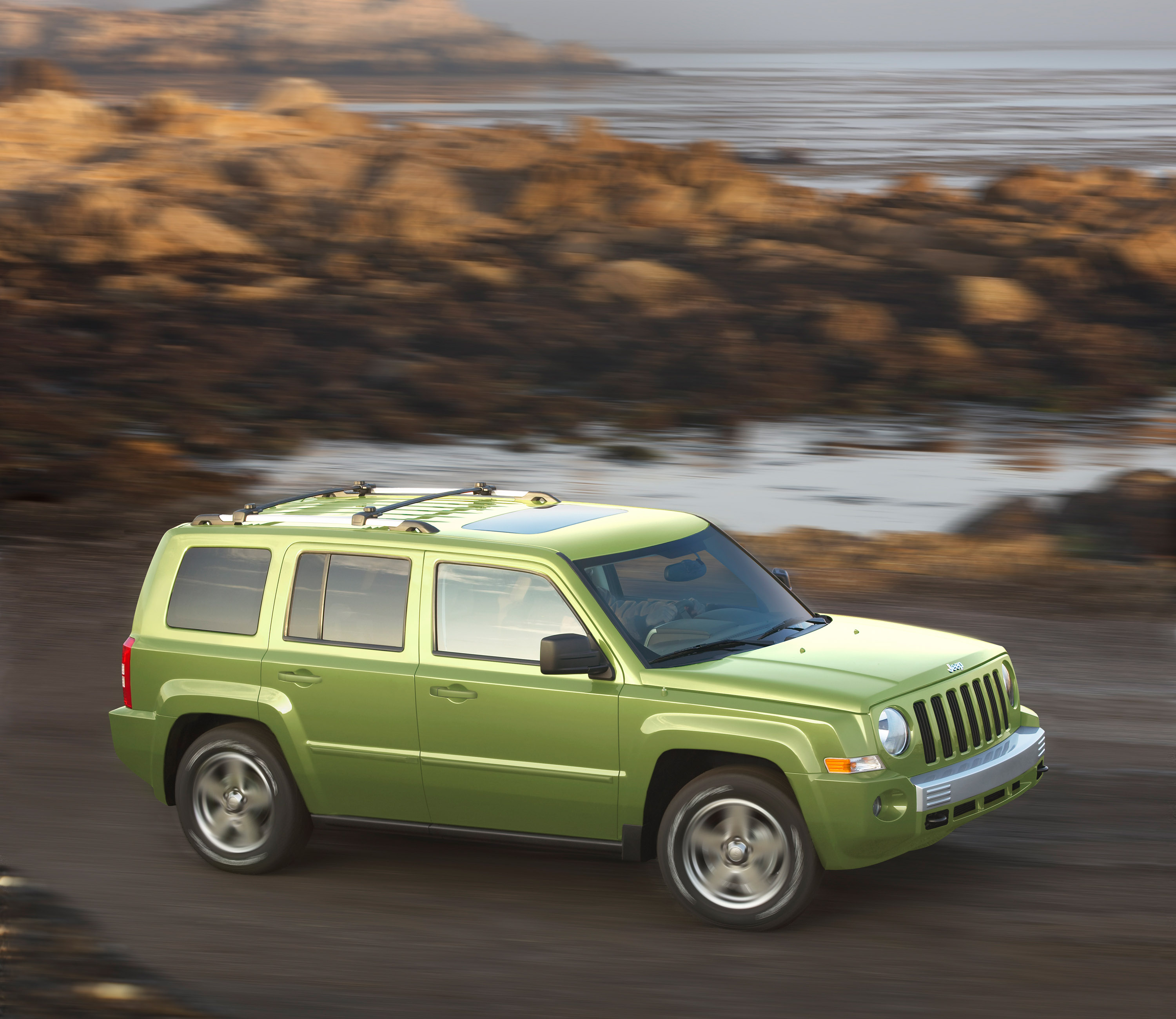
The 2010 Patriot was designed for the budget-conscious buyer, utilizing the MK platform shared with other compact vehicles. Unlike the Wrangler or Grand Cherokee, the Patriot prioritized fuel economy and urban maneuverability. It featured an available Freedom Drive II Off-Road package, which gave the vehicle a "Trail Rated" badge, including a Continuously Variable Transmission (CVT) with a low-range ratio—a unique technical configuration for a compact crossover.
Technical Comparison of 2010 Jeep Models
| Model | Primary Chassis | Standard Engine | 4WD Capability |
|---|---|---|---|
| Wrangler | Body-on-Frame | 3.8L V6 | Command-Trac / Rock-Trac |
| Grand Cherokee | Unibody | 3.7L V6 | Quadra-Drive II |
| Liberty | Unibody | 3.7L V6 | Selec-Trac II |
| Commander | Unibody | 3.7L V6 | Quadra-Drive II |
| Patriot | Unibody | 2.0L / 2.4L I4 | Freedom Drive I or II |
Operational Limitations and Maintenance Considerations
When assessing 2010 models in 2026, potential owners must account for the aging of electronic components and powertrain systems.
- Drivetrain Wear: High-mileage 2010 models, particularly those that have spent years in harsh climates, often require a thorough inspection of the transfer case and differential seals.
- Electronic Issues: The 2010 electronic architecture, particularly regarding the TIPM (Totally Integrated Power Module) on the Grand Cherokee and Liberty, is a known area of concern. A failing TIPM can lead to intermittent electrical issues, fuel pump relay failures, or unintended power loss.
- Rust Assessment: Because Jeep models are frequently used in off-road or winter conditions, checking the frame rails—especially on the Wrangler—for structural oxidation is critical. Surface rust is common, but structural compromise in the frame can render the vehicle unsafe for towing or recovery operations.
Performance and Reliability Factors
The reliability of 2010 Jeep SUVs varies significantly based on engine choice. The 3.7-liter "PowerTech" V6 engine, while durable, is often criticized for being underpowered and relatively thirsty for fuel, particularly in the heavy Commander chassis. Conversely, the 5.7-liter HEMI engine is robust but requires meticulous maintenance regarding the Multi-Displacement System (MDS), which deactivates cylinders to save fuel. Failure to maintain clean oil levels can lead to premature lifter wear in these engines.
For the Patriot and its sibling, the Compass (not covered in detail here due to focus on the SUV segment), the CVT transmission is the primary focal point of maintenance. It is not designed for heavy towing or sustained high-torque off-roading, and its longevity is highly dependent on fluid change intervals.
Frequently Asked Questions
Are 2010 Jeep models compatible with modern diagnostic tools? Yes. All 2010 Jeep models utilize the standard OBD-II (On-Board Diagnostics) protocol. Most modern Bluetooth scanners will work, though deep-system diagnostics—such as recalibrating steering angle sensors or ABS modules—may require a professional-grade scan tool capable of communicating with Chrysler-specific CAN-bus systems.
Which 2010 Jeep is best for towing? The 2010 Jeep Commander and Grand Cherokee, when equipped with the 5.7-liter HEMI V8 engine and the proper tow package, are the most capable. They offer towing capacities reaching 7,400 pounds for the Commander, whereas the Wrangler and Patriot have significantly lower limits (typically 2,000–3,500 pounds).
Is the "Trail Rated" badge consistent across all 2010 models? The "Trail Rated" badge is a marketing certification that guarantees specific performance benchmarks in five categories: traction, ground clearance, maneuverability, articulation, and water fording. However, a "Trail Rated" Patriot offers vastly different performance limits than a "Trail Rated" Wrangler Rubicon. The badge indicates the vehicle meets the minimum requirement for its specific class, not that all models perform identically.
What is the most common mechanical failure on the 2010 Wrangler? The most reported issue involves the 3.8-liter V6 engine's tendency to consume oil, often requiring the owner to check oil levels frequently between changes. Additionally, ball joints and track bar bushings are common wear items that require replacement every 60,000 to 80,000 miles due to the stress of off-road driving and larger-than-stock tire sizes.
Final Recommendation for Prospective Owners
If you are considering a 2010 Jeep SUV in 2026, prioritize vehicles with verified service histories. The "best" model depends entirely on your intent: choose the Wrangler if you prioritize off-road customization and mechanical simplicity; choose the Grand Cherokee if you prioritize a blend of power and moderate comfort; and choose the Patriot only if you are looking for an affordable, light-duty daily driver with occasional poor-weather capability. Avoid models with significant body modifications unless the suspension geometry has been professionally corrected, as improper modifications in this generation often lead to premature drivetrain failure.