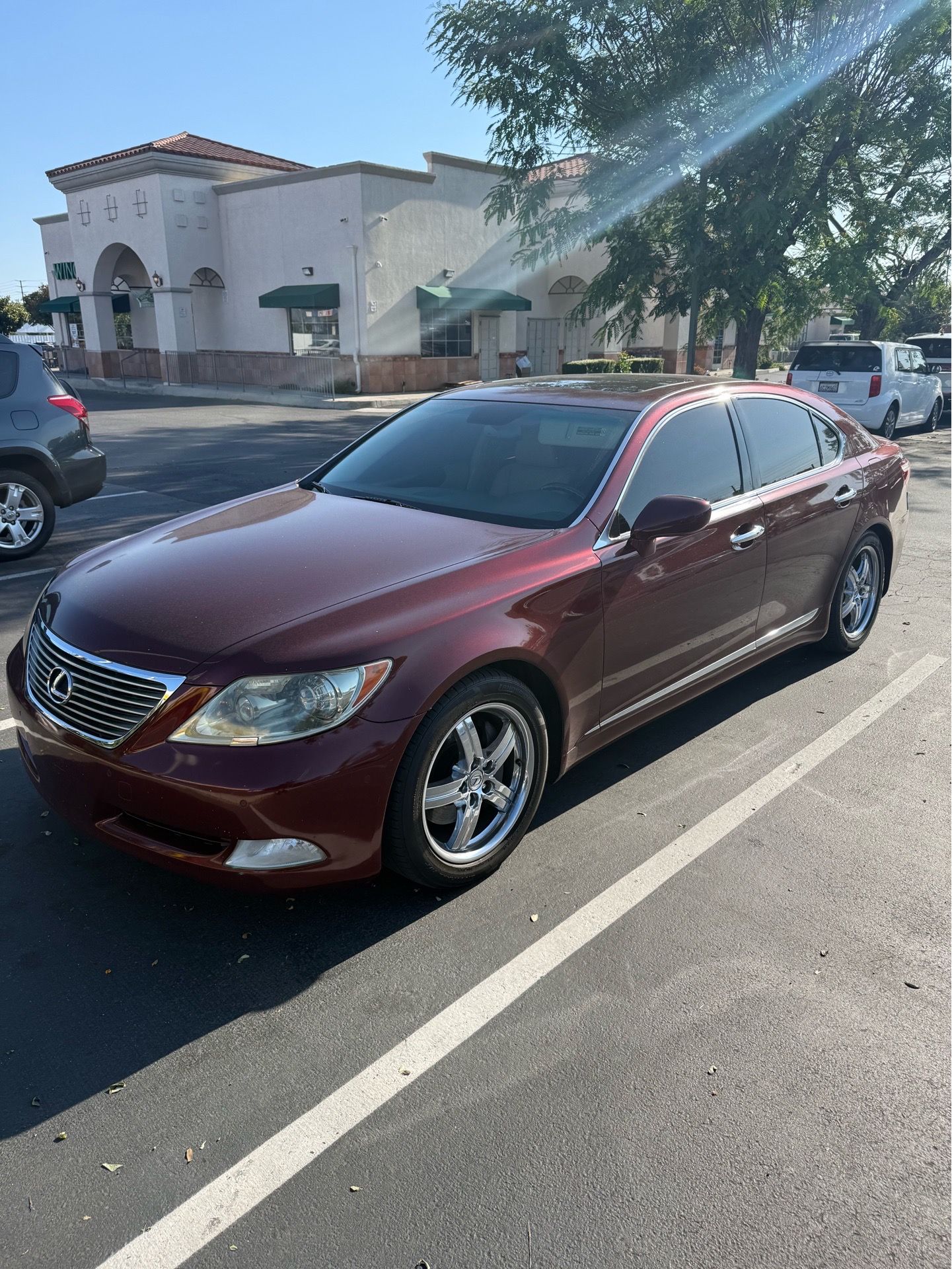
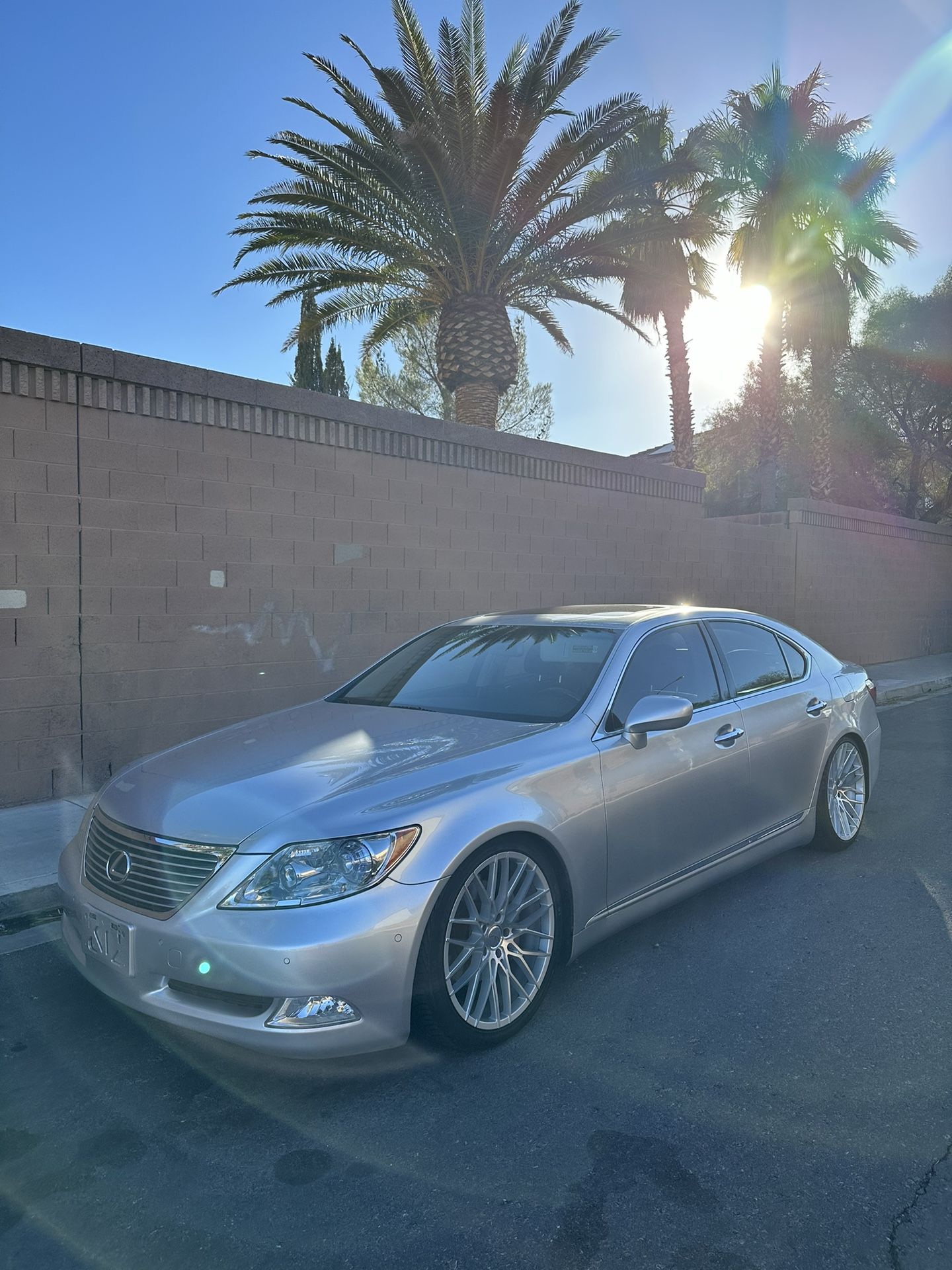
The 2009 Lexus LS 460 accelerates from 0 to 60 mph in approximately 5.4 to 5.7 seconds and completes the quarter mile in roughly 13.9 to 14.1 seconds at around 101 to 103 mph. Despite being designed primarily as a luxury flag-cruiser focusing on comfort and quietness, its robust 4.6-liter V8 engine and eight-speed automatic transmission deliver surprisingly brisk straight-line performance for a large, heavy executive sedan.
Introduction to the 2009 Lexus LS 460 Flagship Sedan
When Lexus introduced the fourth-generation LS lineup, the objective was clear: challenge established European luxury powerhouses like the Mercedes-Benz S-Class, BMW 7 Series, and Audi A8 by offering peerless build quality, serene cabin isolation, and advanced technology. At the heart of this flagship was a newly developed 4.6-liter V8 engine paired with the world's first production eight-speed automatic transmission.
While buyers in this segment typically prioritize ride comfort, interior craftsmanship, and prestige over track numbers, understanding the straight-line acceleration metrics of the 2009 Lexus LS 460 provides valuable insight into the engineering capability hidden beneath its understated exterior. This analysis examines the precise 0 to 60 mph times, quarter-mile performance figures, mechanical specifications, and driving dynamics that define the standard wheelbase rear-wheel-drive model of this luxury icon.
Powertrain Specifications and Engineering Foundations
To understand how the 2009 Lexus LS 460 achieves its acceleration figures, one must examine the powertrain architecture. The vehicle features an aluminum 4.6-liter 32-valve V8 engine equipped with Dual VVT-iE (Variable Valve Timing with intelligence by Electric motor on the intake cams) and conventional hydraulic VVT-i on the exhaust cams. This system optimizes combustion efficiency and power delivery across a broad rpm range.
| Engine Specification | Value / Detail |
|---|---|
| Displacement | 4.6 Liters (4,608 cc) |
| Configuration | 90-degree V8, aluminum block and heads |
| Horsepower | 380 hp @ 6,400 rpm |
| Torque | 367 lb-ft @ 4,100 rpm |
| Transmission | AA80E 8-speed automatic with sequential shift |
| Drivetrain | Rear-Wheel Drive (RWD) |
| Curb Weight | Approx. 4,232 to 4,387 lbs (depending on trim) |
The engine produces 380 horsepower at 6,400 rpm and 367 lb-ft of torque at 4,100 rpm. Power is routed through an eight-speed automatic transmission. The addition of extra gear ratios allows the transmission to keep the engine operating in its optimal power band during full-throttle acceleration while maintaining ultra-low engine speeds during highway cruising.
Detailed Breakdown of 0 to 60 MPH Acceleration
Independent automotive testing conducted by major publications like Car and Driver, Motor Trend, and Edmunds during the vehicle's debut year yielded consistent results for the rear-wheel-drive 2009 Lexus LS 460.
- 0 to 30 MPH: Approximately 2.1 seconds. The initial launch benefits from the robust low-end torque of the 4.6-liter V8, though the car's weight requires a brief moment for the chassis to settle as torque converter lockup engages.
- 0 to 45 MPH: Approximately 3.8 seconds. Power delivery remains linear and smooth, devoid of sudden surges or turbo lag, characteristic of naturally aspirated large-displacement engines.
- 0 to 60 MPH: Achieved in 5.4 to 5.7 seconds. This places the standard LS 460 on par with or ahead of many contemporary V8-powered luxury competitors of its era, despite weighing over two tons.
Achieving these figures in real-world conditions requires disabling traction control or utilizing the vehicle's electronic stability control modes carefully, though standard street launches with active electronic aids typically yield smooth, wheel-spin-free departures due to the exceptional grip provided by the rear multi-link suspension geometry and wide rear tires.
Quarter Mile Performance and Trap Speeds
Beyond the sprint to highway speeds, the 2009 Lexus LS 460 demonstrates sustained acceleration over the standard drag strip measurement. Independent tests place the quarter-mile performance as follows:
- Elapsed Time (ET): 13.9 to 14.1 seconds.
- Trap Speed (Terminal Velocity): 101 to 103 mph.
This performance profile highlights the efficiency of the eight-speed transmission. As the vehicle passes through the mid-range of second and third gears, the close ratio spacing prevents significant drop-offs in power between shifts. By the time the vehicle crosses the quarter-mile mark, it is comfortably traveling well over one hundred miles per hour while maintaining the hushed interior acoustics typical of a high-end luxury vehicle.
Comparing RWD, AWD, and Long Wheelbase (L) Variants
It is important to differentiate the standard rear-wheel-drive LS 460 from its siblings in the lineup, as drivetrain configurations and wheelbase dimensions impact performance metrics.
- LS 460 (RWD, Standard Wheelbase): The lightest and quickest variant, achieving 0-60 mph in 5.4 to 5.7 seconds.
- LS 460 AWD (All-Wheel Drive): Equipped with a mechanical full-time all-wheel-drive system featuring a Torsen limited-slip center differential. While traction off the line is improved in slick weather conditions, the additional mechanical weight (roughly 200 pounds heavier) slightly dampens acceleration, pushing 0-60 mph times to around 5.9 to 6.1 seconds.
- LS 460 L (Long Wheelbase): Adds approximately 4.8 inches of legroom to the rear cabin, increasing curb weight by about 100 to 150 pounds. This results in a minor penalty to acceleration, generally extending 0-60 mph times by roughly 0.1 to 0.2 seconds compared to the standard wheelbase model.
- LS 600h L (Hybrid): Despite featuring a larger 5.0-liter V8 paired with electric motor assist generating a combined 438 horsepower, the massive weight of the hybrid battery pack and all-wheel-drive hardware (exceeding 5,000 pounds) results in a 0-60 mph time of roughly 5.5 to 5.8 seconds, closely matching the standard LS 460.
Factors Influencing Real-World Performance
Drivers attempting to verify or replicate these performance figures in a pre-owned 2009 Lexus LS 460 must account for several variable real-world conditions that can affect timing results:
- Vehicle Maintenance and Condition: Carbon buildup on intake valves, worn spark plugs, degraded oxygen sensors, or dirty air filters can diminish engine output. A healthy, well-maintained fuel system and clean throttle body are essential to reaching factory performance specifications.
- Tire Quality and Compound: The LS 460 relies heavily on its tires to transfer 367 lb-ft of torque to the pavement. Worn tread or touring tires with hard rubber compounds will struggle with traction compared to fresh, high-performance all-season or summer touring tires.
- Fuel Octane: The 4.6-liter V8 engine is tuned to run on premium unleaded gasoline (91 octane or higher). Using lower-octane fuel will trigger the knock sensors, causing the engine control unit (ECU) to retard ignition timing, resulting in a noticeable reduction in throttle response and power output.
- Density Altitude and Temperature: High ambient temperatures, high humidity, and high elevation reduce oxygen density, which naturally aspirating engines rely upon for combustion. Testing conducted at sea level in cool weather yields significantly better acceleration times than testing performed at high-altitude tracks in summer.
Driving Dynamics and Power Delivery Characteristics
The driving experience of the 2009 Lexus LS 460 is defined by effortless velocity rather than aggressive sports-sedan theater. When the accelerator pedal is depressed fully, the engine note inside the cabin remains subdued, masked by extensive acoustic dampening, laminated glass, and hydraulic engine mounts designed to filter out mechanical harshness.
The transmission shifts smoothly, avoiding the abrupt neck-snapping gear changes found in high-performance sports cars in favor of seamless power delivery. Body roll is present during hard cornering due to the comfort-oriented suspension tuning, but straight-line stability at high speeds is exceptional. The steering system, while light and lacking in tactile road feedback, tracks straight and true, making sustained high-speed cruising effortless.
Frequently Asked Questions
Is the 2009 Lexus LS 460 considered a fast car?
While not a dedicated sports car or high-performance AMG/M-series rival, the 2009 Lexus LS 460 is deceptively fast in a straight line. With a 0-60 mph time in the mid-5-second range, it outpaces many mainstream sedans and sports cars of its era while carrying passengers in limousine-like comfort.
Does the 2009 Lexus LS 460 require premium gas?
Yes, the 4.6-liter V8 engine requires premium unleaded gasoline (91 AKI / 95 RON or higher) to achieve its rated 380 horsepower and optimal fuel economy. Using regular fuel is technically permitted by the knock-sensor safeguards, but it reduces engine performance and efficiency.
What is the top speed of the 2009 Lexus LS 460?
The top speed of the 2009 Lexus LS 460 is electronically limited to 130 mph. While the engine and aerodynamic profile possess the capability to reach higher velocities, factory speed limiters protect the original equipment tires and drivetrain components from sustained high-speed stress.
How does the fuel economy of the LS 460 compare to its performance?
The EPA fuel economy rating for the rear-wheel-drive 2009 Lexus LS 460 is typically rated around 16 mpg city, 24 mpg highway, and 19 mpg combined. Real-world fuel economy heavily depends on driving habits; aggressive use of full-throttle acceleration will easily push city figures into the low double digits.
Can the suspension settings alter acceleration performance?
The standard suspension features electronic control, and some models are equipped with air suspension offering adjustable stiffness modes (Comfort, Normal, Sport). While these modes alter body roll, steering weight, and damping firmness, they do not directly change engine output or transmission shift maps in a way that significantly alters straight-line acceleration times.
Practical Next Actions and Purchasing Guidance
For prospective buyers or automotive enthusiasts evaluating a pre-owned 2009 Lexus LS 460, performance metrics should be contextualized alongside mechanical upkeep. Prioritize inspecting service history records for frequent oil changes, verification of timing chain health, and examination of control arm bushings and air suspension struts (if equipped), as these components frequently wear over time. Conduct a thorough test drive to ensure the eight-speed transmission shifts smoothly without hesitation or slipping, confirming that the vehicle delivers the refined power and acceleration engineered by Lexus.