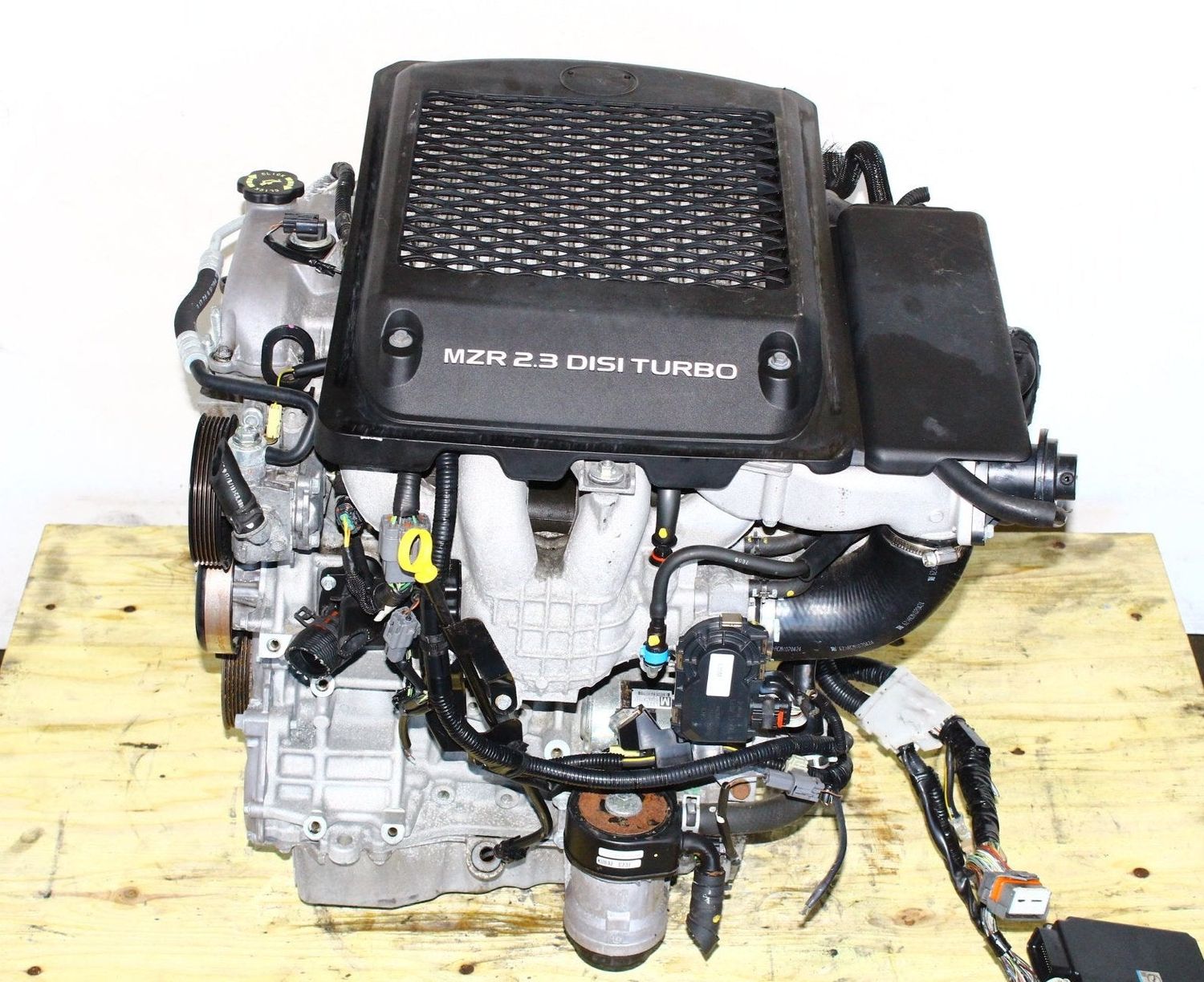
The 2006 Mazda 6 i represents a pivotal mid-cycle model for the first-generation Mazda 6, featuring the reliable 2.3L MZR I4 engine paired with either a 5-speed manual or 4-speed automatic transmission. This combination prioritizes fuel efficiency and balanced handling, making it a distinct alternative to the more powerful V6-equipped models of the same production year.
When evaluating the 2006 Mazda 6 i, it is essential to distinguish between the "i" trim level and the "s" trim level. While the "s" model utilized a 3.0L Duratec V6 engine, the "i" trim focused on the 2.3L four-cylinder powerplant. By 2006, Mazda had refined this vehicle to offer a more compliant ride and updated aesthetic touches, solidifying its reputation as a "driver’s car" within the midsize sedan segment. Understanding the mechanical architecture of this specific trim is critical for owners and prospective buyers looking to maintain its performance or address common maintenance requirements.
The 2.3L MZR Inline-Four Engine Specifications
At the heart of the 2006 Mazda 6 i is the 2.3-liter MZR inline-four engine. This engine was part of a larger family of Mazda powerplants designed to balance fuel economy with enough torque to navigate daily urban and highway driving. Unlike some of its competitors at the time that utilized overhead valve (OHV) designs, the MZR engine features a dual overhead camshaft (DOHC) configuration with four valves per cylinder.
The engine produces approximately 156 horsepower at 6,500 rpm and 154 lb-ft of torque at 4,000 rpm. While these figures may seem modest by 2026 standards, the engine’s power delivery is linear and predictable. The MZR engine uses a timing chain rather than a timing belt, which historically reduces scheduled maintenance costs, provided the engine oil is changed according to the manufacturer’s intervals. However, owners must remain vigilant about oil level monitoring, as the MZR engine is known for its sensitivity to low lubrication levels.
Transmission Options and Performance Dynamics
The 2006 Mazda 6 i was offered with two distinct transmission choices, each significantly altering the vehicle's personality: a 5-speed manual and a 4-speed automatic.
The 5-Speed Manual Transmission
The manual transmission is widely regarded by enthusiasts as the preferred choice for this vehicle. It provides a tactile connection between the driver and the road, allowing for precise control over the 2.3L engine's power band. The clutch engagement is generally noted for being forgiving, making it accessible for daily commuting while still providing the engagement needed for spirited cornering.
The 4-Speed Sport AT Automatic
The 4-speed automatic, marketed by Mazda as the "Sport AT," includes a manual-shift mode. This allows the driver to select gears sequentially, offering a compromise between the convenience of an automatic and the control of a manual. While it lacks the efficiency and responsiveness of modern 8 or 10-speed transmissions, it is a robust unit that holds up well with routine fluid changes. The gear ratios are spaced to emphasize mid-range acceleration, which assists in merging onto highways, though it does sacrifice some fuel economy at higher sustained cruising speeds.
Suspension and Handling Characteristics
The Mazda 6 platform was engineered with a sophisticated double-wishbone front suspension and a multi-link rear suspension. This configuration was rare for the midsize sedan class in 2006, where many competitors opted for simpler MacPherson struts. The result is a vehicle that maintains excellent tire contact with the road, even over uneven surfaces.
The steering rack-and-pinion system is tuned for weight and feedback, providing a "heavy" feel that encourages confidence at highway speeds. For owners maintaining a 2006 model in 2026, the performance of the suspension is heavily dependent on the condition of the rubber bushings and the struts. Replacing aging suspension components with high-quality aftermarket or OEM parts often restores the car to its original, class-leading handling dynamics.
Comparative Specifications Table
The following table provides a technical comparison between the drivetrain configurations available for the 2006 Mazda 6 i to assist in understanding the performance trade-offs.
| Feature | 2.3L MZR Manual | 2.3L MZR Automatic |
|---|---|---|
| Horsepower | 156 hp @ 6,500 rpm | 156 hp @ 6,500 rpm |
| Torque | 154 lb-ft @ 4,000 rpm | 154 lb-ft @ 4,000 rpm |
| Transmission | 5-Speed Manual | 4-Speed Automatic |
| Drivetrain | Front-Wheel Drive | Front-Wheel Drive |
| Avg. Curb Weight | ~3,100 lbs | ~3,150 lbs |
| EPA Est. (Combined) | ~24 MPG | ~22 MPG |
Maintenance Considerations for Long-Term Ownership
Maintaining a 2006 Mazda 6 i in 2026 requires attention to specific areas that define the longevity of the MZR engine and the supporting systems. Because the vehicle is now two decades old, preventative maintenance is more important than reactive repairs.
Cooling System Integrity
The plastic radiator end tanks on the 2006 Mazda 6 are prone to developing hairline cracks over time. If the cooling system has not been serviced, a full flush and inspection of the radiator, hoses, and thermostat housing are recommended. Overheating is the primary cause of premature failure in the 2.3L MZR engine.
Oil Consumption and Lubrication
The MZR engine can exhibit oil consumption as seals and valve stem guides age. Check the oil level at every refueling stop until the consumption rate of your specific vehicle is understood. Using high-quality full synthetic oil can help mitigate sludge buildup and protect the variable valve timing (VVT) actuator, which is vital for maintaining the engine's performance profile.
Transmission Fluid Care
Many owners neglect transmission fluid changes, assuming they are "lifetime" fluids. In reality, for a vehicle of this age, changing the automatic transmission fluid (ATF) every 30,000 to 50,000 miles is the most effective way to prevent solenoid failure and shift flare.
Common Performance Troubleshooting
Owners often report a loss of throttle response or rough idling as their vehicle reaches higher mileage. These symptoms are rarely indicative of catastrophic failure and are usually traceable to:
- Mass Air Flow (MAF) Sensor: A dirty MAF sensor can lead to lean or rich fuel mixtures, causing hesitation. Cleaning this with an approved spray can often restore responsiveness instantly.
- Vacuum Leaks: The intake manifold and various vacuum lines are subject to dry rot after 20 years. Small leaks introduce unmetered air, causing fluctuating idle speeds.
- Spark Plug Degradation: The 2.3L engine requires specific Iridium-tipped spark plugs to maintain the correct ignition timing. Using standard copper plugs can lead to misfires under load.
Frequently Asked Questions
Is the 2006 Mazda 6 i engine considered reliable? Yes, the 2.3L MZR engine is generally considered reliable, provided it is not run low on oil and the cooling system is kept in good condition. Its chain-driven timing assembly is a significant benefit for long-term reliability compared to engines utilizing belts.
Can I use regular fuel in the 2006 Mazda 6 i? The engine is designed to operate optimally on 87-octane (regular) unleaded gasoline. There is no performance benefit to using higher octane fuel, as the compression ratio does not require it.
What is the most common transmission issue with the 2006 model? The 4-speed automatic can experience harsh shifts or delayed engagement as the internal fluid ages or the valve body becomes clogged. Regular fluid changes are the best preventative measure against these issues.
Does the 2006 Mazda 6 i have a timing belt or chain? It features a timing chain. Unlike a belt, which requires periodic replacement intervals, the chain is intended to last for the life of the engine, though you should listen for unusual clatter during cold starts as an indicator of potential tensioner wear.
What is the best way to improve the performance of this vehicle? Rather than expensive engine modifications, focusing on the "chassis-first" approach is most effective. Installing high-quality performance tires, replacing worn-out suspension bushings, and ensuring the braking system is fully bled with fresh fluid will result in a more noticeable improvement in performance than bolt-on engine power adders.
Professional Guidance and Next Actions
For owners of the 2006 Mazda 6 i, the priority in 2026 should be the preservation of the vehicle’s mechanical health through diligent fluid management and sensor cleaning. If you are experiencing performance deficits, start by scanning the Engine Control Unit (ECU) for diagnostic trouble codes (DTCs) even if the Check Engine Light is not illuminated. Many minor performance issues are stored as "pending" codes that provide a map for troubleshooting.
If the vehicle is suffering from sluggish shifting or poor acceleration, perform a transmission fluid drain-and-fill and clean the mass air flow sensor. These two tasks are inexpensive, can be performed with basic hand tools, and often address the most common complaints associated with the 2006 Mazda 6 platform. Prioritize these maintenance steps before considering more involved mechanical repairs.