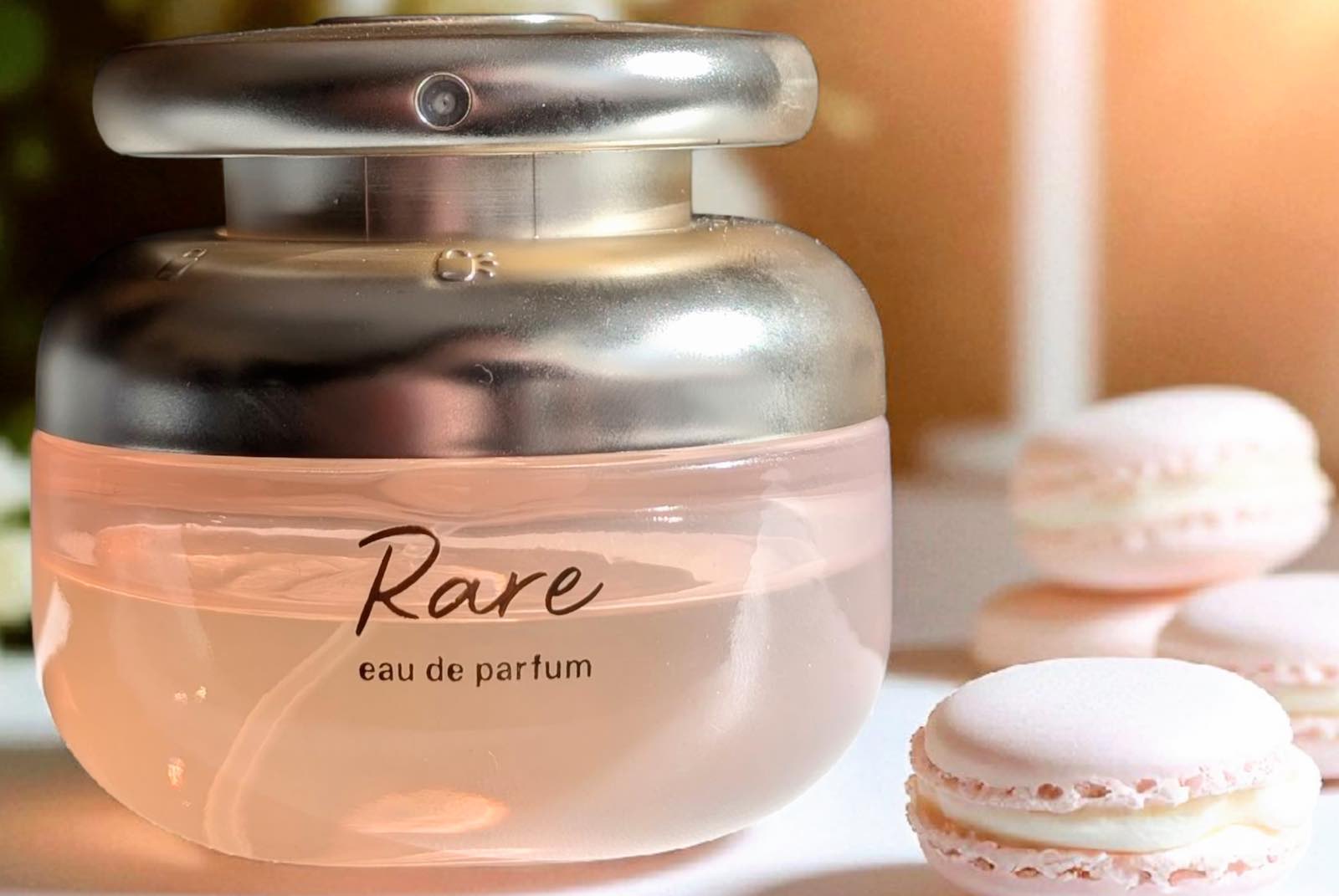
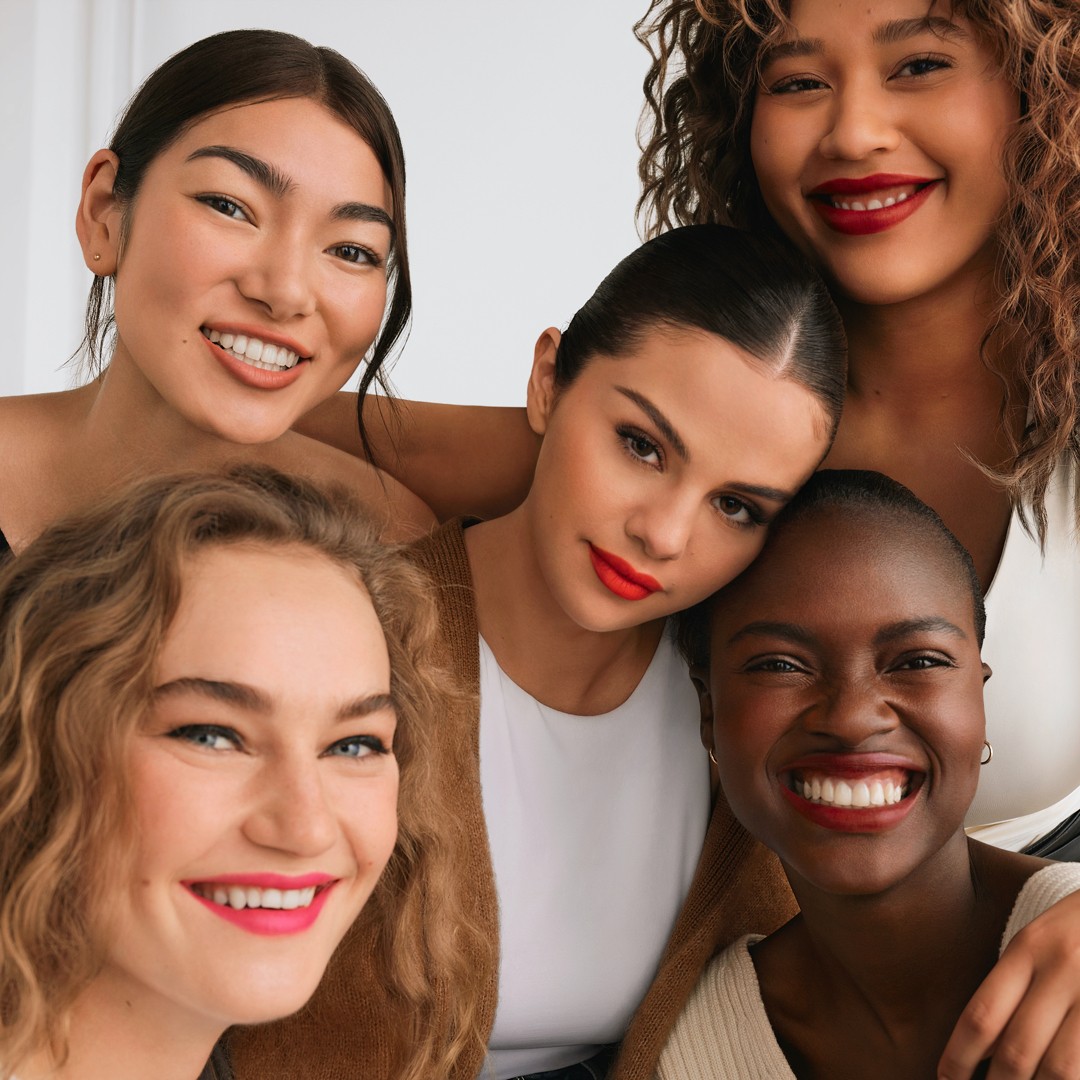
Rare Beauty achieved a landmark $2.7 billion valuation through a combination of Selena Gomez's massive global reach, a dedicated focus on mental health advocacy, high-performing product innovation, and lean, agile direct-to-consumer and retail distribution strategies.
The beauty industry is fiercely competitive, dominated by legacy conglomerates like L'Oréal and Estée Lauder, alongside countless celebrity-backed lines. Yet, few brands manage to capture both massive commercial scale and deep consumer loyalty simultaneously. Founded by multi-hyphenate artist and entrepreneur Selena Gomez, Rare Beauty disrupted the market not just through sleek packaging or trendy color palettes, but through a deeply values-driven mission centered on mental health and self-acceptance. As financial analysts and beauty industry insiders evaluate the brand's trajectory, the $2.7 billion valuation highlights how modern consumer brands scale through authentic community building, social media agility, and strategic retail partnerships like Sephora.
Examining the mechanics of this valuation requires looking past the headline figures to understand the operational playbook, product strategy, market positioning, and financial realities that have propelled Rare Beauty into the upper echelons of the global cosmetics industry.
Foundations and Brand Identity: The Genesis of Rare Beauty
When Selena Gomez launched Rare Beauty in September 2020, the celebrity beauty landscape was already experiencing a wave of saturation. Consumers had grown skeptical of celebrity brands that felt like quick licensing deals rather than authentic passion projects. Rare Beauty avoided this trap by establishing a clear, differentiated identity from day one.
Purpose-Driven Marketing and Mental Health Advocacy
The core ethos of the brand is anchored in challenging unrealistic standards of perfection—a message directly reflecting Gomez’s personal journey with mental health and public scrutiny.
- The Rare Impact Fund: Pledging 1% of all sales to mental health initiatives, alongside external philanthropic fundraising, gave consumers a tangible reason to support the brand beyond product efficacy.
- Destigmatizing Conversations: Marketing campaigns frequently feature unfiltered imagery, diverse casting across age, gender, and ethnicity, and open discussions about emotional well-being.
- Community Engagement: By treating consumers as collaborators rather than targets, the brand fostered a grassroots community on platforms like TikTok, where organic reviews often outperform traditional advertising.
Product Development and Design Accessibility
Beyond the mission statement, the products themselves were engineered to solve specific pain points for everyday consumers.
- Inclusive Shade Ranges: The Positive Light Liquid Luminizer and Liquid Touch Weightless Foundation launched with exhaustive, inclusive shade ranges that set a high standard for new brands.
- Ergonomic Packaging: Recognizing physical accessibility challenges in beauty routines, the signature round cap with a small ball was intentionally designed to be easily twisted open by individuals with arthritis or hand mobility issues.
Market Positioning and Distribution Strategy
A high valuation requires more than viral moments; it demands a robust, scalable distribution network. Rare Beauty executed a calculated omnichannel strategy that balanced direct-to-consumer (DTC) agility with massive global retail reach.
The Sephora Partnership
Rather than relying solely on a direct-to-consumer website, Rare Beauty secured a premier global retail partnership with Sephora, as well as space in SpaceNK for the UK market. This immediately placed the brand next to established luxury and masstige competitors, granting instant credibility and heavy foot traffic.
- Global Footprint: Expansion across North America, Europe, the Middle East, and parts of Asia allowed the brand to capture diverse international revenue streams.
- Experiential Retail: Pop-up activations and immersive in-store displays created physical touchpoints that deepened brand loyalty.
Digital-First Agility
While retail drove volume, digital platforms drove cultural relevance. Rare Beauty mastered short-form video algorithms, utilizing TikTok and Instagram not just for product drops, but for behind-the-scenes content, founder-led tutorials, and transparent conversations about business operations. This reduced customer acquisition costs (CAC) compared to legacy brands heavily reliant on traditional print and television advertising.
Product Portfolio Analysis: Drivers of Repeat Purchases
Valuations in the cosmetics sector depend heavily on repeat purchase rates and hero product status. Rare Beauty successfully cultivated several cult-favorite items that drive consistent, high-margin revenue.
| Product Category | Notable Hero Product | Core Consumer Benefit | Market Impact |
|---|---|---|---|
| Complexion | Liquid Touch Weightless Foundation | Breathable, medium coverage with a skin-like finish. | Established the brand’s credibility in core makeup steps. |
| Cheek | Soft Pinch Liquid Blush | Highly pigmented, long-wearing formula with effortless blendability. | Became a viral TikTok sensation, driving massive brand discovery. |
| Lip | Soft Pinch Tinted Lip Oil / Lip Soufflé | Hydrating, non-sticky textures with high color payoff. | Capitalized on the shift toward comfortable, low-maintenance lip products. |
| Tools & Prep | Always an Optimist Pore Diffusing Primer | Extends makeup wear while smoothing skin texture. | Completes the routine, increasing basket size per transaction. |
The Soft Pinch Liquid Blush, in particular, became an industry-defining product. Its viral status on social media created sustained organic demand, turning a single SKU into a major revenue engine for the enterprise.
Financial Mechanics and Growth Metrics
While private companies do not publicly disclose exhaustive balance sheets, industry reports, banking estimates, and minority stake inquiries provide a clear picture of how a $2.7 billion valuation is justified.
Revenue Scale and Profitability
Unlike many venture-backed direct-to-consumer brands that prioritize top-line growth at the expense of profitability, Rare Beauty achieved profitability relatively early in its lifecycle.
- Lean Operating Model: By keeping corporate headcount lean and partnering with established manufacturing and distribution partners, the brand maintained high EBITDA (Earnings Before Interest, Taxes, Depreciation, and Amortization) margins.
- High Average Order Value (AOV): Strategic bundle offerings and accessible luxury price points encouraged multi-item purchases both online and in-store.
Industry Comparisons and Multiples
In the beauty and personal care sector, valuation multiples are frequently driven by growth rate, brand equity, and strategic acquisition interest from major conglomerates like LVMH, Unilever, or L'Oréal. A $2.7 billion valuation reflects a multiple of estimated annual net sales that aligns with high-growth, digitally native disruptors that have successfully transitioned into omnichannel giants.
Strategic Challenges and Market Risks
Sustaining a multi-billion-dollar valuation requires navigating continuous industry pressures and potential operational headwinds.
- Trend Fatigue: The beauty industry moves at a rapid pace. Maintaining momentum requires continuous product innovation without diluting the core identity of the brand.
- Counterfeiting and Supply Chain Integrity: High demand for hero products like the Soft Pinch Blush has led to a rise in counterfeit goods circulating on secondary marketplaces, necessitating active legal and supply chain monitoring.
- Founder Reliance: While Selena Gomez’s active involvement and authentic connection to the brand are primary growth drivers, managing brand identity independently of the founder's day-to-day media presence remains a long-term strategic consideration for leadership.
Frequently Asked Questions
Who owns Rare Beauty?
Rare Beauty is independently owned and founded by Selena Gomez. While minority investments or advisory partnerships may exist, Gomez retains majority control and strategic direction over the enterprise.
Is Rare Beauty publicly traded?
No, Rare Beauty is a privately held company. Therefore, its exact financial statements, revenue figures, and profit margins are not publicly reported, though valuation estimates are widely tracked by financial institutions and retail analysts.
What caused the rapid growth of Rare Beauty?
The brand's growth was driven by a combination of high-performing, viral products (such as the Soft Pinch Liquid Blush), a strategic global partnership with Sephora, authentic social media marketing, and a deeply integrated commitment to mental health advocacy through the Rare Impact Fund.
Where are Rare Beauty products manufactured?
Rare Beauty products are manufactured primarily in North America and Europe, partnering with certified cosmetic laboratories that adhere to strict safety, quality control, and ethical standards, including being certified cruelty-free by Leaping Bunny.
Can Rare Beauty be purchased outside of North America?
Yes, through strategic retail expansions with partners like Sephora and SpaceNK, Rare Beauty is available in dozens of countries worldwide across North America, Europe, the Middle East, and Asia.
Strategic Next Actions for Industry Observers
For beauty entrepreneurs, investors, and brand strategists analyzing Rare Beauty's market position, the primary takeaway is the power of authentic alignment between brand mission and product execution. Observers should monitor how the brand balances international physical retail expansion with digital community engagement, as these factors will dictate whether the enterprise scales further toward public market readiness or a potential multi-brand acquisition.