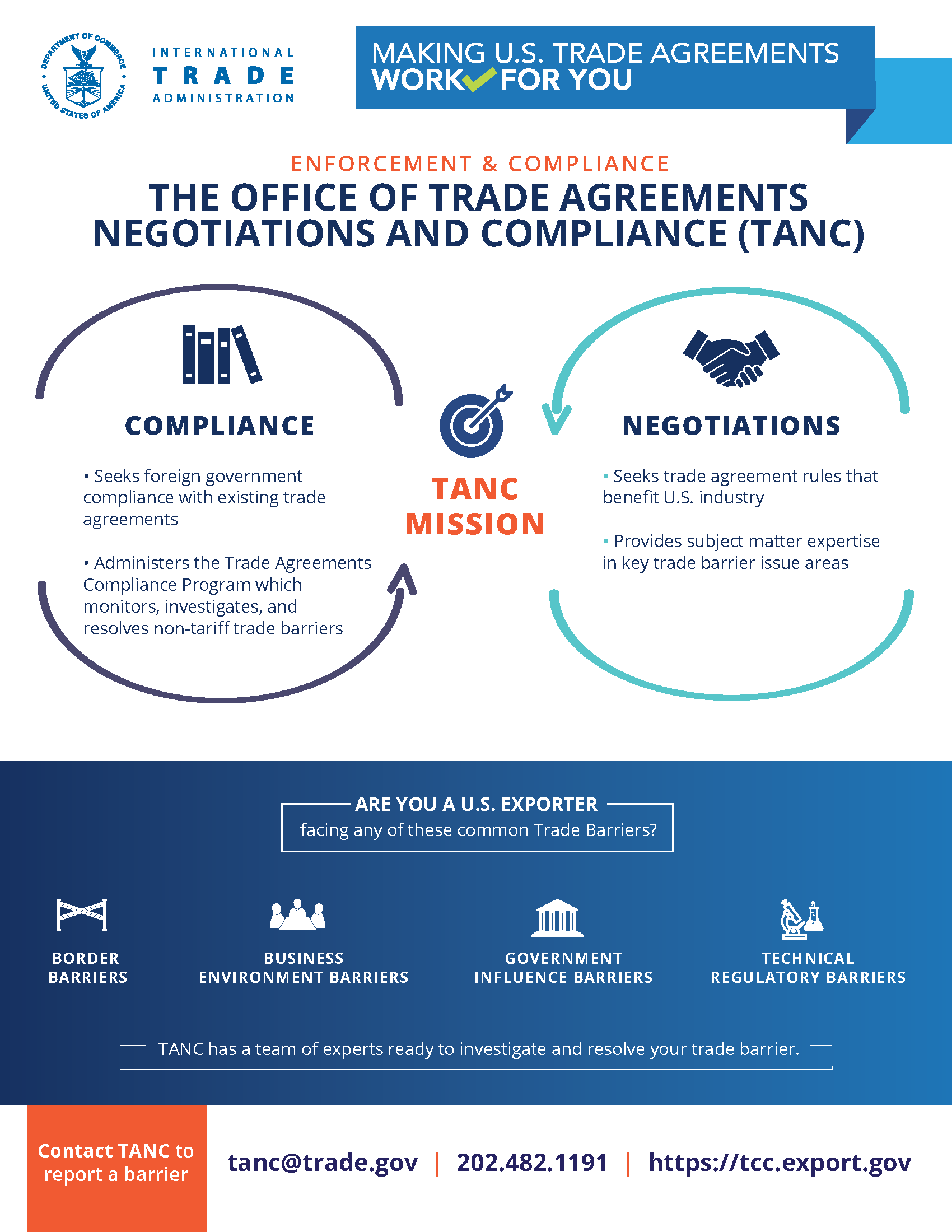
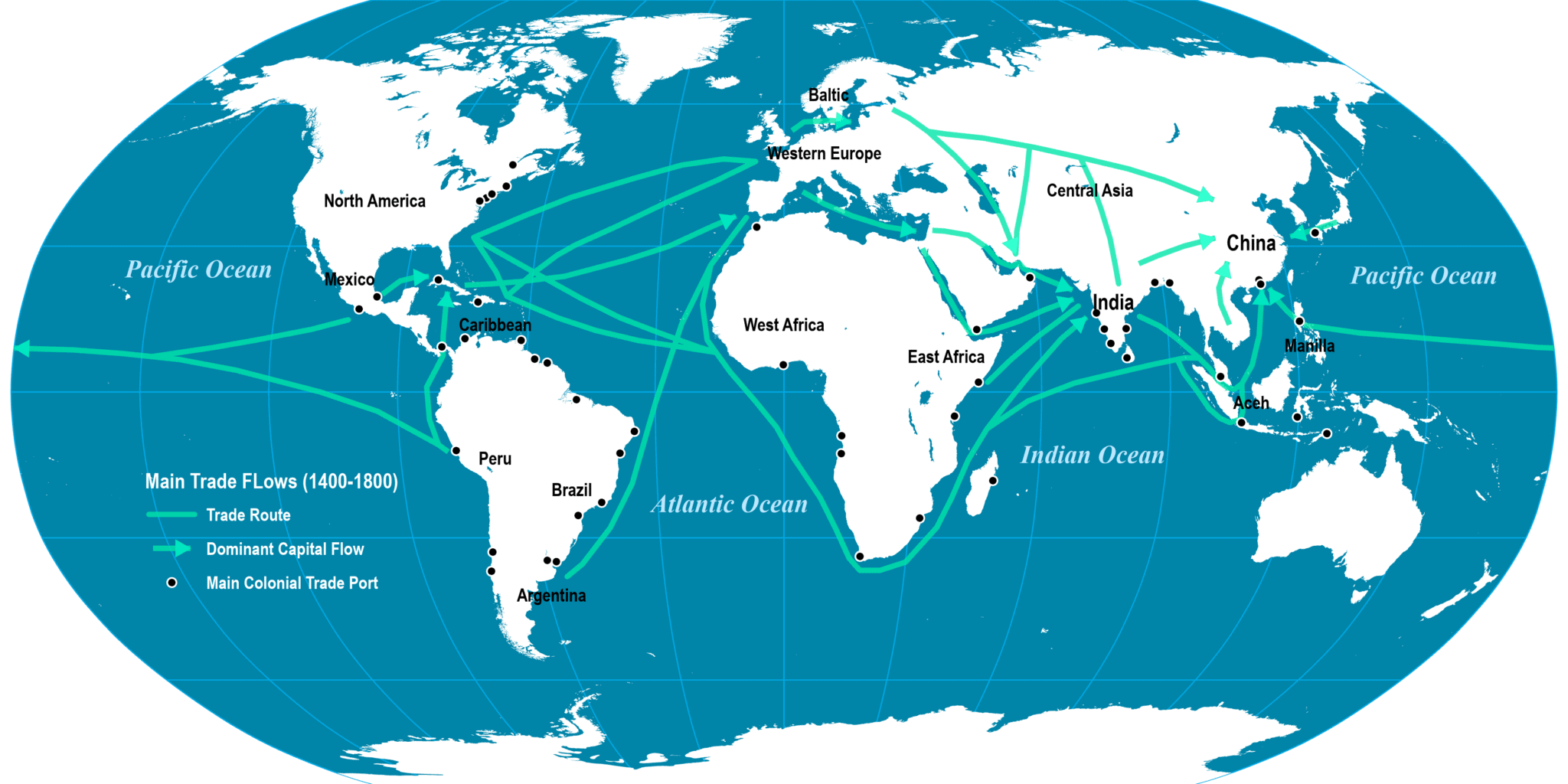
Effective stakeholder outreach in international commerce often requires managing a dense ecosystem of contacts, sometimes involving extensive databases like 1800 contacts, to align regulatory bodies, industry associations, and government negotiators across borders. This operational complexity directly influences policy outcomes, tariff adjustments, and compliance standards in modern trade agreements.
Introduction to Stakeholder Mapping in International Trade
Global trade negotiations are rarely conducted in a vacuum between two or three sovereign states. Instead, modern trade agreements—such as those overseen by the World Trade Organization (WTO) or bilateral free trade agreements (FTAs)—are shaped by an intricate matrix of multinational corporations, industry associations, labor unions, non-governmental organizations, and domestic regulatory agencies. To influence these negotiations or successfully adapt to their outcomes, organizations must map out and engage with a vast network of decision-makers and influencers.
When organizations reference managing databases of 1800 contacts in global trade negotiations, they are usually pointing to the logistical reality of large-scale stakeholder mapping. Keeping track of hundreds or thousands of individuals across multiple jurisdictions requires structured databases, rigorous compliance with international lobbying disclosure laws, and a sophisticated understanding of diplomatic protocols. This article explores how large contact directories and stakeholder networks are leveraged during international trade negotiations, the regulatory frameworks governing such outreach, and the structural challenges compliance officers and trade professionals face when coordinating multifaceted advocacy campaigns.
The Anatomy of a Trade Negotiation Contact Network
A comprehensive database or contact network utilized during high-stakes international trade negotiations is rarely monolithic. It is typically segmented by jurisdiction, sector, and functional role. Understanding how these groups interact is essential for executing a coherent strategy.
Core Stakeholder Categories
To manage a vast directory of contacts effectively, trade professionals categorize entries based on their institutional affiliation and level of influence. A standard stakeholder matrix includes the following tiers:
- Government and Diplomatic Officials: Trade representatives, ambassadors, treaty negotiators, and ministry officials from participating nations. These individuals hold direct drafting and voting power.
- Regulatory Bodies and Technical Agencies: Specialized agencies dealing with sanitary and phytosanitary (SPS) measures, technical barriers to trade (TBT), intellectual property offices, and environmental standards boards.
- Industry Associations and Trade Bodies: Sector-specific groups representing manufacturing, agriculture, technology, and services. These groups aggregate industry consensus and provide technical data to negotiators.
- Legal and Economic Advisors: External consultants, economists, and legal counsel specializing in international trade law, dispute resolution, and tariff schedules.
- Civil Society and Labor Representatives: Groups monitoring labor rights, environmental impacts, and consumer safety, ensuring that trade deals account for public interest factors.
Data Management and CRM Infrastructure
Managing 1800 contacts—or even larger networks—demands enterprise-grade Customer Relationship Management (CRM) tools designed for public affairs and government relations. Standard sales CRMs often fall short because they lack features tailored to legislative and diplomatic workflows. Key requirements for a trade negotiation contact system include:
- Jurisdictional Tagging: The ability to filter contacts by country, trade bloc (e.g., European Union, USMCA), and specific legislative committees.
- Interaction History: A secure, auditable log of every meeting, briefing paper shared, and formal submission made to ensure institutional memory and compliance with disclosure rules.
- Permission and Access Controls: Strict data governance to protect sensitive diplomatic communications and proprietary commercial insights from unauthorized access.
Regulatory Frameworks and Compliance in Cross-Border Lobbying
Engaging with thousands of contacts across different sovereign territories exposes an organization to a complex patchwork of domestic and international lobbying laws. What constitutes acceptable stakeholder outreach in one country may violate anti-corruption or foreign agent registration statutes in another.
Key Legal Considerations
- Foreign Agents Registration Act (FARA) in the United States: If an organization or its representatives are acting on behalf of a foreign principal—such as a foreign government or state-owned enterprise—to influence U.S. trade policy or public opinion, registration under FARA is often mandatory. This requires public disclosure of activities, expenditures, and the specific contacts maintained within the U.S. government.
- EU Transparency Register: When engaging with European Commission officials, members of the European Parliament, or the Council of the European Union, organizations must register in the EU Transparency Register if their activities are designed to influence policy formulation and implementation.
- Anti-Bribery and Corruption (ABC) Compliance: Under frameworks like the U.S. Foreign Corrupt Practices Act (FCPA) and the UK Bribery Act, providing anything of value—including travel, hospitality, or advisory fees—to foreign public officials (which can include trade negotiators and regulatory staff) is heavily restricted and scrutinized.
Comparison of Major Lobbying and Outreach Frameworks
| Jurisdiction | Primary Registration Body | Key Disclosure Requirements | Compliance Penalties |
|---|---|---|---|
| United States | Department of Justice (FARA) / Clerk of the House & Secretary of the Senate (LDA) | Specific contacts, financial compensation, political contributions, and exact nature of influence activities. | Civil fines, criminal penalties, and potential imprisonment for willful violations. |
| European Union | European Commission / European Parliament | Estimated budget for lobbying, fields of interest, EU initiatives targeted, and names of accredited individuals. | Suspension or removal from the transparency register; loss of access to EU institutions. |
| Canada | Office of the Commissioner of Lobbying | Monthly reporting of communications with designated public office holders, subject matter, and lobbying types. | Administrative monetary penalties and prohibitions on lobbying. |
Operational Challenges in Managing Large Trade Networks
Attempting to coordinate outreach across a massive directory of trade contacts presents several operational hurdles that can derail a trade advocacy or compliance strategy if not properly managed.
1. Data Decay and Personnel Turnover
Government officials, trade negotiators, and industry association leaders rotate frequently. In a network of nearly two thousand contacts, keeping email addresses, phone numbers, institutional titles, and committee assignments accurate is a continuous administrative challenge. Outdated data can lead to missed deadlines for public comment periods or breaches of diplomatic protocol.
2. Message Alignment Across Diverse Sectors
A trade agreement touches multiple economic sectors simultaneously—agriculture, digital services, intellectual property, and manufacturing. Maintaining a cohesive organizational narrative while communicating with diverse stakeholders requires tailored messaging. Sending generic updates to specialized regulatory officials can diminish credibility and alienate key decision-makers.
3. Navigating Cultural and Procedural Differences
Trade negotiations operate under different procedural norms depending on the region. For instance, the consensus-driven consensus model of the WTO differs significantly from the bilateral, highly adversarial trade negotiation styles often seen in bilateral free trade agreements. Contacts must be engaged with an acute awareness of local diplomatic customs, negotiation pacing, and hierarchical protocols.
Strategic Steps for Effective Stakeholder Engagement
To maximize the utility of a large contact network during trade negotiations, organizations must follow a structured, phased approach to engagement.
- Audit and Cleanse the Database: Before initiating any outreach campaign, verify the active status, current institutional roles, and preferred communication channels of all contacts. Remove inactive or redundant records.
- Segment by Negotiation Objectives: Divide the contact list into distinct operational groups based on the specific issues at stake (e.g., tariff reduction schedules versus regulatory harmonization).
- Develop Evidence-Based Briefing Materials: Equip contacts with empirical data, economic impact assessments, and clear policy recommendations rather than generic advocacy talking points.
- Monitor Official Docket and Comment Windows: Align outreach with official government timelines, such as federal register notices, public consultation periods, and inter-sessional negotiation meetings.
- Maintain Comprehensive Audit Trails: Document all interactions in compliance with applicable lobbying disclosure laws to ensure total transparency and institutional accountability.
Frequently Asked Questions
What is the primary purpose of maintaining a large contact network in trade negotiations?
A large contact network allows organizations, industry associations, and legal teams to coordinate advocacy, share technical data, monitor regulatory shifts, and engage key decision-makers across multiple jurisdictions during the formulation and implementation of international trade agreements.
How do lobbying laws impact cross-border trade outreach?
Lobbying laws, such as the U.S. Foreign Agents Registration Act (FARA) or the EU Transparency Register, require organizations to publicly disclose their interactions with government officials, funding sources, and specific trade policy objectives to ensure transparency and prevent undue foreign influence.
What are the main challenges when managing thousands of trade-related contacts?
The primary challenges include high rates of personnel turnover in government agencies, data decay, maintaining message consistency across diverse economic sectors, and navigating differing diplomatic and regulatory protocols across international borders.
Why is specialized CRM software necessary for trade negotiations?
Specialized public affairs CRMs provide advanced jurisdictional tagging, secure audit trails for diplomatic interactions, and compliance tracking features that standard sales-oriented customer relationship management tools typically lack.
What precautions should organizations take regarding anti-corruption laws?
Organizations must ensure that all interactions, hospitality, and informational exchanges involving foreign public officials comply with stringent anti-bribery statutes like the Foreign Corrupt Practices Act (FCPA) to avoid severe legal and financial penalties.
Conclusion and Next Actions
Successfully navigating international commerce requires more than just economic theory; it demands rigorous operational execution and strict adherence to regulatory standards when managing large stakeholder networks. To begin optimizing your organization's approach to global trade negotiations, conduct a comprehensive audit of your existing contact databases, verify compliance with local and international lobbying disclosure laws, and implement secure CRM infrastructure designed specifically for public affairs and diplomatic engagement.