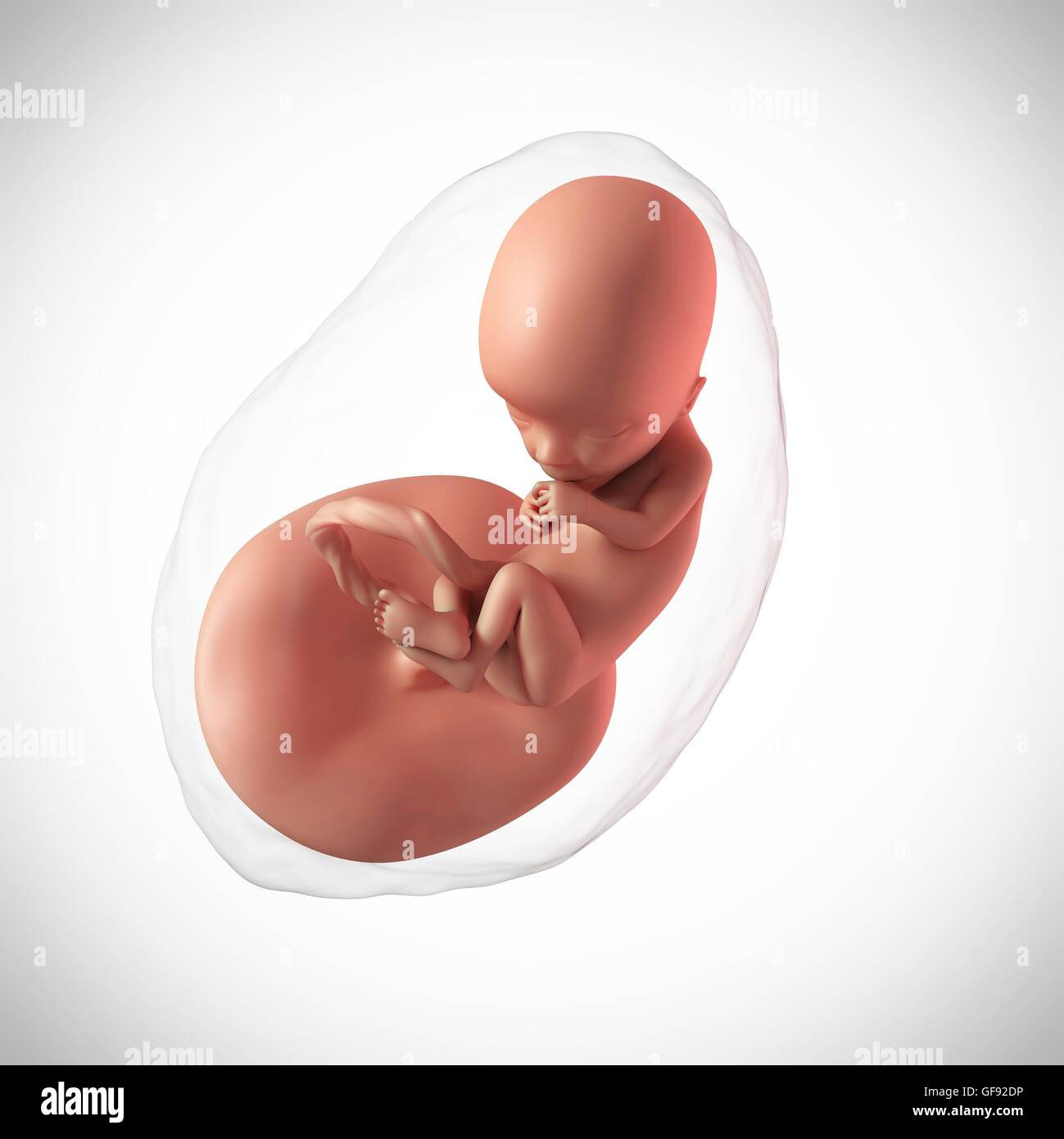
At 13 weeks of pregnancy, the fetus has reached a pivotal developmental milestone, marking the final week of the first trimester. Measuring approximately 3 inches long and weighing about 23 grams, the fetus now possesses fully formed organs, unique fingerprints, and a functioning circulatory system. This transition period typically coincides with a significant reduction in maternal "morning sickness" as the placenta assumes full responsibility for hormone production and fetal nourishment.
Understanding the 13-Week Milestone: The Bridge Between Trimesters
The 13th week of pregnancy represents a "golden period" for many expectant parents. Biologically, the fetus is transitioning from the embryonic stage’s rapid cellular differentiation into a period of dedicated growth and refinement. At this stage, the risk of miscarriage drops significantly compared to the earlier weeks of the first trimester. This is largely due to the stabilization of the pregnancy as the placenta becomes fully operational.
During the first 12 weeks, the corpus luteum (a temporary endocrine structure in the ovaries) produces the progesterone necessary to maintain the uterine lining. By week 13, the placenta has grown sufficiently to take over this role. This shift is not merely a hand-off of labor; it often results in a stabilization of maternal hormones, which is why many women begin to feel a surge in energy and a decrease in nausea around this time.
From a developmental perspective, the 13-week-old fetus is no longer just a "clump of cells" or a rudimentary organism. It is a miniaturized human with a skeletal structure that is beginning to harden, a heart that beats twice as fast as an adult’s, and a brain that is rapidly forming the synapses required for future motor skills.
Physical Measurements and Appearance
In the clinical setting, the size of a 13-week-old fetus is often described using the Crown-Rump Length (CRL). This measurement, taken from the top of the head to the bottom of the buttocks, is the most accurate way to date a pregnancy during the first trimester.
- Size: The fetus is roughly the size of a large lemon or a peach, measuring between 2.9 and 3.1 inches (7.4 to 8 cm).
- Weight: It weighs approximately 0.8 to 0.9 ounces (23 to 25 grams).
- Proportions: While the head was previously half the size of the entire body, the body is now beginning to grow faster than the head, leading to more proportional human dimensions.
The facial features are also becoming more distinct. The eyes, which started on the sides of the head, have moved closer together toward the center of the face. The ears are shifting from the neck area to their final position on the sides of the head. Even at this early stage, the fetus has developed tiny, unique fingerprints on its fingertips—ridges in the skin that will remain the same throughout its entire life.
Internal Organ Development and Functionality
By week 13, all major organs and systems are in place, though they require significant time to mature before they can support life outside the womb. However, many are already "practicing" their eventual roles.
The Digestive System and Intestines
One of the most remarkable events occurring around week 13 is the migration of the intestines. Earlier in development, the intestines grew so rapidly that they actually protruded into the umbilical cord (a process called physiological umbilical herniation). By the 13th week, the abdominal cavity has expanded enough to accommodate them, and the intestines move back into the fetal abdomen. Additionally, the liver begins secreting bile, and the gallbladder starts producing the substances needed to eventually digest fats.
The Urinary and Circulatory Systems
The kidneys are now fully functional and are producing urine. The fetus swallows amniotic fluid, processes it through the kidneys, and voids it back into the amniotic sac. This cycle is crucial for maintaining the volume of amniotic fluid and for the development of the fetal lungs and digestive tract. Meanwhile, the heart is pumping approximately 25 quarts of blood per day, and its beat is clearly audible via a handheld Doppler during prenatal visits.
Skeletal and Muscular Progress
At 13 weeks, the process of ossification—the hardening of cartilage into bone—is accelerating. This is particularly evident in the long bones of the arms and legs and the bones of the skull. The fetus is also becoming more active. While the mother cannot yet feel these movements (known as quickening), the fetus is stretching, kicking, and even sucking its thumb. These movements are essential for joint development and muscle strengthening.
Vital Prenatal Screenings and Tests
The window between week 11 and week 13 is critical for several elective prenatal screenings that assess the risk of chromosomal abnormalities, such as Down syndrome (Trisomy 21), Edwards syndrome (Trisomy 18), and Patau syndrome (Trisomy 13).
- Nuchal Translucency (NT) Scan: This specialized ultrasound measures the clear space at the back of the fetal neck. An increased amount of fluid in this area can be an early indicator of chromosomal issues or congenital heart defects.
- Non-Invasive Prenatal Testing (NIPT): In 2026, NIPT remains the gold standard for early screening. This blood test analyzes cell-free DNA (cfDNA) from the placenta that circulates in the mother's blood. It is highly accurate (over 99% for Down syndrome) and can also determine the biological sex of the fetus as early as week 10.
- Sequential Integrated Screening: This combines the results of the NT scan with blood tests that measure specific proteins (like PAPP-A) and hormones (like hCG) to provide a comprehensive risk assessment.
It is important to remember that these are screening tests, not diagnostic tests. If a screening returns a "high-risk" result, a healthcare provider may recommend diagnostic procedures such as Chorionic Villus Sampling (CVS) or, later, an amniocentesis. For more detailed information on these procedures, the American College of Obstetricians and Gynecologists (ACOG) provides extensive clinical guidelines.
Maternal Changes: Transitioning to the Second Trimester
As the fetus enters its 13th week, the mother’s body undergoes a significant shift. The uterus is now rising out of the pelvic cavity and into the abdomen. This often marks the point where a "baby bump" becomes visible, especially in women who have been pregnant before.
Common Symptoms at 13 Weeks
- Reduced Nausea: As the placenta takes over, the rapid spikes in hCG (human chorionic gonadotropin) stabilize, often bringing an end to morning sickness.
- Increased Libido: For many, the increase in pelvic blood flow and the return of energy levels lead to an increased interest in intimacy.
- Visible Veins: The body's blood volume increases by nearly 50% during pregnancy. This may cause veins to become more prominent, particularly on the breasts and legs.
- Skin Changes: Some women may notice the "mask of pregnancy" (melasma) or a darkening of the line running down the center of the abdomen (linea nigra) due to increased melanin production.
Nutrition and Lifestyle Adjustments
In 2026, prenatal nutrition guidelines emphasize the importance of Choline and DHA for fetal brain development. While a standard prenatal vitamin covers the basics, a diet rich in eggs, salmon, and leafy greens is recommended. Since the fetus is now rapidly ossifying its bones, the mother’s calcium requirements are at a peak. If the mother does not consume enough calcium, the body will actually "leach" calcium from her own bones to provide for the fetus.
| Metric/Development | Status at 13 Weeks | Clinical Significance |
|---|---|---|
| Crown-Rump Length | 7.4 - 8.0 cm | Primary indicator of gestational age. |
| Weight | ~23-25 grams | Marks the start of the rapid weight-gain phase. |
| Heart Rate | 140 - 170 BPM | Double the average adult resting heart rate. |
| Intestines | Re-entering abdomen | Completion of physiological herniation. |
| Reflexes | Swallowing and kicking | Essential for neuromuscular development. |
| Fingerprints | Fully formed | Biological markers are permanently set. |
Skeletal and Facial Refinement
The 13-week-old fetus is undergoing a process where its facial features become much more human-like. The ears, which began low on the neck, have migrated up to the sides of the head. The eyes, though still fused shut with eyelids for protection, have moved from the sides of the head toward the front.
Inside the mouth, tooth buds for all 20 baby teeth have already formed in the jawbones. The vocal cords are also beginning to develop. While the fetus cannot make sounds because it is surrounded by fluid rather than air, the anatomical structures required for crying and eventually speaking are being laid down this week.
The skeleton is also transitioning. Most of the fetal skeleton starts as flexible cartilage. In the 13th week, the process of primary ossification centers appearing in the long bones (the humerus in the arm and the femur in the leg) becomes much more pronounced. This makes the skeleton show up more clearly on an ultrasound.
The Role of the Placenta in 2026 Prenatal Care
The placenta is arguably the most important organ during this week. It acts as the fetus's lungs, kidneys, and digestive system. In 2026, medical professionals use advanced Doppler ultrasound to monitor uterine artery blood flow, ensuring that the placenta is properly "invading" the uterine wall. This is a key predictor for preventing conditions like preeclampsia later in pregnancy.
The placenta is also a barrier, but it is a selective one. It allows oxygen, glucose, and antibodies to pass through to the fetus while filtering out some (but not all) harmful substances. This is why maintaining a lifestyle free from tobacco, alcohol, and certain medications remains critical. The Mayo Clinic provides a comprehensive list of substances to avoid as the placenta becomes the primary lifeline.
Frequently Asked Questions
Can I find out the sex of the fetus at 13 weeks?
Yes, though usually not through a standard ultrasound. While the external genitalia are forming, they are often too small to be accurately identified on a screen. However, a Non-Invasive Prenatal Test (NIPT), which analyzes fetal DNA in the mother's blood, can determine the sex with over 99% accuracy at this stage.
Is it normal to not have a "bump" yet at 13 weeks?
Absolutely. The timing of a visible pregnancy "bump" depends on various factors, including the mother's height, core strength, and whether it is her first pregnancy. In first-time pregnancies, the abdominal muscles are often tighter, which may keep the uterus tucked away longer. By week 13, the uterus is roughly the size of a large grapefruit.
What is the risk of miscarriage at 13 weeks?
Once a pregnancy reaches 13 weeks and a healthy heartbeat is confirmed, the risk of miscarriage drops to less than 1-2%. Most miscarriages occur in the first trimester due to chromosomal abnormalities that prevent the embryo from developing. By week 13, the most critical "construction" phase of the organs is complete.
Why am I feeling so much more energetic?
This is largely due to the "hormonal hand-off." During the first 12 weeks, your body works overtime to build the placenta and manage massive surges of hCG. By week 13, the placenta is doing the heavy lifting, and your hormone levels stabilize. Many women find the second trimester to be the most comfortable period of pregnancy.
Can the fetus hear me at 13 weeks?
The structures of the ear are forming and moving into place, but the tiny bones of the middle ear and the nerve endings in the brain are not yet connected enough for the fetus to "hear" in the traditional sense. Most studies suggest that functional hearing begins around week 23 to 27. However, the fetus can certainly feel vibrations from the mother's heartbeat and voice.
Should I still be taking Folic Acid?
Yes. While the neural tube (which Folic Acid helps close) is already formed, continuing a prenatal vitamin with folic acid (or folate), iron, and calcium is vital for the ongoing development of the fetal brain and skeletal system throughout the second and third trimesters.
Summary and Next Actions
The 13-week mark is a time of celebration and transition. With the organs formed and the placenta operational, the focus shifts from "formation" to "growth."
Recommended Next Actions:
- Schedule your 12-14 week scan: If you haven't already, ensure your Nuchal Translucency or first-trimester screening is completed, as the window for these specific measurements closes after week 13.
- Update your nutrition: Increase your intake of calcium and Vitamin D to support the fetus’s hardening bones.
- Begin moderate exercise: If your doctor approves, 2026 guidelines recommend at least 150 minutes of moderate-intensity aerobic activity per week to improve placental blood flow and maternal health.
- Document the milestone: Many parents choose the 13-week mark—the start of the second trimester—to share their news with family and friends, given the significantly reduced risk of complications.