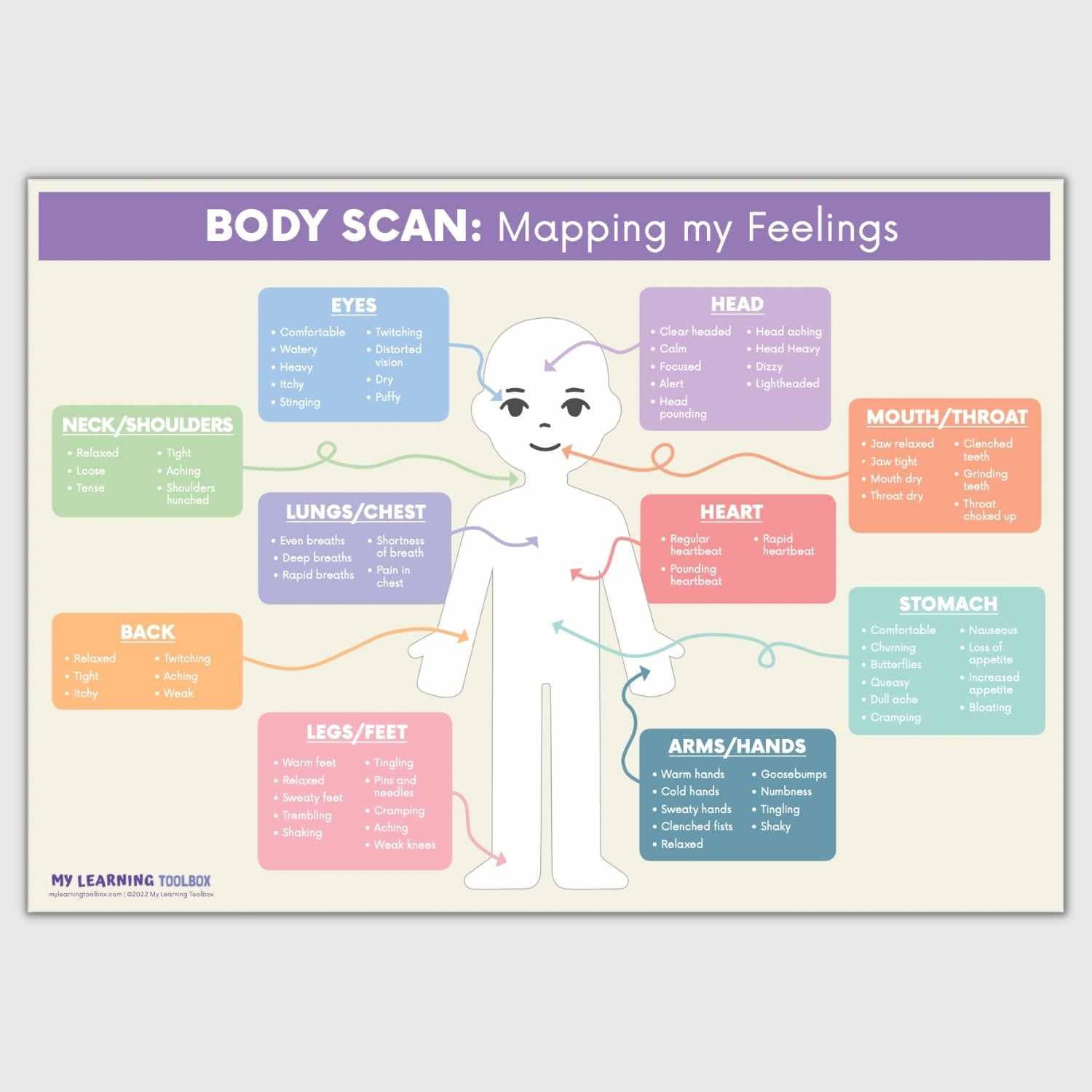
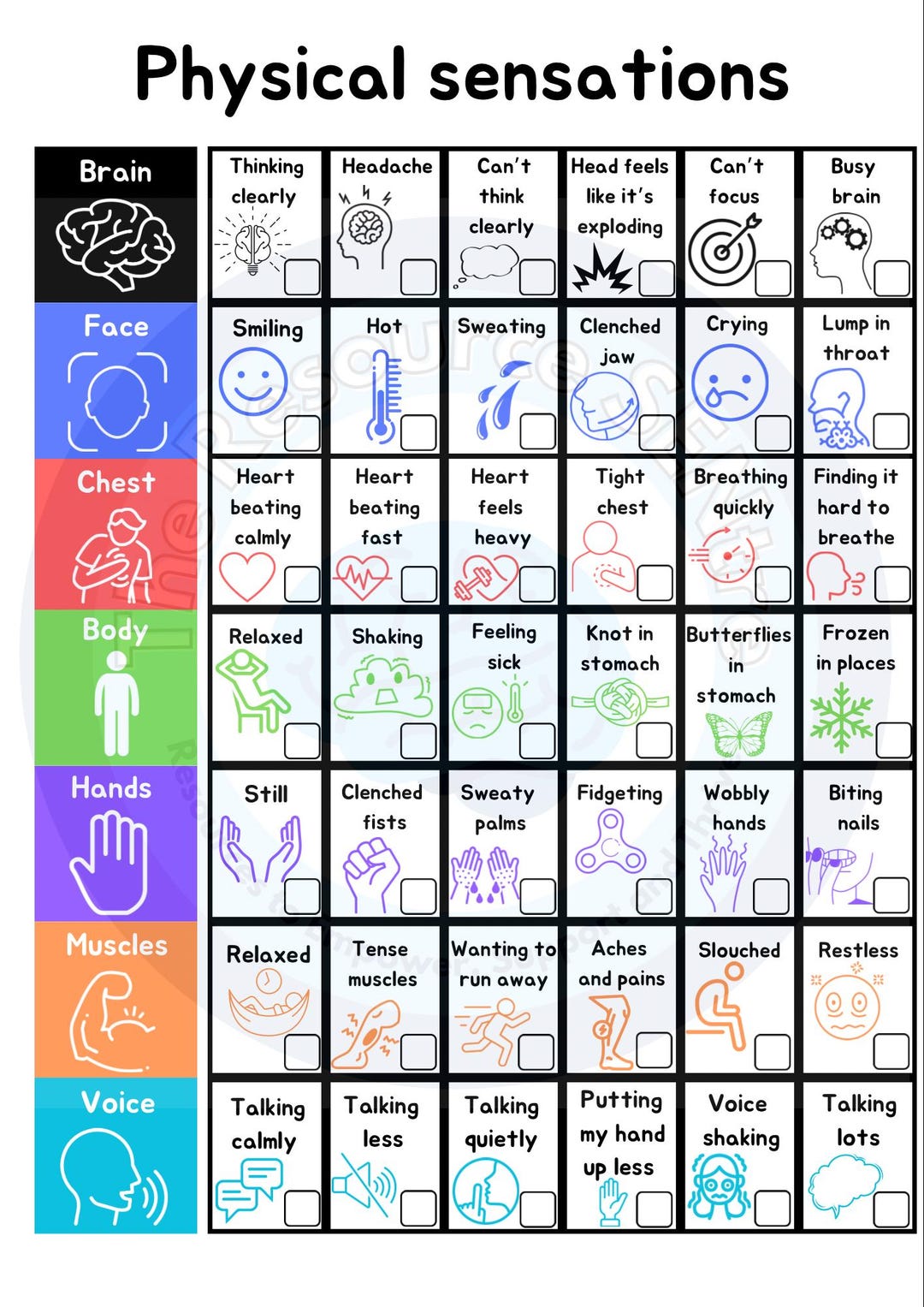
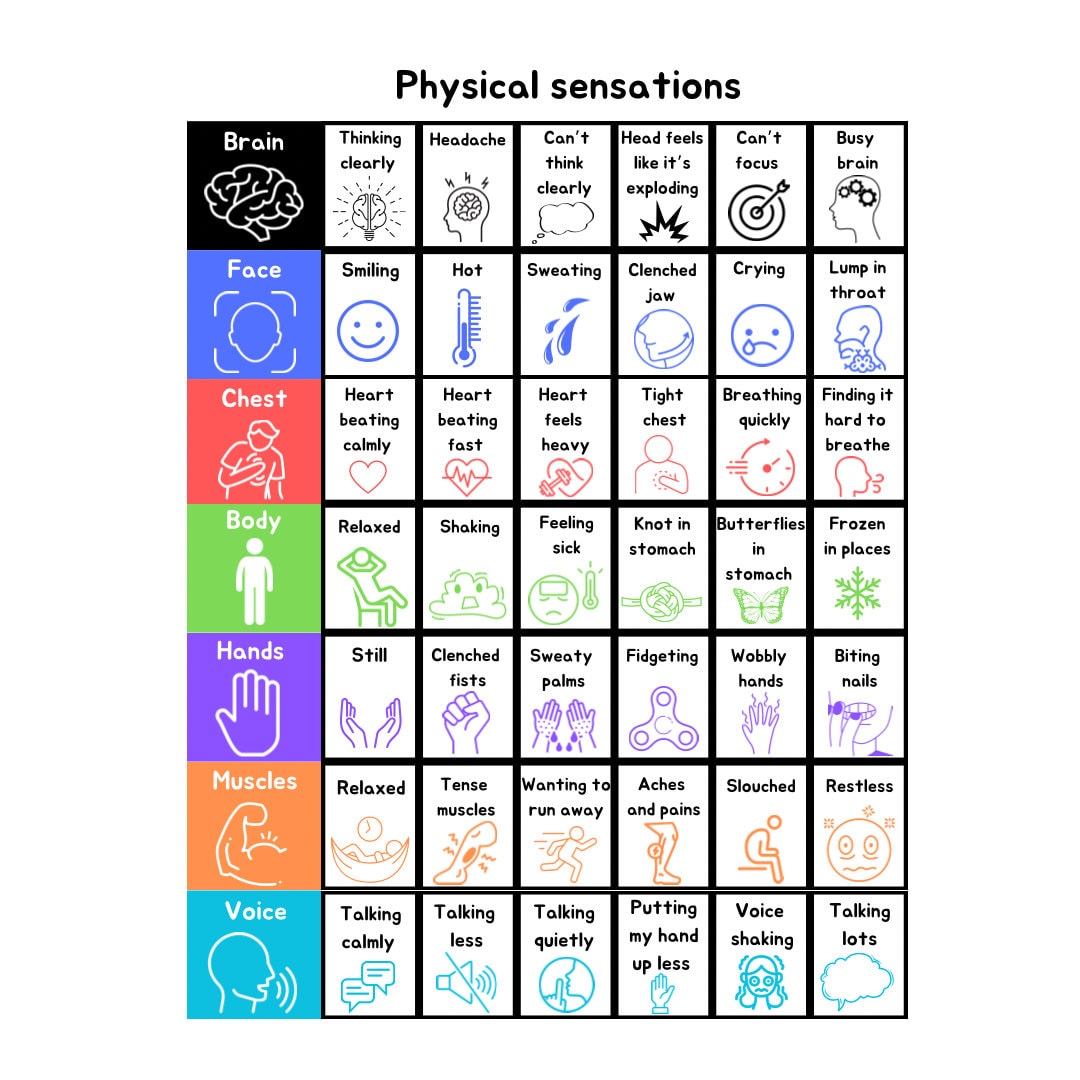
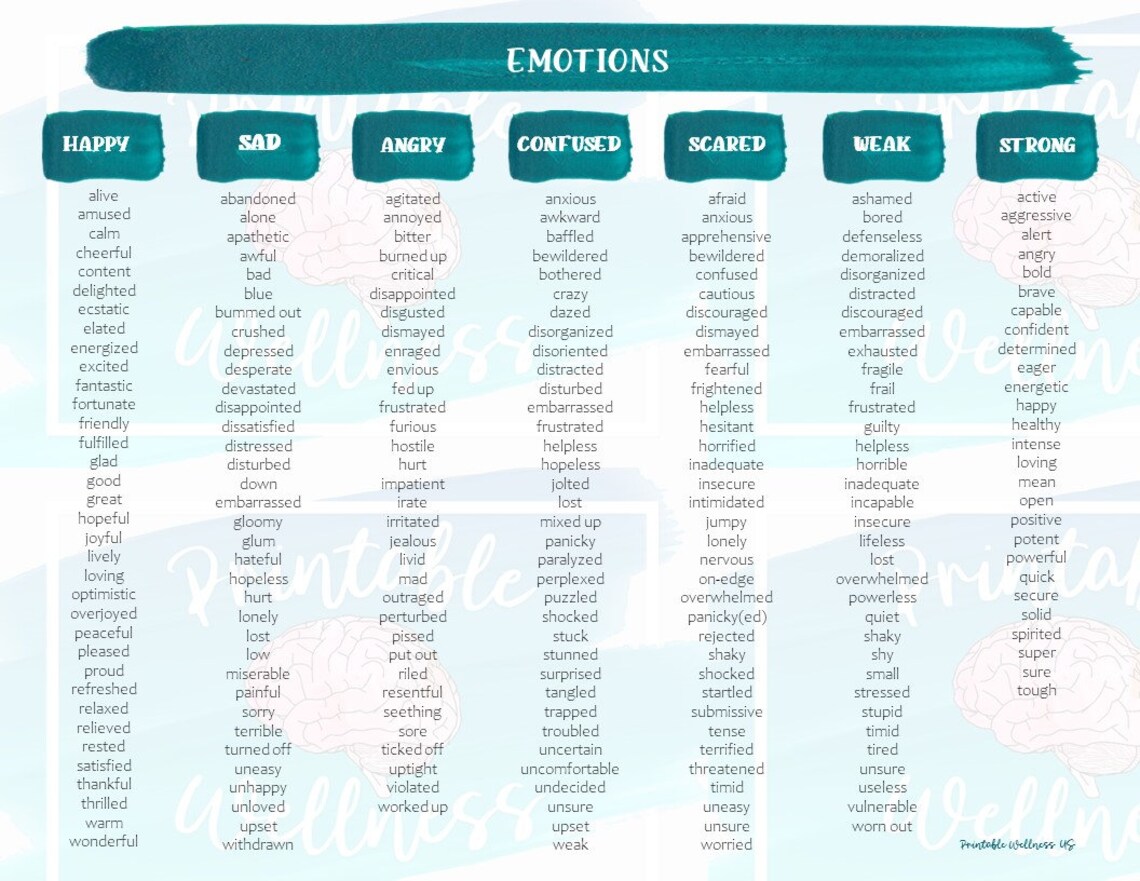
Physical sensations are immediate, conscious perceptions of bodily states that originate from internal receptors, muscles, joints, and the skin, serving as the biological communication system through which the nervous system reports on both external environments and internal homeostatic balance. Understanding these bodily signals allows individuals to interpret physiological responses accurately, distinguish between normal regulatory feedback and pathological warnings, and respond appropriately to stress, environmental shifts, or underlying medical conditions.
Introduction to Somatic Awareness and Interoception
The human body is an intricate network of sensory receptors, neural pathways, and regulatory centers designed to monitor and respond to countless stimuli every second. At the heart of this monitoring system is interoception—the process by which the nervous system senses, interprets, and integrates signals originating from within the body, giving rise to physical sensations such as a racing heartbeat, stomach churning, or muscle tension.
Unlike exteroception, which processes external stimuli through sight, sound, and smell, interoception provides a continuous readout of physiological condition. When these signals cross the threshold of conscious awareness, they manifest as distinct physical sensations. Recognizing and correctly interpreting these sensations is essential for maintaining physical health, emotional regulation, and psychological well-being.
This guide examines ten common physical sensations, exploring the underlying biological mechanisms, common triggers, potential meanings, and practical ways to manage or respond to them. Whether caused by acute stress, metabolic shifts, neurological responses, or physical exertion, understanding these sensations bridges the gap between physical experience and mental interpretation.
1. Acute Muscle Tension and Stiffness
Biological Mechanism
Muscle tension is the involuntary or semi-voluntary contraction of skeletal muscle fibers that persists beyond the functional need for movement. Triggered by the sympathetic nervous system—often referred to as the "fight or flight" response—cortisol and adrenaline surge through the bloodstream, priming the muscles for explosive action. When this physical action is not executed (such as during mental stress or prolonged sitting), the muscle fibers remain in a state of sustained semi-contraction, restricting local blood flow and causing metabolic waste products like lactic acid to accumulate.
Common Triggers and Contexts
- Psychological stress, anxiety, or hyperfixation on a difficult task
- Ergonomic strain from poor posture, repetitive motions, or prolonged desk work
- Dehydration and electrolyte imbalances (specifically low magnesium or potassium)
- Overtraining or inadequate recovery periods following physical exercise
Management and Mitigation
To release acute muscle tension, individuals can employ progressive muscle relaxation (PMR), targeted stretching, and hydrotherapy (such as warm baths or heating pads). Ensuring adequate hydration and consuming foods rich in magnesium—such as leafy greens, nuts, and seeds—can also prevent chronic neuromuscular tightness.
2. Paresthesia (Tingling and "Pins and Needles")
Biological Mechanism
Paresthesia is an abnormal cutaneous sensation characterized by tingling, pricking, chilling, burning, or numbness, typically experienced in the hands, feet, arms, or legs. It occurs when mechanical pressure is placed on a peripheral nerve or its blood supply. Once the pressure is relieved, blood rushes back into the compressed tissue, and the nerve fires erratically as it re-establishes normal electrochemical signaling, creating the characteristic sensation of "pins and needles."
Common Triggers and Contexts
- Crossing legs or arms for extended periods, restricting neural and vascular flow
- Sleeping in an awkward position that compresses a specific nerve (e.g., ulnar or radial nerve)
- Mild peripheral neuropathies associated with nutritional deficiencies (such as Vitamin B12)
- Transient hyperventilation, which alters blood pH and calcium ion concentrations
Management and Mitigation
Transient paresthesia resolves quickly on its own once the physical compression is removed and circulation is restored through gentle movement. If tingling occurs chronically or without an obvious mechanical cause, clinical evaluation by a neurologist is recommended to rule out systemic conditions, nerve entrapment syndromes, or metabolic disorders.
3. Epigastric "Butterflies" and Gastrointestinal Distress
Biological Mechanism
The phrase "butterflies in the stomach" describes a fluttering or hollow sensation in the abdomen during moments of anticipation, excitement, or anxiety. This occurs due to the gut-brain axis, an extensive bidirectional communication network linking the central nervous system with the enteric nervous system (often called the "second brain"). When the sympathetic nervous system activates during stress, blood is shunted away from the gastrointestinal tract toward major skeletal muscles, slowing digestion and altering gastric motility, which generates fluttering sensations and visceral hypersensitivity.
Common Triggers and Contexts
- Anticipatory anxiety prior to public speaking, examinations, or major life events
- Heightened emotional states, romantic attraction, or sudden fright
- Irritable Bowel Syndrome (IBS) flares triggered by stress or dietary irritants
- Acute ingestion of stimulants, such as high doses of caffeine
Management and Mitigation
Deep diaphragmatic breathing stimulates the vagus nerve, signaling the parasympathetic nervous system to activate "rest and digest" mode, which calms the enteric nervous system. Eating smaller, easily digestible meals and minimizing excess caffeine intake can also reduce gastrointestinal reactivity during high-stress periods.
4. Tachycardia and Palpitations (Pounding Heartbeat)
Biological Mechanism
Palpitations are sensations of a rapid, fluttering, pounding, or skipped heartbeat that a person becomes acutely aware of. These sensations arise from changes in heart rate, rhythm, or contractility, frequently mediated by a surge of catecholamines (epinephrine and norepinephrine) acting on beta-1 adrenergic receptors in the myocardium. While a healthy heart beats regularly without conscious notice, stress, stimulants, or arrhythmias can amplify sensory feedback from the chest wall.
Common Triggers and Contexts
- Acute stress, panic attacks, or intense emotional shock
- High intake of dietary stimulants, including caffeine, energy drinks, and nicotine
- Dehydration, electrolyte imbalances, or significant blood sugar drops
- Cardiac arrhythmias, premature atrial contractions (PACs), or premature ventricular contractions (PVCs)
Management and Mitigation
For non-emergency palpitations driven by anxiety or mild stimulants, practicing slow, controlled breathing (such as the 4-7-8 technique) and drinking a glass of water can help normalize heart rate. However, persistent palpitations accompanied by dizziness, shortness of breath, or chest pain require immediate medical evaluation by a cardiologist.
5. Dizziness and Lightheadedness
Biological Mechanism
Dizziness encompasses sensations of unsteadiness, wooziness, or lightheadedness, often signaling a temporary reduction in cerebral perfusion or a mismatch among sensory inputs from the vestibular system (inner ear), vision, and proprioception. When blood pressure drops transiently, baroreceptors in the carotid arteries signal the brain that perfusion is low, prompting a compensatory increase in heart rate that may still leave the individual feeling faint.
Common Triggers and Contexts
- Orthostatic hypotension (standing up too quickly from a seated or lying position)
- Dehydration, heat exhaustion, or prolonged standing in warm environments
- Hypoglycemia (low blood sugar) resulting from skipped meals or intense fasting
- Benign paroxysmal positional vertigo (BPPV) caused by displaced otoconia in the inner ear canals
Management and Mitigation
Immediate recovery from lightheadedness involves sitting or lying down with the feet elevated to encourage venous return to the heart and brain. Long-term prevention requires maintaining adequate daily fluid and electrolyte intake, rising slowly from sitting positions, and eating balanced meals containing complex carbohydrates and proteins.
6. Cutaneous Vasodilation and Flushing
Biological Mechanism
Flushing is a sudden reddening of the skin, typically across the face, neck, and upper chest, accompanied by a distinct sensation of warmth or burning. This physiological response is driven by the dilation of superficial blood vessels (capillaries) beneath the skin, regulated by the autonomic nervous system and chemical vasodilators such as histamine, prostaglandins, and vasoactive intestinal peptide.
Common Triggers and Contexts
- Emotional embarrassment, shame, or social anxiety (the sympathetic blush response)
- Exposure to high ambient temperatures, hot showers, or strenuous physical exertion
- Dietary factors, including the consumption of spicy foods, alcohol (especially red wine), or niacin supplements
- Physiological shifts such as menopausal vasomotor symptoms (hot flashes)
Management and Mitigation
When flushing is emotionally driven, acknowledging the physical response without self-judgment can short-circuit the anxiety loop that prolongs it. For physical triggers like alcohol, spicy foods, or extreme temperatures, identifying and avoiding personal dietary and environmental catalysts is the most effective approach.
7. Sweating and Diaphoresis (Perspiration)
Biological Mechanism
Sweating is the body’s primary mechanism for thermoregulation, controlled by the preoptic area of the hypothalamus. When core body temperature rises—whether due to ambient heat, physical exertion, or fever—eccrine sweat glands secrete a water-and-electrolyte solution onto the skin surface, cooling the body through evaporative heat loss. Additionally, emotional sweating occurs on the palms, soles, and axillae in response to sympathetic activation during stress, fear, or pain.
Common Triggers and Contexts
- Strenuous aerobic or anaerobic exercise generating metabolic heat
- Environmental exposure to high temperatures and high humidity
- Acute stress responses, panic disorders, and performance anxiety
- Endocrine fluctuations, such as hyperthyroidism, menopause, or hypoglycemia
Management and Mitigation
Maintaining fluid balance with water and balanced electrolytes prevents dehydration during heavy sweating. For individuals experiencing excessive, non-stress-related sweating (hyperhidrosis), medical treatments range from clinical-strength antiperspirants and iontophoresis to prescription oral medications or botulinum toxin injections administered by a dermatologist.
8. Respiratory Restriction and Shortness of Breath (Dyspnea)
Biological Mechanism
Dyspnea is the subjective sensation of difficult, labored, or inadequate breathing, often described as "air hunger" or chest tightness. When the body requires increased oxygen—or when emotional distress triggers hyperventilation—chemoreceptors in the medulla oblongata and carotid bodies detect rising carbon dioxide levels or falling blood pH, sending signals to the diaphragm and intercostal muscles to increase respiratory rate and depth.
Common Triggers and Contexts
- High-intensity physical exertion exceeding current cardiorespiratory conditioning
- Acute anxiety, panic attacks, or claustrophobia resulting in rapid, shallow breathing
- Environmental irritants, allergens, or bronchospasm associated with asthma
- Pathological conditions affecting lung capacity, such as chronic obstructive pulmonary disease (COPD) or pneumonia
Management and Mitigation
During acute anxiety-induced dyspnea, pursed-lip breathing and abdominal breathing help restore the balance of oxygen and carbon dioxide, slowing down the respiratory rate. If dyspnea occurs unexpectedly during mild activity or at rest, it requires prompt diagnostic investigation by a pulmonologist to rule out underlying respiratory or cardiovascular disease.
9. Chills and Piloerection ("Goosebumps")
Biological Mechanism
Piloerection, commonly known as goosebumps, occurs when tiny arrector pili muscles at the base of hair follicles contract, causing body hairs to stand upright. This vestigial evolutionary response traps a layer of air against the skin for insulation in cold environments or makes our ancestors appear larger to predators when frightened. When accompanied by a subjective sensation of coldness (chills), it often indicates that the body is attempting to generate heat through minor muscle shivering or adjusting its internal thermoregulatory set point.
Common Triggers and Contexts
- Exposure to cold ambient temperatures or sudden drops in environmental warmth
- Strong emotional stimuli, such as listening to moving music, experiencing awe, or watching a gripping film
- Immune system activation during the early stages of a viral or bacterial infection (fever chills)
- Autonomic nervous system activation during states of fear or shock
Management and Mitigation
When chills result from environmental cold, adding layers of clothing or moving to a warmer space resolves the sensation. If chills occur alongside a fever, body aches, and fatigue, they indicate an active immune response, requiring rest, hydration, and monitoring of body temperature.
10. Somatic Tremors and Shaking
Biological Mechanism
Tremors are involuntary, rhythmic oscillations of one or more body parts, most commonly observed in the hands and fingers. They arise from synchronized patterns of neural firing within the central nervous system, particularly involving circuits connecting the thalamus, basal ganglia, and cerebellum. Enhanced physiological tremors are frequently triggered by circulating adrenaline, which increases muscle fiber sensitivity and causes fine, rapid shaking during times of high stress or exhaustion.
Common Triggers and Contexts
- Acute adrenaline surges during high-stress situations, public speaking, or fear
- Severe physical exhaustion, sleep deprivation, and muscle fatigue
- Excessive caffeine consumption or acute withdrawal from substances like alcohol or sedatives
- Essential tremor or early-stage neurodegenerative conditions such as Parkinson's disease
Management and Mitigation
Managing acute tremors involves reducing external stressors, utilizing slow-paced breathing, and eliminating stimulants like caffeine. If tremors are persistent, progressive, or interfere with daily tasks such as writing or holding objects, a neurological evaluation is essential to determine whether the tremor is benign or linked to an underlying movement disorder.
Comparative Overview of Physical Sensations
To help differentiate between everyday physiological feedback and signs requiring clinical attention, the following table summarizes the ten physical sensations, their primary triggers, and recommended responses.
| Physical Sensation | Primary Physiological Mechanism | Common Everyday Triggers | Recommended Initial Action | When to Seek Medical Evaluation |
|---|---|---|---|---|
| Muscle Tension | Sympathetic contraction & waste accumulation | Stress, poor ergonomics, dehydration | Stretching, PMR, heat therapy, hydration | Pain radiating down limbs or persistent spasms |
| Paresthesia | Mechanical nerve compression & reperfusion | Crossed legs, awkward sleep postures | Gentle movement, changing posture | Chronic numbness or progressive weakness |
| "Butterflies" | Gut-brain axis & sympathetic blood shunting | Anticipatory anxiety, excitement | Diaphragmatic breathing, small meals | Severe abdominal pain or chronic GI distress |
| Palpitations | Catecholamines acting on myocardium | Caffeine, stress, mild dehydration | Deep breathing, hydration, resting | Accompanying chest pain, dizziness, or fainting |
| Dizziness | Reduced cerebral perfusion or vestibular mismatch | Standing up quickly, heat, fasting | Sitting/lying down with feet elevated | Fainting, slurred speech, or sudden weakness |
| Flushing | Cutaneous vasodilation & histamine release | Embarrassment, heat, alcohol, spices | Self-awareness, cooling down, avoiding triggers | Unexplained, frequent, severe flushing episodes |
| Sweating | Hypothalamic thermoregulation & stress response | Exercise, heat, anxiety, fever | Hydration, wearing breathable fabrics | Drenching night sweats or unexplained weight loss |
| Dyspnea | Chemoreceptor response to oxygen/CO2 balance | Heavy exertion, anxiety, asthma | Pursed-lip breathing, resting | Shortness of breath at rest or chest discomfort |
| Goosebumps | Arrector pili muscle contraction | Cold, awe, emotional chills, fever | Adding warm clothing, rest if febrile | Persistent high fever accompanied by severe chills |
| Tremors | Adrenaline surge & central neural oscillation | Stress, fatigue, caffeine, withdrawal | Eliminating stimulants, relaxation techniques | Progressive, resting tremors or interference with tasks |
Frequently Asked Questions
Why do physical sensations often become more intense when we focus on them?
When you direct your conscious attention toward a specific part of your body—such as your heartbeat or breathing—you engage the brain's sensory cortex to amplify neural signals from that region. This phenomenon, known as hypervigilance or somatic amplification, does not necessarily mean the physical symptom is worsening; rather, your brain is simply processing the sensory input with greater gain, making normal bodily functions feel much more prominent or alarming.
Can psychological stress genuinely cause physical pain and illness?
Yes. Chronic psychological stress keeps the hypothalamic-pituitary-adrenal (HPA) axis activated, maintaining elevated levels of cortisol and inflammatory cytokines in the bloodstream. Over time, this chronic inflammatory state and sustained muscular tension can manifest as tension headaches, gastrointestinal disorders, high blood pressure, and compromised immune function.
How can I tell the difference between an anxiety-related physical sensation and a medical emergency?
Anxiety-related physical sensations typically peak within ten to fifteen minutes and subside as the stressor or thought pattern shifts, often responding well to slow breathing and grounding techniques. Conversely, medical emergencies—such as cardiac events or acute neurological crises—often feature persistent, worsening symptoms (such as crushing chest pain, sudden unilateral weakness, slurred speech, or severe respiratory distress) that do not improve with rest or relaxation. When in doubt, always seek professional medical evaluation.
Are physical sensations different for neurodivergent individuals?
Research indicates that neurodivergent individuals, including those with autism spectrum conditions or ADHD, often experience interoceptive differences. Some individuals may be interoceptively hyposensitive (making it difficult to notice hunger, thirst, or muscle pain), while others are hypersensitive (experiencing everyday sensations as intensely overwhelming or painful), which directly influences how physical signals are perceived and managed.
What is the best daily practice to improve interoceptive awareness?
Mindfulness meditation, body scan exercises, and somatic tracking are evidence-based practices that improve interoceptive awareness. By setting aside time to observe bodily sensations neutrally without attempting to change or judge them, individuals can train their nervous system to interpret internal cues accurately and respond with greater emotional and physiological regulation.
Practical Next Actions
- Keep a Somatic Journal: For one week, note any intense physical sensations you experience, the immediate context, and your stress levels at that moment to identify personal physiological patterns.
- Practice Daily Diaphragmatic Breathing: Dedicate five to ten minutes each day to slow, abdominal breathing to engage your parasympathetic nervous system and mitigate chronic physical tension.
- Review Ergonomics and Hydration: Assess your daily fluid intake and workstation setup to eliminate mechanical and metabolic triggers that cause unnecessary muscle stiffness and lightheadedness.
- Consult Healthcare Professionals: If you experience chronic, unexplained physical sensations that disrupt your daily life, schedule an appointment with a primary care physician to rule out underlying medical conditions.