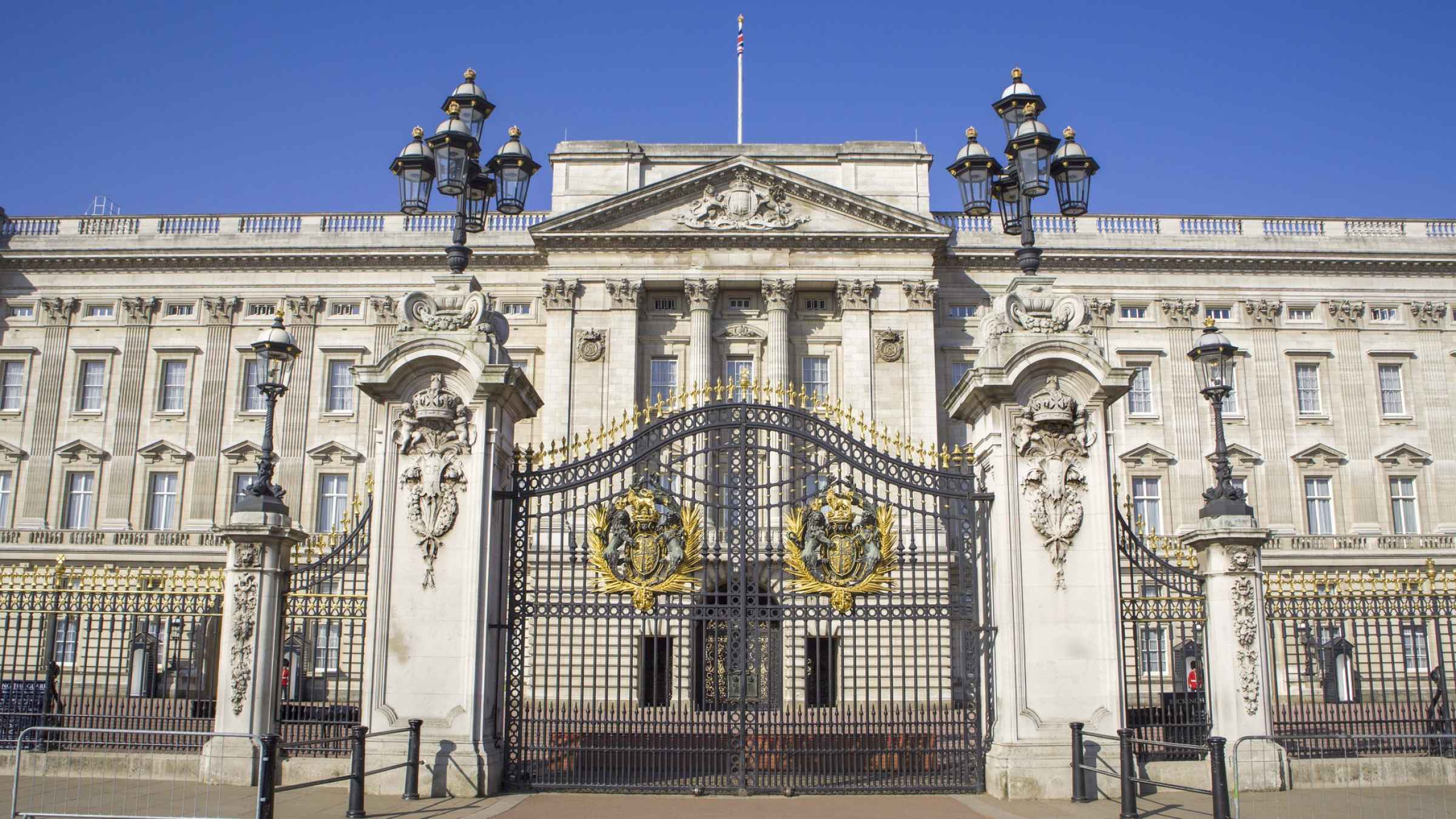
On October 14, 2018, the body of a 48-year-old man was discovered within the grounds of Buckingham Palace, sparking a significant police investigation. The Metropolitan Police ultimately classified the death as unexplained but not suspicious, highlighting the complex intersection of royal security, public mental health, and the challenges of monitoring 39 acres of private palace gardens.
The Events of October 14, 2018: A Timeline of Discovery
The incident began on a Sunday morning, typically a time of high activity around the palace due to the Changing of the Guard and heavy tourist traffic. At approximately 11:45 AM, staff or security personnel discovered the body of a man in the palace gardens. This area, while secluded from the public by high walls and sophisticated surveillance, is a vast ecosystem of lawns, lakes, and wooded areas.
Upon the discovery, the Metropolitan Police were immediately notified. Officers from the Royalty and Specialist Protection (RaSP) command—the elite unit responsible for the safety of the Sovereign and the royal family—secured the area. A police cordon was established within the gardens, visible to some observers from higher vantage points outside the walls, though the general public outside the gates remained largely unaware of the unfolding situation.
The man was pronounced dead at the scene. At the time of the discovery, Queen Elizabeth II was not in residence at Buckingham Palace; she was staying at Windsor Castle, which is her standard practice for weekends. The absence of the monarch did not lessen the severity of the security review, but it did shift the immediate focus from physical protection to investigative procedure.
Investigative Procedures: Defining "Unexplained but Not Suspicious"
In the immediate aftermath, the Metropolitan Police issued a statement declaring the death "unexplained but not suspicious." To the general public, this terminology can be confusing. In the context of British policing, an "unexplained" death means that the cause of death is not immediately apparent—there is no obvious medical history to explain it, nor is there an obvious cause like a road traffic accident.
However, the "not suspicious" label indicates that investigators found no initial evidence of foul play, third-party involvement, or a struggle. This classification typically points toward a natural medical event, an accident, or a tragic instance of self-harm.
For an incident occurring on royal property, the investigative bar is significantly higher. The police must not only determine the cause of death but also conduct a thorough "post-incident' security audit. They had to determine:
- Point of Entry: How and where the individual accessed the restricted grounds.
- Duration: How long the body had been in the gardens before discovery.
- Surveillance Gaps: Why motion sensors, CCTV, or foot patrols did not intercept the individual earlier.
The Security Framework of Buckingham Palace
Buckingham Palace is one of the most heavily fortified private residences in the world. Its security is a multi-layered system designed to deter, detect, and delay intruders. Understanding the 2018 tragedy requires an analysis of these layers and how they can, on rare occasions, be bypassed.
The "Ring of Steel" and Perimeter Defenses
The perimeter consists of high stone walls topped with climbing deterrents, including rotating spikes and electronic pressure sensors. In addition to physical barriers, the palace utilizes an extensive network of CCTV cameras with infrared capabilities, allowing for 24-hour monitoring of the 39-acre estate.
The Role of Royalty and Specialist Protection (RaSP)
RaSP is a branch of the Metropolitan Police Service. Unlike the ceremonial Guardsmen in red tunics and bearskin hats—who are active-duty soldiers providing a secondary layer of security—RaSP officers are plainclothes or uniformed police armed with modern weaponry and communication tools. They are responsible for the actual law enforcement and security sweeps of the grounds.
Internal Monitoring
The gardens are not merely empty space; they are used for garden parties and official functions. However, during the "off-season" or on weekends when the monarch is away, the frequency of foot patrols in the more densely wooded areas of the garden may vary. The 2018 tragedy highlighted the difficulty of monitoring the entire 39-acre expanse with 100% certainty at every second, especially in areas with heavy foliage.
Historical Context: Notable Palace Security Incidents
The 2018 discovery was not the first time a tragedy or a major breach occurred at the palace. To understand the gravity of the 2018 event, it must be compared to previous incidents that shaped modern royal security protocols.
| Year | Incident Type | Details | Outcome |
|---|---|---|---|
| 1982 | Security Breach | Michael Fagan famously entered the Queen’s bedroom. | Major overhaul of palace security; police replaced soldiers as primary interior guards. |
| 2011 | Discovery of Remains | The skeleton of Robert Moore was found on an island in the palace lake. | He had been dead for approximately three years before discovery; highlighted gaps in garden monitoring. |
| 2013 | Armed Intruder | A man was arrested inside the State Rooms while they were open to the public. | Review of public tour security and internal motion sensor placement. |
| 2018 | Unexplained Death | Body of a 48-year-old man found in the gardens. | Death ruled not suspicious; focus shifted to mental health and perimeter integrity. |
| 2023 | Controlled Explosion | A man threw shotgun cartridges over the palace gates. | Rapid response by RaSP; demonstrated improved perimeter reaction times. |
Legal Jurisdiction and the Coroner's Role
When a death occurs on royal property, the legal proceedings follow the standard laws of England and Wales, but with specific logistical considerations. The investigation falls under the jurisdiction of the Westminster Coroner’s Court.
The Coroner is an independent judicial officer who must investigate deaths that are violent, unnatural, sudden, or unexplained. In the case of the 2018 tragedy, an inquest would have been opened to formally determine the "who, when, where, and how" of the death.
A key aspect of these inquests, particularly involving royal sites, is determining whether the individual was a "trespasser with intent" or someone suffering from a mental health crisis. Under the Serious Organised Crime and Police Act 2005 (SOCPA), Buckingham Palace is a "designated site," meaning that simple trespass is a criminal offense. However, in cases of death, the legal focus shifts from prosecution to understanding the failure of the security perimeter and the state of mind of the deceased.
The Intersection of Mental Health and Royal Landmarks
High-profile landmarks like Buckingham Palace often act as magnets for individuals experiencing acute mental health crises. This phenomenon, sometimes referred to by psychologists in the context of "Stendhal Syndrome" or simply as a focus for "grandiose delusions," poses a unique challenge for security teams.
Security at the palace is trained not only in combat and surveillance but also in behavioral detection. They look for individuals displaying "fixated" behavior—repeatedly visiting the gates, attempting to deliver strange packages, or showing signs of distress. The 2018 tragedy served as a somber reminder that the palace walls are not just a barrier against those with malicious intent, but also a point of contact for the vulnerable.
Since 2018, there has been an increased collaboration between the Metropolitan Police and mental health practitioners. The Fixated Threat Assessment Centre (FTAC)—a joint police and health service unit—works specifically to identify and manage individuals who obsessively follow or contact the Royal Family. This proactive approach aims to intervene before a "security breach" becomes a "tragedy."
Operational Impacts on the Royal Household
While the death in 2018 was not a direct threat to the lives of the Royal Family, the operational impact was significant. Any discovery of a body on royal grounds necessitates:
- A "Clean Sweep" of the Estate: Ensuring no other individuals or hazardous items are present.
- Review of Staff Clearance: Confirming that no members of the royal household or contractors were involved or missing.
- Audit of Electronic Systems: Checking logs of sensor trips to see if the entry was recorded but ignored.
- Privacy Protection: Ensuring the dignity of the deceased while preventing the "tragedy" from becoming a tabloid spectacle, which could inspire "copycat" attempts.
As of 2026, the protocols established or refined following the 2018 incident remain in place. The transition from the reign of Queen Elizabeth II to King Charles III brought about further security updates, particularly concerning the use of AI-driven surveillance and drone detection, which were in their infancy during the 2018 event.
Frequently Asked Questions
Was the 2018 Buckingham Palace tragedy a suicide?
While the Metropolitan Police do not always publicly release the specific cause of death in "non-suspicious" cases out of respect for the family's privacy, the classification of "not suspicious" and "unexplained" often applies to cases of natural causes or self-harm where no third party was involved.
Did the intruder enter the actual Palace building in 2018?
No. The body was discovered in the gardens, which cover a vast area behind the main palace structure. There was no evidence that the individual ever gained access to the residence or the State Rooms.
How do people manage to climb the Buckingham Palace walls?
Despite the rotating spikes and sensors, determined individuals have used various methods, including scaling nearby trees, using makeshift ladders, or exploiting temporary scaffolding during renovations. Since 2018, many "blind spots" created by foliage or architecture have been addressed with upgraded technology.
What is the Fixated Threat Assessment Centre?
The FTAC is a specialized unit composed of police officers, psychiatrists, and mental health nurses. They assess individuals who display obsessive or "fixated" behavior toward the Royal Family or politicians, often intervening to provide medical help before a security incident occurs.
Who was the man found in the gardens in 2018?
The police identified him as a 48-year-old male but did not widely publicize his name in the initial global reports to protect the privacy of his next of kin, following standard UK police procedure for non-criminal deaths.
Practical Recommendations for Researchers and Visitors
For those researching royal security or the history of Buckingham Palace incidents, it is essential to distinguish between security breaches (where intent is to intrude) and private tragedies (where the location is incidental to a personal crisis).
If you are visiting London and the Palace:
- Observe Security Signage: Respect the boundaries and "No Entry" signs, which are enforced under the Serious Organised Crime and Police Act 2005.
- Be Aware of Surveillance: Understand that the perimeter is monitored by advanced facial recognition and behavioral analysis software as of 2026.
- Report Distressed Individuals: If you notice someone exhibiting signs of a mental health crisis near the palace gates, alert a police officer. The RaSP officers are trained to provide assistance and involve the appropriate medical authorities.
The 2018 tragedy remains a sobering chapter in the palace's modern history, reminding security forces that despite the most advanced technology, the human element—and human suffering—remains a factor that no wall can entirely exclude.