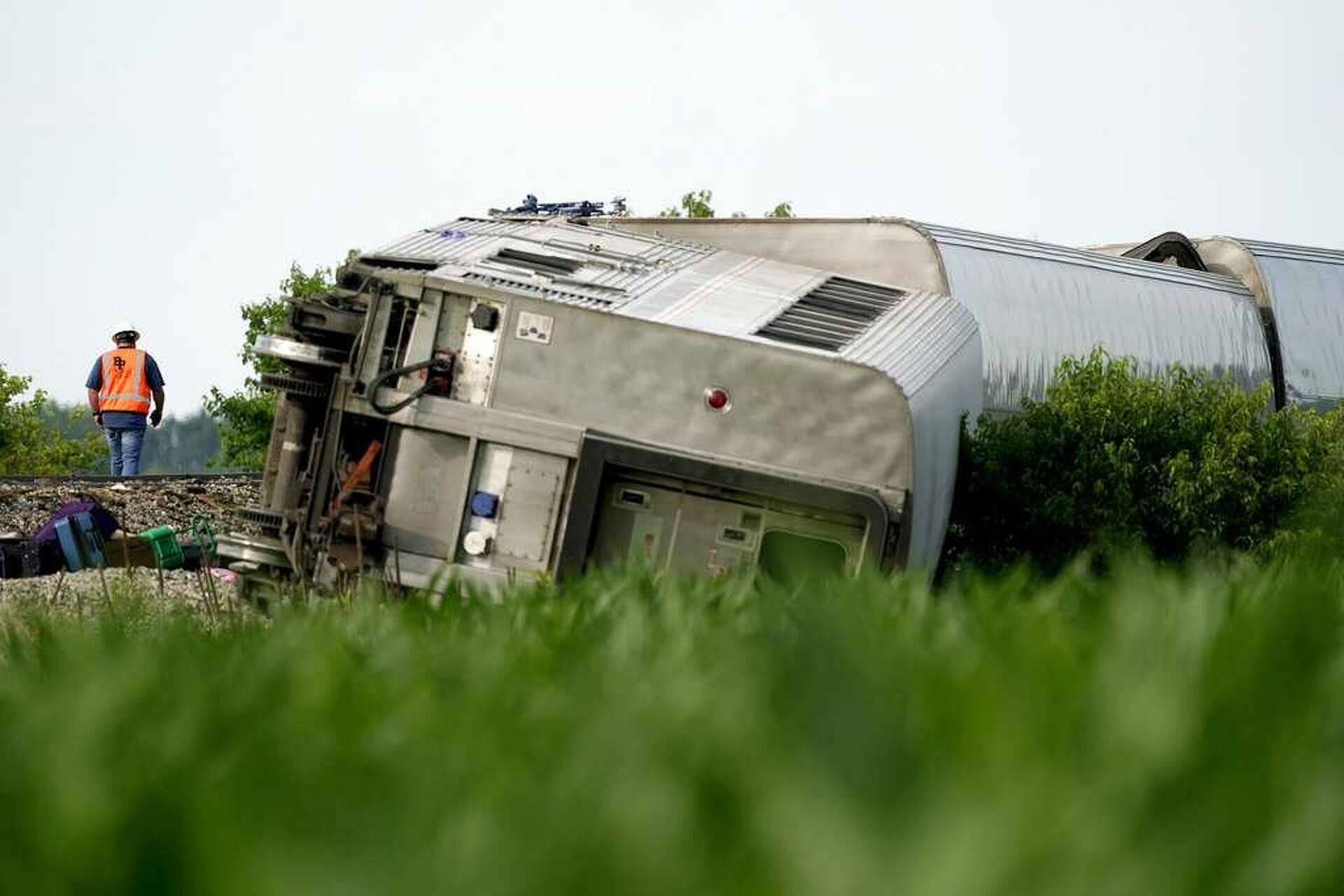
In a significant railway incident that underscores the critical importance of modern rail safety engineering, an Amtrak train derailment resulted in 113 passengers remaining unharmed after a high-impact collision at a public crossing. This event, occurring on the Coast Starlight route, demonstrated the effectiveness of emergency response protocols and the structural integrity of modern passenger rail cars during unforeseen track obstructions.
The incident primarily involved Amtrak Train 14, which was traveling through Moorpark, California, when it collided with a heavy-duty vehicle on the tracks. Despite the derailment of several cars, the vast majority of the passengers were able to evacuate without sustaining injuries. This outcome is a testament to the safety standards implemented across the National Railroad Passenger Corporation (Amtrak) network and the rapid coordination between local fire departments, law enforcement, and rail officials. In the following sections, we will analyze the technical factors that contributed to this survival rate, the specifics of the investigation, and the current state of rail safety as of 2026.
The Chronology of the Moorpark Derailment
To understand how 113 passengers walked away from a potentially catastrophic event, one must look at the sequence of events that transpired on that afternoon. The Amtrak Coast Starlight, a premier long-distance train connecting Los Angeles to Seattle, was moving through Ventura County when it encountered a public works truck positioned on a grade crossing.
The Moment of Impact
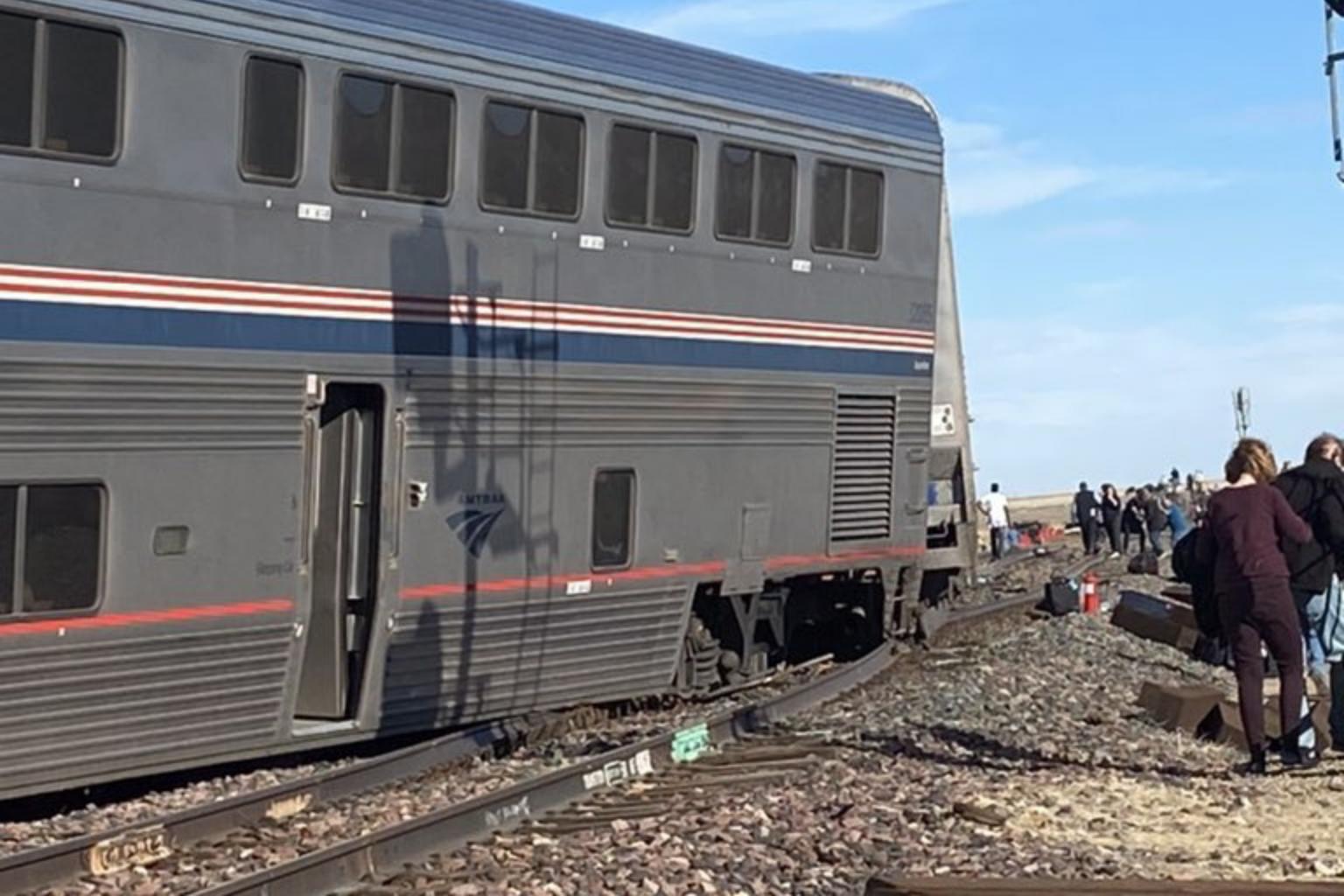
The collision occurred at approximately 11:15 AM. The train was carrying nearly 200 people in total (passengers and crew). Upon hitting the truck, the lead locomotive and several passenger cars derailed, though they remained largely upright. The "113 passengers unharmed" figure specifically highlights the segment of the manifest that required no medical intervention at the scene or at local hospitals.
The force of the impact was significant enough to destroy the truck and push the locomotive off the rails. However, the train's momentum was managed by its heavy-duty suspension and the fact that the tracks in that area were well-maintained, preventing a more violent "pile-up" effect.
Immediate Emergency Response
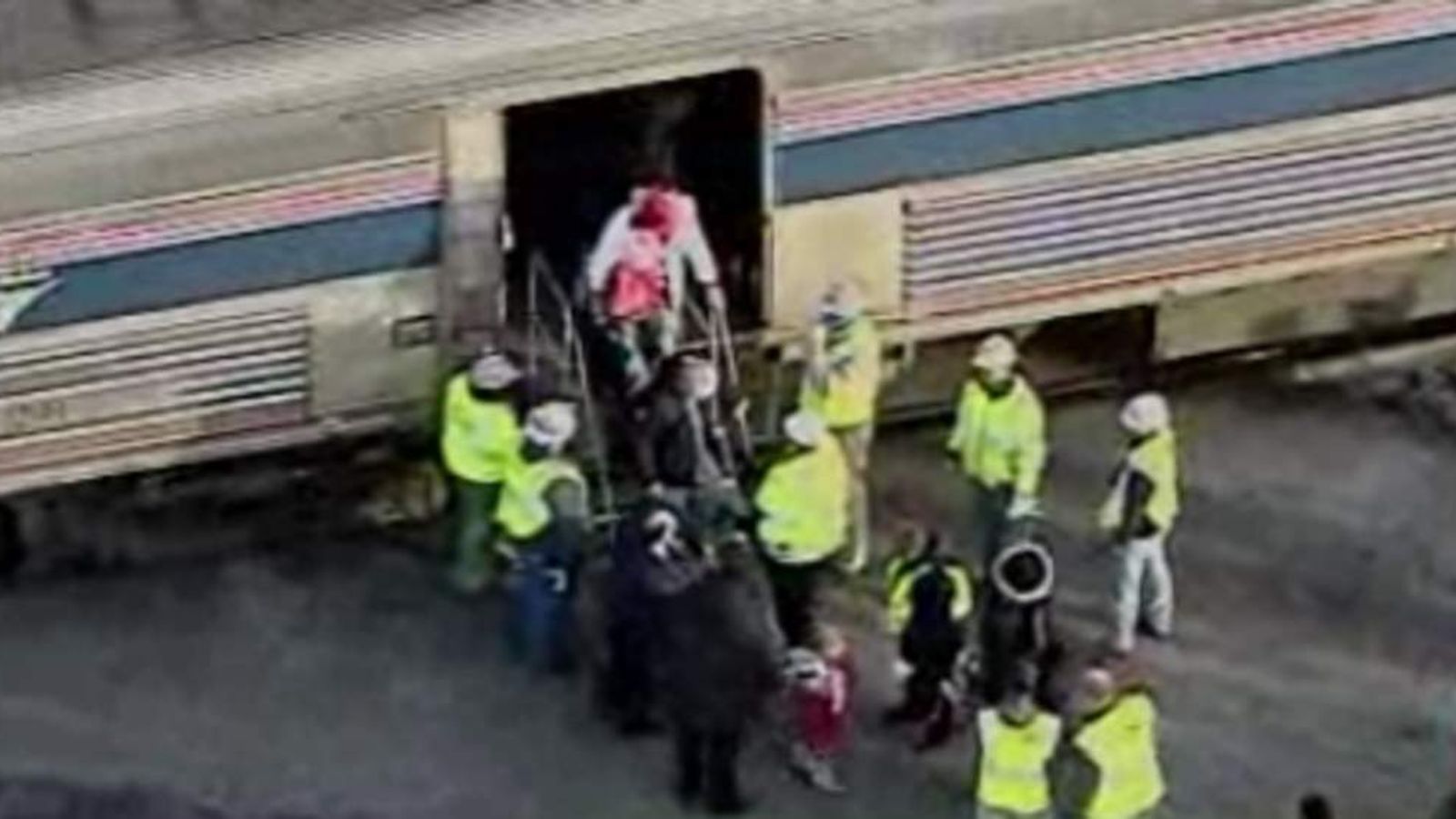
The Ventura County Fire Department (VCFD) and local police responded within minutes. Because the derailment occurred in a relatively accessible area of Moorpark, emergency crews were able to establish a triage center quickly. Passengers were evacuated through emergency windows and doors, which functioned as designed. The 113 individuals identified as unharmed were transported to a temporary reunification center, while others with minor injuries were treated on-site.
Why 113 Passengers Remained Unharmed: Technical Factors
The survival of so many passengers without injury in a derailment is rarely a matter of luck. It is the result of decades of engineering improvements in railcar design and crashworthiness.
Structural Integrity of Superliner Cars
The Coast Starlight typically utilizes "Superliner" bi-level cars. These cars are built with high-strength stainless steel and are designed to withstand massive compressive forces. In the Moorpark incident, the cars did not "telescope"—a term for when one railcar slides into another during a crash. Instead, the coupling mechanisms and the anti-climbing features kept the cars in a line, even as they left the tracks.
Interior Safety Features
One of the primary reasons passengers remain unharmed during a derailment is the "compartmentalization" of the interior. Similar to school buses, modern Amtrak seats are designed to absorb energy and prevent passengers from being thrown long distances. Furthermore:
- Emergency Glass: The windows are designed to be kicked out or removed easily by passengers if the doors are jammed.
- LED Emergency Lighting: Even when the locomotive loses power, independent battery-powered lights guide passengers to exits.
- Luggage Restraints: Overhead bins and luggage racks are designed to prevent heavy bags from falling on passengers during sudden deceleration.
Positive Train Control (PTC) and Speed Management
While Positive Train Control (PTC) is primarily designed to prevent train-to-train collisions and over-speed derailments, its integration into the national network ensures that trains are operating within strict safety parameters. In this case, the train was not exceeding the speed limit for the Moorpark section, which significantly reduced the kinetic energy involved in the collision with the truck.
NTSB Investigation and Findings
The National Transportation Safety Board (NTSB) launched a full investigation into the derailment to determine why the vehicle was on the tracks and how similar incidents can be prevented.
Grade Crossing Vulnerabilities
The investigation centered on the "passive" or "active" status of the grade crossing. Grade crossings remain the single most dangerous point of interaction between trains and the public. The NTSB analyzed the timing of the crossing arms (if present) and the visibility for both the truck driver and the train engineer.
The Role of the Engineer
The engineer's actions in the seconds before impact were scrutinized. Records indicated that the emergency brakes were applied, which helped scrub off vital miles per hour before the collision. This split-second decision-making is a core component of Amtrak's safety training, contributing directly to the high number of unharmed passengers.
Recommendations for 2026 Safety Standards
Following the incident, the NTSB issued several recommendations that have influenced rail policy into 2026:
- Enhanced Obstacle Detection: Implementation of AI-driven cameras at high-traffic grade crossings to alert engineers of obstructions earlier.
- Truck Driver Education: Increased federal oversight on public works and commercial drivers regarding "low-clearance" or "high-bottom" vehicles at rail crossings.
- Inward-Facing Cameras: Mandatory use of inward-facing cameras to monitor crew alertness and performance during critical incidents.
Comparative Analysis of Amtrak Safety Incidents
To put the "113 passengers unharmed" figure into context, it is helpful to compare this incident with other notable derailments.
| Incident Location | Year | Primary Cause | Total Passengers | Number Unharmed/Minor Injuries |
|---|---|---|---|---|
| Moorpark, CA | 2023 | Truck Collision | ~198 | 113+ |
| Joplin, MT | 2021 | Track Failure | 141 | ~90 |
| Dupont, WA | 2017 | Over-speed | 77 | < 10 |
| Philadelphia, PA | 2015 | Over-speed | 238 | ~30 |
Note: Data reflects official NTSB reporting and historical news archives.
As the table shows, incidents involving collisions at grade crossings (like Moorpark) often result in higher "unharmed" rates than over-speed derailments on curves, because the train is usually traveling on a straight track and the cars are less likely to roll over or lose structural shape.
Rail Safety Infrastructure in 2026
As of 2026, the landscape of American rail safety has evolved significantly since the 2023 derailment. Thanks to the Infrastructure Investment and Jobs Act (IIJA) and subsequent safety mandates, several new technologies have been deployed.
The Airo Fleet Transition
Amtrak is currently in the midst of transitioning to the "Amtrak Airo" fleet. These new trainsets are designed with even more advanced safety features, including improved crash energy management (CEM) systems that absorb impact even more efficiently than the older Superliner cars involved in the Moorpark incident.
Grade Crossing Elimination Program
One of the most effective ways to ensure passengers remain unharmed is to remove the possibility of collisions entirely. In 2026, federal grants have successfully funded the elimination of hundreds of at-grade crossings, replacing them with overpasses or underpasses. This "separation of grades" is the gold standard for rail safety.
Real-Time Monitoring Systems
Newer locomotives are equipped with LIDAR and thermal imaging that can see obstructions on the tracks in foggy or night-time conditions far better than the human eye. These systems provide the engineer with an extra 10–15 seconds of braking time, which can be the difference between a minor derailment and a tragic accident.
Practical Guidance for Rail Passengers
While train travel remains one of the safest modes of transportation—statistically much safer than driving—passengers should still be prepared for emergencies.
How to Prepare Before Your Trip
- Locate the Exits: As soon as you board and find your seat, locate the nearest emergency exit window or door. They are clearly marked with red handles.
- Read the Safety Card: Much like airplanes, Amtrak trains have safety cards. These provide specific instructions on how to operate exit mechanisms.
- Keep Your Shoes On: During a derailment, glass and debris may be on the floor. Keeping your shoes on during the trip (or at least having them nearby) ensures a faster and safer evacuation.
Actions During a Derailment
- Brace Yourself: If you hear the emergency brakes or feel a violent vibration, tuck your head and grab the seat in front of you.
- Stay Calm: Panic often leads to more injuries than the accident itself. Wait for the train to come to a complete stop before attempting to move.
- Avoid the Tracks: Once you have evacuated the train, move at least 50–100 feet away. There is a risk of fire or other trains passing on adjacent tracks.
- Follow Crew Instructions: Amtrak crew members are trained in emergency evacuation. They will direct you to the safest assembly point.
Frequently Asked Questions
How common are Amtrak derailments?
While they generate significant news coverage, derailments are statistically rare compared to the millions of miles Amtrak trains travel each year. Most "derailments" are minor incidents in rail yards where a wheel leaves the track at low speed. High-speed mainline derailments, like the one in Moorpark, are infrequent and usually involve external factors like vehicles on the tracks.
Why did the Moorpark derailment not result in fatalities among the 113 passengers?
The primary reasons were the train's upright position after the derailment, the moderate speed at the time of impact, and the robust construction of the passenger cars. Because the cars did not flip or crush, the interior "survival envelope" remained intact, allowing passengers to stay in their seats until the train stopped.
Who is responsible for safety at rail crossings?
Responsibility is shared. The railroad company (Amtrak or the freight company that owns the tracks) is responsible for maintaining the signal equipment. However, the local or state government is often responsible for the road approach and the signage. The driver of the vehicle has the ultimate responsibility to obey signals and never stop on the tracks.
Is Amtrak travel safer in 2026 than in previous years?
Yes. With the full implementation of Positive Train Control (PTC) across the national network and the ongoing rollout of the Airo fleet and improved infrastructure, the technical risks of rail travel have reached historic lows. The focus in 2026 has shifted heavily toward grade-crossing elimination and advanced obstacle detection.
What should a passenger do if they are "unharmed" but shaken?
Even if you are among the 113 passengers who sustained no physical injuries, a derailment is a traumatic event. It is recommended to contact Amtrak customer relations for support and to monitor yourself for signs of post-traumatic stress. Most rail companies provide resources or counseling referrals for passengers involved in such incidents.
Final Recommendation: Enhancing Personal Safety
For travelers in 2026, the best course of action is to remain an informed and vigilant passenger. While the engineering behind the "113 passengers unharmed" outcome is impressive, individual preparedness remains a key factor. Always stay alert during departures and arrivals, keep your carry-on items stowed properly to prevent them from becoming projectiles, and always respect the "No Trespassing" signs near rail tracks to help prevent these incidents from occurring in the first place.