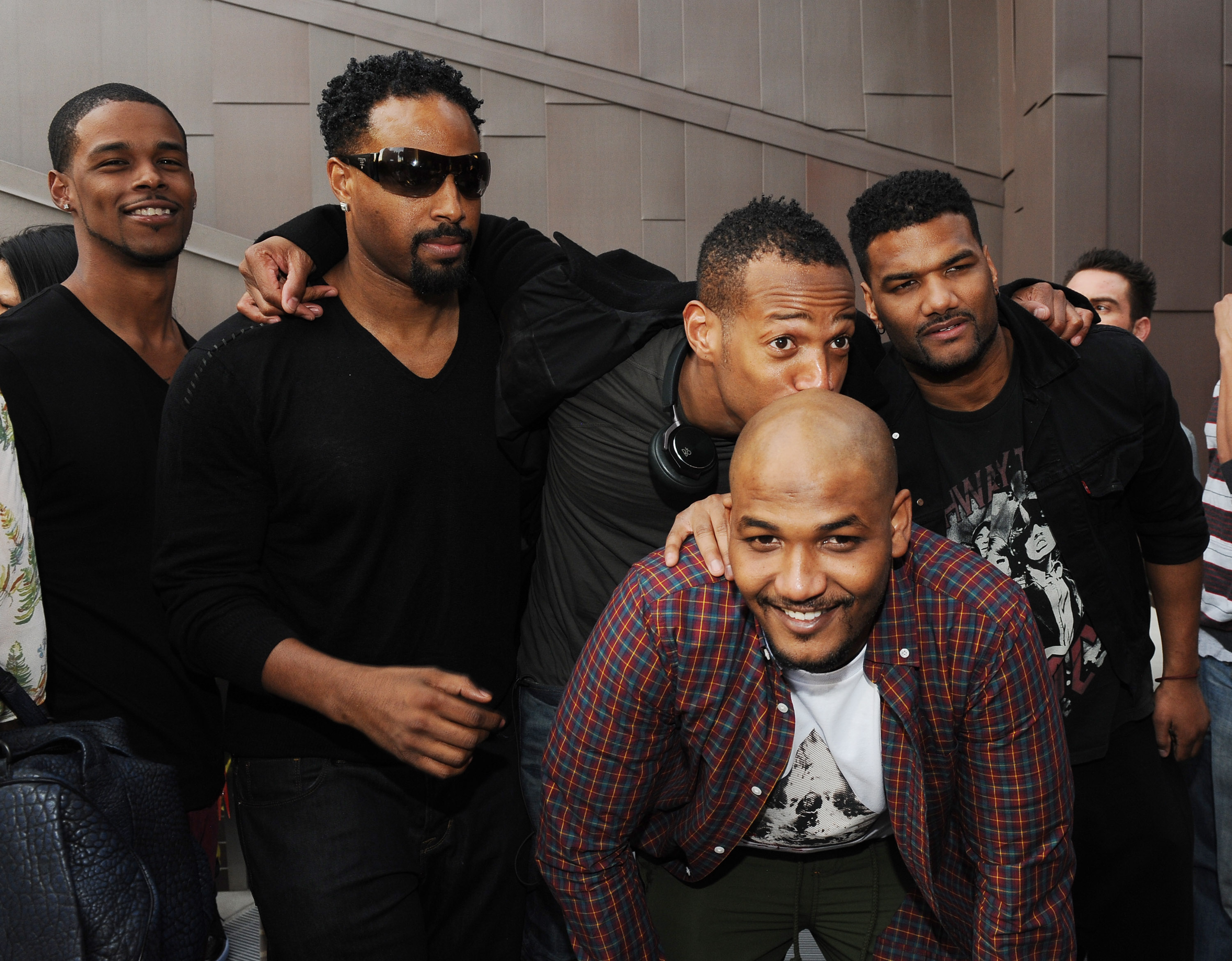
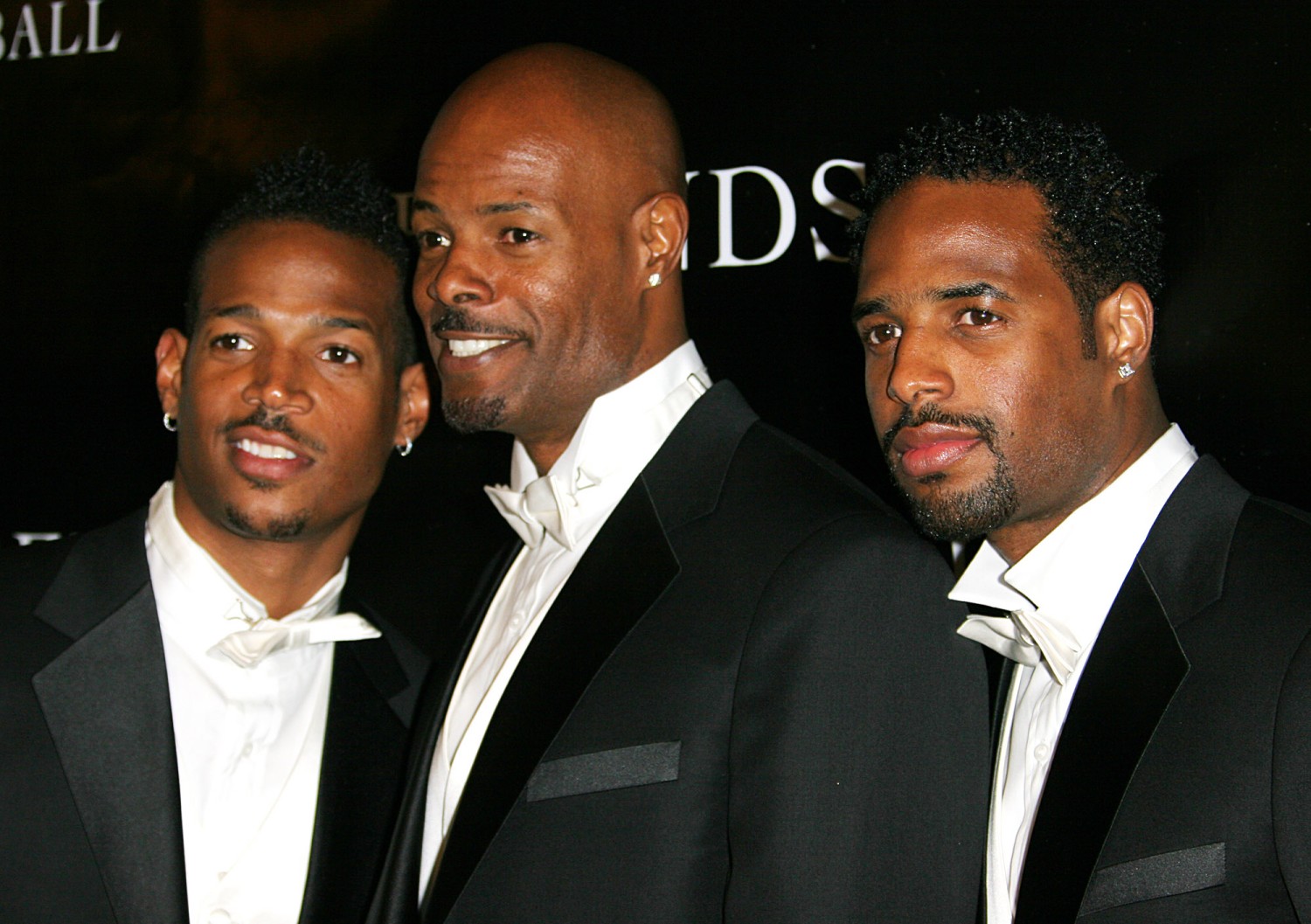
The Wayans brothers were raised in a devout Jehovah’s Witness household in New York City, a foundation that significantly shaped their legendary comedic careers. While the siblings frequently credit the religion for their discipline and tight-knit family bond, most of the brothers, including Keenen Ivory, Damon, Shawn, and Marlon, are not currently active practicing members of the faith.
The story of the Wayans family is one of the most remarkable in Hollywood history. With ten siblings—all of whom have found success in the entertainment industry to varying degrees—the family is often referred to as a "dynasty." Central to their narrative is their upbringing in the Fulton Houses in Chelsea, Manhattan, under the strict guidance of their parents, Howell and Elvira Wayans. To understand whether the Wayans brothers are Jehovah’s Witnesses today, one must look at the intersection of their religious roots, their public statements, and the inherent tensions between the requirements of the faith and the demands of a high-profile career in comedy.
The Foundation: Howell and Elvira Wayans’ Faith
The religious identity of the Wayans family begins with the patriarch, Howell Wayans, and the matriarch, Elvira Wayans. Howell worked as a supermarket manager, while Elvira was a social worker and homemaker. Together, they raised ten children in a small apartment, relying heavily on the structure and moral framework provided by the Jehovah’s Witnesses.
Jehovah’s Witnesses are known for their distinct beliefs, which include a refusal to celebrate holidays or birthdays, a neutral stance on political affairs, and an emphasis on door-to-door evangelism. For the Wayans children, this meant growing up in a household where discipline was paramount. The parents utilized the religion to keep their children away from the dangers of the streets in 1970s and 80s New York City. The family attended meetings at the Kingdom Hall several times a week and participated in "field service," the practice of sharing their beliefs with neighbors.
In interviews, the brothers have often reflected on how this upbringing created a "fortress" around the family. Because they did not participate in the typical social rituals of their peers—such as school holiday parties or sports—they leaned on one another for entertainment. This isolation is frequently cited as the catalyst for their comedy; they spent their time making each other laugh because they had limited social outlets outside the family and the congregation.
Transitioning from the Kingdom Hall to Hollywood
As the older brothers, particularly Keenen Ivory Wayans, began to seek careers in entertainment, a natural friction developed between the tenets of the Jehovah’s Witnesses and the secular world of show business. The religion generally discourages the pursuit of fame, wealth, or higher education that might distract from service to God. Furthermore, the content of comedy—often involving satire, adult themes, and the questioning of authority—can be seen as inconsistent with the modest and humble lifestyle expected of a Witness.
Keenen Ivory Wayans was the pioneer of the family, moving to Los Angeles to pursue stand-up comedy and acting. His success with projects like Hollywood Shuffle and eventually the groundbreaking sketch show In Living Color opened the doors for his siblings. During this transition, the strict adherence to the lifestyle of a Jehovah’s Witness began to fade for the older brothers. While they maintained a deep respect for their parents’ beliefs, the lifestyle requirements of the faith—such as regular meeting attendance and the prohibition of certain types of social interaction—became incompatible with the schedule and environment of a television producer or film star.
Marlon Wayans: Faith, Comedy, and the "God Loves Me" Perspective
Marlon Wayans, the youngest of the siblings, has perhaps been the most vocal regarding the family’s religious history. In his stand-up specials and interviews, he often discusses the "trauma" and "triumph" of being raised as a Jehovah’s Witness. He describes a childhood where he felt like an outsider because he couldn't celebrate Christmas or blow out birthday candles.
However, Marlon’s perspective is nuanced. He has frequently stated that he views his parents as "saints" and credits their faith with keeping the family together and out of trouble. In his 2023 special God Loves Me, and continuing into his 2026 commentary, Marlon explores the idea that while he may not follow the strict dogma of the Watchtower Society, he maintains a personal relationship with God. He often uses religious themes in his work, not necessarily to mock the faith itself, but to highlight the absurdity and challenges of growing up in a high-control religious environment.
Marlon has clarified that he is not a practicing Jehovah’s Witness today. He celebrates birthdays and holidays with his children—a practice strictly forbidden for active Witnesses. Nevertheless, the influence of the faith remains in his work ethic and his unwavering loyalty to his family members.
Damon Wayans and the Moral Compass
Damon Wayans, known for In Living Color, Major Payne, and My Wife and Kids, has also distanced himself from the formal practice of the religion while retaining a strong moralistic streak. Throughout his career, Damon has often incorporated themes of family values and personal responsibility into his sitcoms.
During the height of his fame, there were rumors that Damon might return to the faith, especially as he sought more substantive and "cleaner" content in some of his later projects. However, like his brothers, Damon has lived a life largely outside the boundaries of the Jehovah’s Witness community for decades. The religion practices "disfellowshipping" (excommunication) for members who do not follow its moral codes or who choose to leave the faith. While it is unclear if any of the brothers were ever formally disfellowshipped, their public lives and choices (including political involvement and celebrating holidays) signify a definitive break from the organization’s requirements.
Comparing the Wayans Siblings and Their Religious Status
The following table provides a breakdown of the primary Wayans siblings, their roles in the industry, and their public relationship with the Jehovah’s Witness faith as of 2026.
| Family Member | Primary Role | Upraised as JW? | Current Public Association |
|---|---|---|---|
| Keenen Ivory | Director, Producer, Actor | Yes | Non-Practicing; Credits upbringing for discipline. |
| Damon | Actor, Stand-up Comic | Yes | Non-Practicing; Values the family structure provided. |
| Kim | Actress, Producer | Yes | Non-Practicing; Focuses on secular creative projects. |
| Shawn | Actor, Writer | Yes | Non-Practicing; Often parodies religious themes. |
| Marlon | Actor, Producer, Comic | Yes | Non-Practicing; Vocal about the impact on his childhood. |
| Howell (Father) | Patriarch | Yes | Remained a Witness until his passing in 2023. |
| Elvira (Mother) | Matriarch | Yes | Remained a Witness until her passing in 2020. |
The Impact of Upbringing on Wayans Comedy
The "outsider" status of being a Jehovah’s Witness in a secular world is a common thread in the comedy of the Wayans brothers. This perspective is a powerful tool for satire. When you are raised in a community that views the rest of the world as "temporary" or "worldly," you develop a keen eye for the oddities of mainstream culture.
- Observation Skills: Growing up, the brothers had to explain their lack of participation in school activities constantly. This required them to observe social norms from the outside, a prerequisite for great comedy.
- Work Ethic: The Jehovah’s Witness faith emphasizes "endurance" and constant work (preaching). The brothers translated this into a relentless work ethic in Hollywood, often writing, producing, and starring in their own projects to maintain creative control.
- Family Unity: Because the religion discourages close associations with "the world," the Wayans siblings became each other's best friends and business partners. This is why you rarely see a Wayans project that doesn't feature multiple family members.
Common Misconceptions About the Wayans and the Faith
There are several misconceptions regarding the family’s current status. One common myth is that the brothers still follow the "no holiday" rule. In reality, Marlon and Shawn have both posted on social media about celebrating Christmas and birthdays with their families.
Another misconception is that the brothers are "anti-religion." This is also inaccurate. In many interviews, they speak with a high degree of reverence for their parents' devotion. They view the religion as the vehicle that saved their family from the cycle of poverty and crime that affected many of their neighbors in Chelsea during the 1970s. Their critique is usually directed at the experience of being a child in the faith rather than the people who practice it.
The Legacy of Howell and Elvira
With the passing of Elvira in 2020 and Howell in 2023, the family has reflected deeply on their parents' legacy. While the children moved away from the Kingdom Hall, the parents remained active members of the Jehovah’s Witnesses until their deaths. This created a unique family dynamic where the world-famous, wealthy children continued to support and love their parents, despite the massive ideological gap between their Hollywood lifestyle and their parents’ humble, religious life.
This tension is a recurring theme in the brothers' later work. It explores the universal struggle of honoring one's parents while forging an independent path. The Wayans brothers may not be Jehovah's Witnesses in the eyes of the Watchtower Society, but the DNA of the faith—its discipline, its focus on the "inner circle," and its rejection of status quo thinking—is visible in everything they do.
Frequently Asked Questions
Do any of the Wayans brothers still attend Kingdom Hall meetings?
As of 2026, there is no public evidence that any of the famous Wayans brothers (Keenen, Damon, Shawn, or Marlon) are active members of a Jehovah’s Witness congregation. Their lifestyles, including their participation in political discourse and secular holiday celebrations, are inconsistent with active membership.
Why did the Wayans family join the Jehovah’s Witnesses?
Howell and Elvira Wayans sought structure and moral guidance for their ten children while living in a challenging urban environment. The religion provided a strict framework that emphasized family unity, discipline, and avoidance of secular "temptations," which the parents believed would help their children succeed.
Have the Wayans brothers ever been disfellowshipped?
Disfellowshipping is a formal process where a member is expelled from the congregation for unrepentant "sin" or for choosing to leave. While the brothers have not publicly confirmed whether they were formally disfellowshipped, their departure from the faith's requirements typically results in "disassociation" or disfellowshipping if they were once baptized members.
How did the religion affect their comedy?
The religion made them "outsiders" from a young age. Because they couldn't participate in birthdays, holidays, or school dances, they spent their time at home creating their own entertainment. This fostered a unique, family-centric brand of humor and a sharp observational style.
Did Marlon Wayans talk about being a Jehovah's Witness in his stand-up?
Yes, Marlon has used his religious upbringing as a central theme in several stand-up specials. He often jokes about the "misery" of missing out on Christmas and the intensity of his parents' faith, while simultaneously expressing deep love and respect for how that faith shaped his character.
Summary and Next Actions
While the Wayans brothers are not practicing Jehovah’s Witnesses in 2026, the influence of the faith on their lives is undeniable. It was the crucible in which their comedy was formed, providing the discipline and the "outsider" perspective necessary to revolutionize American humor.
If you are interested in learning more about the intersection of religion and the entertainment industry, you might consider:
- Watching Marlon Wayans' stand-up specials, which provide firsthand accounts of his upbringing.
- Researching the biographies of Howell and Elvira Wayans to understand the 1970s New York cultural context.
- Exploring the history of the Jehovah’s Witnesses in the African American community, which has a long and complex relationship with the faith.