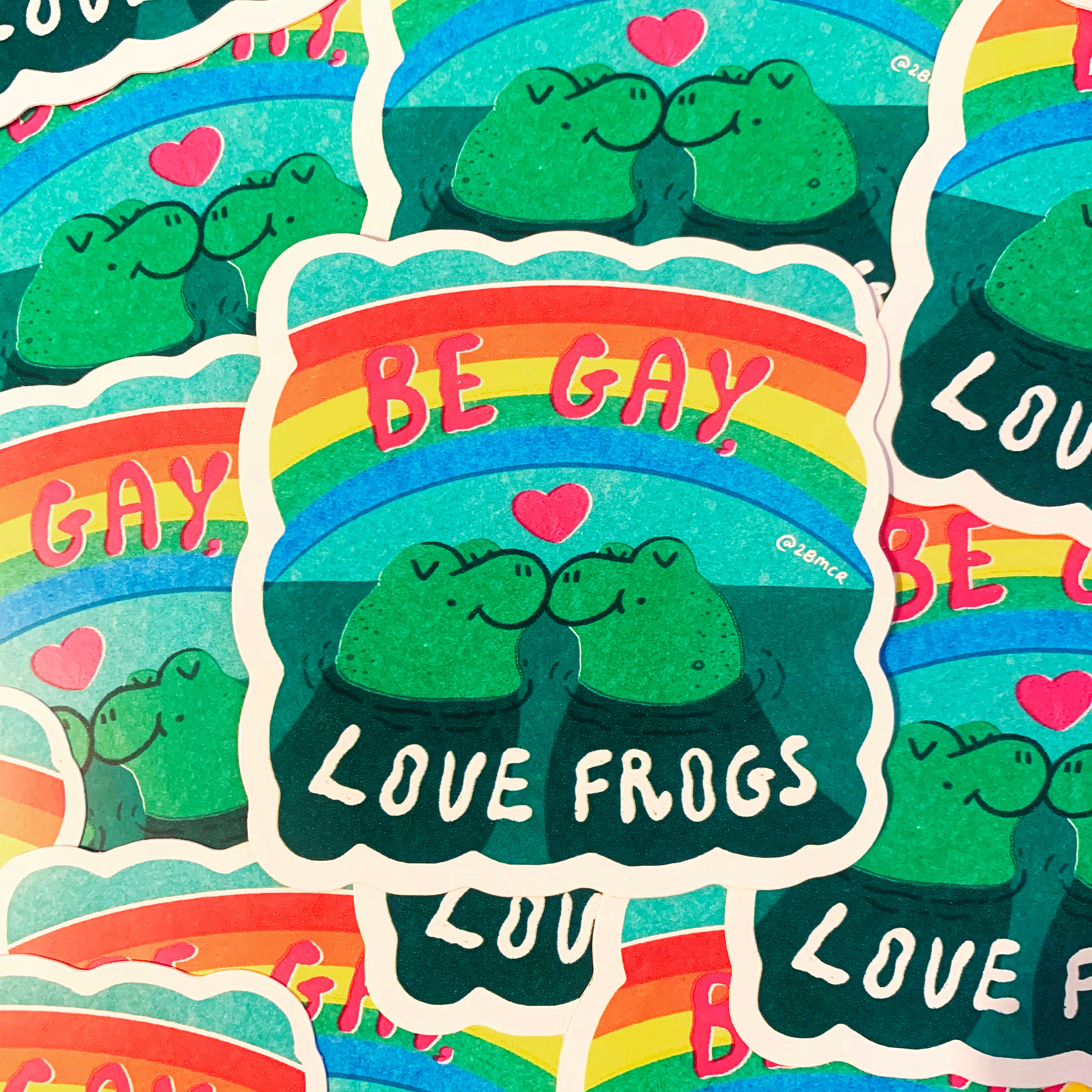
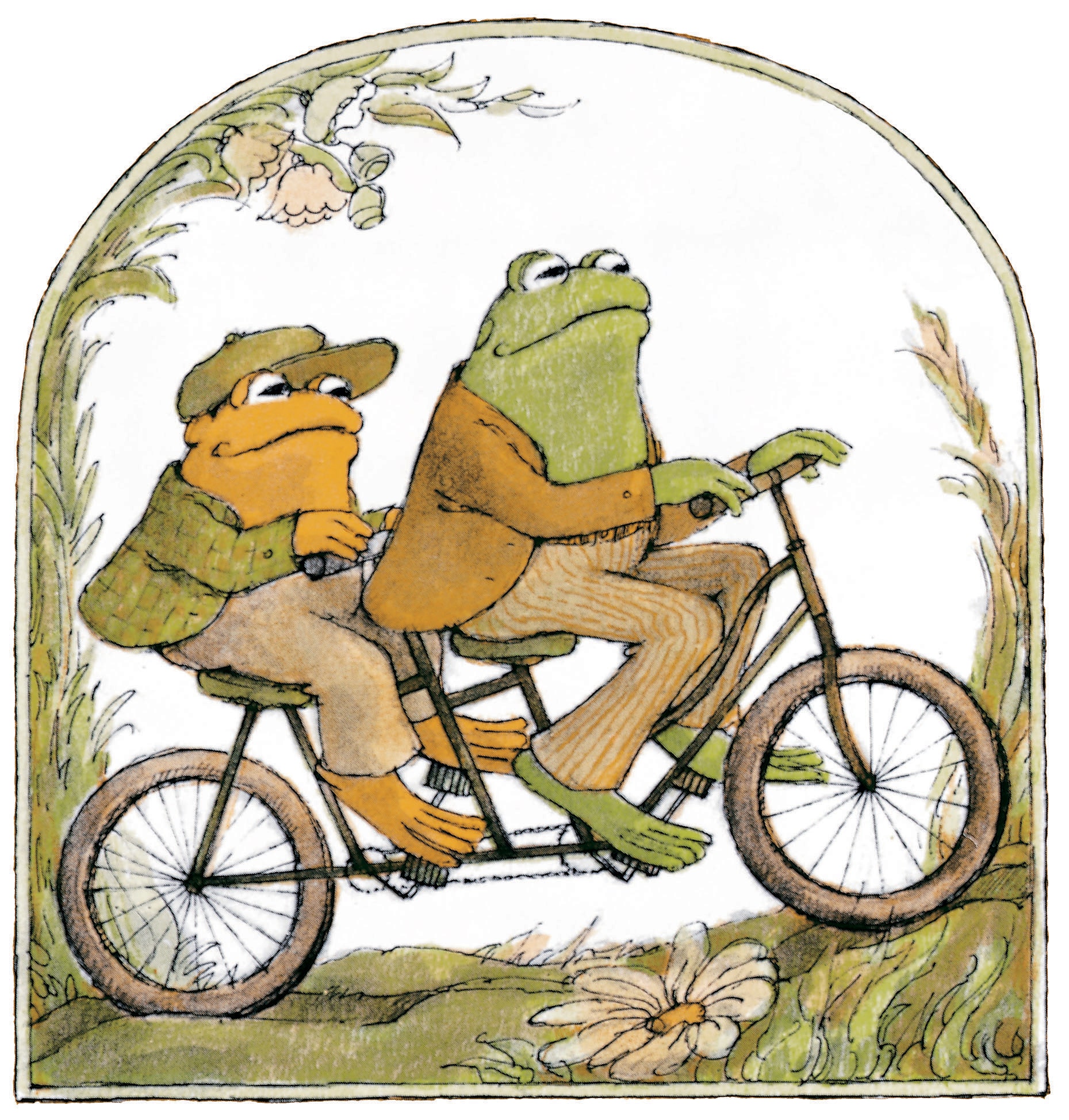
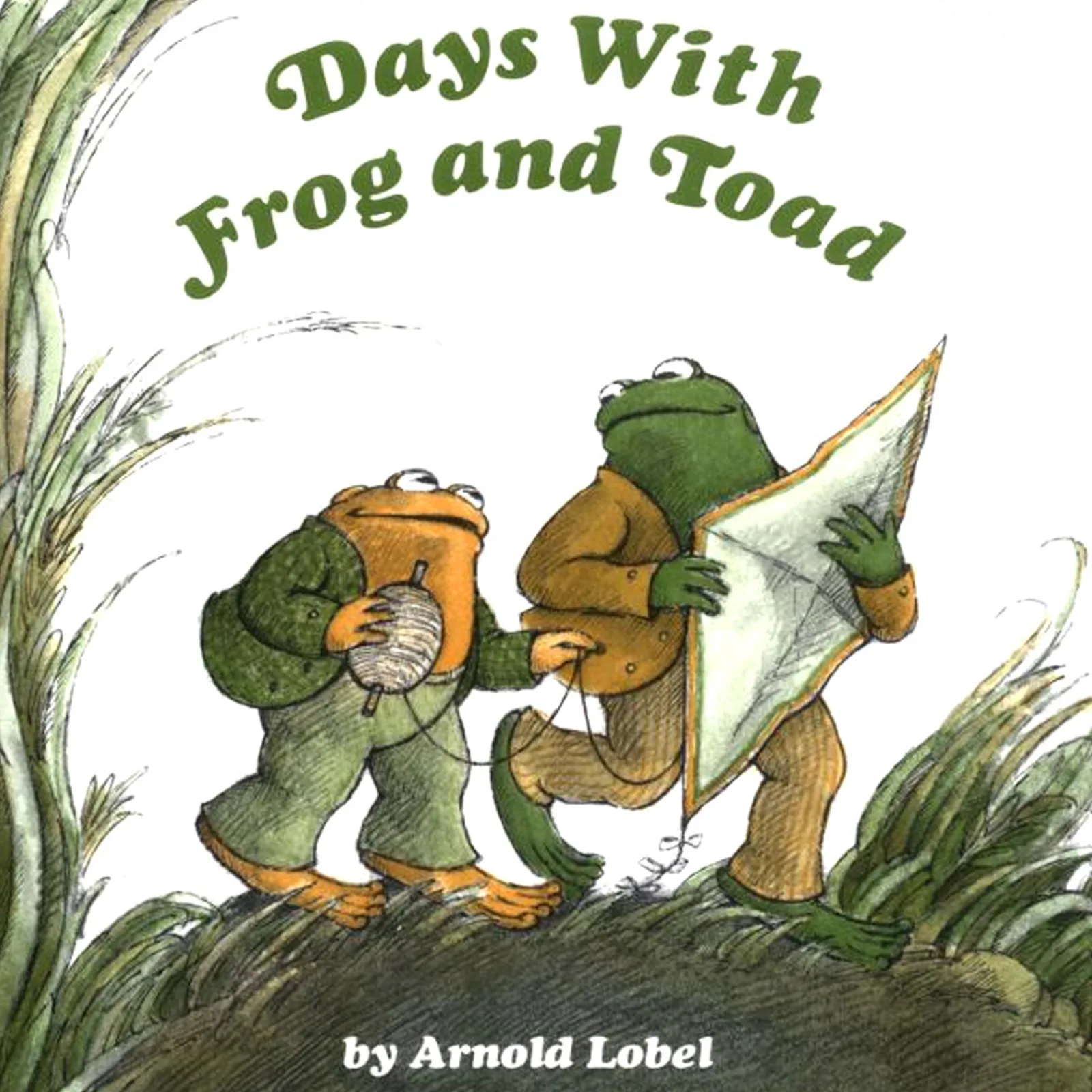
Frog and Toad, the beloved amphibian protagonists of Arnold Lobel’s classic children’s book series, share a deeply affectionate, domestic life that has led generations of readers to ask whether the characters are intended to be a gay couple. While Arnold Lobel never explicitly labeled the characters' sexual orientation during his lifetime, and the stories are framed as a depiction of profound, enduring platonic friendship, the subtext, historical context of the author's life, and contemporary literary analysis have cemented Frog and Toad as enduring queer icons.
To understand the nature of Frog and Toad’s relationship, it is necessary to examine the original texts, the biographical context of their creator, how children's literature handles non-traditional partnerships, and the cultural evolution of their reception.
The Literary Foundation: Who Are Frog and Toad?
Created by author and illustrator Arnold Lobel, Frog and Toad first appeared in the 1970 children’s book Frog and Toad Are Friends. The series spans four core books—including Frog and Toad Together (1972), Frog and Toad All Year (1976), and Days with Frog and Toad (1979)—comprising a collection of short, charming vignettes about two best friends navigating the simple trials of daily life.
In these stories, Frog is taller, more optimistic, and prone to action, while Toad is shorter, more anxious, prone to stubbornness, and fond of heavy meals and sleep. They spend their days walking together, swimming, sharing cookies, writing letters, and looking out for one another.
Crucially, the books establish a domestic rhythm that closely mirrors a committed partnership. They live in separate houses nearby, but a significant portion of their days are spent in shared domestic spaces. They garden together, wait for the mail together, and comfort one another through illness and emotional slumps. While the text consistently uses the word "friends," the emotional depth and physical proximity of their relationship stretch far beyond the typical bounds of casual childhood companionship depicted in mid-century literature.
Arnold Lobel’s Life and Personal Context
A vital piece of the discussion surrounding Frog and Toad’s relationship involves the biography of their creator, Arnold Lobel. Lobel was a married father of two who lived a largely conventional public life during the height of his career. However, behind closed doors, Lobel struggled with his identity as a gay man in an era when homosexuality was heavily stigmatized, professionally perilous, and socially marginalized.
In the late 1970s and early 1980s, Lobel came out to his family and began living openly as a gay man. He separated from his wife, writer and illustrator Anita Lobel, though they remained close until his death from AIDS-related complications in 1987.
When literary scholars and modern readers re-examine Frog and Toad through the lens of Lobel’s biography, the subtext deepens significantly. Anita Lobel has noted in interviews that the characters of Frog and Toad represented aspects of Arnold’s own psyche, as well as an expression of his authentic self that he was only beginning to understand and articulate as he wrote the later books in the series. While the stories were not explicitly designed as an allegory for a gay relationship from page one, they emerged organically from the mind of an artist who was quietly navigating the realities of being a closeted gay man.
Platonic Friendship vs. Queer Subtext: Analyzing the Text
Literary criticism regarding Frog and Toad generally splits into two interpretations: a celebration of deep, platonic male intimacy, or an interpretation of the pair as a domestic, queer couple.
| Interpretation | Key Supporting Evidence | Cultural & Literary Significance |
|---|---|---|
| Platonic Friendship | The text explicitly refers to them as "friends." Their interactions mirror classic models of buddy literature, emphasizing loyalty, patience, and mutual support without romantic or sexual elements suitable for young children. | Promotes the idea that emotional intimacy, vulnerability, and domestic sharing are essential for healthy male friendships, challenging toxic masculinity. |
| Queer Subtext / Partnership | They share a domestic routine, care for each other in sickness, manage household tasks together, and display a level of emotional commitment typically reserved for romantic partners in literature. | Provides early, comforting representation for LGBTQ+ readers and mirrors the realities of queer chosen family structures. |
Examining these two viewpoints reveals that they are not necessarily mutually exclusive. In many ways, the brilliance of Lobel’s writing lies in its universality. Children read the books and see a pure depiction of friendship, while adults—particularly queer adults—read the books and recognize the quiet, domestic choreography of a life built alongside a chosen partner.
The Evolution of Frog and Toad as Queer Icons
Over the decades, Frog and Toad have transitioned from simple characters in early reader books to bona fide cultural icons within the LGBTQ+ community. This shift accelerated in the 21st century as readers and internet culture embraced the wholesomeness, gentle humor, and unwavering loyalty displayed by the amphibious pair.
Social media platforms frequently feature memes, fan art, and critical essays celebrating Frog and Toad as an inspirational domestic couple. For many queer individuals who grew up without visible representation in media, projecting a romantic or partnership dynamic onto Frog and Toad served as a comforting, accessible form of validation.
Furthermore, institutional recognition has reinforced this reading. In 2023, a Broadway musical adaptation titled Frog and Toad received acclaim, and contemporary publishers frequently highlight the timelessness of their bond. While official adaptations and estate publications continue to categorize them as best friends, the cultural consensus among modern adult fans firmly places them in the pantheon of beloved queer-coded literary figures.
| Book Title | Publication Year | Notable Themes Relevant to Their Dynamic |
|---|---|---|
| Frog and Toad Are Friends | 1970 | Patience, mutual support, validating each other's emotional states. |
| Frog and Toad Together | 1972 | Willpower, sharing fears, domestic cooperation, writing love-adjacent letters. |
| Frog and Toad All Year | 1976 | Seasonal changes, enduring presence through cold winters and warm summers. |
| Days with Frog and Toad | 1979 | Aging, mortality subtext, deep domestic interdependence, quiet companionship. |
Frequently Asked Questions
Did Arnold Lobel intend for Frog and Toad to be gay?
Arnold Lobel never stated during his lifetime that Frog and Toad were intended to be a gay couple. He wrote the stories while coming to terms with his own sexuality, and the characters are explicitly textually defined as best friends. However, the emotional authenticity of their domestic bond reflects Lobel’s lived experiences as a gay man.
Are Frog and Toad ever shown in a romantic relationship in the books?
No. The books are written for young children as early readers. There are no expressions of romance, dating, or physical intimacy between Frog and Toad. Their interactions are strictly affectionate, domestic, and platonic, focusing on cooperation, kindness, and mutual care.
Why do people view Frog and Toad as a couple?
Readers often view them as a couple because of their domestic lifestyle. They live near each other, spend almost all their time together, garden, cook, take care of each other when sick, and share a household rhythm that closely resembles a committed, long-term partnership rather than casual friendship.
Does the estate of Arnold Lobel endorse the queer interpretation?
The official literary estate and Lobel’s family have generally embraced the varied ways readers connect with the characters. While preserving the literal text that defines them as friends, family members like Anita Lobel have acknowledged that the emotional core of the stories stems from Arnold’s authentic inner life and personal journey.
Can children understand the deeper subtext of the books?
Children read the books simply as stories about friendship, problem-solving, and loyalty. The deeper subtext regarding queer identity or adult domestic partnerships is typically only perceived by older readers who bring historical and biographical context to the text.
Conclusion and Next Actions
Ultimately, whether Frog and Toad are viewed as devoted best friends or as a domestic queer couple depends entirely on the lens of the reader. The text itself provides a masterclass in empathy, patience, and the beauty of shared companionship, which remains universally resonant. To explore this dynamic further, readers can revisit the original four books by Arnold Lobel, examine biographical works regarding children's literature authors of the 20th century, or explore modern critical essays analyzing queer coding in classic illustrated books.