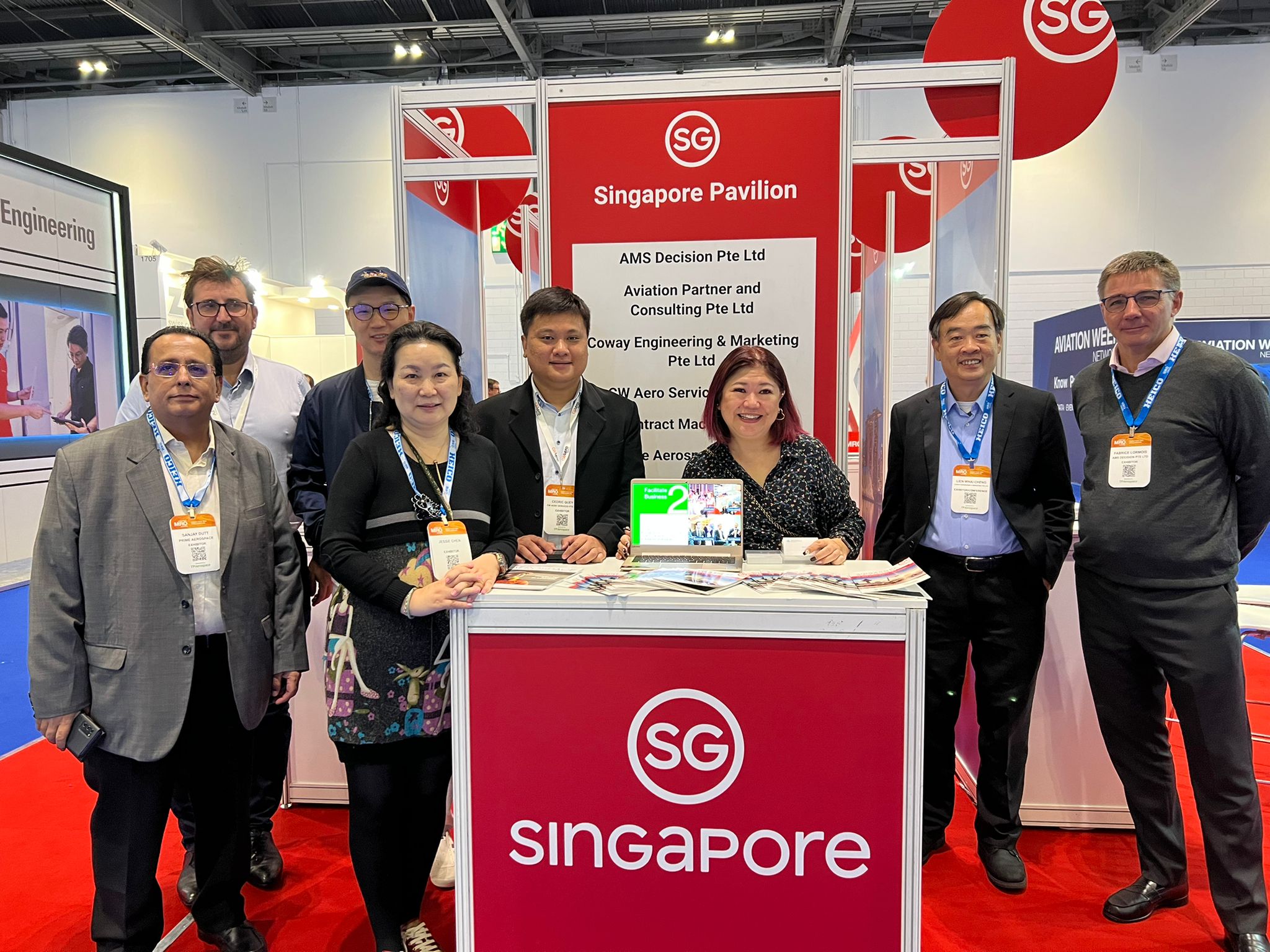
Singapore has established itself as a premier global hub for aerospace maintenance, repair, and overhaul (MRO), manufacturing, and engineering services. Through a combination of government-led strategic planning, a highly skilled workforce, and a pro-business environment, the nation continues to expand its role in the global aviation value chain, focusing heavily on sustainability, advanced manufacturing, and digital transformation to maintain its competitive edge in the 2026 landscape.
The Foundations of Singapore’s Aerospace Ecosystem
The growth of Singapore’s aerospace sector is not accidental; it is the result of decades of industrial policy directed by the Economic Development Board (EDB) and the Agency for Science, Technology and Research (A*STAR). By positioning itself as a reliable, high-tech node in the Asia-Pacific region, Singapore has attracted a concentration of original equipment manufacturers (OEMs), Tier 1 suppliers, and specialized MRO providers.
The strategy relies on three pillars: infrastructure, talent, and connectivity. The Seletar Aerospace Park (SAP) serves as the heart of this ecosystem, providing a dedicated 320-hectare facility that integrates runways with industrial workshops, office spaces, and logistics support. This co-location of aerospace giants—such as Rolls-Royce, Pratt & Whitney, and Collins Aerospace—creates a cluster effect that fosters collaboration and streamlines the supply chain for complex aviation components.
Key Segments Driving Industry Growth
Aerospace development in Singapore is categorized by distinct service lines, each serving as a pillar for the national economy. Understanding these segments is essential for stakeholders looking to engage with or invest in the local market.
Maintenance, Repair, and Overhaul (MRO)
Singapore maintains a dominant share of the Asian MRO market. This segment is characterized by high precision and strict regulatory compliance, overseen by the Civil Aviation Authority of Singapore (CAAS). As aircraft technology shifts toward more complex, composite-heavy structures, Singaporean firms have invested heavily in automation and digital diagnostics to ensure rapid turnaround times, which are critical for global airline efficiency.
Advanced Manufacturing and Engineering
Beyond maintenance, Singapore has transitioned into a hub for aerospace manufacturing. This includes the production of engine parts, flight control systems, and landing gear. The move toward "Industry 4.0" is evident in the adoption of additive manufacturing (3D printing) for metallic components, which reduces material waste and allows for the creation of complex geometries that traditional casting cannot achieve.
Research and Development (R&D)
R&D activities are primarily focused on two fronts: sustainability and digital flight operations. Given the global aviation industry’s net-zero targets, Singapore is investing in Sustainable Aviation Fuel (SAF) research and the development of energy-efficient propulsion systems. Collaborative research centers, often partnerships between universities like Nanyang Technological University (NTU) and global aerospace corporations, ensure that Singapore remains at the forefront of aerospace innovation.
Comparative Overview of Aerospace Capabilities
To understand the scope of development, it is helpful to contrast the various operational capabilities currently active within the Singaporean aerospace sector.
| Capability | Focus Area | Primary Value Proposition |
|---|---|---|
| Engine MRO | Turbofan maintenance | Rapid turnaround and high-precision overhaul. |
| Composite Manufacturing | Structural components | Weight reduction and increased durability. |
| Digital Twin Tech | Predictive maintenance | Minimizing unscheduled aircraft downtime. |
| Supply Chain Logistics | Regional distribution | Optimized parts delivery for APAC fleets. |
| Sustainable Tech | SAF and propulsion | Decarbonization and regulatory readiness. |
Prerequisites for Industry Participation
For companies looking to enter or expand within the Singaporean aerospace ecosystem, adherence to international and local standards is non-negotiable. The regulatory environment is stringent, designed to maintain the highest levels of safety.
- Certification and Compliance: Firms must align with the quality management standards dictated by AS9100. Furthermore, specialized certifications from the CAAS or EASA (European Union Aviation Safety Agency) are mandatory for any entity performing maintenance or manufacturing on aviation-grade components.
- Workforce Development: Success in this sector requires a specialized technical workforce. Companies are encouraged to utilize government-backed training programs, such as those provided by SkillsFuture, to upskill local engineers in automation, data analytics, and composite repair.
- Intellectual Property Protection: Singapore offers one of the world’s most robust intellectual property legal frameworks, which is a significant draw for OEMs seeking to perform high-value R&D without the risk of technology transfer or IP theft.
Challenges and Operational Limitations
While Singapore’s aerospace development is robust, the industry faces specific challenges as of 2026. The most prominent is the land and labor constraint inherent to a small island nation.
- Human Capital Density: With a finite talent pool, firms must compete for skilled engineers. This has driven the industry toward hyper-automation; companies that do not digitize their workflows often find themselves unable to compete on cost or speed.
- Operating Costs: Compared to neighboring regional hubs, Singapore carries higher overhead costs related to rent and specialized labor. Consequently, the value proposition has shifted away from low-cost volume towards high-value, complex engineering that demands high-end expertise.
- Decarbonization Pressure: The global shift toward "green aviation" poses a challenge for traditional MRO providers, who must adapt their facilities and service offerings to support the transition to electric or hydrogen-powered propulsion systems in the coming decades.
Frequently Asked Questions
1. How does Singapore maintain its competitive advantage in aerospace?
Singapore sustains its leadership through the "cluster strategy," which brings together research institutions, training centers, and manufacturers in close proximity. This, combined with a stable legal environment and consistent government investment in technology adoption, allows the sector to adapt faster than its competitors.
2. Is Singapore a leader in sustainable aviation fuel (SAF)?
Yes, Singapore is actively scaling up its SAF capabilities. The government has implemented policies to support the blending and supply of SAF at Changi Airport, aiming to turn the nation into a key regional hub for sustainable aviation operations.
3. What role does A*STAR play in aerospace development?
A*STAR acts as the bridge between academia and industry. It provides the laboratory infrastructure and human expertise required for breakthroughs in materials science, robotics, and digital manufacturing, allowing private companies to de-risk their R&D investments.
4. Are international companies required to partner with local firms?
There is no mandatory requirement for local partnerships, but it is highly encouraged. Collaborating with local suppliers often helps international firms navigate the local ecosystem, access government grants, and integrate more effectively into the regional supply chain.
5. What are the key certifications needed to operate in Singapore?
At a minimum, organizations must meet the AS9100 quality standard. Depending on the service, providers must hold valid certifications from the CAAS for airworthiness and, if applicable, OEM-specific authorizations for the repair of proprietary parts.
Practical Next Steps for Industry Stakeholders
For organizations aiming to enter the Singapore aerospace market, the initial step should be a thorough assessment of the local competitive landscape at the Seletar Aerospace Park. Engage with the Economic Development Board (EDB) to understand current incentives related to R&D and digital transformation. If you are a specialized component manufacturer, seek to establish a "Center of Excellence" that focuses on a niche segment—such as composite repair or predictive analytics—rather than attempting broad-market saturation. Finally, leverage the local ecosystem of academic partners to secure a pipeline of engineering talent, as the ability to recruit and retain high-skill labor remains the most critical factor for long-term viability.