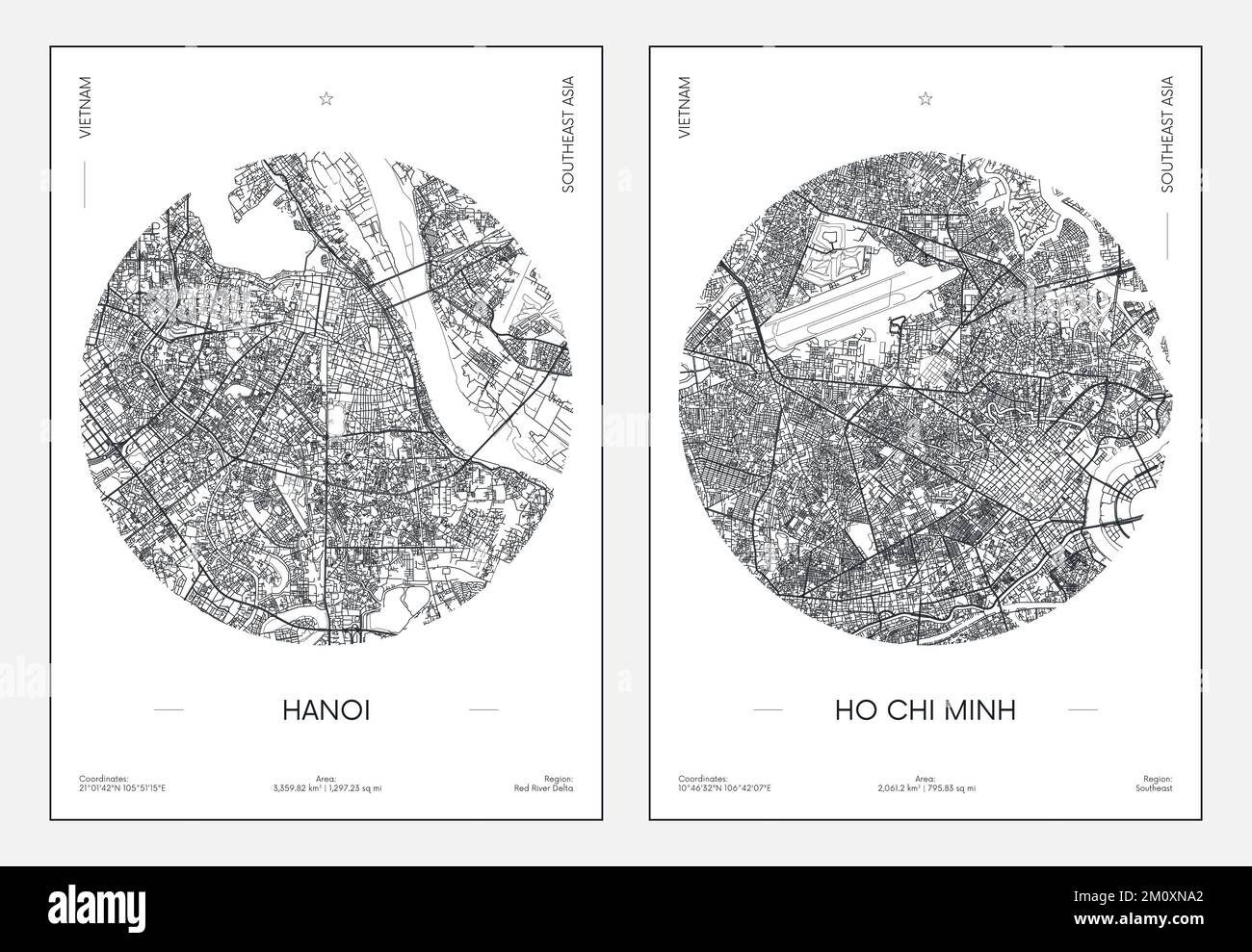
No, Hanoi and Ho Chi Minh City are not the same place. They are two distinct metropolitan areas located at opposite ends of Vietnam. Hanoi is the nation's capital situated in the north, while Ho Chi Minh City (formerly known as Saigon) is the largest economic hub located in the south.
To understand Vietnam is to understand the dynamic between these two "great poles." While they are part of the same country and share a national identity, they differ significantly in climate, history, culture, pace of life, and even language. Separated by approximately 1,720 kilometers (roughly 1,070 miles), they represent the historical and modern bookends of the Vietnamese experience.
The Geographical and Administrative Divide
The most fundamental reason why Hanoi and Ho Chi Minh City are not the same place is their geographical location. Vietnam is a long, narrow country shaped like the letter "S." Hanoi sits in the Red River Delta in the northern region, while Ho Chi Minh City is located near the Mekong Delta in the south.
Hanoi: The Political Capital
Hanoi has served as the capital of the Socialist Republic of Vietnam since the country's reunification in 1976. However, its history as a center of power dates back over a thousand years. As the administrative heart of the country, Hanoi is home to the National Assembly, the Presidential Palace, and all foreign embassies. The city's layout is characterized by its numerous lakes—most notably Hoan Kiem Lake—and the dense, ancient streets of the Old Quarter.
Ho Chi Minh City: The Economic Engine
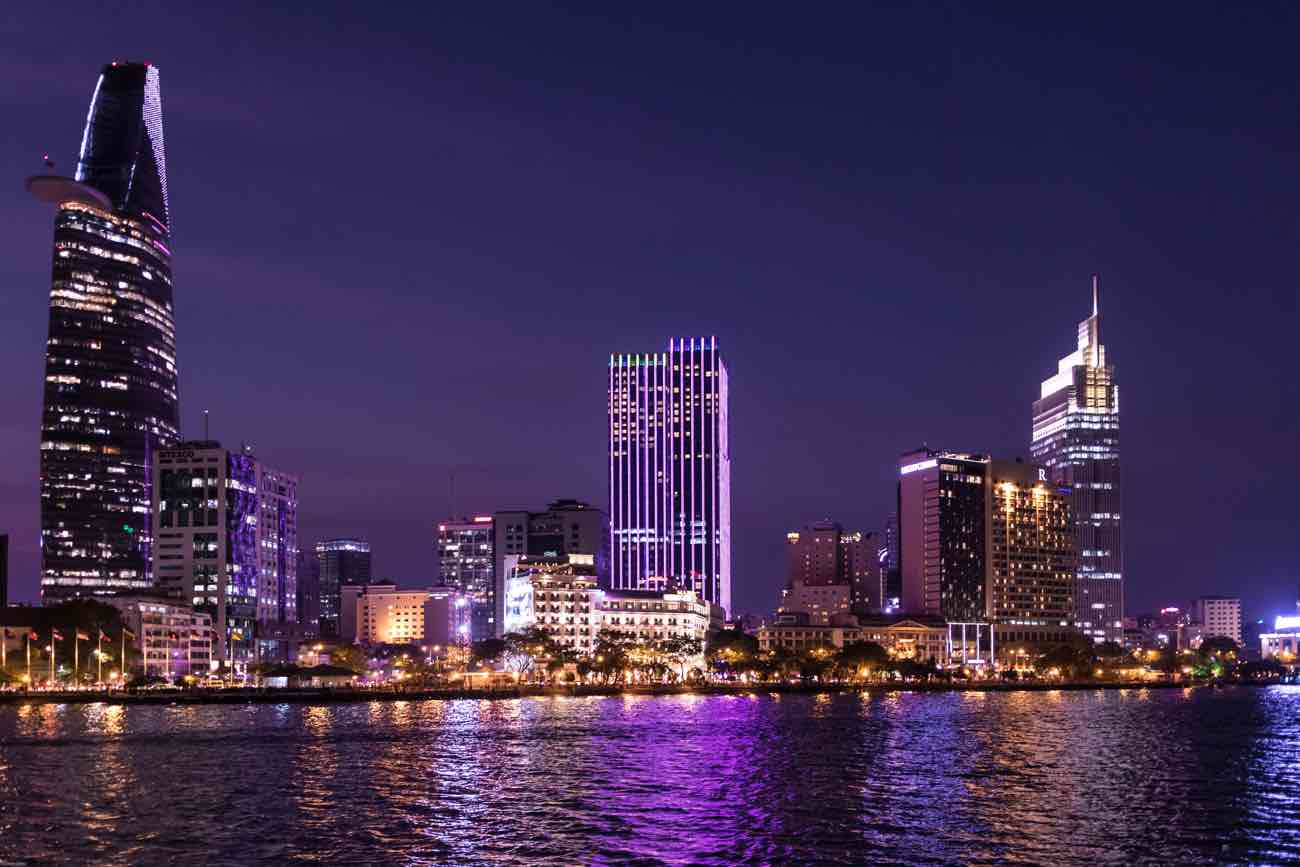
Formerly known as Saigon, Ho Chi Minh City (HCMC) is the largest city in Vietnam by population and economic output. While it is not the political capital, it is undeniably the financial and commercial capital. In 2026, it continues to lead the country in Foreign Direct Investment (FDI) and technological innovation. The city is divided into various districts, with District 1 serving as the central business hub filled with skyscrapers, luxury shopping malls, and colonial-era landmarks.
Historical Evolution: From Thang Long to Saigon
The historical trajectories of these two cities provide deep insight into why they feel so different today. Hanoi is a city of layers, with a history that feels deeply rooted in antiquity. Ho Chi Minh City, by contrast, feels like a city that is constantly reinventing itself.
The Thousand-Year History of Hanoi
Hanoi celebrated its millennium (1,000 years) in 2010. Originally named Thang Long (Rising Dragon), the city has been the heart of Vietnamese resistance and culture for centuries. Its architecture reflects Chinese influence from periods of imperial rule, indigenous Vietnamese styles, and a significant layer of French colonial design. Walking through Hanoi is like walking through a living museum where the Temple of Literature (founded in 1070) stands as a testament to the city's long-standing dedication to Confucian learning.
The Transformation of Saigon into Ho Chi Minh City
Ho Chi Minh City has a much shorter history as a major urban center compared to Hanoi. It began as a small fishing village and Khmer sea port before being developed by the Vietnamese in the 17th century. During the French colonial era, it was known as the "Pearl of the Orient." Following the end of the Vietnam War in 1975, the city was officially renamed Ho Chi Minh City in 1976 to honor the late revolutionary leader. Despite the official name change, many locals and visitors still use the name "Saigon" to refer specifically to the city center (District 1).
Climate and Weather: Four Seasons vs. Tropical Heat
One of the most immediate shocks for travelers moving between the two cities is the weather. Because Vietnam spans multiple latitudes, the climates of the North and South are drastically different.
Hanoi’s Temperate Variability
Hanoi experiences four distinct seasons, which is a rarity in Southeast Asia.
- Winter (December to February): The weather can get surprisingly cold and grey, with temperatures dropping as low as 10°C (50°F). High humidity can make it feel even colder.
- Spring (March to April): A period of transition characterized by light drizzle (known as mưa phùn) and blooming flowers.
- Summer (May to August): Extremely hot and humid, with frequent heavy rain showers.
- Autumn (September to November): Widely considered the most beautiful time to visit, with cool breezes and clear skies.
Ho Chi Minh City’s Tropical Consistency
Ho Chi Minh City is tropical year-round. It does not have a winter. Instead, the year is divided into two main seasons:
- The Dry Season (December to April): Hot and sunny with very little rain. This is peak tourism season for the south.
- The Rainy Season (May to November): Characterized by sudden, heavy afternoon downpours that usually pass quickly but can cause localized flooding. Temperatures rarely drop below 20°C (68°F) even at night.
Cultural Nuances and Local Vibe
The "personality" of each city is perhaps the biggest differentiator for those who live there. Hanoi is often described as the "old soul" of Vietnam, while Ho Chi Minh City is seen as its "beating heart."
The Refinement of Hanoi
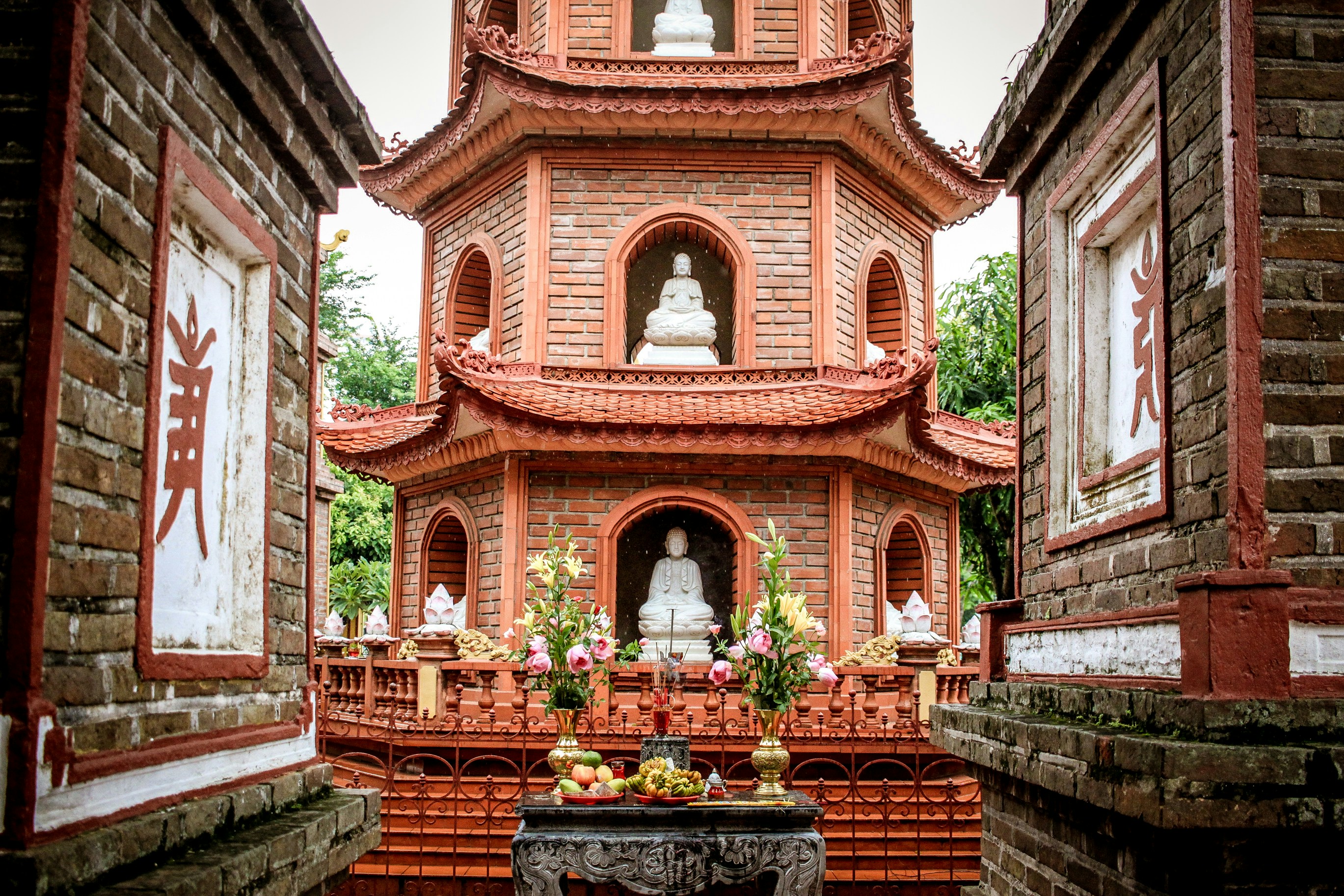
Hanoians are often perceived as more traditional, reserved, and formal. There is a deep respect for hierarchy and social etiquette. Life in Hanoi tends to slow down earlier in the evening; the "sidewalk culture" involves sipping tea (trà đá) or coffee while watching the world go by. The city prioritizes the preservation of heritage, and you will see many more traditional pagodas and communal houses integrated into the urban fabric.
The Dynamism of Ho Chi Minh City
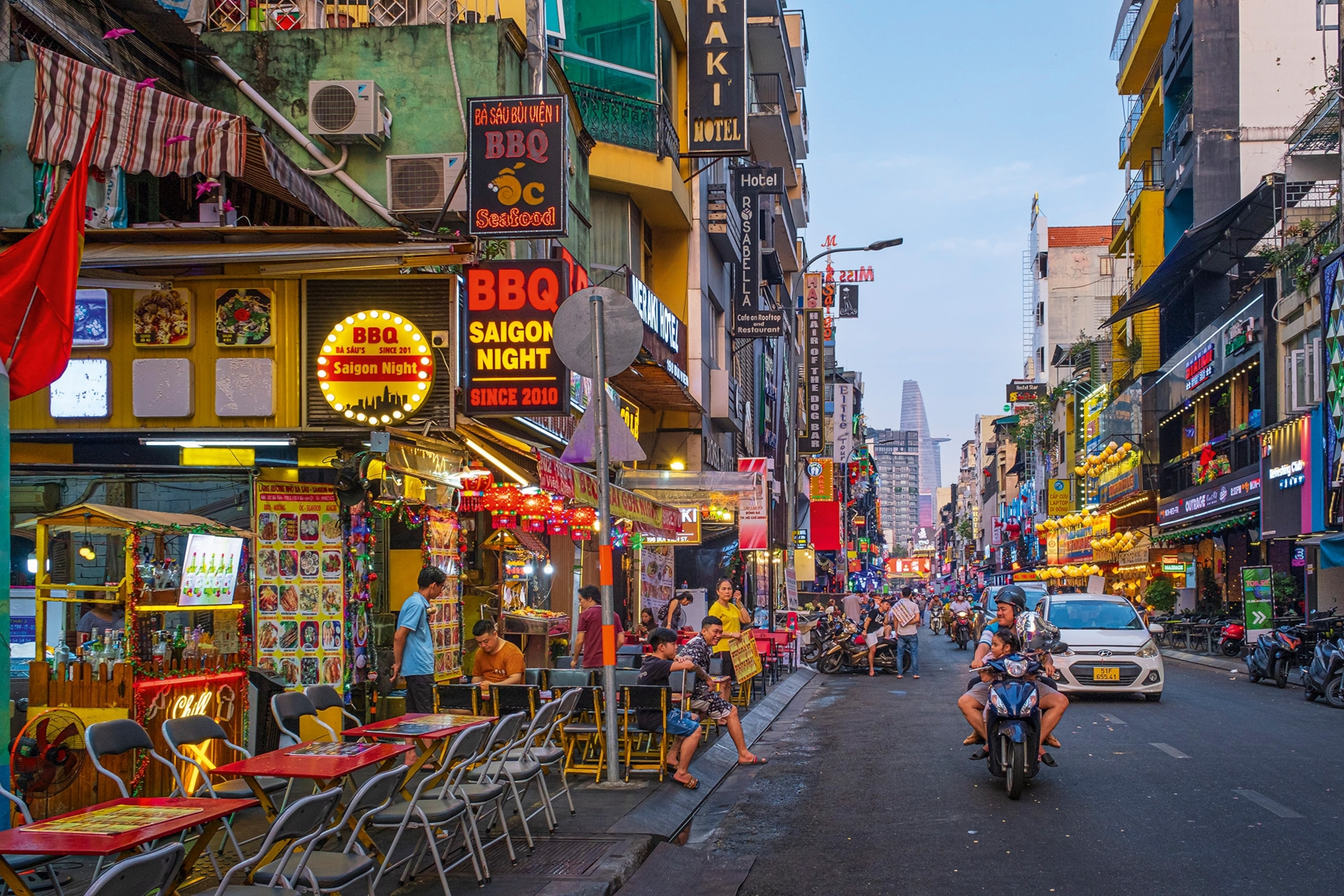
In contrast, Ho Chi Minh City is a city that never sleeps. The culture here is more "Westernized," fast-paced, and entrepreneurial. People in the south are often seen as more direct, open, and casual in their social interactions. The nightlife is legendary, with rooftop bars and pedestrian streets like Bui Vien remaining active until the early hours of the morning. While Hanoi looks toward the past for inspiration, HCMC looks toward the global future.
Culinary Identity: A Tale of Two Kitchens
While you can find "Vietnamese food" in both cities, the flavors and preparations differ significantly. Northern cuisine (Hanoi) tends toward purity and balance, while Southern cuisine (HCMC) favors sweetness and a variety of fresh herbs.
| Feature | Hanoi (Northern Cuisine) | Ho Chi Minh City (Southern Cuisine) |
|---|---|---|
| Flavor Profile | Savory, balanced, subtle saltiness. | Sweet, spicy, bold use of sugar and coconut milk. |
| Signature Dish | Bun Cha (Grilled pork with noodles). | Com Tam (Broken rice with grilled pork). |
| Pho Style | Clearer broth, wider noodles, fewer herbs. | Sweeter broth, thinner noodles, heavy on garnishes. |
| Coffee Style | Egg Coffee (Cà Phê Trứng). | Iced Coffee with Milk (Cà Phê Sữa Đá). |
| Street Food Vibe | Small stalls, localized, traditional. | Diverse, fusion-heavy, massive variety. |
The Nuances of Pho
The national dish, Pho, is the perfect example of this divide. In Hanoi, Pho Bac (Northern Pho) focuses on the clarity and depth of the beef broth; it is rarely served with bean sprouts or hoisin sauce. In Ho Chi Minh City, Pho Nam (Southern Pho) is a more customizable experience, served with a mountain of fresh basil, sawtooth herb, bean sprouts, and various dipping sauces.
Economic Roles: The Political Heart vs. The Commercial Hub
As of 2026, the economic divide between the two cities remains a defining characteristic of Vietnam’s development strategy.
Hanoi remains the center for state-owned enterprises, heavy industry, and government-linked sectors. It is the place where policy is made. If a business needs to navigate complex regulatory frameworks or secure national-level permits, a presence in Hanoi is mandatory. The workforce here is highly educated in public administration and traditional engineering.
Ho Chi Minh City is the hub for startups, logistics, manufacturing, and international finance. It accounts for a disproportionately large share of Vietnam's GDP. The city's atmosphere is one of hustle and "making it happen." In 2026, the tech scene in District 7 and the high-tech parks in the outskirts have made HCMC a regional competitor to Singapore and Bangkok for digital nomads and tech firms.
Language and Communication: Northern vs. Southern Dialects
Though the written language is the same, the spoken dialects are distinct enough that a person from Hanoi and a person from a rural southern province might occasionally struggle to understand each other’s nuances.
- Pronunciation: Northern Vietnamese (Hanoi) is often described as "sharper" or "tighter," with clear distinctions between the six tones. Southern Vietnamese (HCMC) is often described as more "musical" or "relaxed," with certain consonants merging (for example, 'v' and 'd' are often pronounced like a 'y' sound in the south).
- Vocabulary: There are many common objects that have different names. For example, a spoon is thìa in the north but muỗng in the south. An umbrella is ô in the north and dù in the south.
- Politeness: Northern speech often employs more formal honorifics and indirect phrasing, whereas Southern speech is generally more informal and "to the point."
Practical Comparison Table for 2026
For travelers or business professionals planning a visit in 2026, this table summarizes the key logistical differences.
| Category | Hanoi | Ho Chi Minh City |
|---|---|---|
| Primary Airport | Noi Bai International (HAN) | Tan Son Nhat (SGN) / Long Thanh (LTA) |
| Pace of Life | Moderate / Traditional | High / Fast-paced |
| Public Transport | Developing Metro system, extensive buses | Developing Metro, heavy reliance on Grab |
| Best For | History, culture, access to Ha Long Bay | Business, nightlife, access to Mekong Delta |
| English Proficiency | High in tourism areas, moderate elsewhere | Very high in business and tourism sectors |
| Cost of Living | Slightly lower than HCMC | Highest in Vietnam |
| Modernity | Blended (Ancient + Modern) | Highly Modern (Skyscraper-heavy) |
Travel Logistics: Getting from Hanoi to Ho Chi Minh City
Because they are not the same place and are quite far apart, moving between them requires planning.
- By Air: This is the most common method. Flights between Noi Bai (HAN) and Tan Son Nhat (SGN) are among the busiest air routes in the world. The flight takes approximately 2 hours and 10 minutes. In 2026, the opening of phases of the Long Thanh International Airport has helped alleviate congestion for Southern arrivals.
- By Train: The "Reunification Express" connects the two cities. The journey takes between 32 and 36 hours. It is a scenic way to see the Vietnamese countryside, passing through Hue and Da Nang, but it is not a "fast" travel option.
- By Bus: While possible, it is a grueling 38-40 hour journey and is generally not recommended for international tourists unless they are stopping at various coastal towns along the way.
FAQs
Can I see both cities in one weekend?
It is not recommended. While the flight is only two hours, both cities are massive and offer enough culture and activity to fill several days each. Attempting both in a weekend would result in spending more time at airports than experiencing the actual cities. A minimum of three days per city is suggested for a first-time visitor.
Which city is more expensive for tourists?
Generally, Ho Chi Minh City is slightly more expensive than Hanoi. This is reflected in the prices of high-end dining, hotel rates, and nightlife. However, both cities remain very affordable compared to Western or even other East Asian capitals. Local street food and public markets remain reasonably priced in both locations.
Is the name "Saigon" still acceptable to use?
Yes. While the official name is Ho Chi Minh City, "Saigon" is still widely used in daily conversation, especially by locals in the south. Many businesses, including the "Saigon Beer" brand and the "Saigon Railway Station," continue to use the old name. Using either name is acceptable and will not cause offense.
Which city is safer for travelers?
Both cities are generally safe for international travelers, with low rates of violent crime. However, petty theft, such as phone or bag snatching by people on motorbikes, is more commonly reported in Ho Chi Minh City than in Hanoi. In both cities, common-sense precautions—like not holding your phone out near the street—are advised.
Should I visit Hanoi or Ho Chi Minh City if I only have time for one?
It depends on your interests. If you prefer ancient history, traditional culture, and a slightly cooler climate, choose Hanoi. If you prefer a modern urban buzz, world-class dining, rooftop bars, and a starting point for exploring the Mekong Delta, choose Ho Chi Minh City.
Conclusion and Next Actions
Hanoi and Ho Chi Minh City are two distinct worlds within a single nation. To mistake one for the other would be to overlook the rich, complex tapestry of Vietnamese history and modern development. Hanoi offers a glimpse into the soul of Vietnam, while Ho Chi Minh City showcases its ambitious future.
If you are planning a trip to Vietnam in 2026, the best course of action is to visit both. Start in the north (Hanoi) to understand the roots of the culture, then fly south to Ho Chi Minh City to see how that culture is evolving in the 21st century. To prepare, ensure your visa requirements are met via the official Vietnam E-visa portal and book your domestic flights in advance to secure the best rates on the busy Hanoi-SGN corridor.