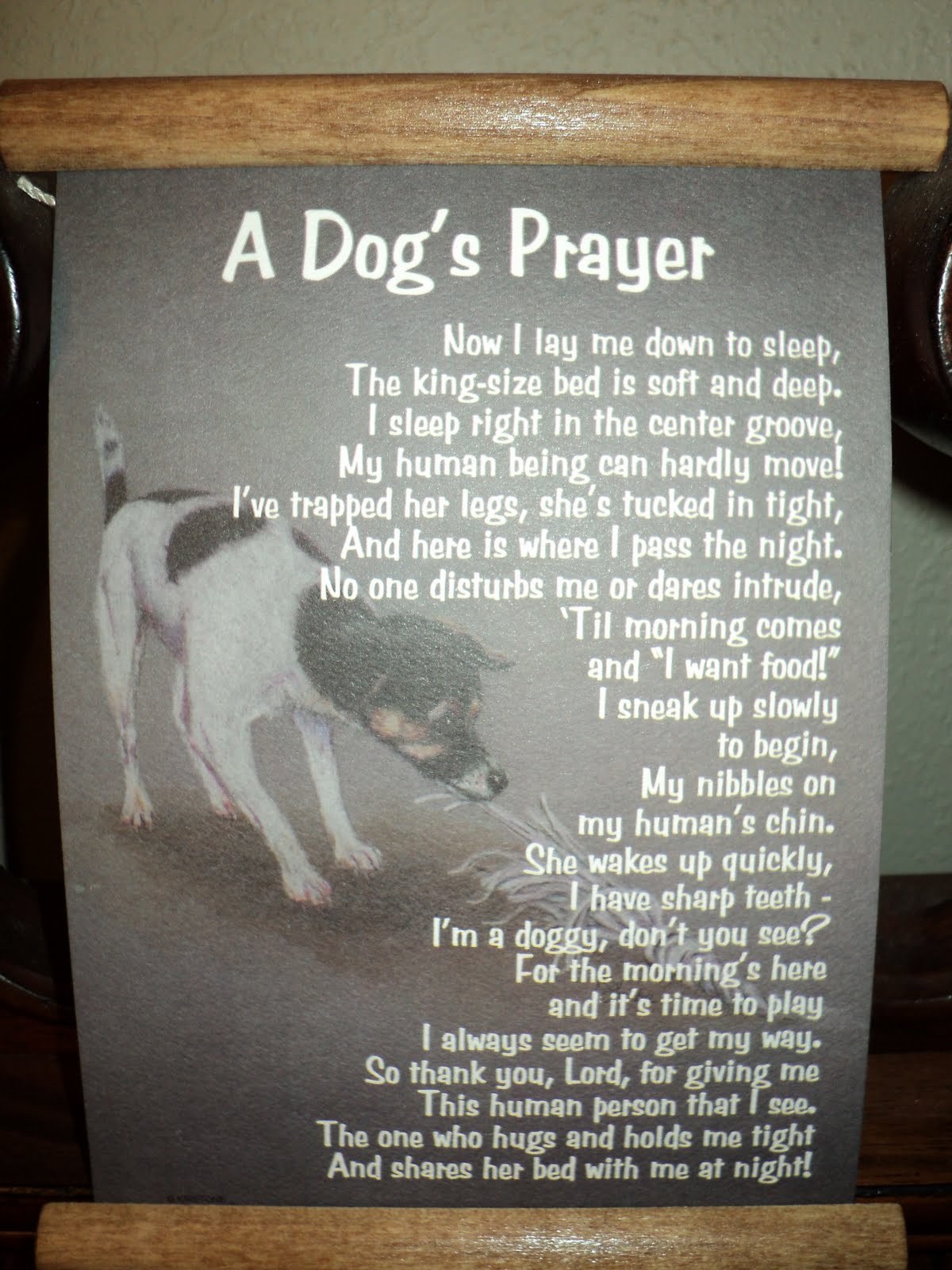
"A Dog’s Prayer" is a poignant prose poem that articulates the silent needs, unconditional loyalty, and emotional world of a dog. It serves as an ethical framework for responsible pet ownership, emphasizing patience, consistent care, and the compassionate duty of a human companion to support their dog through every life stage, including the end.
The origins of "A Dog’s Prayer" are often attributed to Beth Norman Harris, though various iterations have circulated anonymously in veterinary clinics and animal shelters for decades. Regardless of its specific literary lineage, the text remains a cornerstone of animal welfare literature. In 2026, as our understanding of canine cognition and emotional intelligence continues to evolve, the "prayer" remains as relevant as ever. It acts as a bridge between the human experience and the lived reality of a domesticated animal that relies entirely on its owner for survival and emotional well-being.
The Core Philosophy of the Prayer
At its heart, the prayer is not a religious document but a series of requests for empathy. It asks the owner to view the world through the dog's eyes—a world where time moves faster, where language is limited to tone and gesture, and where the human is the center of the universe. To truly honor "A Dog’s Prayer," an owner must move beyond basic husbandry and enter into a partnership based on mutual respect.
The Request for Patience and Understanding
One of the most famous lines in the prayer involves a plea for patience: "My life is likely to last ten to fifteen years. Any separation from you will be painful for me. Remember that before you buy me." This segment highlights the longevity of the commitment. In 2026, with the advancements in canine geriatric medicine, many dogs are living even longer, making this commitment even more significant.
Patience is required most during the training phases. Dogs do not naturally understand human house rules; they must be taught with consistency. When a dog "misbehaves," the prayer suggests that there is often an underlying cause—fear, illness, or simple confusion. An ethical owner investigates the cause rather than resorting to punitive measures. This reflects a modern shift toward positive reinforcement training, which prioritizes the dog’s psychological health alongside its behavior.
The Importance of Communication and Presence
Another critical element is the request for communication: "Talk to me often. Even if I don’t understand your words, I understand your voice when it’s speaking to me." Scientific studies in canine cognition have confirmed that dogs are highly sensitive to human vocal prosody and emotional intent. Talking to a dog isn't just a quirk of "pet parents"; it is a vital part of social enrichment.
Presence is equally vital. Dogs are social pack animals. Isolation is one of the most significant stressors a dog can face. "A Dog’s Prayer" reminds owners that while they have their work, their friends, and their hobbies, the dog only has its owner. This realization should drive owners to provide adequate social interaction and mental stimulation to prevent the development of separation anxiety and boredom-related behaviors.
Physical Care and Ethical Stewardship
The prayer extends into the realm of physical needs, which are the foundation of a dog’s happiness. A dog cannot explain that its teeth ache, that its joints are stiff, or that its diet is causing digestive distress. Therefore, the owner must be a vigilant advocate.
Nutritional and Medical Responsibility
Proper nutrition in 2026 involves more than just a bowl of kibble. It requires an understanding of life-stage-specific requirements, caloric density, and the avoidance of toxic substances. Furthermore, regular veterinary check-ups are the practical fulfillment of the "prayer." Preventative care—vaccinations, parasite control, and dental hygiene—prevents the suffering that the prayer implicitly asks the owner to mitigate.
Shelter and Safety
The prayer often includes a request for comfort: "Take care of me when I get old." This involves more than just medical care; it involves physical environment adjustments. Senior dogs may need orthopedic beds, ramps to navigate stairs, and increased warmth. Providing a safe, temperature-controlled environment is a basic tenet of the prayer that many take for granted until the dog’s physical vulnerabilities become apparent in its later years.
Comparing Canine Requests with Owner Actions
To better understand how to implement the sentiments of "A Dog’s Prayer" in daily life, consider the following table which aligns the "pet’s perspective" with actionable "owner responsibilities."
| The Dog's Request (Sentiment) | Practical Owner Action (Implementation) | Goal of the Interaction |
|---|---|---|
| "Be patient with me." | Use positive reinforcement and consistent cues. | Build trust and reduce anxiety. |
| "Give me time to understand." | Break training into small, manageable steps. | Successful learning and confidence. |
| "Don't be angry for long." | Redirect bad behavior; do not hold grudges. | Maintain a secure emotional bond. |
| "Talk to me." | Engage in daily vocal interaction and play. | Cognitive stimulation and social bonding. |
| "Take care of me when I'm old." | Provide geriatric vet care and mobility aids. | Quality of life in senior years. |
| "Go with me on the final journey." | Be present during euthanasia if necessary. | Providing comfort and final peace. |
The Ethics of the "Final Journey"
Perhaps the most emotional part of "A Dog’s Prayer" is the section regarding the end of life. It asks the owner to stay with the dog when the time comes to say goodbye: "Go with me on this last journey. Never say, 'I can't bear to watch it,' or, 'Let it happen in my absence.' Everything is easier for me if you are there."
This is the ultimate test of the human-canine bond. From a clinical perspective, veterinary professionals almost universally agree that a dog is more relaxed during its final moments when its "person" is present. The dog looks for its owner for cues on how to feel. If the owner is there, providing a calm presence and familiar scent, the dog’s fear is significantly reduced.
In 2026, the options for end-of-life care have expanded. At-home euthanasia services allow the dog to pass in its most familiar and comfortable environment, fulfilling the spirit of the prayer by prioritizing the animal's comfort over human convenience. Making the decision to end suffering is a painful responsibility, but as the prayer suggests, it is the final act of love an owner can perform.
Common Misinterpretations of the Prayer
While the prayer is deeply moving, it is occasionally misinterpreted in ways that can be counterproductive. It is important to distinguish between the sentiment of the prayer and the biological realities of the dog.
- Anthropomorphism: While the prayer gives the dog a "voice," we must remember that dogs are not small humans in fur coats. They have distinct biological drives. Treating a dog exactly like a human child can lead to behavioral issues if their specific canine needs (like scent-work, exercise, and clear hierarchy) are ignored.
- Guilt vs. Responsibility: The prayer should not be used to make owners feel constant guilt, but rather to inspire a sense of stewardship. No owner is perfect. The goal is a "good enough" life filled with love and basic needs, not an impossible standard of 24/7 attention.
- Medical Neglect: Some versions of the prayer emphasize "nature." However, in a domestic setting, "letting nature take its course" often results in prolonged suffering. Modern medicine is a tool that allows owners to fulfill the prayer's request for a life free from unnecessary pain.
The Evolution of the Prayer in 2026
As we move through 2026, the context of "A Dog’s Prayer" is influenced by our increased knowledge of animal welfare. We now have a better understanding of "The Five Freedoms" of animal welfare, which align closely with the prayer:
- Freedom from hunger and thirst.
- Freedom from discomfort.
- Freedom from pain, injury, or disease.
- Freedom to express normal behavior.
- Freedom from fear and distress.
Modern dog owners are increasingly viewing their pets as sentient beings with legal protections. The prayer, once just a poem on a refrigerator, has become a summary of the societal expectations for how we treat our most loyal companions. Whether you have just adopted a puppy or are caring for a lifelong friend in their twilight years, the principles of the prayer remain a reliable compass.
Frequently Asked Questions
Who actually wrote "A Dog's Prayer"?
While the text is often listed as "Anonymous," the most widely recognized version is credited to Beth Norman Harris. It was written in the mid-20th century and gained popularity through its inclusion in various newspaper columns, such as "Dear Abby" and "Ann Landers," and by being distributed by humane societies.
How can I use this prayer to help a grieving friend?
"A Dog’s Prayer" is a common inclusion in sympathy cards or memorial services for pets. It helps grieving owners find solace in the fact that they fulfilled their dog's requests for love and care. Many people find that reading the section on the "final journey" helps them process the guilt often associated with the decision to euthanize a suffering pet.
Does the prayer apply to all dog breeds equally?
Yes, the emotional and ethical sentiments of the prayer are universal across all breeds and sizes. However, the practical application changes. A high-energy Border Collie’s "request" for interaction might involve hours of mental work, while an older Bulldog’s "request" might simply be for a soft spot on the couch near its owner.
Why is the "final journey" section so emphasized?
Veterinarians and animal behaviorists emphasize this because it is the moment of greatest vulnerability for the animal. While it is emotionally difficult for the human, the prayer reminds us that the relationship is not just about our happiness, but about the dog’s safety and comfort throughout its entire life, including its end.
Can "A Dog's Prayer" be used for other pets?
While specifically written about dogs, the core principles of the prayer—patience, life-long commitment, and presence during the end—apply to almost any companion animal, including cats, horses, and small mammals. The underlying message is one of responsible and empathetic stewardship for any life we choose to bring into our homes.
Practical Recommendation for Owners
To honor the spirit of "A Dog’s Prayer," take a moment this week to observe your dog without distraction. Assess their current life stage: Are they getting the mental stimulation they need? Is their physical comfort being maintained as they age? Most importantly, ensure that your communication with them is rooted in kindness rather than frustration. By viewing your daily interactions through the lens of this prayer, you can strengthen the bond of trust and ensure that you are fulfilling your part of the silent contract between human and dog.