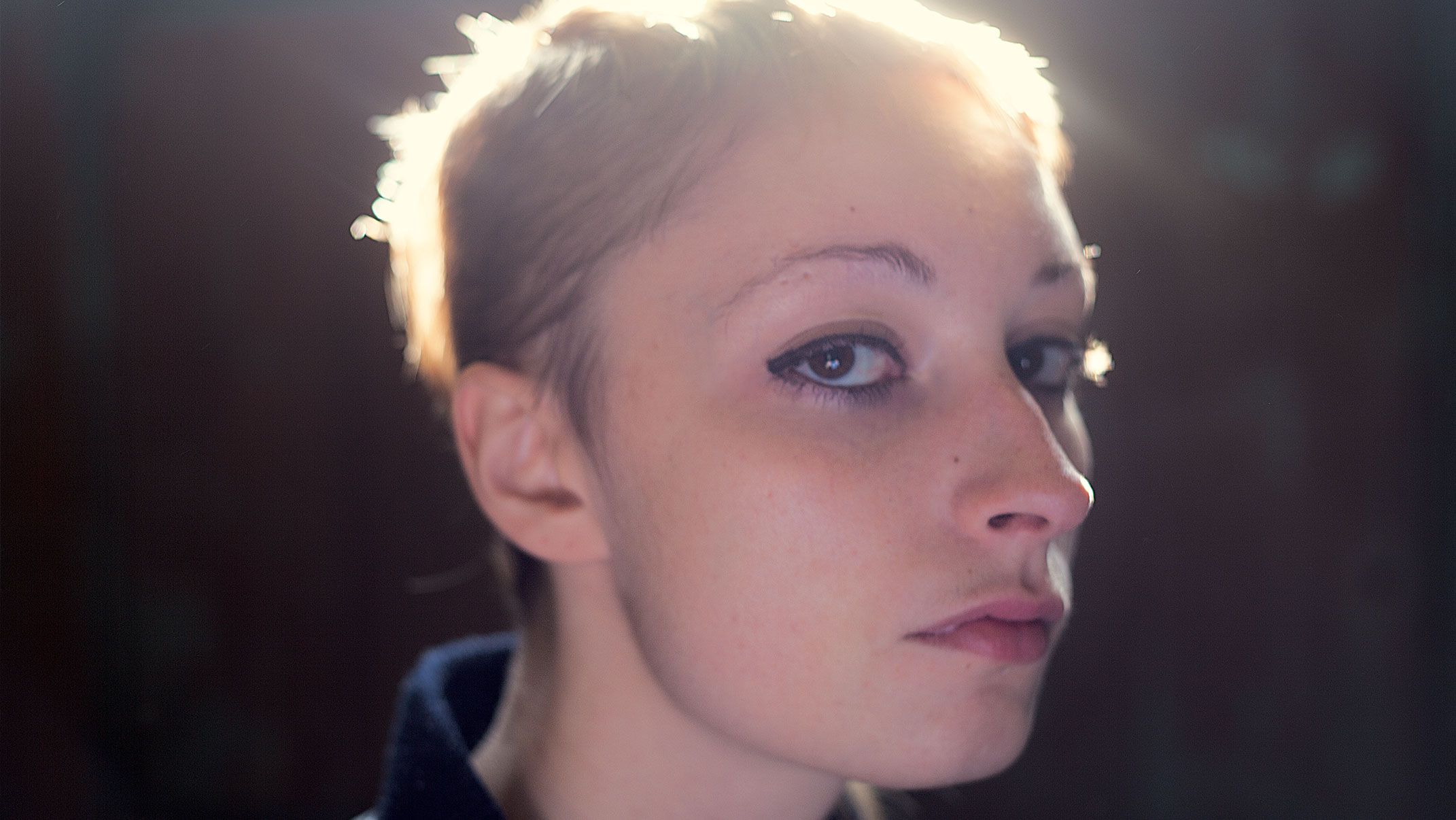
Arielle Holmes is the author of the raw, autobiographical manuscript Mad Love in New York City, which served as the foundation for the critically acclaimed 2014 film Heaven Knows What. While she has not released a traditional bibliography of multiple titles, her singular contribution to "dirty realism" remains a focal point for enthusiasts of transgressive literature and independent cinema.
The Origin of Arielle Holmes’ Writing Career
The story of Arielle Holmes’ foray into literature is as unconventional as the prose she produces. In the early 2010s, Holmes was living a precarious existence on the streets of New York City, specifically around the Upper West Side. Her path crossed with filmmakers Josh and Benny Safdie while they were researching a different project. Struck by her presence and her harrowing life stories, the Safdies encouraged her to write down her experiences.
The process of writing was born out of necessity and a unique creative partnership. The Safdies reportedly paid Holmes by the page to encourage her to continue documenting her life. This arrangement transformed her daily struggles with addiction and homelessness into a structured narrative. She wrote in public libraries, Apple stores, and on scraps of paper, capturing the immediate, visceral reality of a New Yorker living on the fringes of society.
This manuscript, titled Mad Love in New York City, was not just a diary; it was an attempt to process a volatile romantic relationship with a man named Ilya Leontyev. The writing was characterized by its lack of sentimentality and its unflinching look at the mechanics of street life, heroin use, and the obsessive nature of "mad love."
Deep Dive into "Mad Love in New York City"
The primary subject of Arielle Holmes' writing is the intersection of chemical dependency and emotional codependency. In the literary world, her work is often categorized alongside "dirty realism"—a movement that focuses on the more mundane and often grit-laden aspects of ordinary life, though Holmes' life was anything but ordinary to the average reader.
Themes and Narrative Style
The manuscript is defined by several core themes that resonate with readers interested in transgressive fiction:
- Romantic Obsession: The "Mad Love" of the title refers to her relationship with Ilya. The book details a cycle of abuse, devotion, and desperation. It explores how a relationship can become as much of an addiction as any substance.
- The Geography of the Underclass: Holmes maps out a New York City that tourists rarely see. Her writing focuses on the 72nd Street subway station, the "gray areas" of public parks, and the specific social hierarchies within the homeless community.
- Survival Mechanics: There is a technical depth to her writing regarding the daily logistics of homelessness—where to sleep, how to obtain money, and the ritualistic nature of drug use.
Holmes’ style is noted for its rhythmic, almost frantic energy. It avoids the polished metaphors of traditional memoirs, opting instead for a "voice-driven" narrative that feels like a direct transmission from the sidewalk. This authenticity is what eventually caught the attention of the literary and cinematic worlds.
The Relationship Between the Book and "Heaven Knows What"
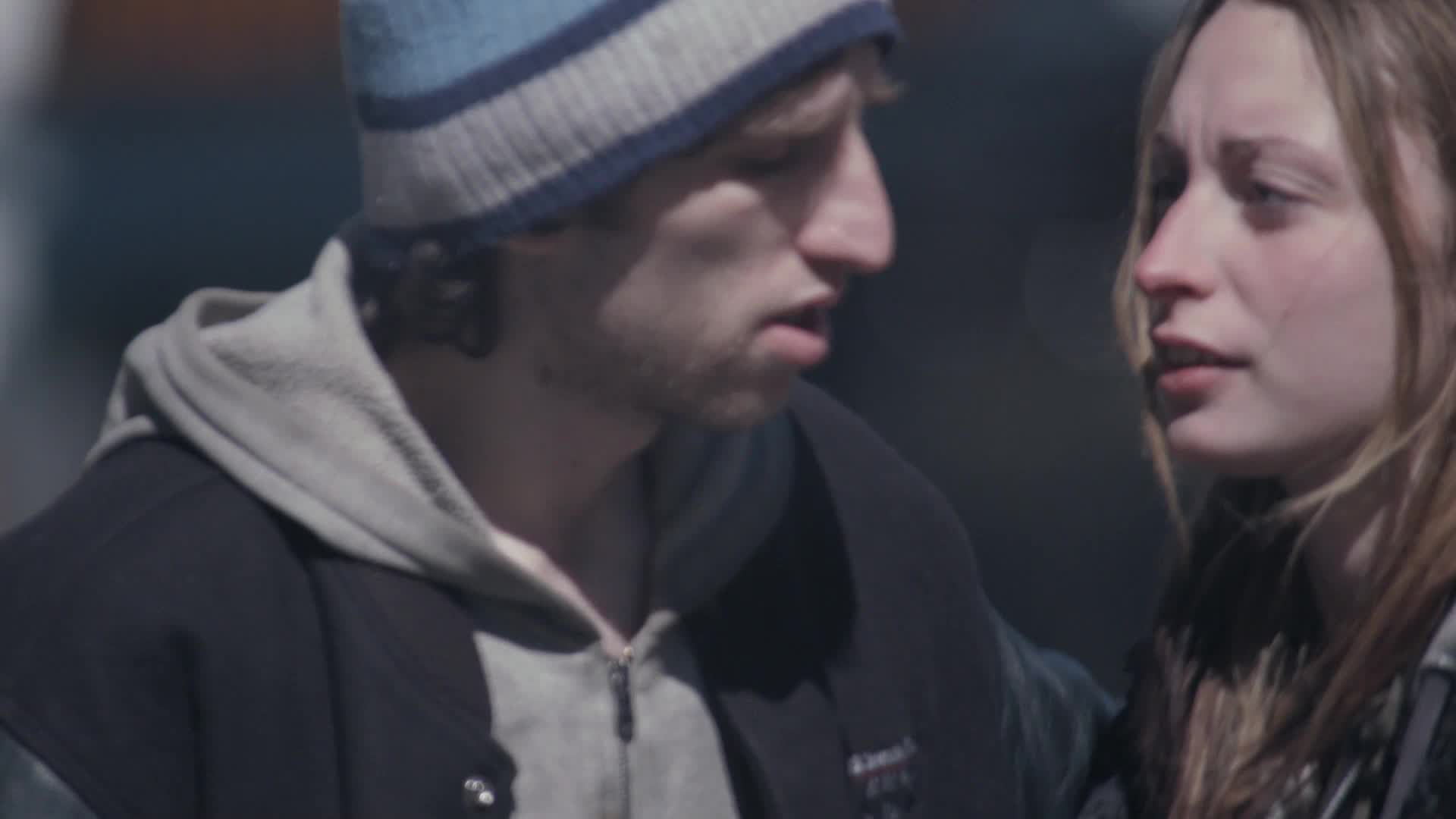
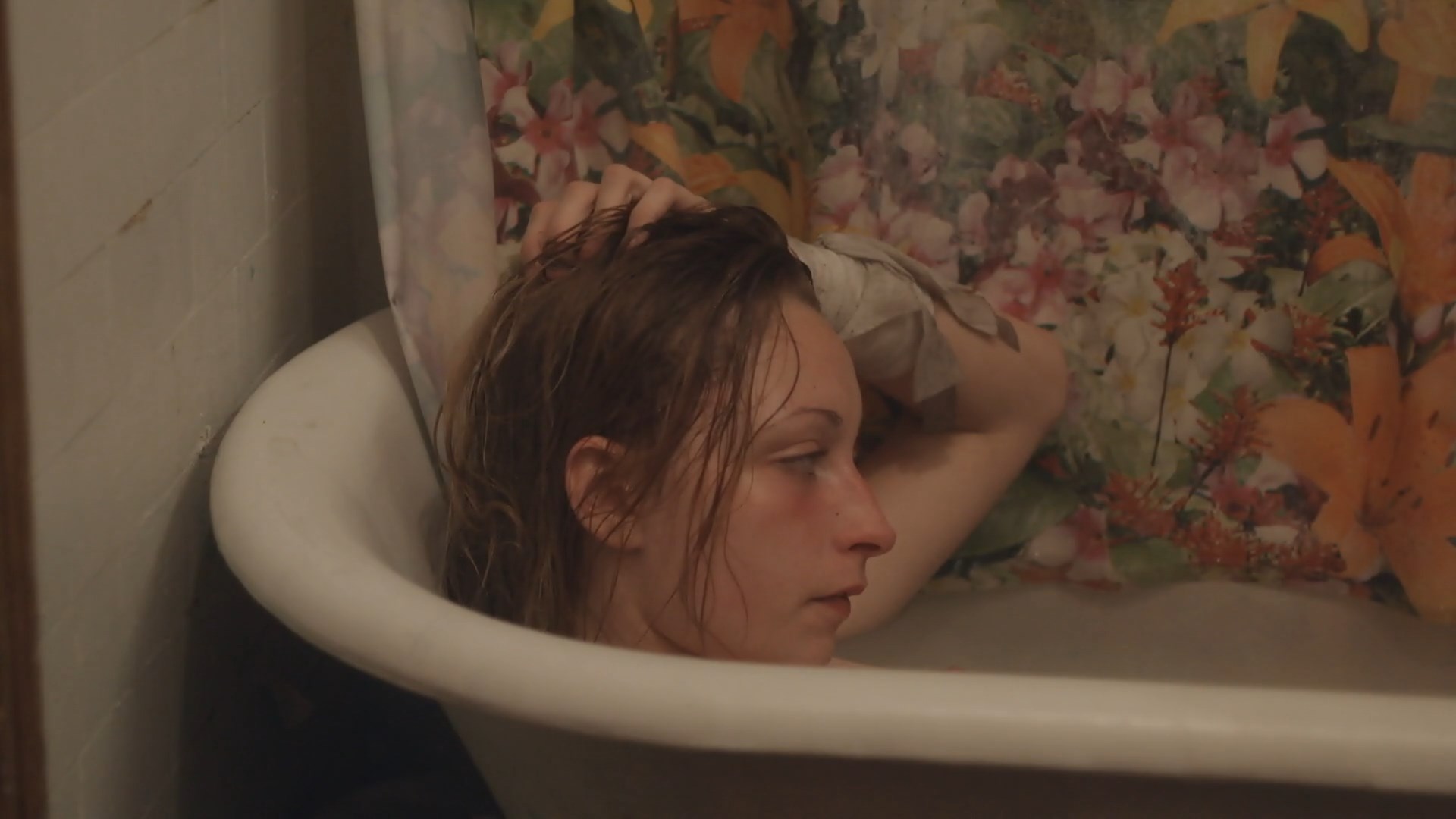
It is impossible to discuss Arielle Holmes’ books without addressing the film Heaven Knows What. In many ways, the film is the most accessible "version" of her book. The Safdie brothers used her manuscript as the screenplay's blueprint, and in a rare move for cinema, they cast Holmes to play a version of herself (named Harley in the film).
From Page to Screen
While the manuscript provided the dialogue and the episodic structure, the film added a visual layer to Holmes' prose. Readers who seek out the book often do so after seeing the movie, looking for the internal monologues that the camera cannot fully capture. The book offers a deeper look into the history of her characters—specifically Ilya—providing a backstory that the film's "in-the-moment" cinematography skips.
In the film, the character of Ilya (played by Caleb Landry Jones) is portrayed as a nihilistic, often cruel figure. The book, however, allows Holmes to articulate the specific charms and the shared history that made her "mad love" for him understandable, if not healthy.
| Feature | Manuscript: Mad Love in New York City | Film: Heaven Knows What (2014) |
|---|---|---|
| Primary Focus | Internal emotional state and memory | External behavior and immediate environment |
| Authorship | Arielle Holmes (Solo) | Ronald Bronstein & Josh Safdie (Adapted) |
| Availability | Limited/Unpublished (Excerpts available) | Widely available on streaming and physical media |
| Perspective | First-person subjective | Third-person "fly-on-the-wall" |
| Tone | Desperate, romantic, visceral | Clinical, gritty, intense |
The Status of the Manuscript in 2026
As of 2026, the question of whether Mad Love in New York City will ever see a wide, traditional publishing house release remains a topic of discussion among cult following circles. For years, the manuscript has lived in a state of semi-legend. While excerpts have been published in various outlets and the Safdies have discussed the text at length, a bound, hardcover edition has remained elusive for the general public.
Why It Remains "Unpublished"
Several factors contribute to the book's status as a "lost" or "underground" classic:
- Legal and Rights Issues: The transition from a personal manuscript written for a film project to a commercially sold book often involves complex intellectual property negotiations.
- The Author’s Path: Arielle Holmes moved on to an acting career, appearing in films like American Honey (2016). Her focus shifted away from the literary world, leaving the manuscript as a time capsule of a specific period in her life.
- Niche Appeal: Transgressive memoirs often find homes in small, independent presses rather than major publishing houses. In the years leading up to 2026, there have been sporadic rumors of boutique publishers expressed interest in a "definitive edition."
For readers in 2026 looking to "read" Arielle Holmes, the primary method is through these collected excerpts and the screenplay adaptation, which retains much of her original voice.
Literary Influences and Comparisons
Arielle Holmes’ writing does not exist in a vacuum. To understand the technical depth of her work, one must look at the lineage of "street lit" and the authors who paved the way for her raw style.
The Transgressive Tradition
Holmes is frequently compared to Hubert Selby Jr., particularly his work Last Exit to Brooklyn. Both writers share a preoccupation with the darker side of urban life and use a non-traditional prose style to mimic the speech patterns of their subjects. Unlike Selby, who was an observer, Holmes writes from the position of the participant, giving her work an "insider" credibility that is rare in the genre.
Another comparison is William S. Burroughs. While Holmes avoids the surrealist "cut-up" techniques of Burroughs, her unflinching documentation of the mechanics of addiction mirrors the "junkie" narratives of the mid-20th century. However, Holmes’ perspective is distinctly feminine and modern, dealing with the realities of the 21st-century opiate crisis.
The Influence of the "New Journalism"
Though her work is a memoir/novel hybrid, it carries the spirit of New Journalism. It prioritizes the "truth" of the experience over a strictly factual retelling of dates and times. This allows the reader to feel the weight of the lifestyle rather than just learning the statistics of it.
Challenges in Accessing Arielle Holmes’ Work
For a researcher or fan in 2026, finding "Arielle Holmes books" requires a bit of detective work. Because there is no single ISBN associated with a mass-market paperback, one must look toward alternative sources:
- Film Scripts and Anthologies: Look for published versions of the Heaven Knows What screenplay. These often include forewords or appendices that feature original pages from Holmes' manuscript.
- Independent Literary Journals: In the wake of the film's success, several indie journals published sections of her writing. These are often found in university libraries or through digital archives specializing in underground literature.
- Digital Excerpts: Various interviews with the Safdie brothers include high-resolution scans of the original handwritten pages, which provide insight into her writing process and the physical state of the manuscript during its creation.
The Cultural Impact of Holmes’ Narrative
The "book" that Arielle Holmes wrote changed the trajectory of independent cinema in the 2010s. By providing such a detailed map of her life, she allowed the Safdies to create a film that felt less like a movie and more like a documentary. This "hyper-realism" became a hallmark of the Safdies' later work (such as Uncut Gems), but it started with the prose of a young woman on the Upper West Side.
For the audience, her work serves as a reminder of the hidden stories within every city. The "books" of Arielle Holmes represent a voice that was nearly lost to the streets but was saved through a singular act of creative documentation.
Frequently Asked Questions
Is "Mad Love in New York City" available on Amazon or Kindle?
As of 2026, a standalone, mass-market edition of Mad Love in New York City is not widely available on major retail platforms like Amazon. It remains primarily an unpublished manuscript, with segments accessible through film-related publications and literary archives.
Did Arielle Holmes write any other books after "Heaven Knows What"?
While Arielle Holmes has written various personal essays and has been involved in the creative process of other film projects, she has not published a follow-up book. Her literary output remains focused on the singular, transformative period documented in her debut manuscript.
What is the difference between Arielle Holmes' book and the movie?
The book is a first-person internal account that delves deeply into her thoughts and past, whereas the movie, Heaven Knows What, is a visceral, third-person depiction of the events. The book provides more context regarding her relationship with Ilya, while the movie focuses on the immediate intensity of their daily lives.
Is Arielle Holmes still writing in 2026?
Information regarding Holmes' current creative output is private. After her stint in the film industry, she has maintained a lower public profile. However, her impact on the "street lit" genre continues to be studied by fans of transgressive writing.
Who are some authors similar to Arielle Holmes?
If you appreciate the style of Arielle Holmes, you may be interested in the works of Hubert Selby Jr. (Requiem for a Dream), Jim Carroll (The Basketball Diaries), and Zoe Heller. These authors similarly explore themes of addiction, urban survival, and intense interpersonal relationships.
Recommendation for Readers
If you are looking for the work of Arielle Holmes, your best course of action is to first watch the film Heaven Knows What to understand the visual and rhythmic context of her story. Following that, seek out the published screenplay or long-form interviews with the Safdie brothers that include manuscript excerpts. These sources provide the most authentic look at her writing style and the harrowing, beautiful prose that defined a specific era of New York City street literature.