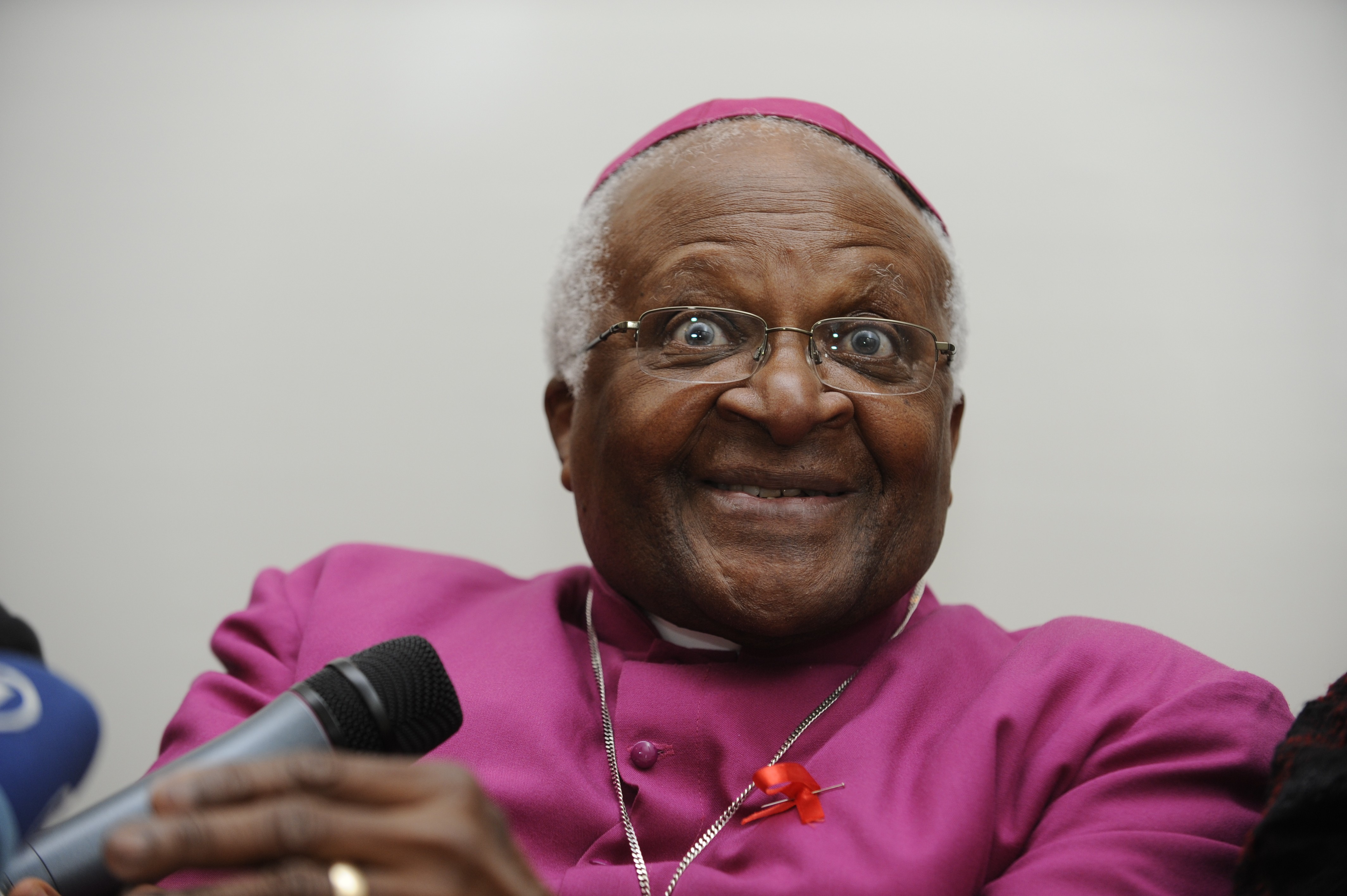
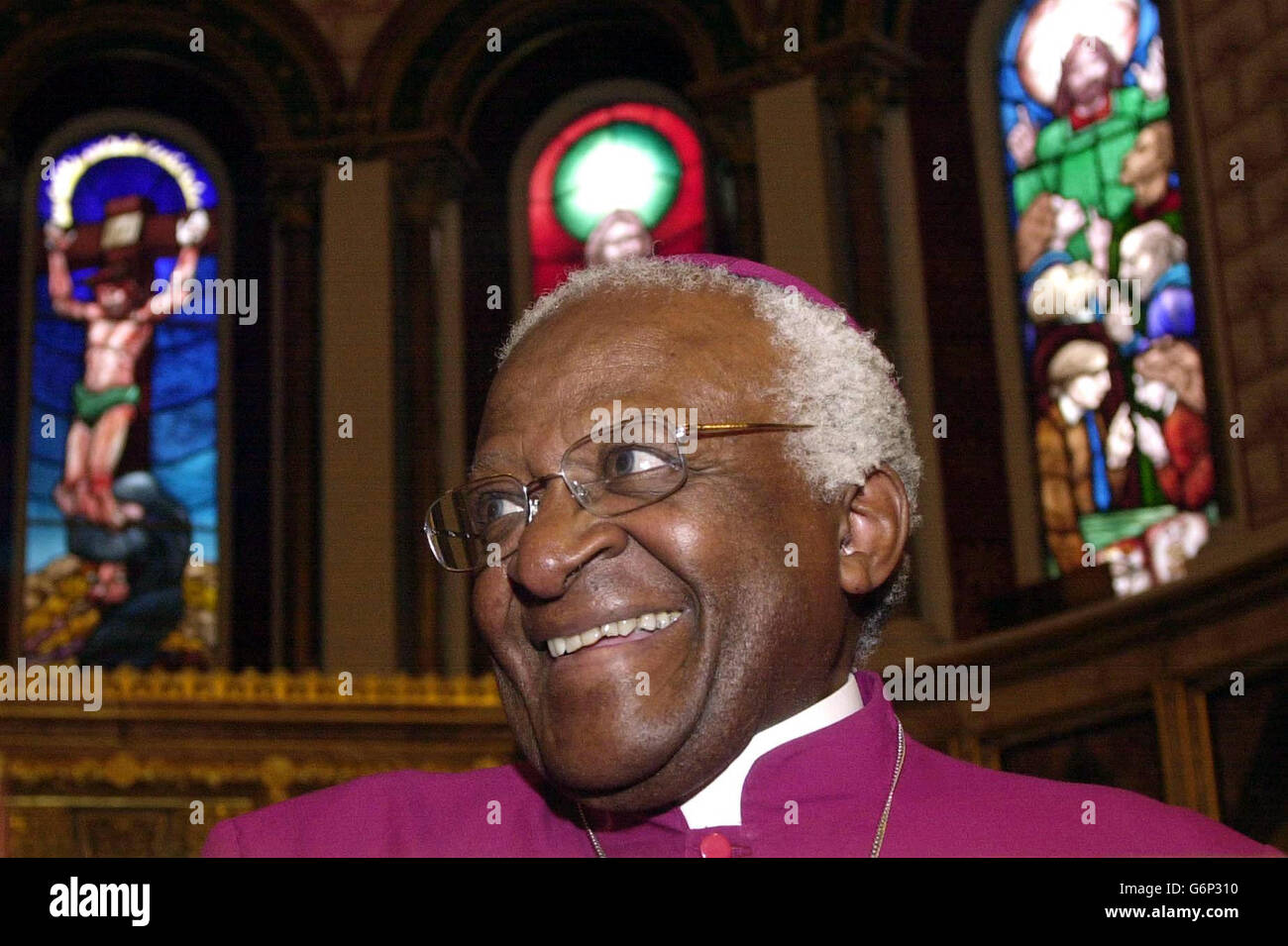
Archbishop Desmond Tutu’s net worth at the time of his passing in late 2021 was estimated to be between $2 million and $5 million. This wealth was primarily accumulated through prestigious international awards, significant book royalties, and global speaking engagements, though he famously channeled the vast majority of his earnings into humanitarian foundations and social justice initiatives.
The Financial Philosophy of a Global Icon
To understand the financial profile of Archbishop Desmond Tutu, one must first reconcile the inherent tension between his role as a humble cleric and his status as a global "moral billionaire." Tutu did not view wealth through the lens of personal accumulation. Instead, his financial life was dictated by the principles of Ubuntu—the African philosophy emphasizing that "I am because we are." Consequently, his financial profile is less a story of private equity and more a study in the ethical management of a high-profile public platform.
As of 2026, five years after his transition, the financial legacy of the Archbishop remains a point of interest for historians and philanthropists alike. Unlike many global figures whose net worth is tied to corporate boards or real estate empires, Tutu’s assets were largely liquid or tied to intellectual property. He lived a life of relative modesty, often choosing to reside in middle-class neighborhoods rather than the gated enclaves typical of the global elite. This choice was both a political statement and a personal preference, ensuring that his financial profile remained aligned with the marginalized people he represented.
Major Sources of Income and Capital
Archbishop Tutu’s income streams were diverse, spanning several decades of international activism. While his "day job" as an Anglican priest and later the Archbishop of Cape Town provided a stable but modest clerical stipend, his global fame opened doors to significant financial windfalls.
The Nobel Peace Prize and Major Awards
The first major injection of capital into Tutu’s financial profile occurred in 1984 when he was awarded the Nobel Peace Prize. At the time, the prize carried a cash award of approximately $192,000. In 1984, this was a substantial sum, but Tutu famously directed much of this money toward scholarship funds for Black South Africans.
However, the largest single financial award of his life came in 2013, when he received the Templeton Prize. The Templeton Prize is one of the world's largest annual individual awards, specifically designed to exceed the value of the Nobel Prizes. Tutu received £1.1 million (approximately $1.7 million at the time). True to his character, he donated the entirety of the prize money to the Desmond & Leah Tutu Legacy Foundation to fund projects related to peace-building and leadership.
Literary Contributions and Royalties
Tutu was a prolific author whose books were translated into dozens of languages. Royalties from these publications formed a consistent base for his personal wealth. Some of his most financially successful works include:
- No Future Without Forgiveness: An account of his time leading the Truth and Reconciliation Commission (TRC).
- The Book of Joy: Co-authored with the Dalai Lama, this book became a New York Times bestseller and remains a staple in the "mindfulness and spirituality" genre in 2026.
- God Has a Dream: A popular theological work that reached a broad secular audience.
Industry experts estimate that "The Book of Joy" alone generated millions in retail sales. While authors typically receive 10% to 15% in royalties, the international syndication and long-term shelf life of these titles provided Tutu with a steady stream of passive income that sustained his estate well into his retirement.
Speaking Engagements and Public Appearances
During the 1990s and 2000s, Tutu was one of the most sought-after speakers on the planet. While he often spoke for free at human rights rallies and religious gatherings, his appearances at corporate forums or major universities often commanded fees ranging from $50,000 to $100,000 per event. These fees were typically managed by international booking agencies, with a significant portion often earmarked for his charitable foundations before reaching his personal accounts.
Real Estate and Tangible Assets
Desmond Tutu’s real estate holdings were modest compared to other Nobel laureates. His primary residence for many years was in Orlando West, Soweto, on the now-famous Vilakazi Street—the only street in the world to have housed two Nobel Peace Prize winners (Tutu and Nelson Mandela). While the property is historically priceless, its market value is reflective of a standard middle-class South African home.
In his later years, he moved to a retirement home in Milnerton, Cape Town. This property provided him with the security and medical access required for his aging health. Additionally, as the Archbishop Emeritus, he had access to certain church-owned residences, though these did not count toward his personal net worth. By 2026, his Soweto home has largely transitioned into a site of heritage and pilgrimage, managed by the state or family trusts rather than being treated as a tradable asset.
The Desmond and Leah Tutu Legacy Foundation
A central component of Tutu's financial profile is the Desmond and Leah Tutu Legacy Foundation. Established in 2013, the foundation serves as the repository for his intellectual property and the primary vehicle for his philanthropic capital.
The foundation manages:
- Intellectual Property Rights: Rights to his speeches, writings, and image.
- Endowments: Funds received from the Templeton Prize and other major donors.
- Educational Programs: Subsidized by the income generated from the foundation’s investments.
As of 2026, the foundation’s assets are estimated to be in the tens of millions of dollars, though these funds are legally separated from the personal estate of the Tutu family. This separation is a critical distinction in his financial profile; while the "Tutu Brand" is worth a significant amount, the "Tutu Individual" kept a relatively small fraction of that for personal use.
Estimating the Net Worth: A Data-Driven Analysis
Determining the exact net worth of a figure like Desmond Tutu requires looking at the intersection of clerical stipends, international awards, and book sales. The following table outlines the estimated value of his major financial milestones.
| Income/Asset Category | Estimated Value (USD) | Primary Use/Status |
|---|---|---|
| Nobel Peace Prize (1984) | $192,000 | Primarily donated to scholarships. |
| Templeton Prize (2013) | $1.7 million | 100% donated to his legacy foundation. |
| Lifetime Book Royalties | $2.5 million - $4 million | Source of personal income and family support. |
| Speaking Fees (Career) | $3 million+ | Significant portion diverted to charities. |
| Real Estate Holdings | $500,000 - $800,000 | Residences in Soweto and Cape Town. |
| Anglican Church Pension | $30,000 - $50,000/yr | Standard retirement stipend for senior clergy. |
Note: These figures represent gross historical values and do not account for taxes, inflation adjustments to 2026 dollars, or the immediate redistribution of funds to charitable causes.
Legal and Estate Considerations
Following his death in 2021, the distribution of Tutu’s estate was handled with the same transparency that characterized his life. His will reportedly focused on providing for his widow, Leah Tutu, and their four children, while ensuring that his public archives and literary rights remained under the control of the foundation.
In South Africa, estates of this size are subject to Estate Duty, which in 2026 remains around 20% for the portion of the estate exceeding R3.5 million (approx. $190,000). Because Tutu had converted so much of his liquid wealth into charitable trusts during his lifetime, the taxable portion of his personal estate was likely minimized, ensuring that more money stayed within the humanitarian projects he championed.
Comparative Context: The "Wealth" of Moral Leaders
To put Desmond Tutu’s $2 million to $5 million net worth into perspective, it is helpful to compare him to other contemporary moral and religious leaders.
- The Dalai Lama: While the Dalai Lama does not have a "personal" net worth in the traditional sense, the Gaden Phodrang Trust manages assets significantly larger than Tutu’s, though the Dalai Lama himself lives as a monk.
- Pope Francis: As the head of the Vatican, the Pope controls billions in assets but technically owns nothing personally.
- Billy Graham: At the time of his death, the American evangelist had a net worth estimated at $25 million, largely from book sales and media organizations.
Tutu’s financial profile sits in a unique middle ground. He was more affluent than a typical monk or parish priest, but far less wealthy than many "televangelists" or secular motivational speakers. His wealth was consistent with that of a successful international author and academic, rather than a business mogul.
The Role of Intellectual Property in 2026
In the year 2026, the primary financial engine associated with Desmond Tutu is his intellectual property (IP). As digital media consumption has evolved, the rights to his recordings, video footage of the anti-apartheid struggle, and digital versions of his books continue to generate revenue.
The Tutu estate has been careful to avoid over-commercialization. You will not find "Tutu-branded" consumer goods. Instead, the IP is licensed for educational documentaries, university curricula, and inspirational media. This ethical licensing strategy ensures a steady flow of income for the Desmond and Leah Tutu Legacy Foundation while preserving the "moral capital" that was Tutu’s most valuable asset.
Common Financial Questions Regarding Archbishop Tutu
Did Desmond Tutu receive a salary as Archbishop?
Yes, but it was not a "corporate" salary. The Anglican Church of Southern Africa provides stipends to its clergy. While the Archbishop’s stipend was the highest in the province, it was designed to cover living expenses and travel rather than to facilitate the accumulation of vast wealth. Most of his "extra" wealth came from external sources like awards and books.
How much of his wealth was given to charity?
While a specific percentage is difficult to verify without access to private tax returns, historical records show that Tutu donated 100% of the Templeton Prize ($1.7 million) and a significant portion of his Nobel Prize money. He also funded the Tutu Desk Campaign and various HIV/AIDS initiatives throughout South Africa.
What happened to his home in Soweto?
The home on Vilakazi Street remains a protected historical site. It serves as a reminder of the struggle against apartheid and contributes to the local economy through tourism, though it is not a "liquid asset" in the sense that the family would sell it on the open market.
Is the Tutu family involved in the management of his wealth?
Yes, his children and his widow, Leah Tutu, have been involved with the Foundation and the management of his estate. Their focus has been on the preservation of his archives and the continuation of his social justice work rather than commercial expansion.
Who owns the rights to "The Book of Joy"?
The rights are typically split between the authors' estates and the publisher (Penguin Random House). A portion of the proceeds from this book continues to support the Mind & Life Institute and the Desmond & Leah Tutu Legacy Foundation.
Practical Guidance: Lessons from the Tutu Financial Profile
For those looking to analyze or emulate the financial path of a public figure like Tutu, several key takeaways emerge:
- Diversification of Influence: Tutu’s wealth was not dependent on one source. He leveraged awards, literature, and public speaking.
- Separation of Personal and Mission Wealth: By using foundations, he ensured that his "brand" wealth was used for public good, while his personal estate remained modest and manageable.
- Ethical Investing of "Moral Capital": Tutu understood that his reputation was his most valuable asset. He never compromised his message for a paycheck, which paradoxically made his "brand" more valuable and enduring.
As we look at the financial profile of Archbishop Desmond Tutu from the vantage point of 2026, it is clear that his net worth was merely a tool for his greater mission. He died a "millionaire" by accounting standards, but his true wealth lay in the global shifts toward justice and reconciliation that he helped facilitate—a legacy that remains "in the black" decades after his most famous contributions.