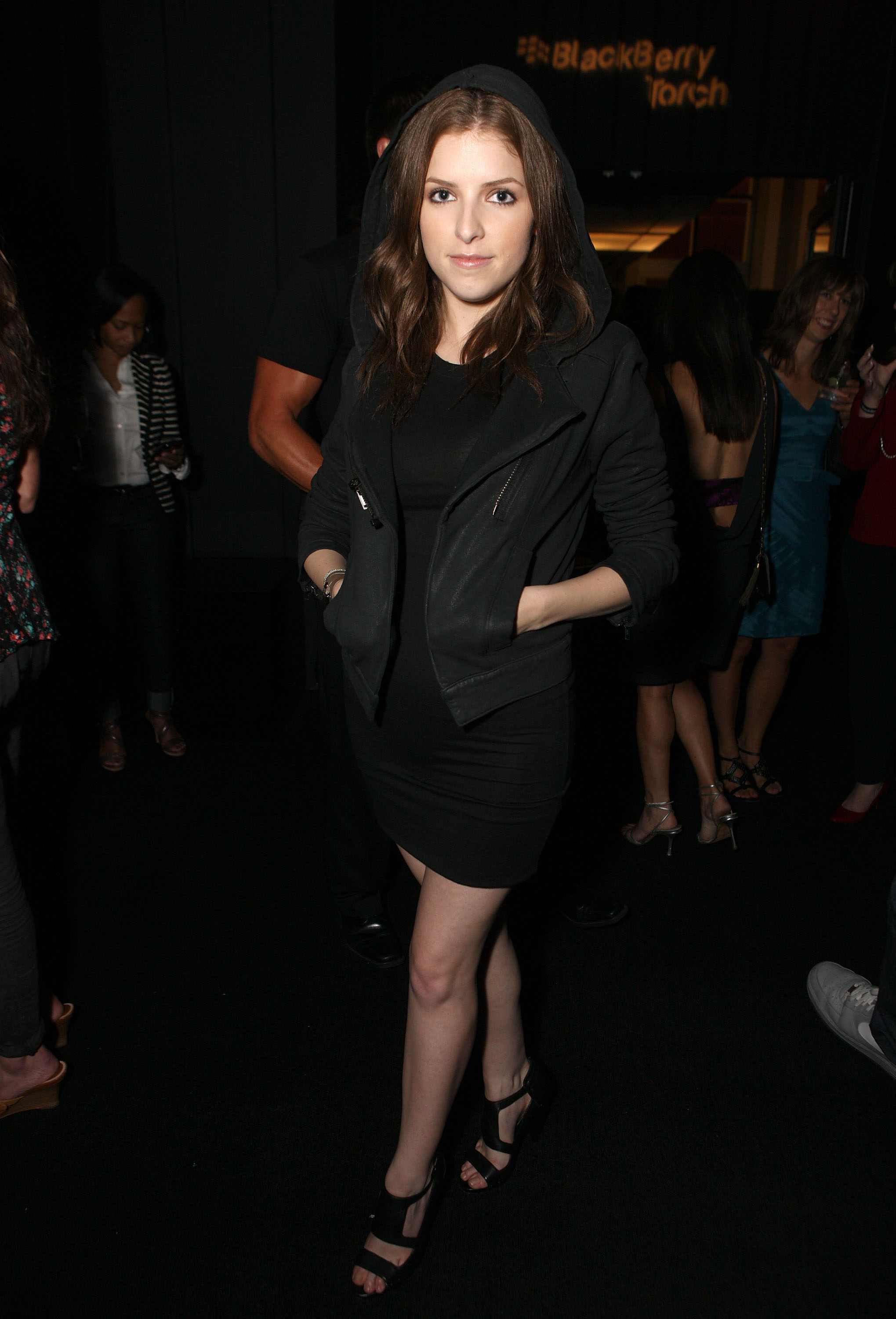
Anna Kendrick's public appearances, particularly during holiday events like Halloween parties, generate significant media coverage, fan engagement, and red-carpet analysis due to her prominence in Hollywood and her distinct public persona.
Celebrity holiday celebrations and costume appearances serve as a prominent intersection of pop culture, fashion, and public relations. When high-profile actors like Anna Kendrick attend Halloween events, their choices in costume, styling, and public interactions are frequently documented by entertainment journalism, lifestyle publications, and social media platforms. These appearances offer insight into how contemporary celebrities manage their public image, engage with seasonal trends, and balance private celebrations with public-facing responsibilities.
Understanding the mechanics of celebrity event participation requires examining several key dimensions: the nature of high-profile entertainment gatherings, the role of fashion and costume design in celebrity branding, the media ecosystem that covers these events, and the broader cultural significance of Halloween within the entertainment industry.
The Cultural Significance of Celebrity Halloween Events
Halloween has evolved from a traditional seasonal holiday into a major cultural and commercial fixture within the entertainment industry. High-profile parties hosted by public figures, production companies, and fashion brands routinely attract extensive media attention.
For actors like Anna Kendrick, participating in or attending these events involves navigating a complex landscape of public expectations. While Halloween offers a rare opportunity for public figures to showcase playfulness, creativity, and self-deprecation through costumes, it also subjects them to intense scrutiny from fashion critics and fans alike.
- Public Persona Management: Costumes chosen by public figures often reflect their established comedic or dramatic screen personas, reinforcing fan connections.
- Media Visibility: High-profile parties provide strategic visibility during periods between major film or television project releases.
- Social Media Dynamics: Content generated from these events circulates rapidly across digital platforms, driving engagement metrics for both the celebrities and the hosting organizations.
Costume Selection and Fashion Analysis
The process of selecting a Halloween costume for a public appearance involves careful planning, collaboration with stylists, and consideration of public reception. Unlike everyday red-carpet appearances governed by formal haute couture standards, Halloween events allow for thematic, narrative-driven fashion choices.
When analyzing celebrity costumes, fashion historians and entertainment journalists typically evaluate several distinct elements:
- Originality vs. Nostalgia: Whether the costume references a classic cinematic character, a contemporary pop-culture meme, or an entirely original concept.
- Execution and Craftsmanship: The quality of the wardrobe, makeup, and prop integration, often produced by professional costume designers and special effects makeup artists.
- Thematic Alignment: How closely the costume matches the specific motif of the party or the celebrity's personal brand.
Comparative Overview of Celebrity Halloween Event Types
| Event Category | Primary Objective | Typical Guest List | Media Coverage Level |
|---|---|---|---|
| Studio/Network Hosted | Promotional tie-ins and corporate networking | Cast members, executives, influencers | High (Press photographers and official releases) |
| Exclusive Private Parties | Social gathering and personal downtime | Close friends, industry peers | Moderate to Low (Strict security and restricted photography) |
| Charity Galas | Fundraising and philanthropic awareness | Donors, public figures, advocates | High (Targeted lifestyle and charity press) |
Media Coverage and Digital Ecosystems
The dissemination of images and reports regarding celebrity appearances at Halloween parties relies on a complex digital ecosystem comprising paparazzi agencies, entertainment news outlets, and user-generated content.
When photographs or accounts of figures like Anna Kendrick at a Halloween gathering emerge, they are rapidly indexed by search engines and aggregated across social networks. This cycle illustrates the modern attention economy, where fleeting holiday moments are transformed into enduring digital assets.
Entertainment reporting around these events generally follows standardized journalistic practices:
- Attribution and Verification: Outlets attempt to verify the authenticity of photographs, dates, and locations before publication.
- Contextualization: Reporters frame the appearance within the broader context of the celebrity's current career projects, upcoming film releases, or recent interviews.
- Audience Engagement: Articles frequently invite reader commentary, voting on costume favorites, and social media sharing.
Career Context and Public Persona
To fully understand the public interest in Anna Kendrick's social appearances, it is necessary to examine her established career trajectory and public persona. Known for her Academy Award-nominated role in Up in the Air, the Pitch Perfect franchise, and projects like Darling Companion and Alice, Darling, Kendrick has cultivated a reputation for sharp wit, relatability, and down-to-earth charm.
Her public appearances—whether on late-night talk shows, red carpets, or at social events—frequently align with this persona. Fans and media outlets look for consistency between her on-screen performances and her off-screen demeanor. Consequently, a casual or humorous approach to a Halloween costume often resonates strongly with her audience, reinforcing her appeal as an accessible and self-aware public figure.
Frequently Asked Questions
What types of Halloween events do Hollywood actors typically attend?
Actors frequently attend a mix of corporate-sponsored studio parties, high-end private gatherings hosted by industry peers, and charitable masquerade galas. The level of public access and media coverage varies significantly depending on whether the event is private or promotional.
How do celebrity costumes get chosen for public parties?
Many celebrities collaborate with professional stylists, makeup artists, and costume designers weeks in advance. The selection process weighs factors such as comfort, originality, thematic relevance, and how the costume will photograph in a party environment.
Why do media outlets track celebrity holiday appearances?
Celebrity holiday appearances generate high user engagement, traffic, and advertising revenue for media platforms. They provide audiences with lighthearted, accessible content that complements standard entertainment news and film reviews.
How does Anna Kendrick's public persona influence her event appearances?
Kendrick is widely recognized for her self-deprecating humor and relatable demeanor. Her public appearances and style choices often reflect this approachable identity, distinguishing her from figures who maintain strictly formal or distant celebrity personas.
Conclusion and Practical Takeaways
Public fascination with Anna Kendrick at Halloween parties highlights the enduring intersection between celebrity culture, seasonal festivities, and digital media consumption. While these appearances are primarily recreational or social, they play a meaningful role in sustaining public engagement and shaping the ongoing narrative of a working Hollywood actor. For observers of pop culture and fashion, analyzing these events offers valuable perspective on how modern fame is mediated, performed, and consumed in the digital age.