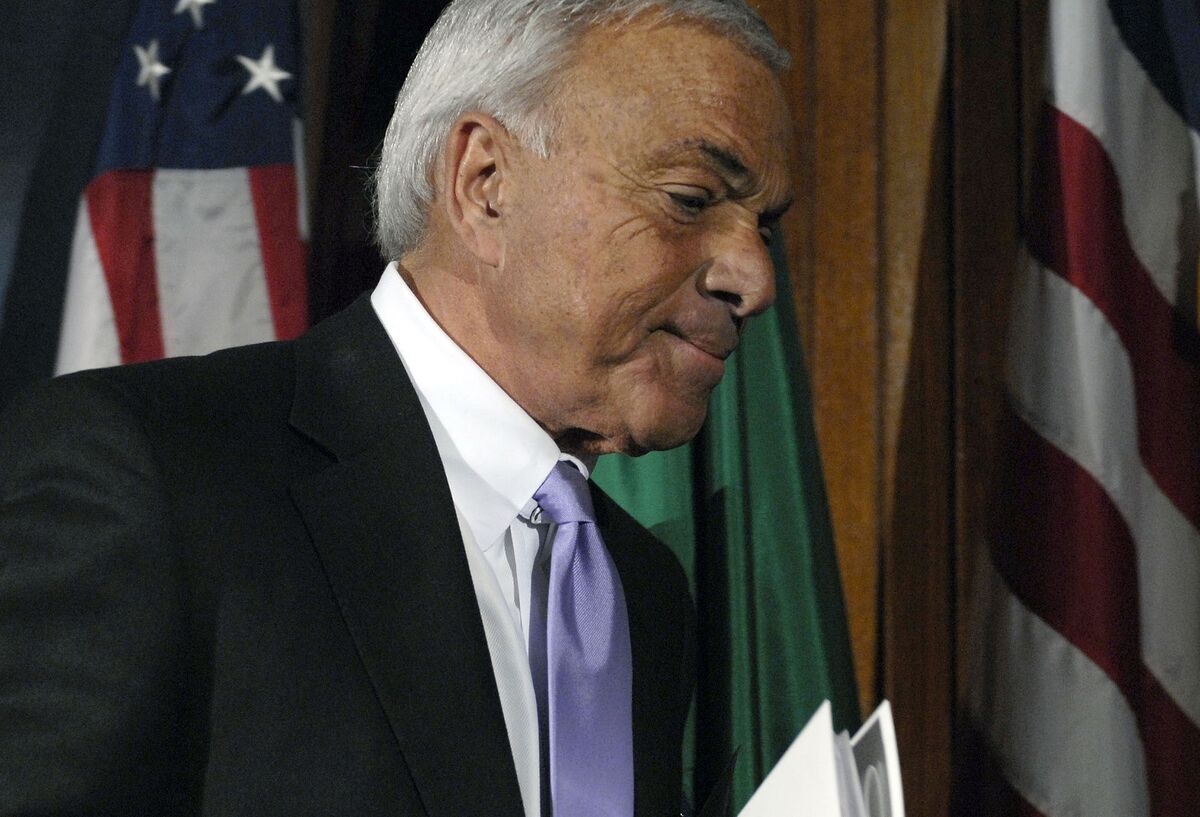
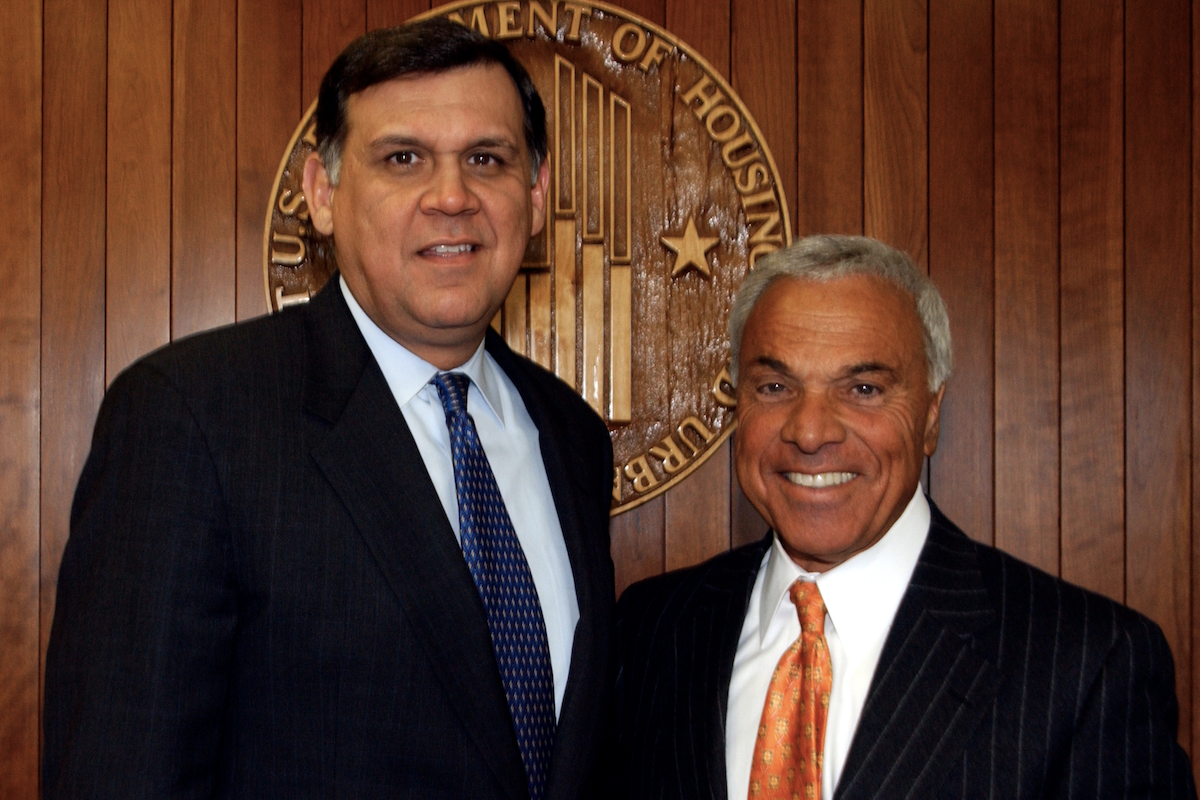
Angelo Mozilo was the co-founder and longtime CEO of Countrywide Financial, once the largest mortgage lender in the United States. He became a central, controversial figure of the 2008 financial crisis, personifying the aggressive subprime lending practices that fueled the housing bubble and its subsequent, devastating collapse.
The Early Life and Vision of Angelo Mozilo
Angelo Mozilo’s journey did not begin in the ivory towers of Wall Street. Born in 1938 in the Bronx, New York, Mozilo was the son of a butcher. This working-class upbringing deeply influenced his professional persona—a man who saw himself as an outsider challenging the established "country club" elite of the banking world. He often characterized his mission as a crusade to democratize homeownership, making the American dream accessible to those traditionally excluded by rigid banking standards.
In 1969, Mozilo co-founded Countrywide Industries (later Countrywide Financial) with his mentor, David Loeb. Based in Los Angeles, the firm began as a small operation but was built on a vision of high-volume, streamlined mortgage processing. For decades, Countrywide focused on conventional loans, slowly building a reputation for efficiency and technological innovation. Mozilo’s leadership style was intense and hands-on; he was known for his relentless work ethic and an obsession with gaining market share. By the late 1990s, he had successfully positioned Countrywide as a dominant force in the American mortgage landscape.
Transforming Countrywide into a Mortgage Powerhouse
As the CEO of Countrywide, Mozilo oversaw a period of unprecedented growth. His strategy was built on three main pillars: vertical integration, technological superiority, and aggressive expansion into every segment of the mortgage market. By the early 2000s, Countrywide was not just a lender; it was a massive ecosystem that handled everything from loan origination and servicing to capital markets and insurance.
Mozilo was a pioneer in using technology to speed up the lending process. Countrywide’s automated underwriting systems allowed the company to process applications at a speed that traditional banks could not match. This efficiency, combined with a massive network of retail branches and third-party brokers, allowed Countrywide to capture a staggering percentage of the U.S. mortgage market. At its peak, the company was responsible for nearly 20% of all all home loans in the United States, originating hundreds of billions of dollars in debt annually.
However, this growth came with a shift in corporate culture. The focus moved from long-term loan quality to short-term volume. Employees were incentivized through commission structures that rewarded the number of loans closed, often regardless of the borrower's ability to repay. This "production at all costs" mentality would eventually become the company's undoing.
The Pivot to Subprime and High-Risk Lending
The most significant turning point in Mozilo’s career was the decision to pivot Countrywide’s business model toward subprime and non-traditional mortgage products. As interest rates began to rise in the mid-2000s and the pool of "prime" borrowers began to shrink, Mozilo faced a choice: accept slower growth or find new ways to keep the volume high. He chose the latter.
Countrywide began aggressively marketing "exotic" loan products, most notably the Pay Option ARM (Adjustable-Rate Mortgage). These loans allowed borrowers to choose their monthly payment, often opting for a minimum payment that didn't even cover the interest. This resulted in "negative amortization," where the total balance of the loan actually increased over time. While these products were highly profitable for Countrywide in the short term—generating significant fees and allowing for higher interest rates—they were inherently unstable.
Mozilo justified this shift as a continuation of his mission to help the "underserved." However, internal emails later released by regulators showed that Mozilo himself had serious misgivings about the quality of these loans. In one 2006 email, he famously described the subprime products as "toxic" and "poison," yet the company continued to sell them at record levels. This disconnect between public advocacy for homeownership and private acknowledgement of financial risk remains one of the most scrutinized aspects of his tenure.
The "Friends of Angelo" (FOA) Program
One of the most enduring scandals of Mozilo’s leadership was the "Friends of Angelo" program. This was an informal, internal VIP unit within Countrywide that provided discounted mortgage rates and waived fees for influential individuals, including politicians, government officials, and executives at Fannie Mae and Freddie Mac.
The FOA program was more than just a customer service perk; it was a tool for political and regulatory influence. By providing preferential treatment to the very people responsible for overseeing the mortgage industry, Mozilo ensured that Countrywide had a seat at the table in Washington. Notable participants in the program included former senators and high-ranking officials at the Department of Housing and Urban Development (HUD). When the program was exposed in 2008 by investigative journalists and later confirmed by congressional investigations, it became a symbol of the "crony capitalism" that many believed helped cause the financial crisis.
The 2008 Financial Crisis and the Fall of Countrywide
By 2007, the housing bubble began to burst. Home prices leveled off and then started to decline, making it impossible for many subprime borrowers to refinance their "poison" loans. As defaults skyrocketed, the secondary market for mortgage-backed securities—where Countrywide sold its loans to investors—froze.
Countrywide faced a massive liquidity crisis. Unlike traditional banks with stable deposit bases, Countrywide relied on short-term credit markets to fund its operations. When those markets seized up in August 2007, the company was pushed to the brink of bankruptcy. Mozilo was forced to draw down a $11.5 billion credit line just to stay afloat.
In January 2008, in a deal brokered with the help of federal regulators, Bank of America agreed to acquire Countrywide for approximately $4 billion in stock. This was a fraction of the company's peak value of $24 billion just a year earlier. For Bank of America, the acquisition would prove to be one of the most disastrous corporate decisions in history, eventually costing the bank over $50 billion in legal settlements, write-downs, and losses related to Countrywide’s toxic loan portfolio.
Legal Battles and the SEC Settlement
Following the collapse, Angelo Mozilo became a primary target for federal investigators. In 2009, the Securities and Exchange Commission (SEC) filed a civil fraud and insider trading lawsuit against him. The SEC alleged that Mozilo had misled investors by painting a rosy picture of Countrywide’s financial health while privately expressing concerns about the "toxic" nature of its loans. Furthermore, the SEC charged that Mozilo had engaged in insider trading by selling roughly $140 million worth of Countrywide stock based on this non-public information before the company’s share price plummeted.
In October 2010, just as the trial was set to begin, Mozilo reached a settlement with the SEC. He agreed to pay $67.5 million in fines and disgorgement—the largest penalty ever imposed on a public company executive at the time. He was also permanently barred from serving as an officer or director of a public company. Notably, Mozilo did not admit to any wrongdoing as part of the settlement, and he never faced criminal charges or jail time. This lack of criminal prosecution for Mozilo and other top executives from the crisis remains a point of significant public and political contention.
Key Milestones in the Career of Angelo Mozilo
| Year | Event | Significance |
|---|---|---|
| 1969 | Foundation of Countrywide | Started as a small mortgage firm in Los Angeles. |
| 1982 | IPO of Countrywide Financial | Provided capital for massive national expansion. |
| 2001 | CEO and Chairman Roles | Mozilo takes full control of the company's direction. |
| 2003-2006 | Subprime Expansion | Aggressive push into Pay Option ARMs and high-risk loans. |
| 2007 | Liquidity Crisis | Housing market collapse leads to a run on the company. |
| 2008 | Sale to Bank of America | Countrywide is acquired at a fire-sale price to avoid bankruptcy. |
| 2010 | SEC Settlement | Mozilo pays $67.5M fine and is barred from corporate boards. |
| 2023 | Death of Angelo Mozilo | Passed away at age 84, leaving a complicated legacy. |
The Legacy of Angelo Mozilo in 2026
As of 2026, Angelo Mozilo is remembered primarily as a cautionary tale of corporate ambition and the dangers of unregulated financial innovation. His passing in July 2023 brought his life's work back into the public eye, sparking renewed debates about his impact on American society.
To his critics, Mozilo is the architect of a predatory system that stripped wealth from vulnerable communities and destabilized the global economy. They point to the millions of foreclosures that followed Countrywide’s collapse as evidence of the human cost of his "democratization" of credit. To his few remaining defenders, he was a visionary who truly believed in homeownership but was caught in a systemic market failure that no one fully anticipated.
From a regulatory perspective, Mozilo's actions at Countrywide were a major catalyst for the Dodd-Frank Wall Street Reform and Consumer Protection Act. This legislation introduced the "Ability-to-Repay" rule, effectively banning the types of "no-doc" and "negative amortization" loans that were Countrywide’s bread and butter. In 2026, the mortgage industry is far more conservative and highly regulated than it was during the Mozilo era, a direct response to the excesses he championed.
Frequently Asked Questions
What was Angelo Mozilo’s net worth at his peak?
At the height of the housing bubble, Angelo Mozilo’s net worth was estimated to be in the hundreds of millions of dollars. Between 2000 and 2008, he reportedly earned over $500 million in total compensation and stock sales. Despite the $67.5 million SEC settlement and the loss of much of his remaining Countrywide stock value, he remained a very wealthy individual until his death in 2023.
Why didn’t Angelo Mozilo go to jail?
The lack of criminal charges against Mozilo was a source of great controversy. Legal experts suggest that the Department of Justice (DOJ) faced a high burden of proof to show "criminal intent." Proving that an executive knowingly committed fraud, rather than just making poor business decisions in a volatile market, is notoriously difficult. The DOJ eventually dropped its criminal investigation in 2011, citing the difficulty of securing a conviction.
What happened to the "Friends of Angelo" after the scandal?
The FOA program led to several high-profile congressional ethics investigations. While some executives and officials lost their jobs or faced public embarrassment, very few faced formal legal consequences. The scandal did, however, lead to stricter gift and disclosure rules within federal agencies and lending institutions to prevent similar "VIP" treatment in the future.
Did Countrywide cause the 2008 financial crisis?
While Countrywide was not the sole cause, it was the largest single contributor to the subprime mortgage volume that fueled the crisis. Its size and influence meant that its lending standards—or lack thereof—set the pace for the rest of the industry. When Countrywide began failing, it triggered a domino effect across the global financial system due to the widespread distribution of its securitized loans.
What is the lasting impact of Countrywide on Bank of America?
The acquisition of Countrywide is widely considered the worst deal in the history of American banking. Bank of America spent over a decade dealing with lawsuits from investors, government fines, and the massive costs of servicing or foreclosing on Countrywide’s bad loans. The "Countrywide legacy" weighed down Bank of America’s stock price and reputation for years after the 2008 crisis.
Final Perspective and Recommendations
For students of business, finance, and ethics, the story of Angelo Mozilo and Countrywide serves as a definitive case study in moral hazard and the risks of extreme corporate growth. The primary takeaway is that when incentives are decoupled from long-term risk, systemic failure is almost inevitable.
If you are a prospective homebuyer or investor in 2026, it is essential to understand the history of these "toxic" loan products to ensure you never fall into similar traps. Always prioritize transparency in lending and ensure that any financial product you enter into has a clear, sustainable path to repayment. For those in leadership positions, Mozilo’s legacy reinforces the importance of maintaining an ethical "tone at the top," where long-term stability is never sacrificed for short-term market share.