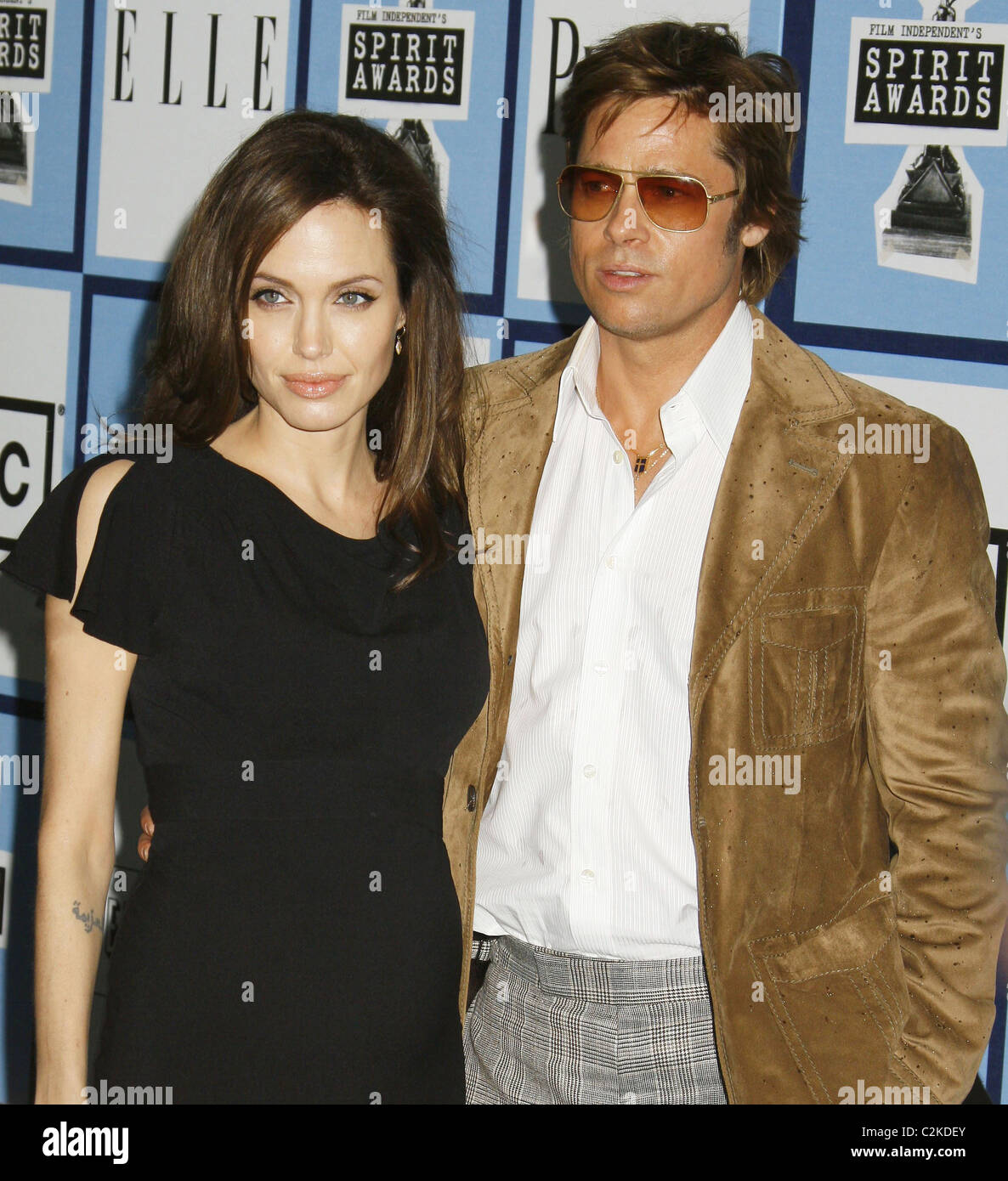
Angelina Jolie’s pregnancy announcements in 2006 and 2008 represent a watershed moment in celebrity journalism and the monetization of fame. By choosing to birth her children in Namibia and France and selling the exclusive photo rights for record-breaking sums donated to charity, Jolie fundamentally restructured how the "aftermath" of a celebrity pregnancy is managed.
The 2006 Namibia Announcement: Redefining Privacy
The first biological pregnancy of Angelina Jolie and Brad Pitt was not just a piece of entertainment news; it was a global logistical event. In early 2006, after months of intense speculation following the filming of Mr. & Mrs. Smith, the confirmation of Jolie’s pregnancy with her daughter, Shiloh Nouvel, sent the tabloid industry into a state of frenzy.
Unlike other celebrities of the era who sought the highest bidder for personal gain, Jolie and Pitt leveraged the announcement to regain control over their privacy. They chose to give birth in Swakopmund, Namibia. The aftermath of this decision saw the Namibian government implementing unprecedented security measures, including the requirement for journalists to obtain written permission from the couple to enter the country and the threat of deportation for any paparazzi caught hovering near the hospital.
The Humanitarian Pivot
The most significant aspect of the 2006 announcement aftermath was the financial arrangement. The couple sold the first photos of Shiloh to People magazine in the United States and Hello! internationally for an estimated $4.1 million. However, the aftermath was not a luxury vacation but the birth of the Jolie-Pitt Foundation. The entirety of the proceeds was donated to charities focused on Namibian children, establishing a blueprint for using celebrity milestones as massive fundraising engines.
The 2008 Cannes Reveal: The Height of "Brangelina" Fever
If 2006 was about privacy and control, the 2008 announcement was about the spectacle of the "reveal." At the Cannes Film Festival in May 2008, while promoting Kung Fu Panda, Jolie appeared on the red carpet in a flowing green Max Azria gown that confirmed she was pregnant again—this time with twins.
The immediate aftermath of this visual announcement was a media "gold rush." Jack Black, Jolie's co-star, famously confirmed the twins' existence during an interview, but the real aftermath occurred two months later in Nice, France. The birth of Knox Léon and Vivienne Marcheline in July 2008 led to what is still considered the most expensive celebrity photo deal in history.
The $14 Million Aftermath
The rights to the first images of the twins were sold for a reported $14 million. This astronomical sum created a ripple effect in the publishing industry:
- Market Inflation: The price set a ceiling for celebrity photos that has never been surpassed in the print era.
- Philanthropic Scale: The aftermath of this sale allowed the Jolie-Pitt Foundation to fund health clinics in Ethiopia, Cambodia, and Vietnam, effectively linking the birth of Hollywood’s most famous children to the survival of thousands of others in developing nations.
- Media Fatigue: Following this peak, the market for "baby photos" began to decline as social media platforms like Instagram (launched in 2010) eventually allowed stars to post their own photos for free, bypassing the magazine infrastructure Jolie had perfected.
Legal and Ethical Impacts on Celebrity Journalism
The aftermath of Angelina Jolie's pregnancy announcements extended far beyond the nursery. It forced a reckoning in international law and journalistic ethics regarding the "fair game" status of celebrity children.
The "Jolie-Pitt" Rule of Privacy
In Namibia and later in France, the couple’s legal teams utilized local privacy laws that were much stricter than those in the United States or the United Kingdom. This forced US-based tabloids to operate under a new set of rules:
- Exclusion Zones: The use of no-fly zones over the birth locations established a precedent for protecting the physical safety of pregnant celebrities.
- Consent as Currency: By making it clear they would only work with publications that respected their terms, Jolie and Pitt forced editors to choose between access and invasive "stolen" shots.
- The Decline of the "Bounty": Before Jolie’s controlled announcements, paparazzi were often offered six-figure bounties for a "first shot." By flooding the market with high-quality, authorized photos for charity, Jolie effectively killed the resale value of unauthorized, blurry paparazzi photos.
Comparing the Media Milestones of the Jolie-Pitt Pregnancies
The following table outlines the key differences in the announcement and aftermath of the two major pregnancy events that defined Jolie's public image in the mid-2000s.
| Feature | 2006 (Shiloh Nouvel) | 2008 (Knox & Vivienne) |
|---|---|---|
| Primary Location | Swakopmund, Namibia | Nice, France |
| Announcement Method | Official statement via representative | Red carpet "reveal" at Cannes |
| Primary Media Partner | People / Hello! | People / Hello! |
| Reported Photo Sale | $4.1 Million | $14 Million |
| Major Beneficiary | Namibia Health/Education | Global Health Clinics (Jolie-Pitt Foundation) |
| Legal Outcome | Precedent for media exclusion zones | Reinforcement of French privacy laws |
| Cultural Impact | Birth of the "charity celebrity photo" | Peak of the tabloid print era |
The Long-Term Aftermath: A Legacy in 2026
As we look back from the perspective of 2026, the aftermath of these announcements is visible in the current lives of the children and the state of the media. Shiloh, now 20, and the twins, approaching 18, have grown up in a world where their birth was a matter of international diplomacy.
The "Jolie-Pitt" model of pregnancy management influenced every major star that followed, from Beyoncé’s 2017 twin announcement on Instagram to Rihanna’s high-fashion maternity reveals. Jolie moved the needle from being a "victim" of the paparazzi to becoming the "editor-in-chief" of her own life story. The aftermath wasn't just about babies; it was about the reclamation of the celebrity image.
Shifts in Public Perception
Initially, some critics viewed the multi-million dollar photo deals as "selling out." However, the long-term aftermath proved otherwise. As the foundation's tax filings became public over the years, the consistent flow of that specific "pregnancy money" into infrastructure projects in Cambodia and Ethiopia silenced many skeptics. It transformed Jolie’s image from a "tabloid fixture" into a "global stateswoman" and UNHCR Special Envoy.
Frequently Asked Questions
Why did Angelina Jolie choose to give birth in Namibia?
Jolie chose Namibia for the birth of Shiloh in 2006 primarily for privacy and security. Namibia's government agreed to protect the family's privacy by requiring journalists to have a written invitation from the couple to enter the country. Additionally, Jolie had a deep connection to the continent through her humanitarian work and her first adopted son, Maddox (from Cambodia) and daughter, Zahara (from Ethiopia). The quiet environment of Swakopmund allowed the family to avoid the "paparazzi gauntlet" common in Los Angeles or London.
How much money was actually donated to charity from the photo sales?
While exact tax totals fluctuate, reported figures and foundation filings suggest that 100% of the proceeds from the People and Hello! deals—totaling roughly $18 million across both pregnancies—were funneled into the Jolie-Pitt Foundation. This money funded projects including the Maddox Chivan Children's Center in Cambodia and various wildlife and health initiatives in Namibia. By 2026, the legacy of this funding remains visible in the continued operation of several of these clinics.
Who leaked the news of the 2008 twin pregnancy?
The "official" leak happened during a promotional interview for Kung Fu Panda at the Cannes Film Festival. Actor Jack Black, while speaking alongside Jolie, accidentally confirmed that she was expecting twins. Jolie laughed it off, but the confirmation immediately shifted the media's focus from the film to the impending birth in France.
How did the aftermath of the pregnancies affect celebrity privacy laws?
The aftermath led to a significant tightening of how media outlets handle photos of celebrity children. Jolie and Pitt were pioneers in using "right to publicity" and "privacy" laws in foreign jurisdictions (like France and Namibia) to sue or block publications that used unauthorized images. Their aggressive legal stance paved the way for the "No Kids Policy" adopted by many entertainment outlets in the 2010s, which prohibits the use of paparazzi photos of children taken without parental consent.
Are the Jolie-Pitt children involved in the foundation today?
As of 2026, several of the Jolie-Pitt children have taken active roles in the philanthropic endeavors that were originally funded by their birth announcements. The family has frequently returned to Namibia and Cambodia to oversee the projects, transforming the "aftermath" of their births into a lifelong commitment to service.
Practical Guidance for Researching Celebrity Media History
When analyzing the aftermath of major celebrity announcements like those of Angelina Jolie, it is essential to distinguish between tabloid speculation and verified reporting.
- Verify Financials via Foundation Records: For figures regarding photo sales and donations, consult the public tax filings of the Jolie-Pitt Foundation or reputable financial reporting outlets like Forbes.
- Consult Primary Media Sources: To understand the narrative as it was presented, look at the archived digital covers of People Magazine from June 2006 and August 2008.
- Analyze Legal Precedents: For those interested in the privacy aftermath, research the "California Anti-Paparazzi Law" (SB 606), which was influenced by the experiences of high-profile parents like Jolie and Jennifer Garner.
- Cross-Reference Humanitarian Outcomes: Check the UNHCR archives for Jolie’s field missions during those years to see how her personal milestones intersected with her professional humanitarian advocacy.