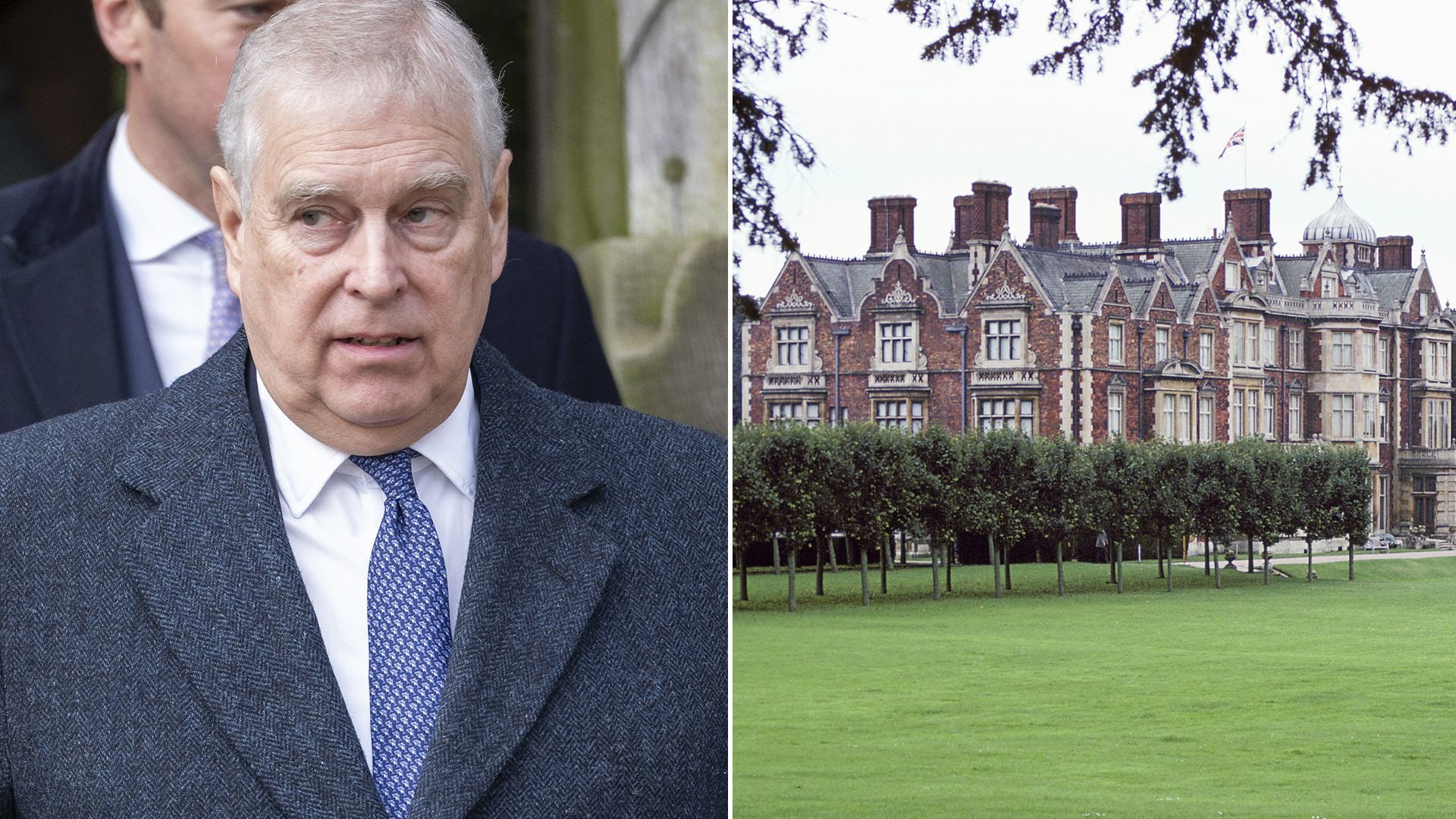
As of 2026, the transition of Prince Andrew, the Duke of York, from his long-term residence at Royal Lodge in Windsor to the Sandringham Estate in Norfolk represents a significant shift in the British Royal Family’s property management. This move is primarily driven by the King’s "slimmed-down monarchy" initiative and the logistical challenges of maintaining high-security, high-cost Grade II listed buildings for non-working royals.
The Background of the Royal Housing Dispute
The discourse surrounding Prince Andrew’s residence has been a focal point of royal administrative policy since early 2023. For over two decades, the Duke of York has resided at Royal Lodge, a 30-room mansion in Windsor Great Park. Under the terms of a 75-year lease agreement signed in 2003 with the Crown Estate, the Duke was responsible for the extensive maintenance and refurbishment of the property, which reportedly required an initial investment of roughly £7.5 million.
By 2026, the financial viability of this arrangement came under intense scrutiny. The Duke of York, no longer receiving public funding through the Sovereign Grant and having lost his taxpayer-funded security detail in previous years, faced increasing pressure to vacate the property. The King’s decision to cease the private allowance previously used to fund the Duke’s security and living expenses made the upkeep of Royal Lodge—estimated at several hundred thousand pounds annually—nearly impossible for a private individual without a steady income stream.
The move to the Sandringham Estate is not merely a change of address; it is a strategic relocation designed to consolidate royal resources. Sandringham, being the private estate of the Monarch rather than a property of the Crown Estate, allows for more flexible management of security and staffing.
Why Sandringham? The Significance of Wood Farm
When discussing a "move to Sandringham," the specific property most frequently cited by royal analysts and estate managers is Wood Farm. Located in a secluded corner of the 20,000-acre Norfolk estate, Wood Farm has historically served as a retreat for members of the Royal Family seeking privacy and a more "normal" existence away from the rigors of court life.
The Legacy of Wood Farm
Wood Farm holds deep historical significance. It was the preferred residence of Prince Philip, the late Duke of Edinburgh, following his retirement from public duties in 2017. Its appeal lies in its relative modesty compared to the grander royal palaces. For the Duke of York, relocating to Wood Farm serves multiple purposes:
- Reduced Operational Costs: The property is significantly smaller than Royal Lodge, leading to lower heating, cleaning, and maintenance expenditures.
- Simplified Security: The Sandringham Estate is already a highly secure perimeter, particularly during the winter months when the King resides there. Integrating the Duke into the existing security apparatus of the private estate is far more cost-effective than maintaining a bespoke security team at Windsor.
- Privacy: Sandringham offers a level of isolation that is difficult to achieve in the more publicly accessible Windsor Great Park.
Royal Lodge vs. Sandringham: A Comparative Analysis
To understand the scale of this move, it is necessary to compare the technical and logistical specifications of the Duke's former residence with the proposed Norfolk accommodations.
| Feature | Royal Lodge (Windsor) | Wood Farm (Sandringham) |
|---|---|---|
| Status | Crown Estate Property | Private Royal Estate |
| Number of Rooms | 30+ | Approx. 5-6 Bedrooms |
| Legal Basis | 75-year lease (from 2003) | Discretion of the Monarch |
| Annual Upkeep | Estimated £400,000+ | Estimated £80,000 - £120,000 |
| Security Requirements | High (Independent perimeter) | Medium (Integrated into estate) |
| Historical Use | Former home of the Queen Mother | Private retreat for Prince Philip |
| Public Access | Restricted via Windsor Great Park | Highly restricted private estate |
Legal and Financial Implications of the Transition
The legal complexities of the Duke’s move involve the Crown Estate Act 1961 and the specific terms of his 2003 lease. Unlike many royal residences, Royal Lodge is held under a commercial-style lease. This means that while the Duke has the right to occupy the property, he is also legally bound to "repair, renew, uphold, clean, and keep in good and substantial repair" the entire fabric of the building.
By 2026, reports indicated that the property required significant structural work, including roof repairs and damp treatment. Without the financial support of the Privy Purse, the Duke’s ability to fulfill these leasehold covenants was brought into question. If a tenant fails to maintain a Grade II listed building under the Crown Estate, the landlord (the Crown Estate Commissioners) technically has the right to seek a forfeiture of the lease.
However, the "move to Sandringham" was negotiated as a family matter rather than a purely legal one. Moving to a property on the Sandringham Estate allows the King to provide for his brother’s housing needs within the family’s private assets, thereby removing the Duke from the public-facing complications of the Crown Estate’s portfolio.
The Role of King Charles III in Estate Management
The relocation is a cornerstone of the King’s broader 2026 strategy for the Royal Household. The King has been vocal about the need for the monarchy to be self-sustaining and less of a burden on the state. By centralizing family members into fewer, more manageable hubs—Windsor, Sandringham, and Balmoral—the King can optimize the use of royal staff and security resources.
From an administrative perspective, the King’s management of the Sandringham Estate has focused on organic farming, renewable energy, and environmental stewardship. Relocating the Duke of York to this estate brings his living arrangements under the direct oversight of the King’s private estate office, rather than the more autonomous Windsor Great Park administration.
Logistics of a Royal Move: From Windsor to Norfolk
Moving a royal household, even for a non-working royal, is a complex logistical undertaking. It involves the transfer of significant personal property, including fine art, historical artifacts, and personal archives.
Security Coordination
The most critical aspect of the move is the handover of security responsibilities. At Royal Lodge, security had become a point of contention between the Home Office and the Royal Household. At Sandringham, the security infrastructure is designed for a working estate. The Duke’s move requires the Royalty and Specialist Protection (RaSP) command to re-evaluate the risk profile of Wood Farm and ensure that the Duke can be protected within the existing "ring of steel" that surrounds the estate during royal residencies.
Maintenance and Preparation of Wood Farm
Before the move could be finalized in 2026, Wood Farm underwent a series of modest upgrades. These were focused on modernizing the internal communications systems and ensuring the property met current energy efficiency standards. Unlike the lavish refurbishments of the past, these updates were functional, reflecting the more austere approach of the current reign.
Public Perception and the Monarchy's Future
The relocation of Prince Andrew to the Sandringham Estate is viewed by many royal commentators as a "graceful exit" from public life. By moving away from the high-profile Windsor area, which is essentially the "suburbs of London" for the Royal Family, the Duke moves further into the background.
This move aligns with the 2026 public sentiment regarding the accountability of the Royal Family. It demonstrates that no member is immune to the financial realities of property maintenance and that the King is willing to make difficult decisions regarding his own family to protect the long-term reputation of the institution.
Challenges and Resident Concerns
Despite the logical benefits, the move was not without its internal challenges. The Duke of York’s reluctance to leave Royal Lodge was well-documented, stemming from a desire to honor the 75-year lease and his significant personal investment in the property.
Furthermore, the impact on his daughters, Princess Beatrice and Princess Eugenie, had to be considered. While both have their own homes, Royal Lodge served as a family hub. The shift to Sandringham changes the geography of the York family’s interactions, moving their central base over 100 miles away from London.
Frequently Asked Questions
Is Prince Andrew still living at Royal Lodge in 2026?
As of 2026, the Duke of York has transitioned the majority of his living arrangements toward the Sandringham Estate. While legal discussions regarding the remainder of the 75-year lease at Royal Lodge continue, he is no longer the full-time occupant of the Windsor property.
Who pays for the maintenance of Wood Farm?
Maintenance for Wood Farm is funded by the Sandringham Estate, which is the private property of the King. Unlike the Sovereign Grant-funded palaces, Sandringham operates as a commercial enterprise involving farming, tourism, and real estate, and it uses its own revenues for property upkeep.
Can the Duke of York be evicted from Royal Lodge?
Legally, if the Duke fails to meet the repair and maintenance obligations specified in his lease with the Crown Estate, the landlord could initiate proceedings. However, the Royal Family typically prefers to resolve these matters through private negotiation to avoid public legal disputes.
Why was Frogmore Cottage not chosen instead?
While Frogmore Cottage was considered as a potential Windsor-based alternative, it is also a Crown Estate property. Moving the Duke to Sandringham provides a more permanent solution within the King’s private holdings, offering greater privacy and lower long-term costs for the taxpayer.
What will happen to Royal Lodge after the move?
Once fully vacated, Royal Lodge is expected to undergo a comprehensive refurbishment. Given its size and prestige, it may be repurposed for a higher-ranking working royal or, in some scenarios, let out on a commercial basis to generate revenue for the Crown Estate, although the latter is less likely given its proximity to the King’s residence at Windsor Castle.
Practical Recommendations for Following Royal Estate Updates
For those tracking the movement of the Royal Family and the management of their estates, it is recommended to monitor official releases from the Crown Estate and the Sovereign Grant Annual Reports. These documents provide the most accurate data on property usage, refurbishment costs, and the allocation of royal residences.
The move to Sandringham marks a definitive chapter in the restructuring of the British Monarchy. It underscores a transition from a period of expansion and high-cost residency to one of consolidation and pragmatic estate management. As the Duke of York settles into his Norfolk residence, the focus shifts to how the remaining Windsor properties will be utilized to serve the needs of a modern, streamlined monarchy in 2026 and beyond.