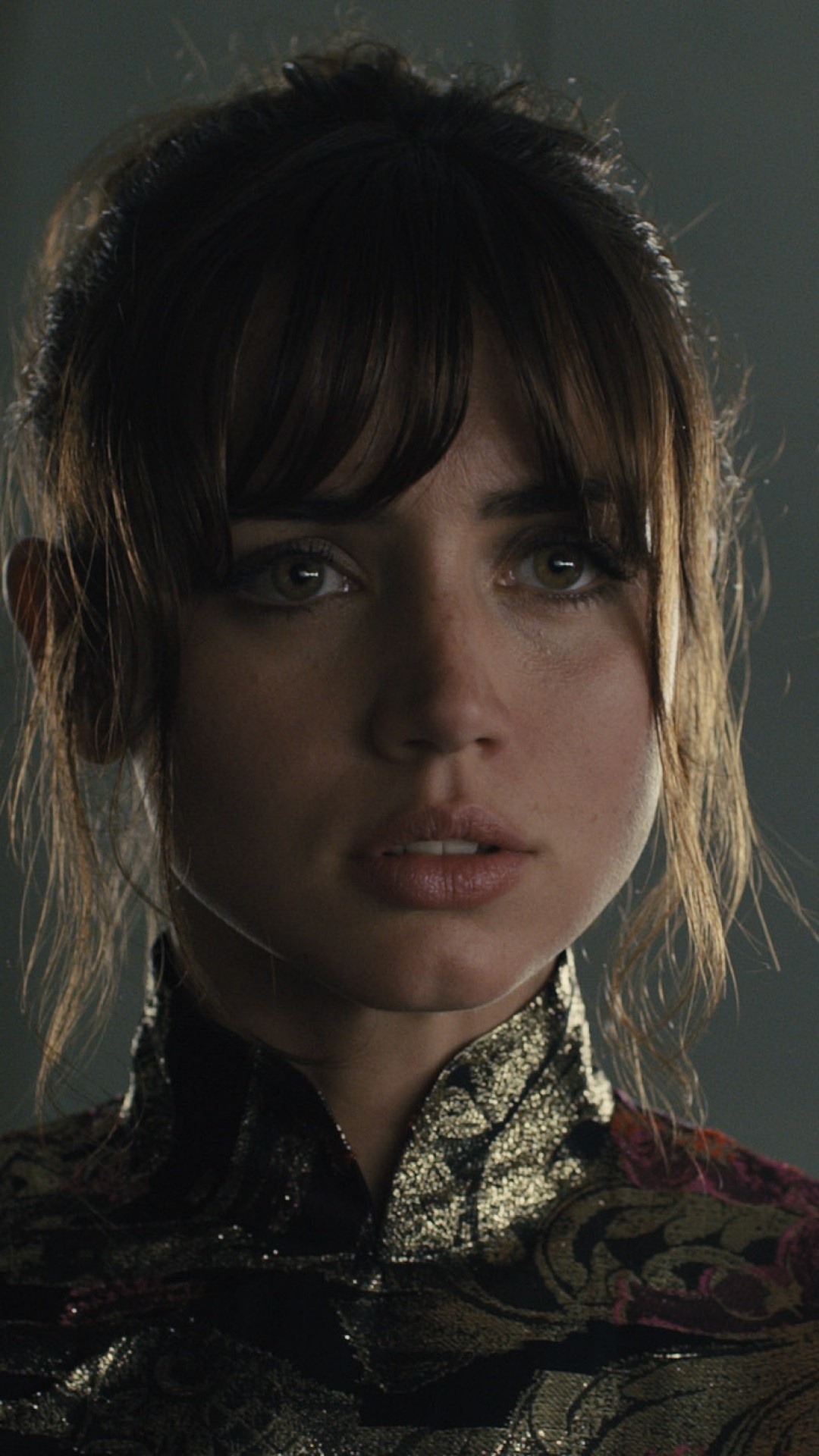
Ana de Armas’s portrayal of Joi in Blade Runner 2049 remains one of the most visually arresting examples of costume design in modern science fiction. Her wardrobe, designed by Renée April, serves as a narrative tool that explores the intersection of artificial intelligence, mid-century nostalgia, and futuristic synthetic materials. Even in 2026, nine years after the film's release, these outfits continue to influence high-fashion runways and remain a staple of technical cosplay.
The primary appeal of the "Blade Runner outfit" worn by Ana de Armas lies in its deliberate artifice. As a digital companion, Joi’s clothing is not just fabric; it is a projection of data meant to fulfill the desires of her owner, Officer K. This article provides a comprehensive analysis of the materials, design philosophy, and technical specifications of Joi’s most iconic looks, offering guidance for enthusiasts and costume designers looking to replicate these cinematic milestones.
The Design Philosophy of Renée April
To understand the outfits worn by Ana de Armas, one must first understand the vision of costume designer Renée April. Tasked by director Denis Villeneuve to create a world that felt cold, wet, and oppressive, April avoided the traditional "shiny silver" tropes of sci-fi. Instead, she leaned into textures that suggested a world where natural resources are extinct and everything is a synthetic imitation.
For the character of Joi, the design mandate was "customization." Because Joi is an AI product of the Wallace Corporation, her clothing changes based on her environment and the emotional needs of K. April utilized a mix of 1950s silhouettes—representing a "perfect" domestic past—and high-tech materials like PVC, vinyl, and faux furs. These materials were chosen because they react uniquely to the neon-drenched, rainy lighting of the film, creating a "glow" that distinguishes Joi from the biological humans in the story.
The Iconic Yellow Raincoat: Technical Breakdown
Perhaps the most famous outfit in the film is the transparent yellow raincoat Joi wears during the rooftop scene. This piece is a masterclass in visual storytelling, symbolizing her desire to be "real" enough to stand in the rain, despite being a digital projection.
Material and Construction
The raincoat is constructed from a high-visibility, translucent PVC (polyvinyl chloride). In 2026, high-end replicas often use a 0.3mm to 0.5mm gauge PVC to achieve the same structural rigidity seen on screen. The material is not traditional fabric; it is a thermoplastic polymer that requires specialized heat-sealing or heavy-duty stitching to maintain its shape.
The design features a high, structured collar and a classic A-line cut. Underneath the raincoat, Joi wears a patterned cheongsam-style dress with a high neck. The contrast between the traditional, organic-looking pattern of the dress and the slick, industrial nature of the yellow plastic creates a visual tension that defines the character's "uncanny valley" aesthetic.
Visual Effects Integration
On set, the challenge for Ana de Armas was interacting with an environment she technically couldn't touch. The raincoat was treated with specific anti-reflective coatings so that the practical lights on the set wouldn't create harsh glares that would break the digital "hologram" illusion. This technical detail ensures that Joi always appears to have a slight internal luminance, even when standing in the dark.
The 1950s Domestic Aesthetic: The Pink and Blue Ensembles
When Joi is inside K’s apartment, her outfits shift toward a nostalgic, retro-futuristic style. This is best exemplified by the pink "housewife" look and the blue-haired date night ensemble. These outfits use color theory to establish her role as a source of warmth in K’s otherwise gray existence.
The Magenta Faux Fur and Plastic
One of Joi's more flamboyant outfits is a magenta-pink coat paired with a matching dress. The coat utilizes long-pile synthetic fur, which was chosen for its ability to catch the edge-lighting of the apartment’s holographic projectors. This outfit highlights Joi’s function as a luxury product; she is vibrant, soft, and inviting, a stark contrast to the brutalist concrete of the Los Angeles 2049 setting.
The Blue Velvet and Retro Silhouette
During the "date" sequence, Joi appears with a sharp, blue bob and a high-sheen velvet dress. This look leans heavily into the 1940s and 50s "femme fatale" archetype. The fabric choice here is critical: velvet absorbs and reflects light in a way that mimics the flickering of a digital projection. By using materials with deep textures, the costume department helped the visual effects team make Joi look like she was composed of light rather than matter.
Comparative Analysis of Joi's Primary Outfits
The following table summarizes the technical and narrative elements of the primary outfits worn by Ana de Armas in the film.
| Outfit Name | Primary Materials | Key Scene | Narrative Significance |
|---|---|---|---|
| The Yellow Raincoat | Translucent PVC / Vinyl | Rooftop Rain Scene | Symbolizes the barrier between digital and physical reality. |
| The Magenta Fur | Synthetic Fur / Polyester | Apartment Interaction | Represents luxury, comfort, and the "ideal" domestic partner. |
| The Blue Date Dress | High-sheen Velvet | The "Double" Scene | Evokes film noir aesthetics; emphasizes her "programmed" elegance. |
| The White Slip | Silk-Satin Blend | Morning/Reset Scene | Highlights her vulnerability and "blank slate" nature. |
| Giant Joi (Hologram) | Digital Overlay (Nude/Transparent) | Bridge Scene | The ultimate realization of her status as a mass-produced product. |
Technical Challenges in Replicating the Look
For costume designers and cosplayers, recreating Ana de Armas’s Blade Runner outfits presents unique technical hurdles. Working with PVC and synthetic furs requires a different skill set than traditional tailoring.
- Stitching PVC: PVC does not "heal" like fabric. If you make a mistake with a needle, the hole remains forever. Professionals use "wonder clips" instead of pins and Teflon sewing machine feet to prevent the plastic from sticking to the machine.
- Managing Transparency: Because the yellow raincoat is transparent, the internal construction must be flawless. All seams are visible, meaning "flat-felled" seams or bias-tape finishing is required to maintain a clean, high-tech look.
- Wig Styling: Joi’s hair is as much a part of her "outfit" as her clothes. The blue bob requires a high-density synthetic wig with a sharp, blunt cut. In 2026, many stylists use heat-resistant fibers that allow for the "wet look" styling seen in the rain scenes without damaging the wig.
- The "Emanator" Prop: To complete the outfit, many include the "Emanator"—the silver device K uses to bring Joi outside. This is typically 3D-printed and finished with a metallic chrome polish to match the film's industrial design.
The Cultural Impact and Legacy in Fashion
The influence of Ana de Armas’s outfits extended far beyond the cinema. Following the film's release, the "translucent plastic" trend saw a massive resurgence in streetwear and high fashion. Designers like Raf Simons and brands like Maison Margiela have frequently referenced the futuristic, rain-slicked aesthetic of Blade Runner 2049.
The yellow raincoat, in particular, became a symbol of "techno-optimism" mixed with "dystopian realism." It represents a future where we are protected from a harsh environment by synthetic layers that are both beautiful and artificial. In the context of 2026, where sustainable synthetics and recycled plastics are more prevalent in the fashion industry, Joi's wardrobe feels more prophetic than ever.
Symbolic Use of Color and Light
The color palette assigned to Ana de Armas is highly intentional. Throughout the film, Joi is often associated with yellow and pink—colors that are rare in the natural world of 2049.
- Yellow: Often used in the film to denote information or artificial "truth" (similar to the yellow petals in the memory scenes).
- Pink/Magenta: Represents the Wallace Corporation’s marketing of desire. The giant "Joi" hologram on the bridge is a towering advertisement in pink, suggesting that her personality and appearance are merely "flavors" of a product.
- Blue: Used during moments of attempted intimacy, suggesting a "coolness" or a simulation of human depth.
By changing her "outfit" instantly via the Emanator, Joi demonstrates that her identity is fluid. This fluidity is a central theme of the movie: if an AI can choose what to wear and how to act to make someone happy, does that make her feelings "real"?
Common Questions About Joi's Outfits
What material is the yellow raincoat made of?
The original screen-used raincoat was made from a specific type of translucent vinyl/PVC. It was chosen for its ability to remain flexible while maintaining a sharp, architectural shape. For high-quality replicas, designers often seek out "glass clear" or "tinted" 12-gauge vinyl.
Who designed the costumes for Ana de Armas in Blade Runner 2049?
The costumes were designed by Renée April. She is a renowned costume designer who has worked on other major films like Arrival and Sicario. Her work on Blade Runner 2049 was specifically praised for its "tactile futurism."
How did the film make Joi's clothes look like holograms?
This was achieved through a combination of physical costume design and visual effects (VFX). Ana de Armas wore the physical outfits on set to interact with the lighting. In post-production, the VFX teams added a slight transparency, "glitch" effects, and a back-glow to signify that the clothes were projections of light.
Is the yellow raincoat available for purchase?
While the original movie prop is a one-of-a-kind museum piece, many boutique fashion labels and cosplay companies produce high-fidelity replicas. In 2026, several "techwear" brands have released inspired versions that use breathable but water-resistant synthetic membranes instead of standard PVC.
What is the significance of the "Emanator" device?
The Emanator is the portable hard drive and projector that allows Joi to leave K's apartment. It is technically the "source" of her outfits. Without the Emanator, Joi is confined to the apartment's ceiling-mounted projectors. The device represents her "freedom," though it ultimately reinforces her status as a piece of hardware.
Practical Guidance for Cosplayers and Collectors
If you are looking to acquire or build the "Joi look," focus on the transparency and texture rather than just the color. The "Blade Runner aesthetic" is defined by how surfaces react to light.
- For the Raincoat: Seek out PVC that is "UV stabilized" to prevent it from yellowing or becoming brittle over time.
- For the 1950s Dress: Look for cheongsam or qipao patterns. Use silk or a high-quality rayon to ensure the dress drapes correctly under the stiff plastic of the raincoat.
- For the Lighting: If you are photographing the outfit, use "neon" gels (magenta and cyan) on your light sources. This will replicate the cinematography of Roger Deakins and make the synthetic materials "pop" as they do in the film.
Ana de Armas’s outfits in Blade Runner 2049 are more than just movie costumes; they are a sophisticated exploration of what it means to be "real" in a digital age. Whether you are a fan of film theory, a fashion enthusiast, or a technical cosplayer, Joi’s wardrobe offers an endless well of inspiration and technical complexity.