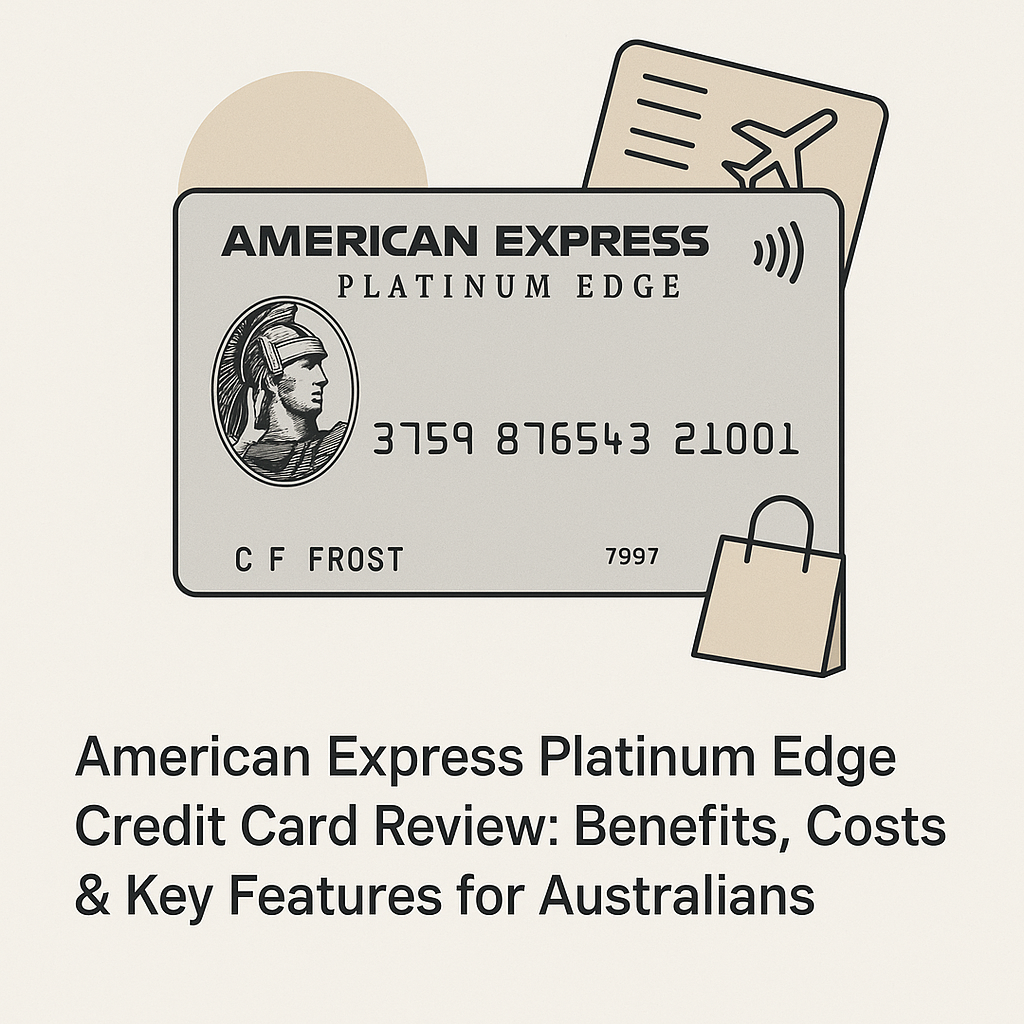
Evaluating American Express credit cards through the lens of a sustainable consumer requires balancing premium travel rewards with corporate environmental accountability, paperless incentives, and conscious spending categories. While Amex is renowned for luxury lifestyle benefits, high-tier membership rewards, and robust purchase protections, eco-conscious cardholders must weigh these features against the ecological footprint of frequent air travel, card manufacturing materials, and the company's broader corporate sustainability commitments.
Identity and Scope of American Express for Sustainable Consumers
American Express (Amex) occupies a unique position in the global financial ecosystem. Known primarily for closed-loop charge cards and open-loop credit cards targeted at affluent travelers, small business owners, and corporate spenders, the issuer has increasingly integrated environmental, social, and governance (ESG) factors into its operations. For a sustainable consumer, choosing an Amex card means navigating a portfolio where premium rewards often intersect with carbon-intensive activities, such as commercial aviation and dining out.
Evaluating Amex from an eco-friendly perspective involves analyzing several operational pillars:
- Corporate Sustainability Targets: Amex’s commitments to net-zero emissions, renewable energy adoption, and supply chain decarbonization.
- Product Materiality: The physical composition of the cards themselves, including the use of recycled plastics and ocean-recovered plastics.
- Rewards Ecosystem: How Membership Rewards points can be utilized, and whether point-redemption partners or platforms support sustainable causes.
- Spending Categories: The alignment of bonus point multipliers with sustainable purchasing habits, such as public transit, electric vehicle (EV) charging, and second-hand goods.
Corporate Sustainability Commitments and Climate Action
Before examining individual card products, sustainable consumers typically scrutinize the issuing bank's corporate citizenship. American Express has established formal climate targets validated by external frameworks, aligning its business model with the transition to a low-carbon economy.
Amex achieved carbon neutrality for its operational footprint in 2018 and has since transitioned to sourcing 100% renewable electricity for its global facilities. Furthermore, the company has set science-based targets to reduce absolute greenhouse gas emissions across its operations and value chain. However, as a financial institution, a significant portion of Amex’s indirect climate impact stems from its financed emissions—the carbon generated by the businesses and consumers utilizing its network.
To address this, Amex has joined various climate coalitions and financial sector initiatives aimed at accelerating sustainable finance. For eco-conscious cardholders, these corporate policies offer some assurance that the institution is actively managing its carbon exposure, though cardholders must still evaluate how individual rewards structures influence their personal consumption patterns.
Physical Card Composition: Recycled Plastics and Metal Design
The physical makeup of a credit card is a tangible consideration for environmentally focused users who wish to minimize plastic waste. Amex has made notable strides in addressing the lifecycle impact of its payment cards:
- Recycled PVC (rPVC): Many of Amex’s consumer and small business plastic cards are manufactured using 81% to 100% reclaimed plastic, primarily sourced from consumer waste streams through partnerships with organizations like Parley for the Oceans. This initiative helps divert plastic waste from marine environments.
- Metal Cards: Premium cards—such as the American Express® Gold Card and The Platinum Card®—are crafted from stainless steel and metal composites. While metal cards offer greater durability and longevity, reducing the frequency of card replacements due to wear and tear, their end-of-life recycling requires specialized processing rather than standard curbside sorting. Amex provides card recycling programs where customers can mail back expired or damaged metal cards for proper disposal.
Evaluating Rewards, Carbon Offsets, and Spending Multipliers
The core appeal of American Express lies in its Membership Rewards program. For sustainable consumers, the primary challenge is that traditional travel rewards incentivize frequent commercial flying, which remains one of the most carbon-intensive human activities.
However, the ecosystem offers nuanced ways to align spending with sustainability values:
Point Redemptions and Charitable Giving
Amex allows cardholders to donate Membership Rewards points to environmental non-profits, conservation organizations, and social justice groups through its partnership with JustGiving. While redeeming points for charitable donations generally yields a lower financial value per point compared to transferring them to airline or hotel partners, it provides a direct avenue for eco-conscious users to leverage accumulated points for environmental advocacy.
Carbon Offset Programs
Certain corporate and commercial card products feature integrated carbon tracking or offset mechanisms, allowing businesses to monitor the estimated emissions associated with travel and procurement spending. While consumer cards currently lack automated, real-time carbon tracking at the transaction level—a feature found in some specialized green fintech cards—cardholders can manually direct their rewards toward sustainability-focused initiatives.
Everyday Spending Categories
Sustainable living often involves specific spending habits, such as grocery shopping at local co-ops, utilizing public transit, maintaining older goods rather than buying new ones, and investing in energy-efficient home improvements.
| Amex Card Product | Key Environmental & Sustainability Features | Primary Reward Multipliers | Target Sustainable Persona |
|---|---|---|---|
| Amex Everyday® Credit Card | Digital statement enrollment, paperless billing, zero annual fee. | U.S. supermarkets, everyday retail. | Budget-conscious eco-shoppers minimizing paper waste. |
| American Express® Gold Card | Metal card durability, digital account management. | U.S. supermarkets, dining, restaurants. | Sustainable food enthusiasts focusing on local, organic dining. |
| The Platinum Card® | Metal card recycling program, digital travel booking portals. | Airfare, hotels, premium travel services. | Frequent travelers seeking carbon offset integration via partners. |
| Blue Cash Everyday® Card | rPVC plastic composition, digital-first interface. | U.S. supermarkets, gas stations, transit. | Commuters utilizing public transit and electric vehicle charging. |
Practical Limitations and Trade-Offs for Eco-Conscious Users
While American Express offers high-tier benefits, sustainable consumers must navigate several inherent structural limitations:
- Travel Incentivization: The highest point multipliers on premier Amex cards heavily reward air travel and hotel stays. For consumers striving to reduce their personal carbon footprint by limiting flights, maximizing these cards becomes inherently difficult.
- Lack of Niche Green Categories: Unlike specialized eco-credit cards that offer elevated cash back specifically for renewable energy home installations, thrift stores, certified B-Corporations, or public transit, Amex relies on broad merchant category codes (MCCs). Purchases at independent organic markets or local farmers' markets may code correctly as supermarkets, but truly localized sustainable vendors often lack standardized merchant categorization.
- High Annual Fees and Consumerism: Premium travel cards carry significant annual fees, which can subconsciously pressure cardholders to spend more or travel more frequently to justify the cost, running counter to minimalist and anti-consumerist sustainable lifestyles.
Alternative Financial Strategies and Comparison
For consumers who find traditional travel rewards misaligned with their environmental ethos, comparing Amex against alternative financial products provides necessary context:
- Green Fintech Cards: Specialized neobanks and fintech issuers often tie card usage directly to tree-planting initiatives, automated carbon footprint calculators per transaction, and donations to environmental defense funds. These cards prioritize ecological transparency over luxury travel perks.
- Cash-Back Simplicity: Flat-rate cash-back cards avoid the mental overhead of point valuations and travel redemptions, allowing consumers to redirect funds directly toward local environmental projects, solar panel investments, or community-supported agriculture (CSA) shares.
Summary Verdict for Sustainable Consumers
American Express credit cards are powerful financial tools best suited for consumers who already maintain high baseline expenditures in dining, groceries, and travel, and who wish to optimize those purchases while operating within an institution that maintains verified corporate sustainability targets.
For strict minimalists or zero-waste advocates who reject air travel and luxury consumerism, the high annual fees and travel-centric rewards of premium Amex cards will offer limited utility. However, for pragmatic environmentalists seeking a reliable, durable payment card backed by robust consumer protections and solid everyday supermarket rewards, selecting a no-annual-fee or mid-tier Amex product represents a functional compromise between financial optimization and personal values.